Every famous place has two versions. One belongs to the visitors who arrive by the thousands each day. The other belongs to the people who live there and know which streets, hours and corners still feel like the city they love.
In many destinations, crowds have grown so large that officials have introduced fees, caps and new rules since 2024. Here are fifteen popular stops that plenty of residents skip, along with nearby alternatives that offer more breathing room.
Trevi Fountain, Rome: Try the Acqua Paola Fountain Instead
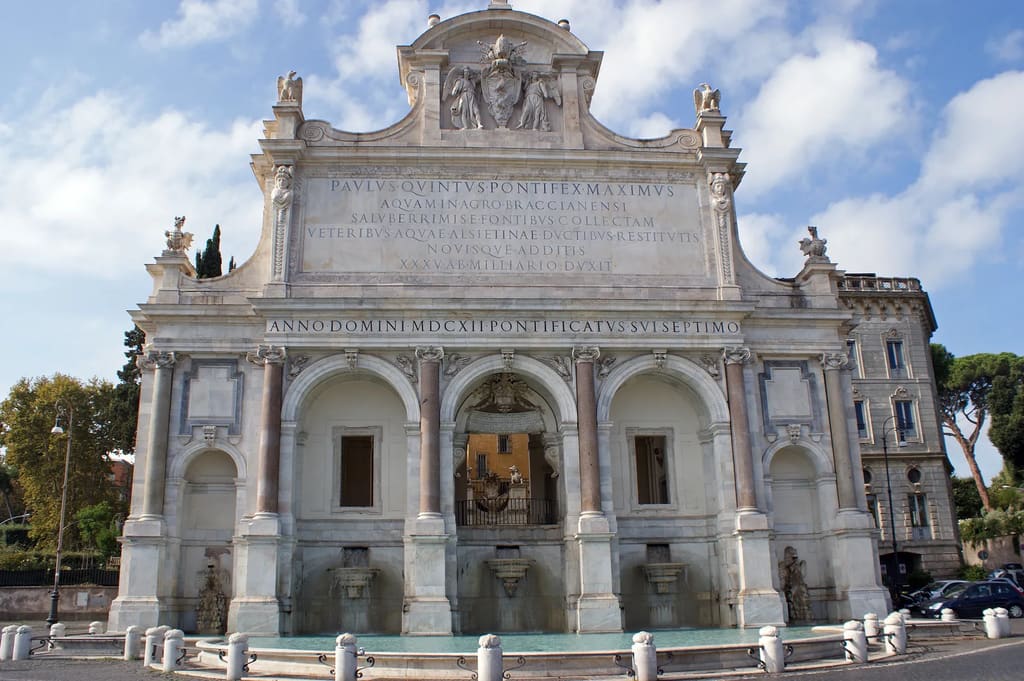
The Trevi Fountain draws about 30,000 visitors a day, with peak days reaching 70,000.[1] That’s a lot of elbows for one small piazza. Romans tend to walk past it on the way somewhere else.
Since 2 February 2026, a €2 ticket has been required to enter the basin closest to the monument.[2] Viewing the fountain from the piazza remains free.[3] For a calmer fountain, climb the Janiculum Hill to the Fontana dell’Acqua Paola, a grand early seventeenth century monument with a wide view over the rooftops.
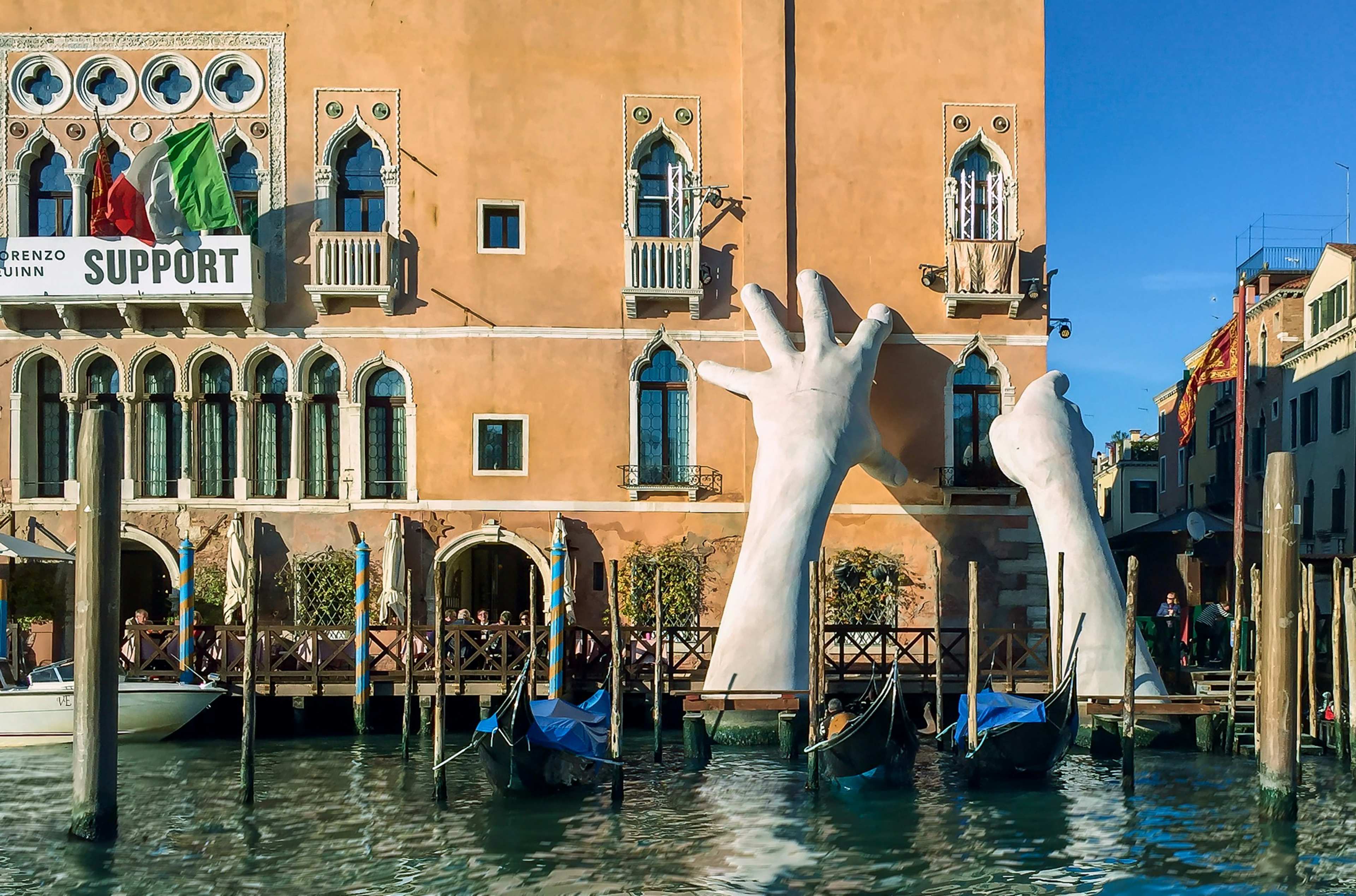
St. Mark’s Square, Venice: Wander Cannaregio Instead
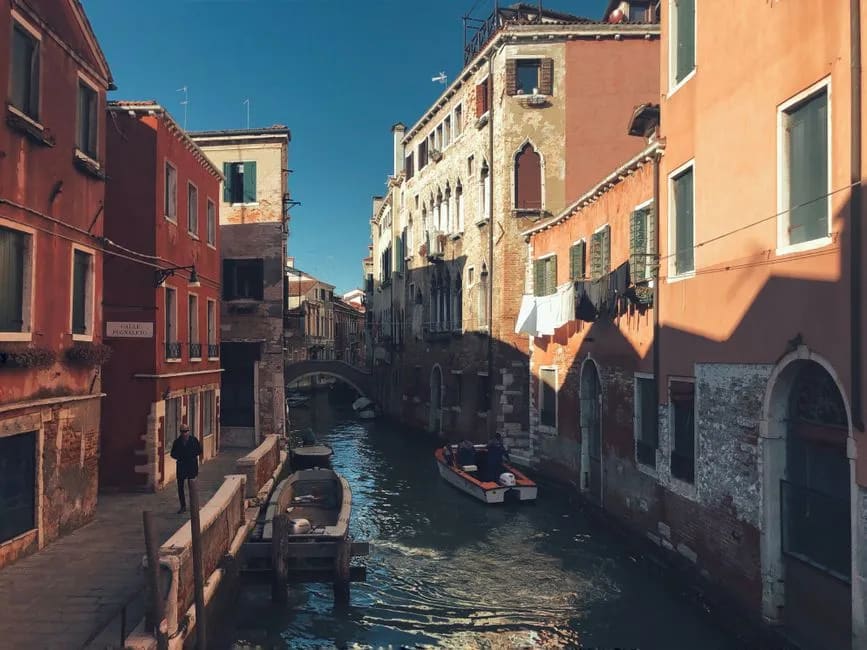
Venice is small, and the numbers show it. Roughly 30 million people visit each year, many of whom don’t stay overnight.[4] St. Mark’s Square is where that pressure is easiest to see.
In 2026, day visitors pay €5 if they book online in advance, or €10 on the day, on roughly 60 peak dates.[5] Overnight guests are exempt.[4] Cannaregio, the northern district with its long canals, neighborhood bars and the old Jewish Ghetto, gives you a version of Venice where people still run errands.
Oia, Santorini: Spend Your Time on Naxos Instead
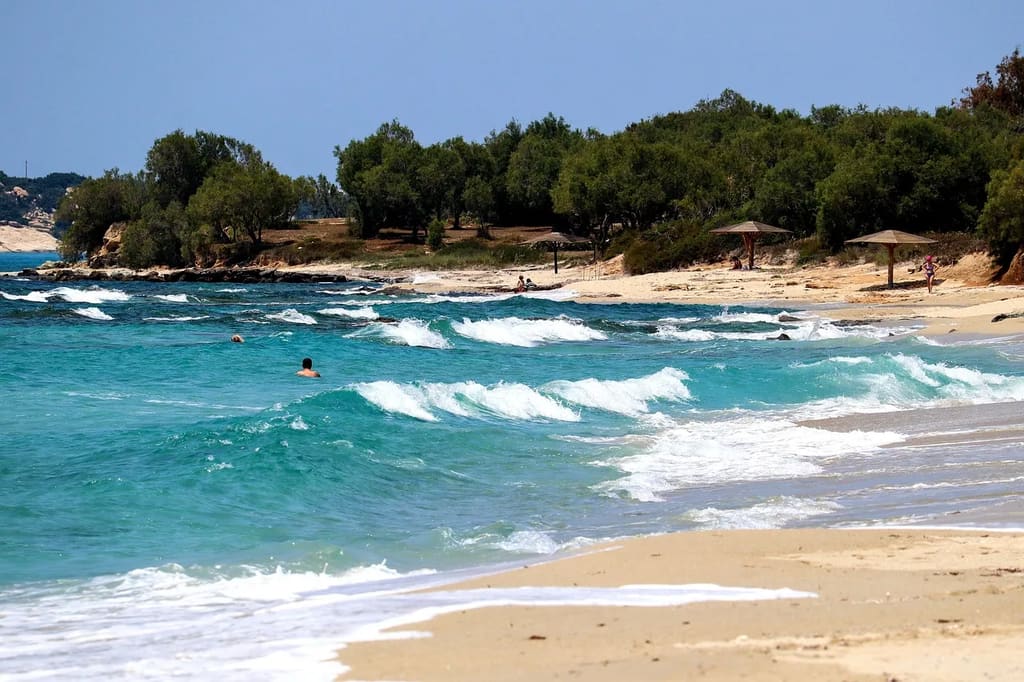
Santorini attracts about 2 million tourists a year, yet it has a population of about 15,000 and a single main port.[6] Sunset in Oia is the moment when that imbalance feels sharpest. Many islanders avoid the village at that hour.
Cruise traffic is a big part of the story. During high season, from June through September, passengers disembarking in Mykonos or Santorini pay €20 each.[7] Naxos, the largest island in the Cyclades, offers a real working town, mountain villages and long sandy beaches, with far less of the theater.
La Rambla, Barcelona: Head to Gràcia Instead
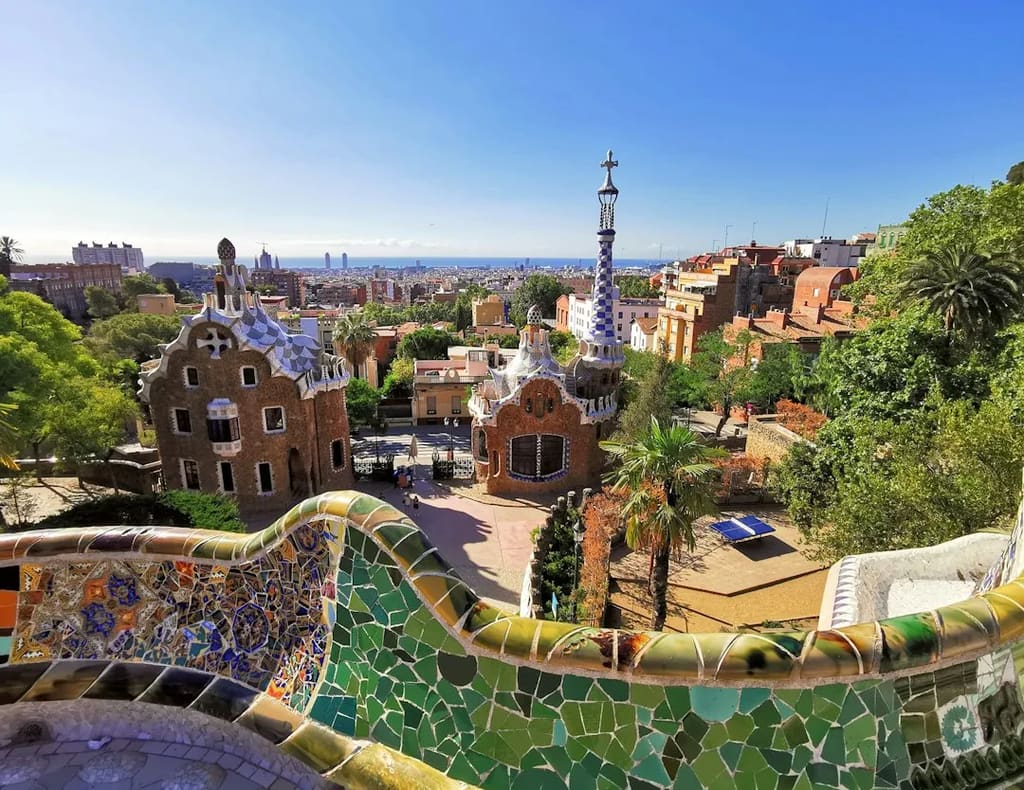
Locals rarely treat La Rambla as a destination. One 2026 guide notes that the paella in most restaurants along the boulevard is often overpriced and not authentic.[8] The same guide adds that human statues and other performers often expect money for photos.[8]
Barcelona has also been leaning on visitors to cover the costs of tourism. The tourist tax doubled from 1 April 2026.[9] If you want to see how residents spend an evening, walk to Gràcia, where small squares fill with neighbors at outdoor tables and independent shops replace souvenir stalls.
Times Square, New York: Explore Jackson Heights Instead

Times Square pulls in tens of millions of visitors every year. For New Yorkers, it’s usually a place to hurry through. The screens are spectacular, but the restaurants are largely chains.
If you’re hungry for the real thing, take the subway to Jackson Heights in Queens. It’s known for South Asian, Tibetan and Latin American food, much of it served in small family places. Prospect Park in Brooklyn is another favorite among residents who want green space and slower weekends.
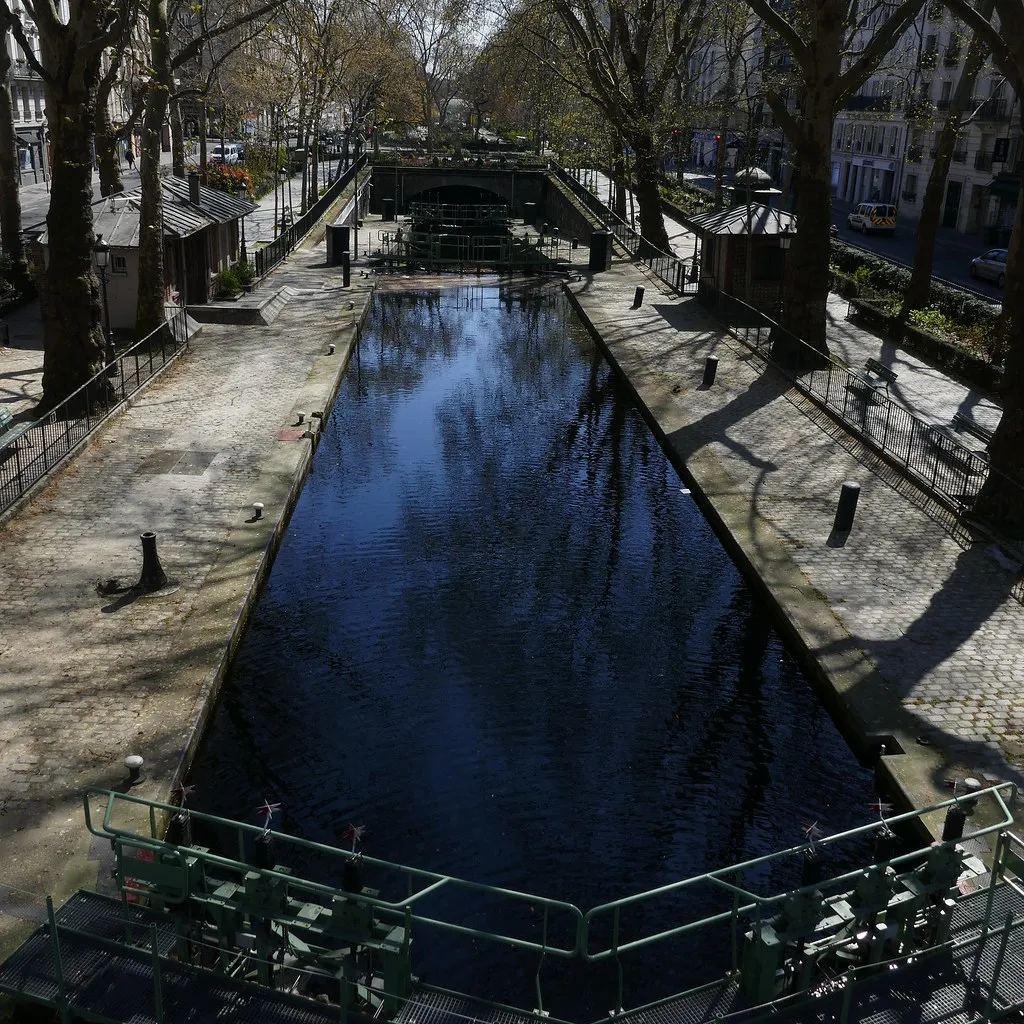
Champs Élysées, Paris: Walk the Canal Saint Martin Instead
The Champs Élysées is about two kilometers of wide pavement leading to the Arc de Triomphe. The view is genuinely grand. Still, the avenue is lined with flagship stores and pricey terraces, and Parisians seldom pick it for a casual meal.
Canal Saint Martin, in the tenth arrondissement, has a very different mood. Iron footbridges cross a canal opened in the nineteenth century, and locals gather along the banks with takeaway coffee or wine. From there, the Buttes Chaumont park is an easy hop for hills, lawns and lake views.
Fisherman’s Wharf, San Francisco: Visit the Mission District Instead
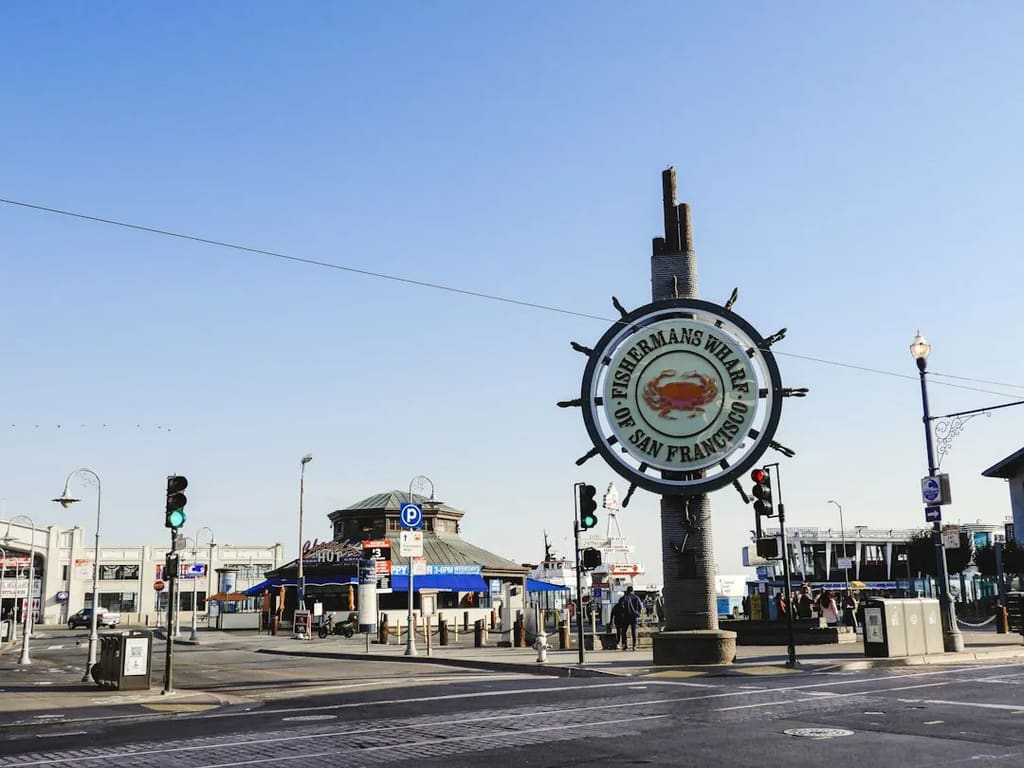
Fisherman’s Wharf has real appeal, especially the sea lions near Pier 39. Even so, the shops and restaurants along the waterfront are aimed squarely at visitors. Most San Franciscans only come when relatives are in town.
For a better sense of the city, ride over to the Mission District. Its murals in Balmy Alley and Clarion Alley, its taquerias and the lawns of Dolores Park draw a mix of generations. On a Saturday, the Ferry Building farmers market gives you a waterfront option that locals actually use.
Khao San Road, Bangkok: Settle Into Ari Instead
Khao San Road has been a backpacker magnet for decades. It’s loud, bright and packed with bars, street stalls and tour offers. Many Bangkok residents see it as a place for visitors rather than a place for them.
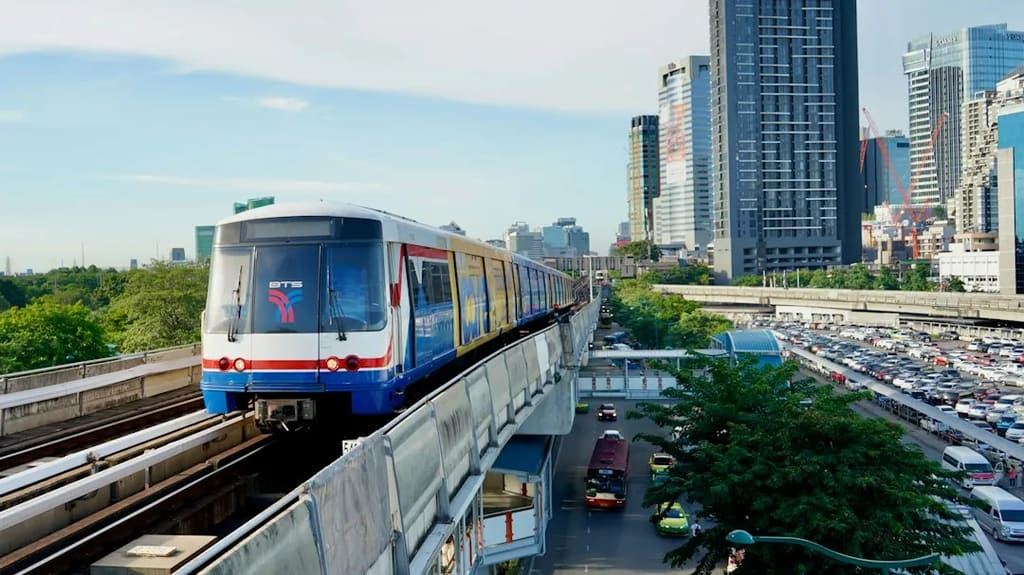
Ari, reached by the BTS Skytrain, feels more lived in. Tree lined side streets hold independent cafes, small restaurants and street food carts serving office workers at lunch. It’s a good place to eat well without feeling like you’re part of a queue.
Kuta Beach, Bali: Choose the Sidemen Valley Instead
Kuta is the Bali many first time visitors picture, with surf lessons, souvenir shops and heavy traffic. Residents often steer clear of it, especially in peak months. The crowds can overshadow the island’s famous calm.
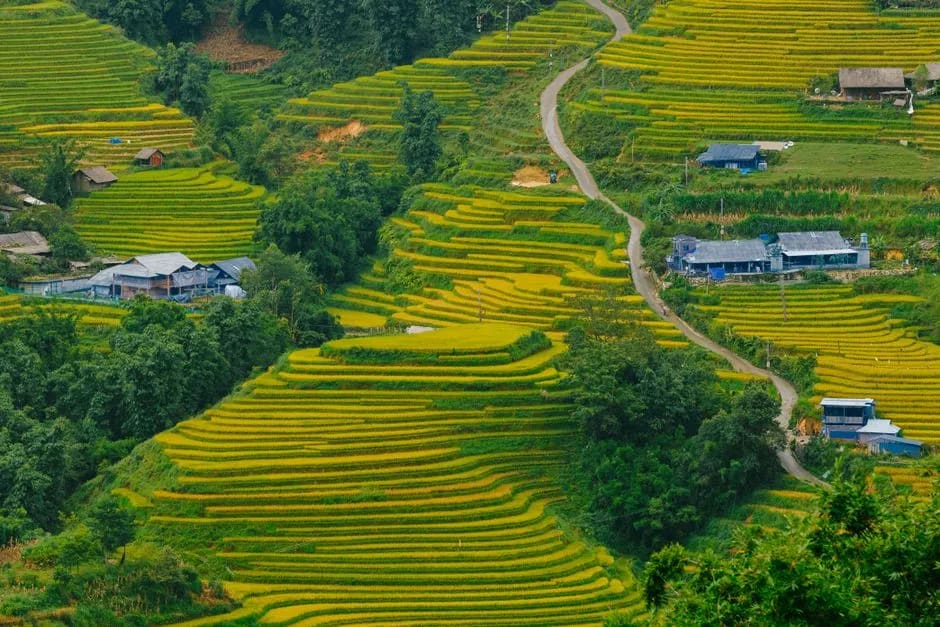
Since February 2024, foreign visitors to Bali have paid a levy of 150,000 rupiah, roughly ten US dollars, which the province uses for culture and environmental programs. The Sidemen Valley in eastern Bali is a quieter option, with rice terraces, weaving workshops and views of Mount Agung. Guesthouses there tend to be small and family run.
Hallstatt, Austria: Relax at Altaussee Instead
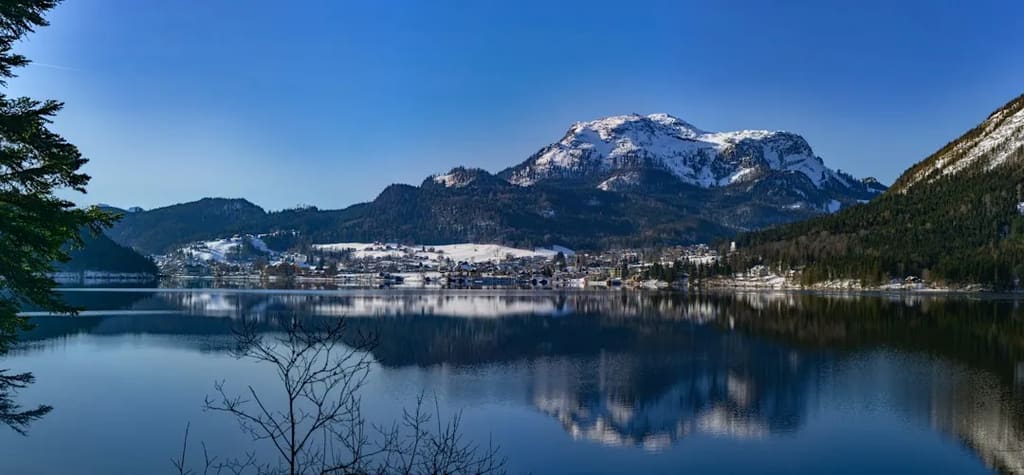
Hallstatt is a lakeside village listed by UNESCO as part of the Hallstatt Dachstein Salzkammergut cultural landscape. It has fewer than a thousand residents. Tour buses arrive by the dozen on busy days, which is why many Austrians avoid it in summer.
Altaussee, a lake in the same wider Salzkammergut region, has mountain views and a quiet shoreline path. The village of Bad Aussee nearby adds traditional inns and a lived in town center. You get the alpine scenery without the photo queues.
Red Light District, Amsterdam: Cross to Noord or Settle in De Pijp
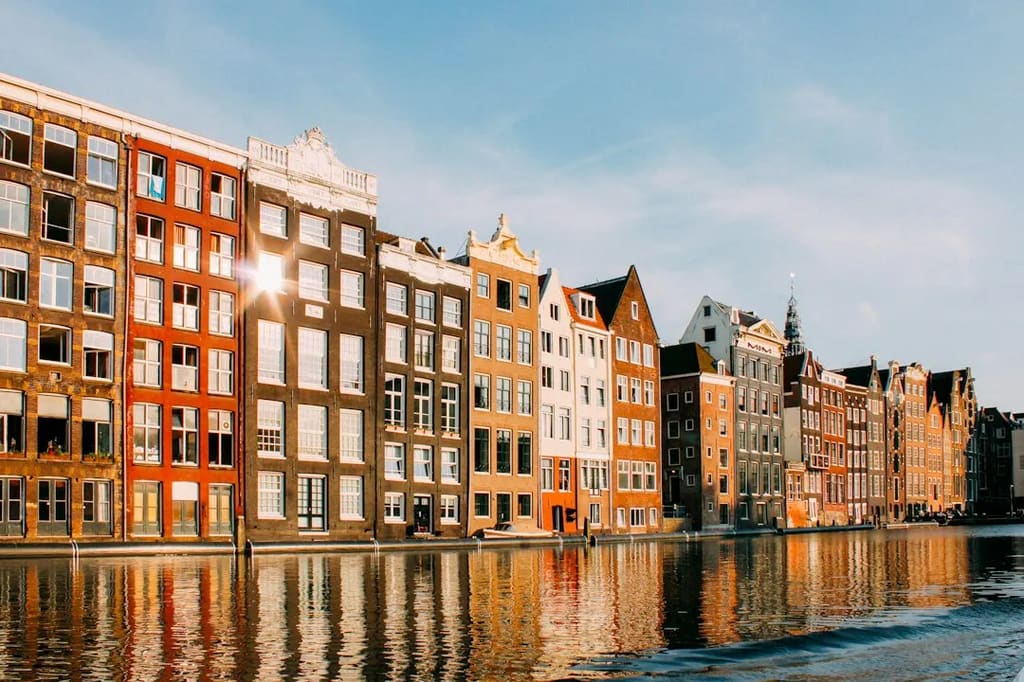
The Red Light District, known as De Wallen, is one of Amsterdam’s most crowded areas. The city has restricted guided tours there in recent years, a clear sign of how strained the narrow lanes have become. Many Amsterdammers simply cycle around it.
De Pijp is a livelier alternative, with the Albert Cuyp market, cafes and a young, mixed crowd. You can also take the free ferry from behind Central Station to Amsterdam Noord. Its former shipyard area, NDSM, has street art, creative studios and big skies.
Related Stories From Travelbinger

Cinque Terre, Italy: Stay in Camogli Instead
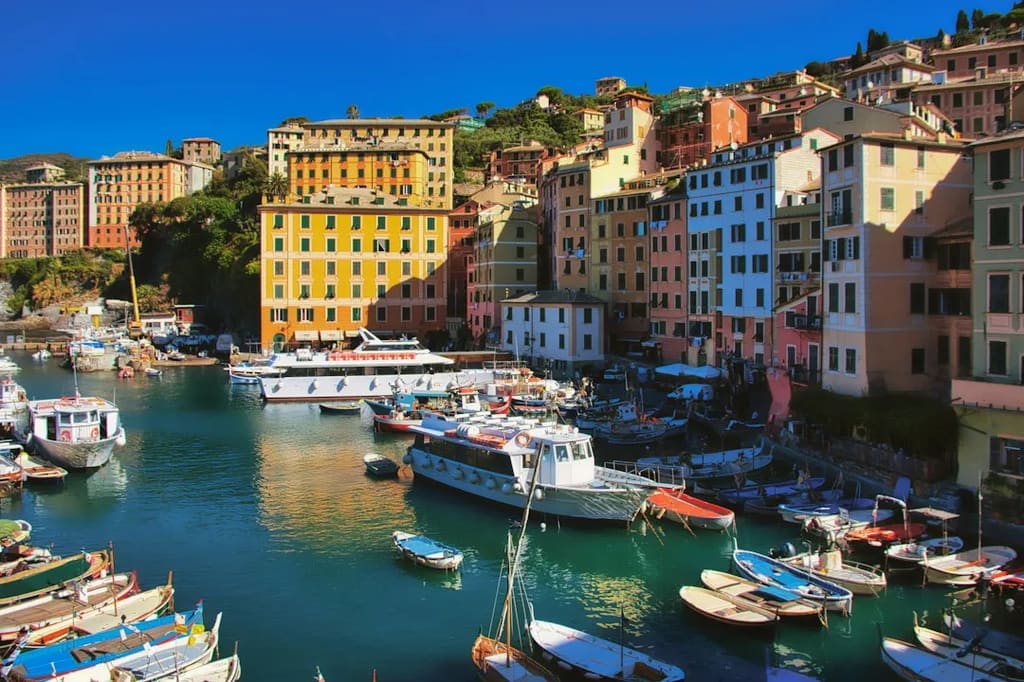
The five villages of Cinque Terre sit inside a national park and a UNESCO World Heritage site. They’re beautiful, but also tiny, with narrow paths and a single train line. During peak months, the trails and platforms fill quickly, and some Ligurians prefer to look elsewhere along the coast.
Camogli, on the Golfo Paradiso, is a working fishing town with tall painted houses and a pebble beach. It has regular train service to Genoa and walking routes into the hills. Visitors still come, but the pace is more relaxed.
Blue Lagoon, Iceland: Go to a Neighborhood Pool Instead
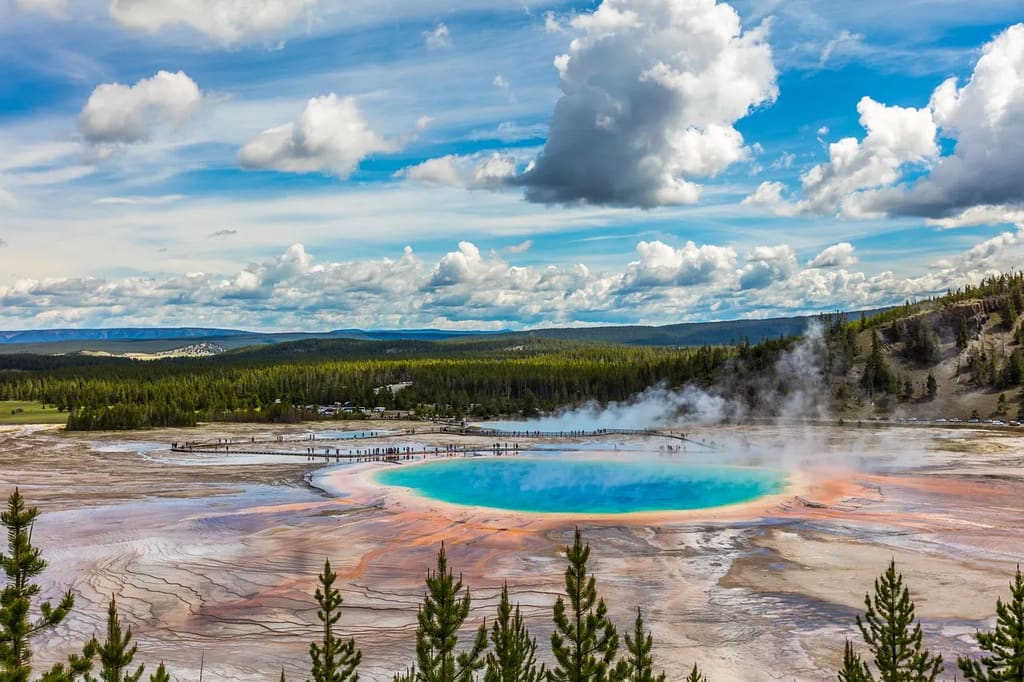
The Blue Lagoon is a man made lagoon fed by water from a nearby geothermal power plant. It’s a smooth, well organized experience, and advance booking is required. Icelanders themselves rarely include it in their weekly routine.
Locals favor public swimming pools heated by geothermal water, found across Reykjavik and in almost every town. Laugardalslaug, the capital’s largest, has hot tubs where regulars chat after work. It’s cheaper, more social and a more honest picture of Icelandic life.
Charles Bridge, Prague: Climb to Vyšehrad and Letná Instead
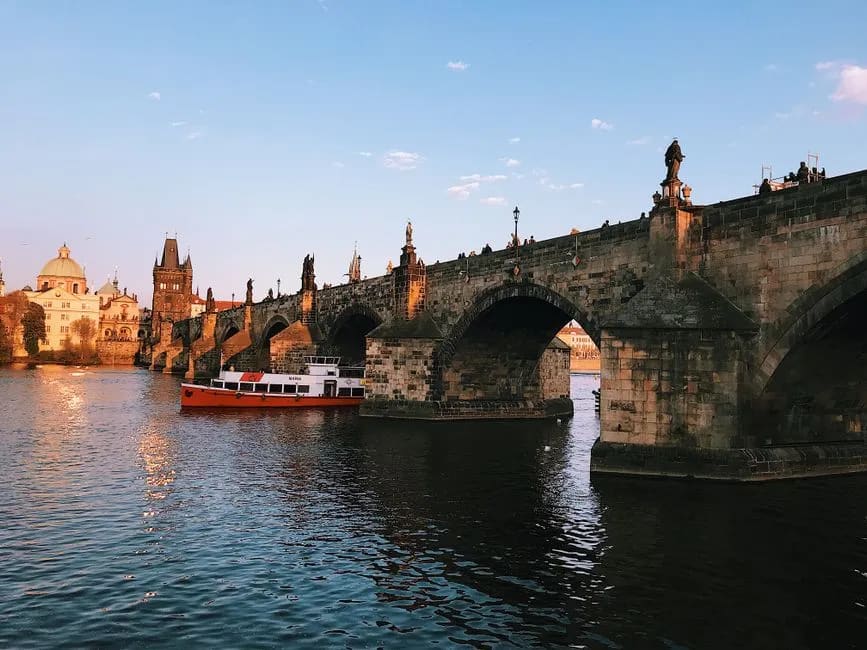
Charles Bridge dates from the fourteenth century and is lined with Baroque statues. By midday it’s crowded with groups, musicians and stalls. Pragueans tend to cross it early in the morning, or not at all.
Vyšehrad, a hilltop fortress south of the center, has wide views over the Vltava river and almost no queues. Letná Park, on the opposite bank, offers skyline views and a well loved beer garden. Both are places where residents spend their weekends.
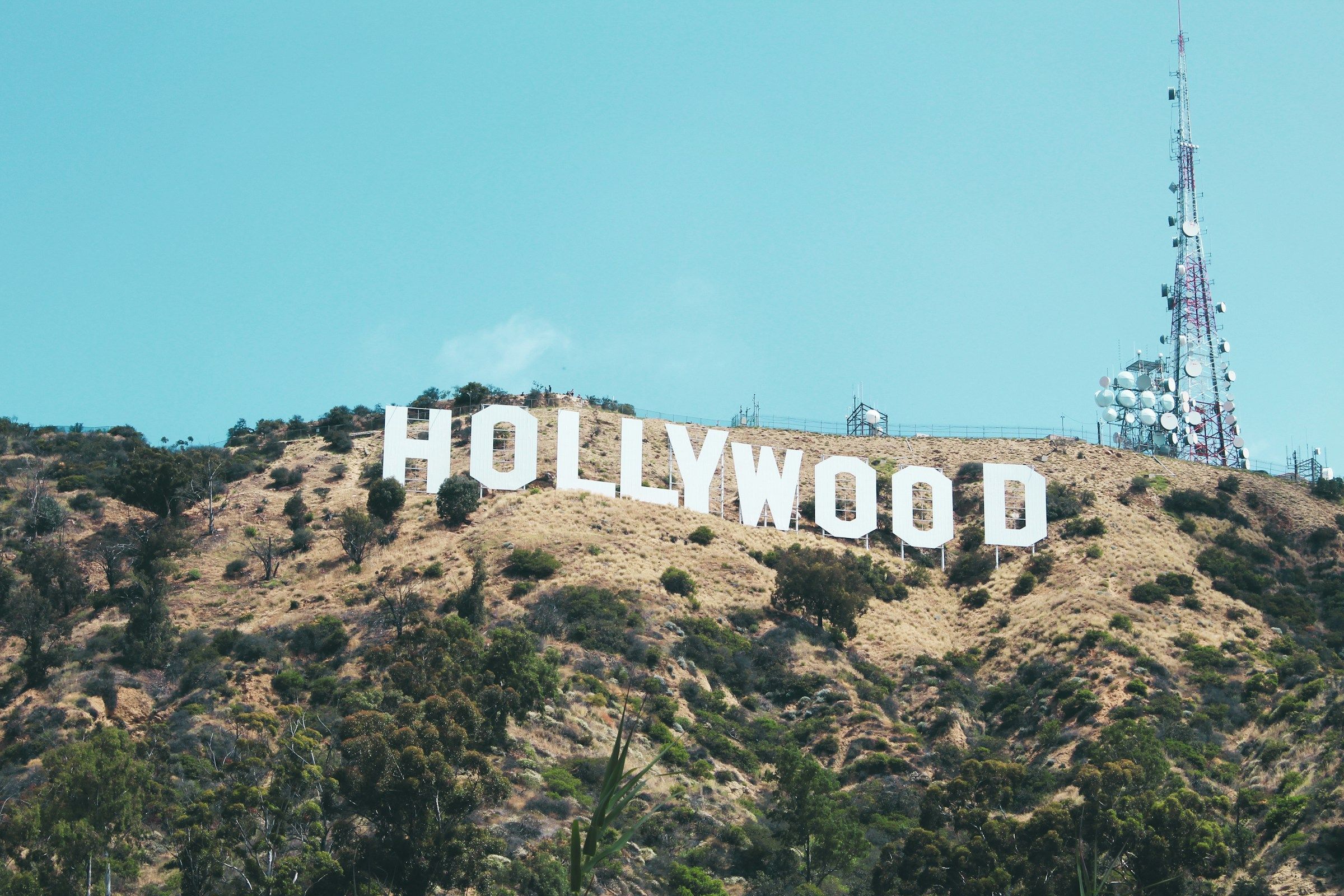
Hollywood Boulevard, Los Angeles: Hike Los Feliz and Griffith Park Instead
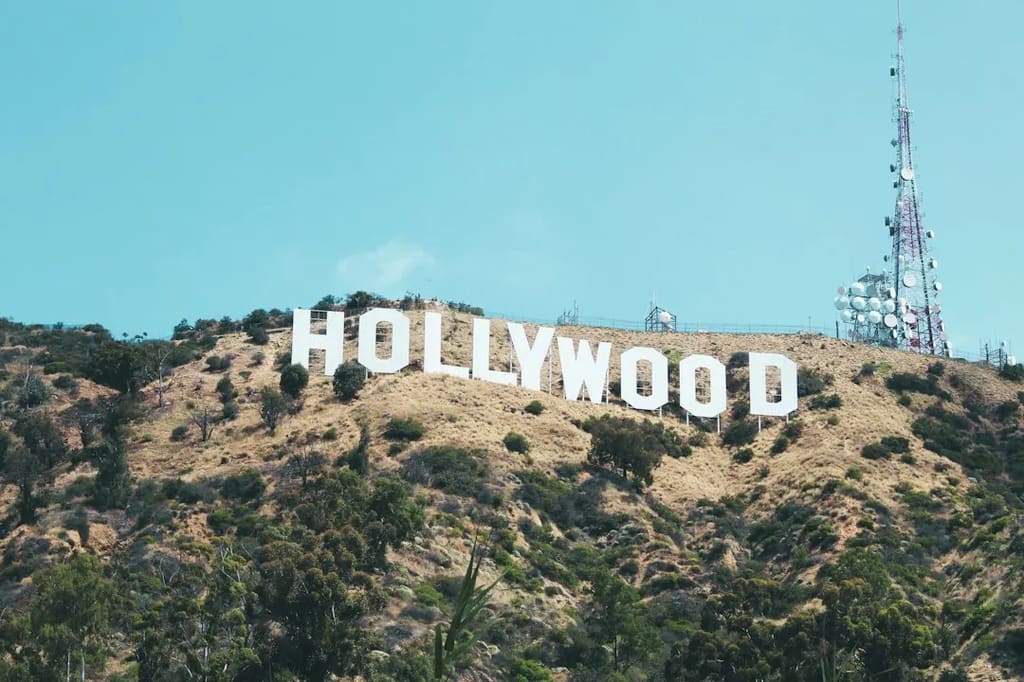
Hollywood Boulevard is home to the Walk of Fame, which has more than 2,700 stars set into the pavement. The scene is crowded with costumed characters and souvenir shops. Angelenos typically visit only when a film premiere or visitors bring them there.
Los Feliz, just east, has independent restaurants, vintage shops and leafy residential streets. It sits beside Griffith Park, where hiking trails lead to views of the Hollywood sign. Griffith Observatory offers free admission, though parking can be tight, so many locals arrive on foot.