Ask a few travelers about the Mexican Caribbean and most will start with Cancún. It’s the name on the departure boards, the one with the long hotel strip and the reputation for big nights out. Fewer people mention the island sitting about twenty kilometers down the coast.
Cozumel gets a different kind of attention, mostly from divers and from cruise passengers who only see the pier. What it’s like to stay there for a few days is less well known. The details, including a few that complicate the quiet image, are worth sorting out before you book.
A Smaller Island With a Slower Rhythm
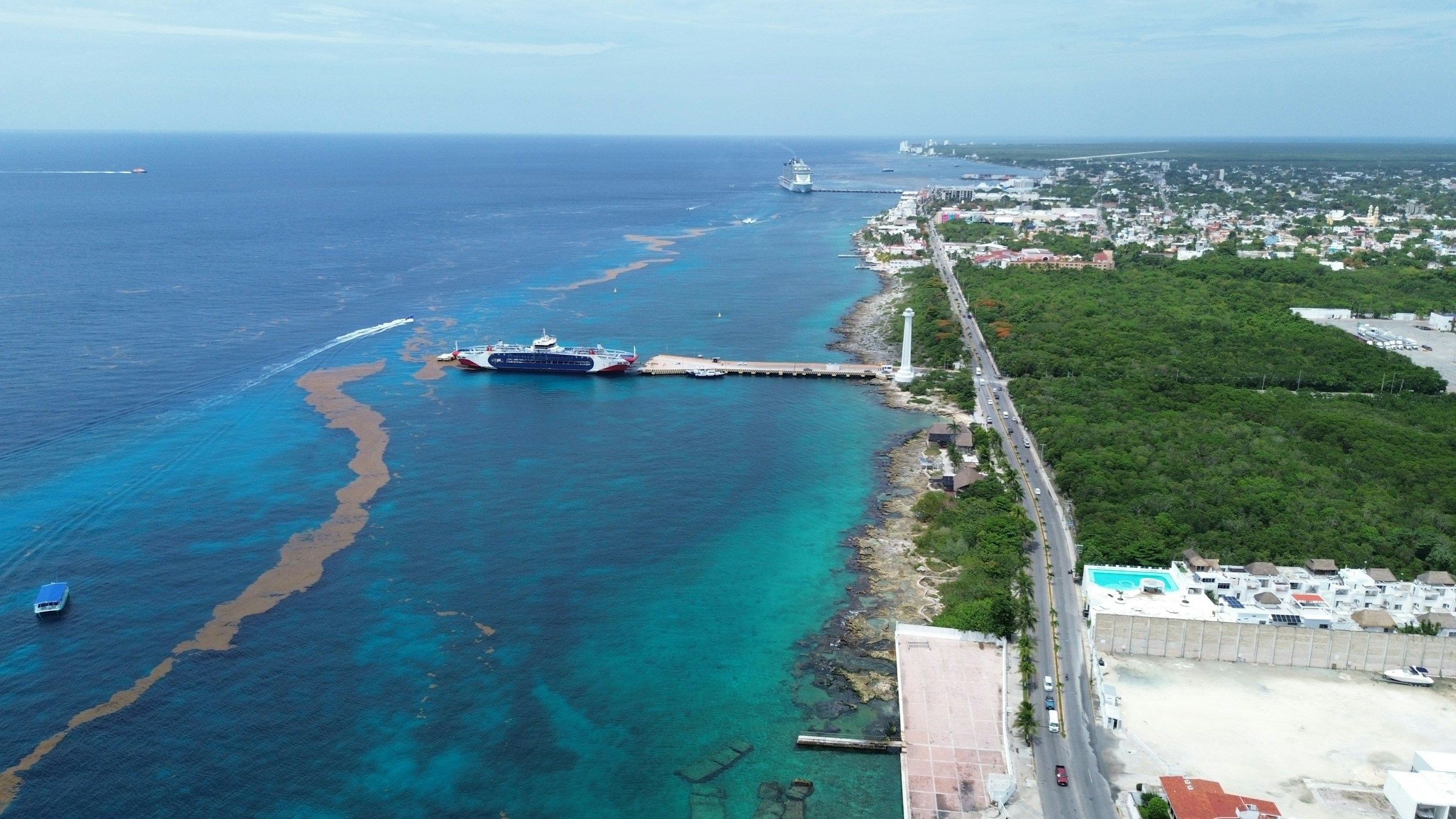
Cozumel lies off the eastern coast of the Yucatán Peninsula, opposite the town of Playa del Carmen.[1] It’s Mexico’s largest Caribbean island, yet it has only about 100,000 inhabitants.[1] That gap between size and population explains much of the atmosphere.
Cancún sits on the Mexican mainland, while Cozumel is an island further south.[1] It is less developed and more remote than Cancún.[1] One travel guide describes a town that goes quiet after dinner[2], and says that once you leave the town, the island is mostly undeveloped.[2]
Reaching the Island by Ferry
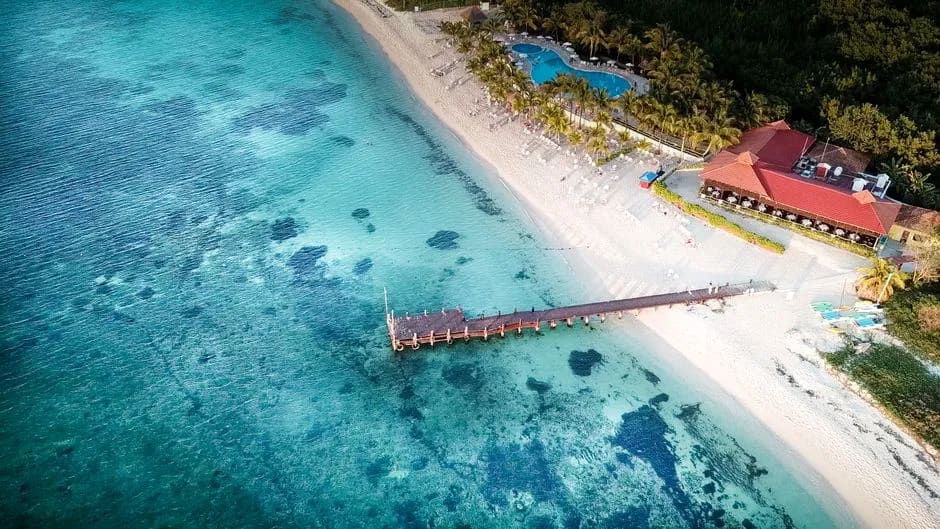
The usual route is a passenger ferry from Playa del Carmen. The crossing takes 35 to 45 minutes.[3] Ultramar’s fares, last verified in September 2026, were 320 pesos per adult one way in Premium Plus, the standard tourist class[4], which works out to about 19 US dollars[4] at the exchange rate used there.
Plan your return around the schedule. The last Ultramar ferry from Cozumel to Playa del Carmen leaves around 9:30 to 10:00 PM.[5] If you’re bringing a vehicle, note that the car ferry leaves from Punta Venado (Calica), south of Playa del Carmen, not from the passenger pier.[3] In winter, northerly winds called nortes can make the crossing slightly choppier.[5]
The Reef Is Protected, and It Shows
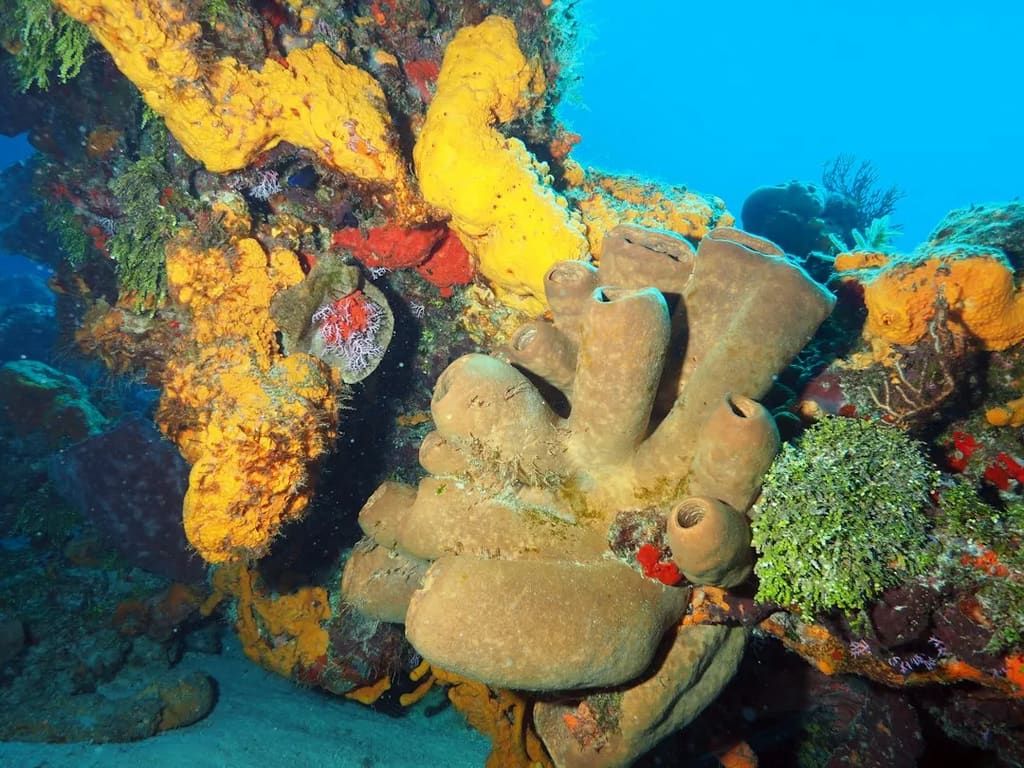
Most of Cozumel’s appeal sits underwater. The reefs run along the island’s sheltered southwest side and are protected as a national marine park.[6] One regional guide notes that the island has the second largest barrier reef in the world on its doorstep.[2]
Protection here is active, not just a label on a map. A rotating reef rest programme, managed by Mexico’s National Commission of Protected Natural Areas within the Cozumel Reefs National Park, closes certain sites for set periods.[7] That keeps visitor pressure from falling on the same coral all year.
Diving Palancar and Beyond
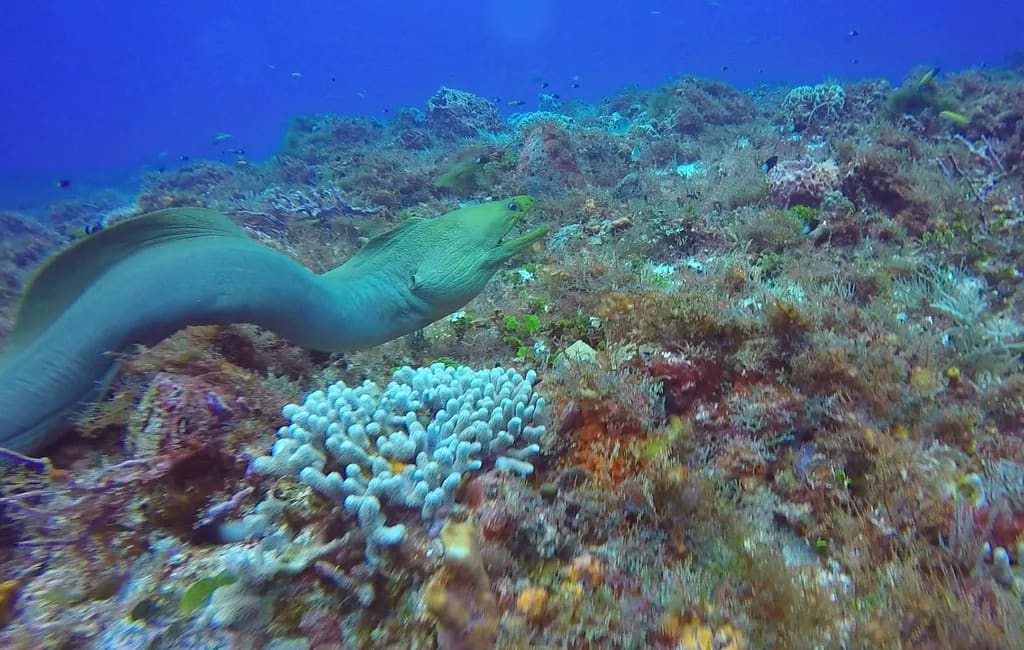
Palancar is the name most divers know. It isn’t one dive site but a reef system so large that most divers spend multiple trips working through its sections.[8] Beginners can start at the shallower end, since Palancar Gardens sits at roughly 40 to 70 feet[8], while Palancar Caves and the Horseshoe are recommended for Advanced Open Water or equivalent.[9]
Check the closure calendar before you pick dates. As of early November, San Francisco, San Francisco Bajo, Santa Rosa and Santa Rosa Wall are off limits to recreational diving and snorkelling until 30 November 2026.[7] The wider marine park stays open[7], and Palancar Caves, Palancar Bricks and the Colombia reef areas are among the sites still available.[7] One guide suggests that three to five days of diving is the sweet spot for most visitors.[8]
Beaches That Aren’t Quite Cancún’s
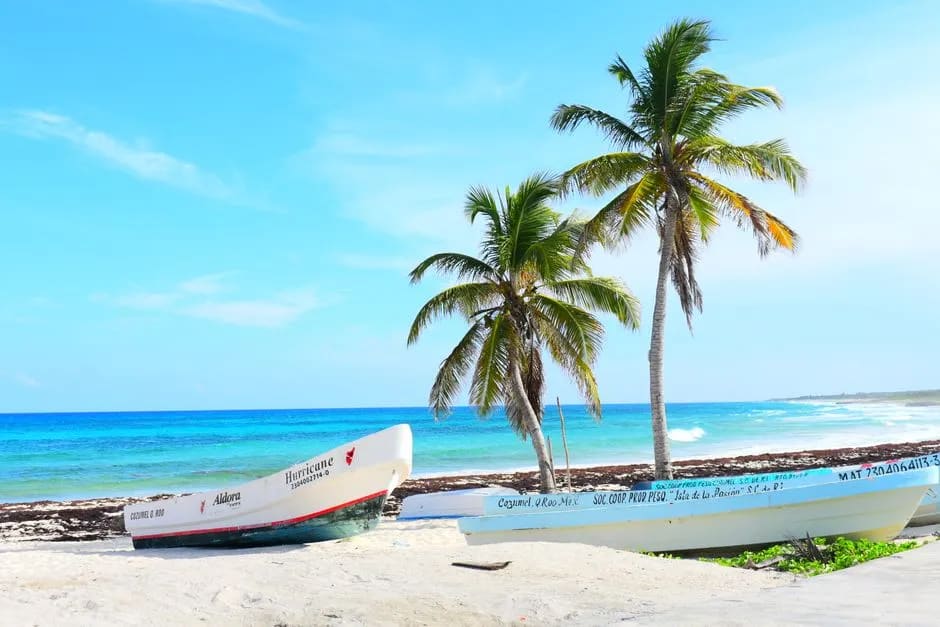
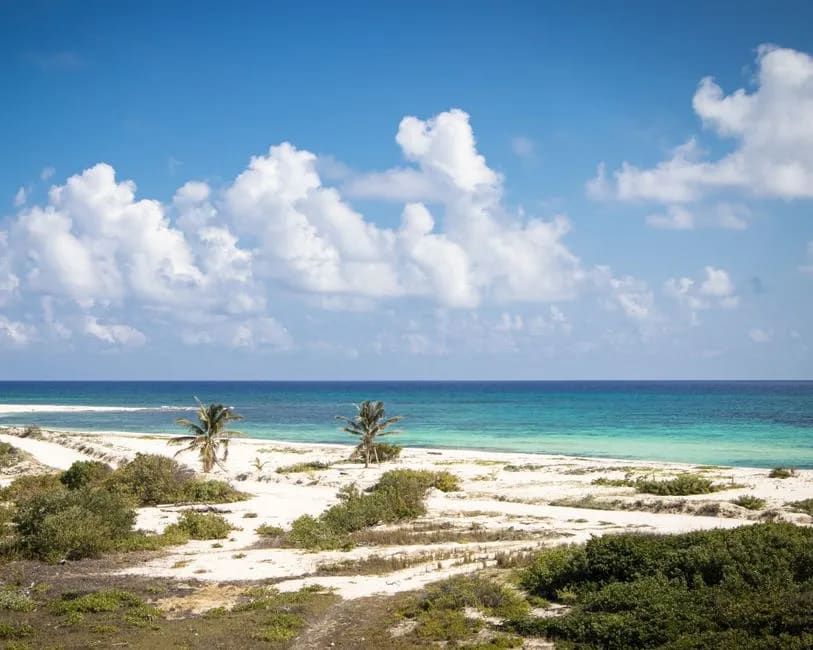
If you picture long, soft powder beaches, adjust your expectations. Cozumel’s beaches are smaller and rockier than those in Cancún.[1] The picture changes by coast, though. At the southern end, where the all inclusive resorts sit, the beaches have gentle surf and a mild slope.[10]
The northern shoreline is a different story. One family travel guide points out that the island’s risks come mostly from the rugged, rocky beaches on the northern coast.[11] Seaweed is another consideration. One comparison says that for travel between April and September, the sheltered west coast stays clearer of sargassum.[2]
The Cruise Ship Caveat
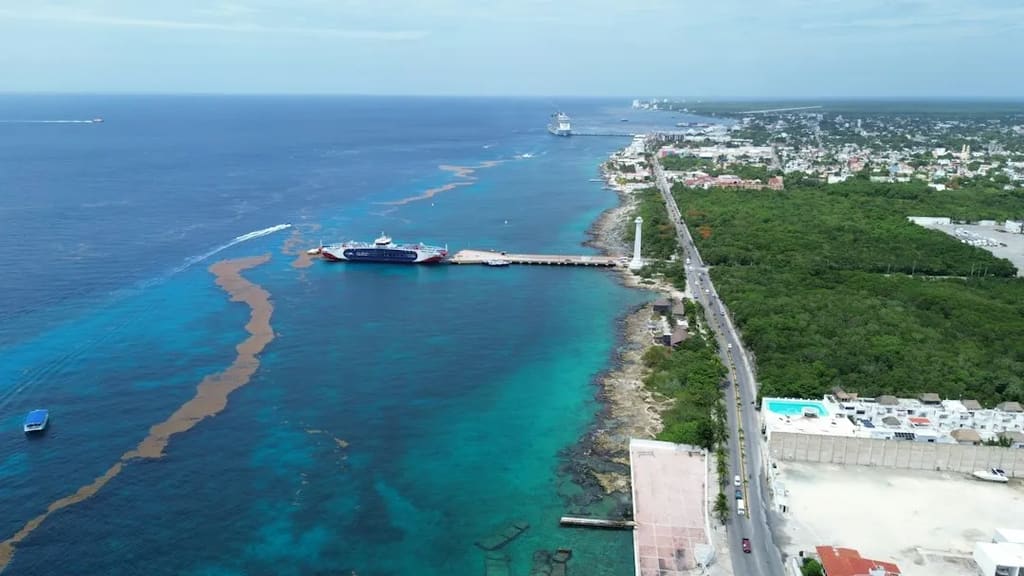
Cozumel is quiet compared with Cancún, but it isn’t empty. The Port of Cozumel handled about 4.73 million cruise passengers in 2025.[12] Early in 2026, it welcomed nearly 2 million passengers across 571 ship calls between January and April.[13]
The numbers kept climbing through the year. A report on January to August data puts the island at 3.41 million cruise passengers, up 10.7 percent[14], which is roughly 41 percent of Mexico’s entire cruise passenger volume for the period.[14] So the calm depends on timing. It’s sensible to expect the waterfront to be busiest on port days and to plan reef trips and quiet stretches around them.
San Miguel After Dark
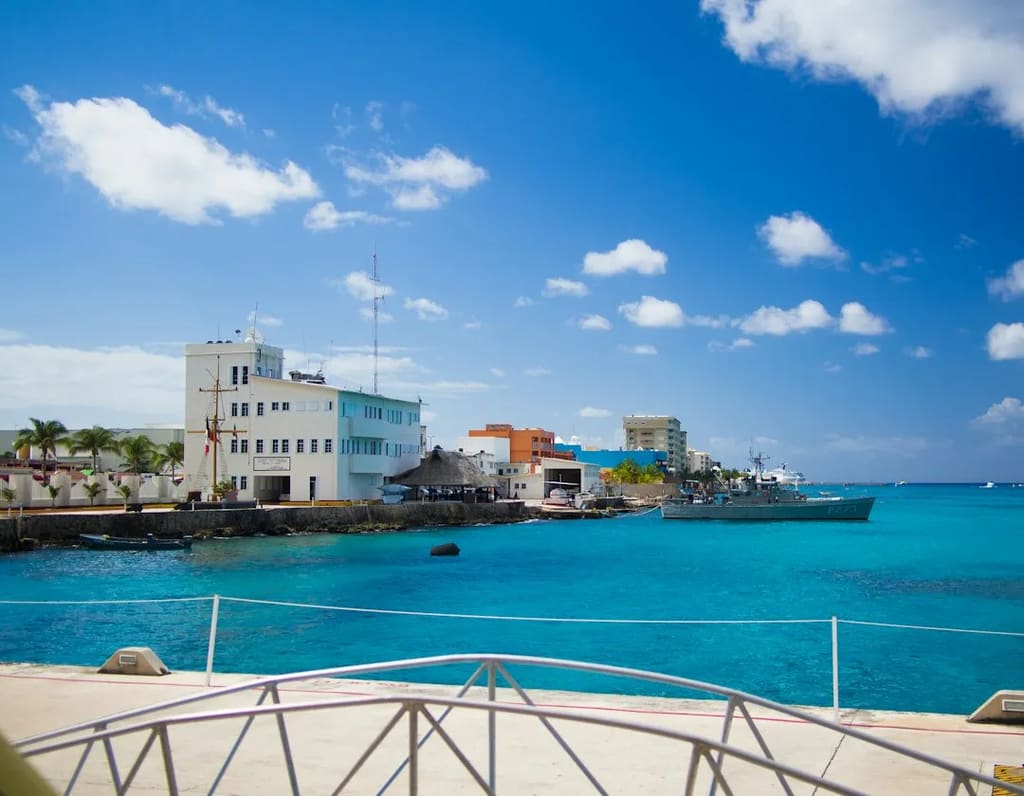
The only real town, San Miguel de Cozumel, keeps things modest. It’s much quieter than Cancún, yet it still has a nightlife scene.[1] Another guide describes the island’s nightlife as more low key.[15]
Related Stories From Travelbinger


Food covers the basics well. Restaurants tend to reflect the island’s tranquil nature while serving everything from fresh seafood to traditional Mexican dishes.[16] Shopping follows the same pattern, since the scene is smaller but more local.[15]
Getting Around and What It Costs

Moving around the island is straightforward. Taxis are the primary mode of local transportation.[16] If you’d rather set your own pace, a loop road circles about two thirds of the island, so renting a motorbike or car lets you see it quickly.[17]
On price, travel comparisons lean toward Cozumel. One says that accommodations are generally less expensive than in Cancún because of the island’s smaller size and fewer tourist amenities.[15] Those are general guide claims, not measured price surveys, so compare actual rates for your dates.
Before You Book
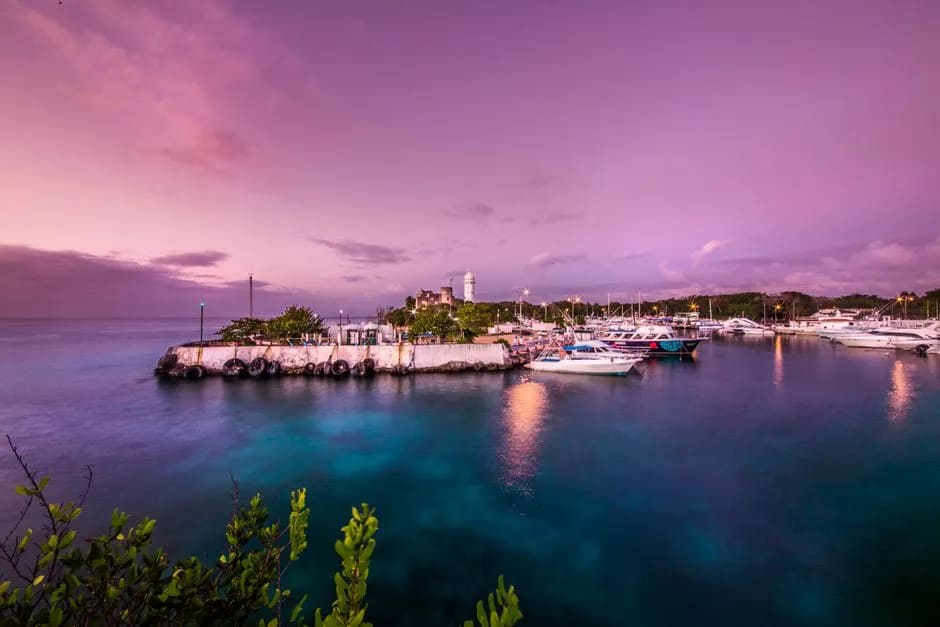
A day trip is possible but tight. One 2026 ferry guide recommends crossing from Playa del Carmen between 8:00 and 9:00 AM, when morning seas are calmest and the reefs are at their clearest.[18] It also advises booking island activities ahead and leaving a cushion before the last boat home.[18]
For a first stay, one dive guide suggests two nights on the island, two morning dives on consecutive days with a small group shop, and afternoons for beach clubs or the town.[6] Check the reef closure dates and the cruise calendar for your travel week, and the rest is mostly ferry times.