Summer 2026 was not a normal one for travelers who like warm weather. NOAA announced that it was the warmest summer on record for the Lower 48 in 132 years of record keeping.[1] The national average came in at 74.4 degrees, about 3 degrees above the 20th century average.[2]
That average hides a lot of variation. Some places run hot every year, and a few of them pushed well past their own norms this season. If you’re planning a June, July or August trip, these are the spots where the recent numbers say the weather could ruin the vacation.
Phoenix, Arizona
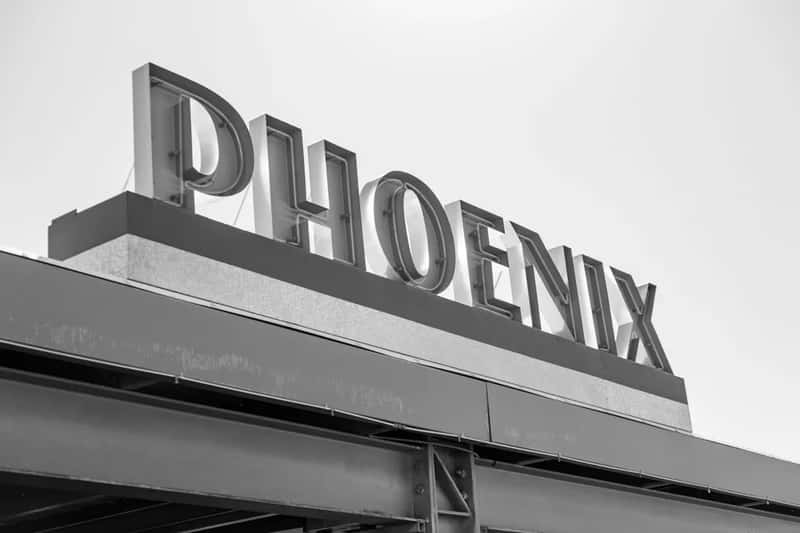
Phoenix is used to heat, yet 2026 stood out even by its standards. The city tied for its second hottest summer on record, with June through August averaging 97 degrees.[2] The five hottest summers in Phoenix history have all come this decade.[2] The summer also brought 39 days above 110 degrees.[3]
The heat showed up early and hit hard. The National Weather Service issued 47 excessive heat warning days in 2026, and the first one came on March 19, the earliest on record.[3] Phoenix firefighters logged 1,744 calls for heat related service from May through August.[3] Trails at South Mountain, Piestewa Peak and Camelback Mountain were closed.[3]
Las Vegas, Nevada
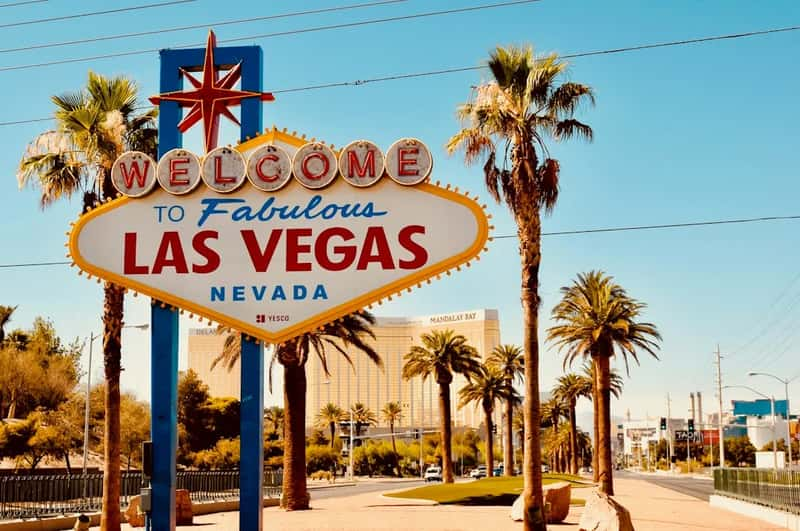
Las Vegas looks like a place where you can hide indoors, and mostly that’s true. The trouble starts when you step outside. The average summer temperature was 94.7 degrees, the second warmest summer on record in the valley.[4] August was the warmest August on record, averaging 96.3 degrees.[4]
Nights offered little relief. Data based on NOAA records show the year’s highest reading was 115 degrees on August 1.[5] During a late July heat wave, forecasters worried most about overnight lows that wouldn’t fall below 90 in many areas, when the average overnight low is 83.[6] The six day streak of lows at or above 90 was the longest ever recorded for the valley.[4]
Death Valley National Park, California
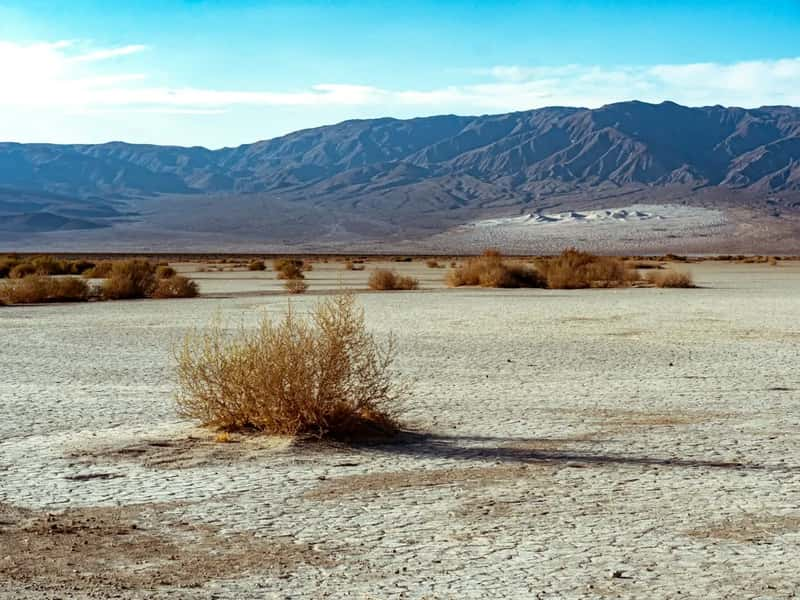
Death Valley is the obvious entry on this list, and plenty of people still go in July. In 2024, it set a summer record with an average high of 117.3 degrees, including 37 days over 120.[7] The highest temperature that summer was 129.2 degrees on July 7.[8] On July 24, 2026, the park reached 123 degrees.[6]
The danger isn’t only the afternoon. Nightly lows in summer often stay above 100 degrees, so the coolest time of day is usually just before sunrise.[7] In 2024, rangers responded to multiple life threatening heat incidents, including two fatalities where heat was a contributing factor.[8] The park advises visitors to stay within a 10 minute walk of an air conditioned vehicle.[8]
Miami, Florida

Miami’s heat is a different kind, and humidity is the reason. On August 18, 2026, the city tied its all time record of 100 degrees, the first time it had reached that level since July 21, 1942.[9] That day the heat index soared as high as 107 degrees.[10] The summer also included nearly 56 consecutive days of temperatures reaching at least 90 degrees.[11]
The long-term trend matters more than any single afternoon. Climate Central found that Miami now has 44 more days with above normal temperatures in summer than it did in the 1970s.[10] For June, July and August, the city has warmed by 2.6 degrees on average.[10] A dry summer across Florida added to the strain, with some spots nearly 15 inches short of their usual rainfall.[12]
Fort Lauderdale, Florida
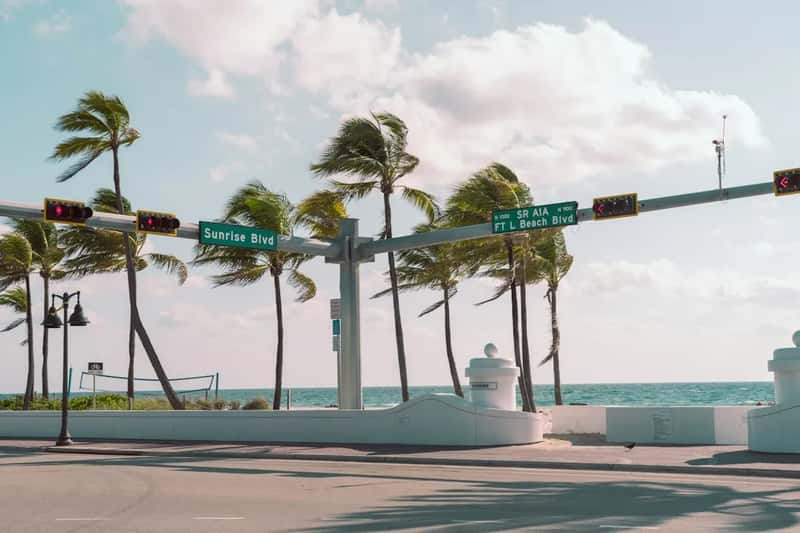
Just up the coast, Fort Lauderdale had its own record year. August became its hottest August on record, with an average temperature near 85.8 degrees.[11] On August 18, the city reached 98 degrees, matching a daily record.[11]
The weather service responded with a rare step. An extreme heat warning was issued for Miami-Dade and Broward counties the following day, as heat index values approached 112 degrees.[11] Across the season, repeated afternoon temperatures in the 90s and heat index readings above 100 degrees were common.[11] Beach days are possible, but the midday hours get hard to enjoy.
Orlando, Florida
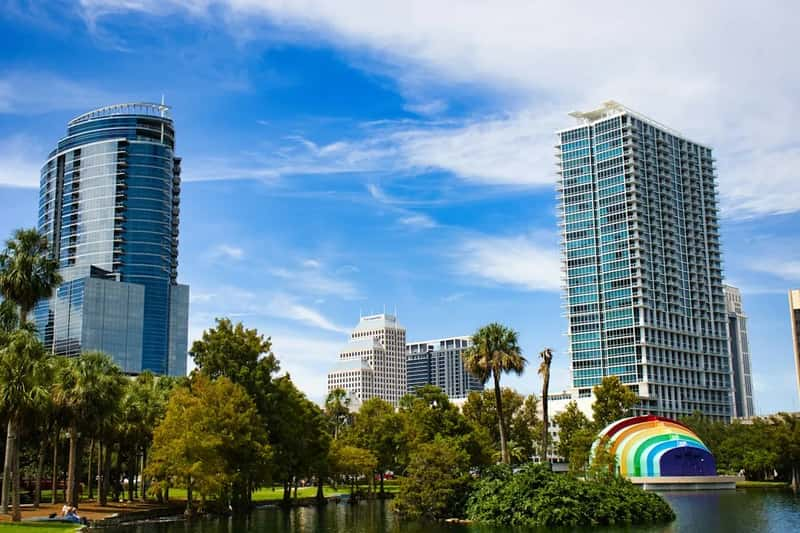
Orlando’s theme parks involve a lot of standing in lines outdoors, which makes the forecast matter. The city had one of its warmest summers in more than 130 years.[12] Florida as a whole finished meteorological summer with one of its five highest statewide average temperatures on record.[11]
The calendar didn’t help. Because Memorial Day fell as early as possible and Labor Day as late as possible, this was a 106 day summer.[12] In South Florida, a dry summer usually means a hotter than normal summer.[13] That fits a season in which rain came up short for most of the state’s major cities.
Tampa, Florida
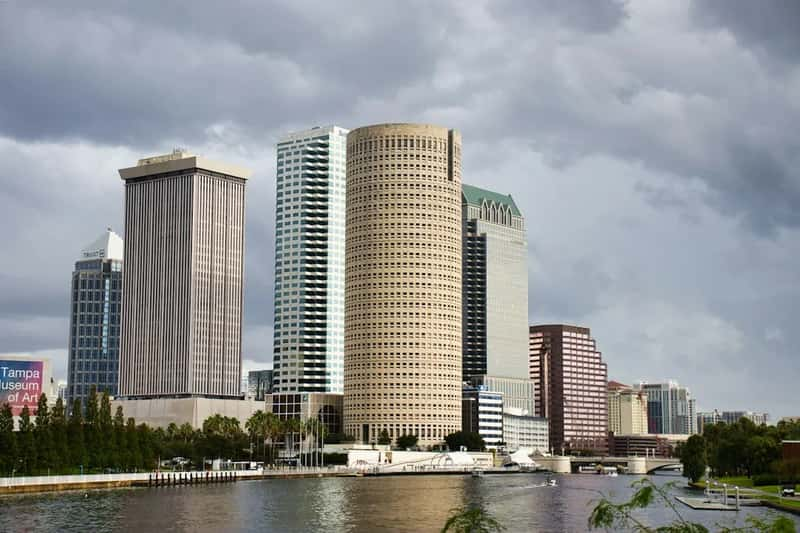
Tampa’s story is mostly about repetition. Reporting from WUSF on Florida’s summer noted that Tampa has seen 136 record highs against just one record low since 2020.[12] The same post listed Miami at 129 record highs against one record low.
Those counts suggest the heat isn’t a one season fluke. Florida’s record book is being rewritten, and almost all of it is on the hot side.[12] Pensacola was the lucky outlier on rainfall, while the rest of the state had record heat and a historic lack of water.[12] For a Gulf Coast trip, that makes late summer a risky bet.
Texas and Oklahoma

The Southern Plains took a beating during the August heat wave. The heat stretched from Texas to the Southeast and was caused by a stalled heat dome.[10] Kingfisher, Oklahoma, reached 112 degrees, a record high there for the date.[10]
Humidity pushed the danger higher in the wider region. Millions across the South faced a week of feels like temperatures above 100 degrees, with heat indices reaching 115 in some places.[1] Fox Weather also reported nearly 50 daily record high temperatures across the South.[1] Road trips through Dallas, Houston or Oklahoma City in August would have meant long stretches in a car with the air conditioning on.
Albuquerque and the Four Corners
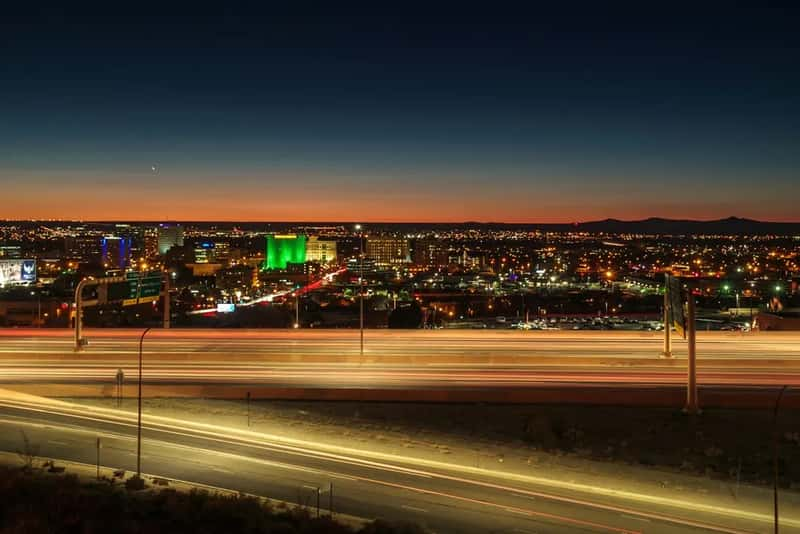
The Four Corners region doesn’t get the same attention as Phoenix, but it was part of the story. In July, a life threatening heat dome settled across the Four Corners and Desert Southwest.[1] Albuquerque climbed to 98 degrees, while Phoenix and Las Vegas were among the hottest cities.[1]
The records came in August and at night. California, Nevada, New Mexico and Colorado all recorded their warmest August average temperatures on record.[1] Average nighttime lows hit record highs in California, Nevada, Arizona, Utah, New Mexico and Colorado.[1] Canyon country hikes in the region offered little overnight cooling to make up for the daytime heat.