Travel has always carried a quiet bargain. Visitors bring money, and residents put up with the crowds. In a growing number of places, locals no longer think the bargain is fair.
Meanwhile, other countries are doing the opposite. They are cutting visa hurdles, building roads and running campaigns to bring more people in. Here are ten pairings, each setting a destination where residents have pushed back against a destination that wants more visitors.
1. Barcelona Pushes Back While Cyprus Leaves the Door Open

Demonstrators in Barcelona chanted against tourists and squirted them with water pistols in July 2024, and the city council counted some 2,800 people.[1] The protests returned in 2025. By early 2026, Barcelona had nearly doubled its hotel guest tax.[2] The mayor has also announced that more than 10,000 tourist apartment rentals will be banned by 2028.[3] The city still depends on visitors, since tourism accounts for 14% of its economy and 150,000 jobs.[4]
Cyprus sits at the other end of the scale. A study by the digital entertainment platform JB.com named Cyprus and Albania the most welcoming European countries, with no documented anti tourism protests and minimal regulatory pressure.[5] The study looked at protest intensity, media attention, tourist tax rates and visitor to resident ratios across 30 countries.[5] It’s one study from a commercial source, so treat it as a snapshot rather than a verdict.
2. Palma de Mallorca Draws a Human Chain, Albania Courts Visitors
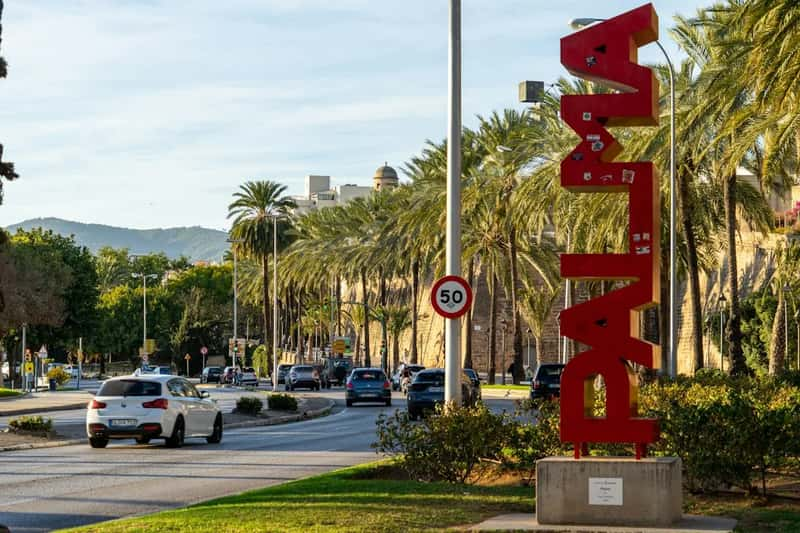
The Balearic Islands are among the places under the greatest strain[6] from tourism. This summer, protesters in Palma formed a human chain calling for stronger government action on overtourism.[6] In June 2025, demonstrators in Barcelona and on Mallorca used water pistols on unsuspecting tourists while demanding a rethink of an economic model they believe fuels a housing crunch.[7] Housing is the thread that runs through most of these protests.
Albania presents a more complicated picture. Alongside Cyprus, it was rated among Europe’s most welcoming countries for visitors in the JB.com study.[5] One travel roundup notes that many Western travelers can enter visa free, and prices remain low compared to nearby countries.[8] Albanians have protested too, but the target is a development, not visitors. Protesters faced police in Tirana on 8 September 2026 during a demonstration against a Trump family tourism project.[6]
3. Ibiza Defends Its Beaches, Vietnam Lowers Its Barriers

On Ibiza, the complaint is about shared space. The Ibiza Youth Association held a beach based community protest this summer, asking that public spaces be protected so locals as well as tourists can enjoy them.[6] The island was also named among the Spanish cities where coordinated protests were planned in 2025.[9] The demand isn’t to close the island, only to keep it usable for the people who live there.
Vietnam has gone the other way. It received more than 21 million international visitors in 2025, a record for the country.[10] Officials attribute part of the rise to expanded visa exemptions for travellers from several European countries, including the UK, Germany and France.[10] Arrivals from Europe rose nearly 39% after the policy change.[10]
4. Venice Charges Day Trippers, Morocco Keeps Growing
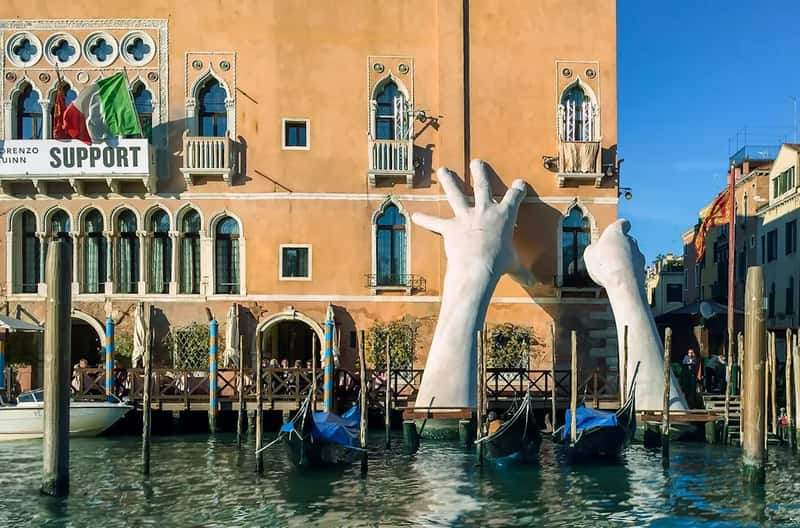
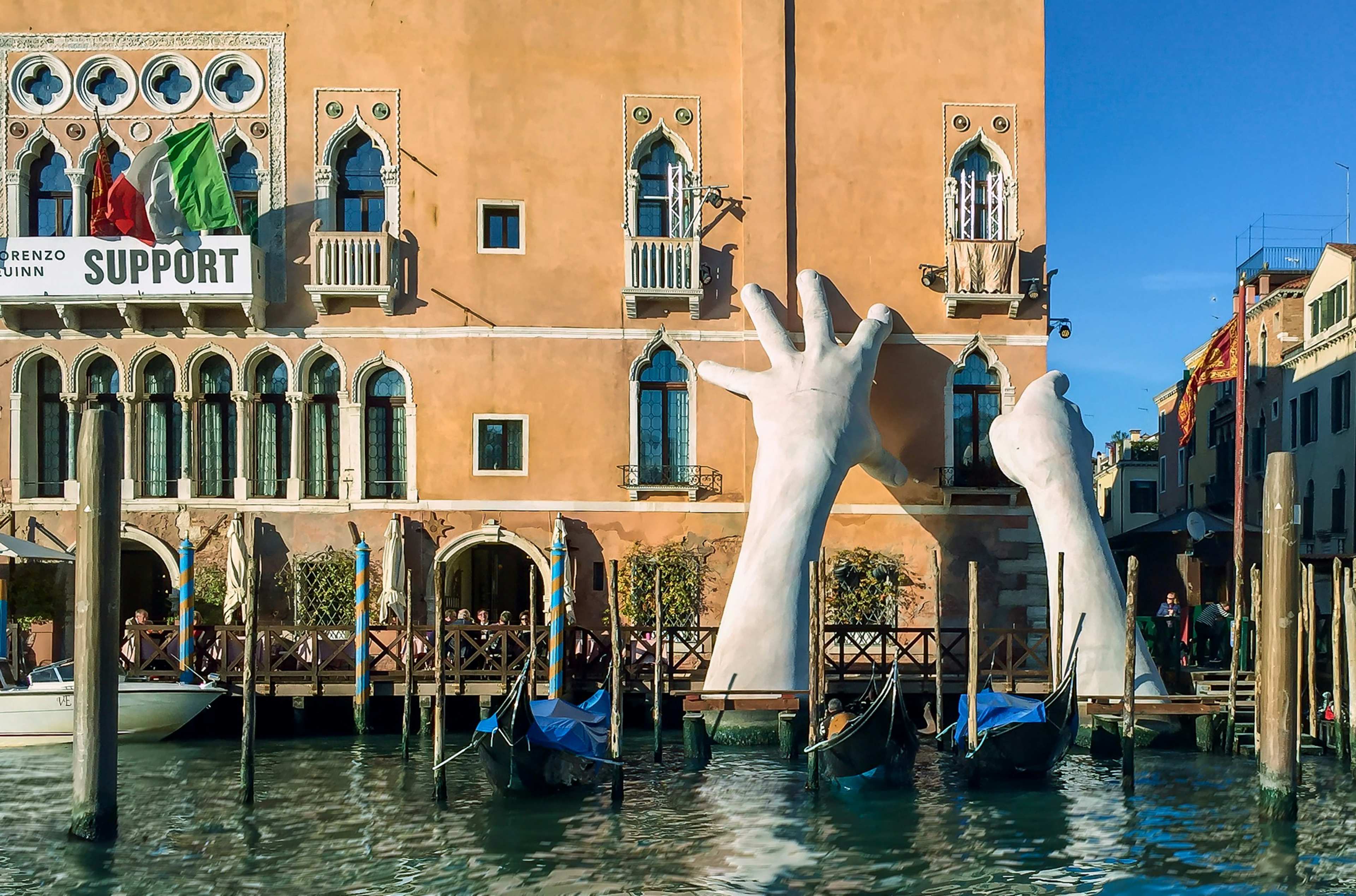
Venice has long been the symbol of a city outnumbered by its own visitors. It has reintroduced specific dates, Friday to Sunday in April, May, June and July, when day trippers pay a tax.[5] Residents have protested for years, and around 2,000 people marched against tourism there in July 2017.[3] Venice was also among the cities where protests took place in June 2025.[11]
Across the Mediterranean, Morocco is pulling in more people. It gained about 53% more international tourists between 2019 and 2025, according to Visual Capitalist and OECD data reported by Euronews.[12] In the first quarter of 2026 alone, tourism rose 7% year over year, according to Morocco World News.[13] One travel outlet pointed out that Morocco is a country that wants more people to visit,[13] in contrast with its European neighbors.
5. The Canary Islands Say Enough, Brazil Sets Out the Welcome Mat
The Canary Islands have turned into a protest hub. A secretary of the Tenerife Association of Friends of Nature, who helped organise Tenerife’s overtourism protests in October 2024, believes authorities are still not doing enough.[14] More broadly, Spain registered anti tourism protests in more than 40 cities, from Barcelona to the Canary Islands.[5] That is a wide footprint for a single country.
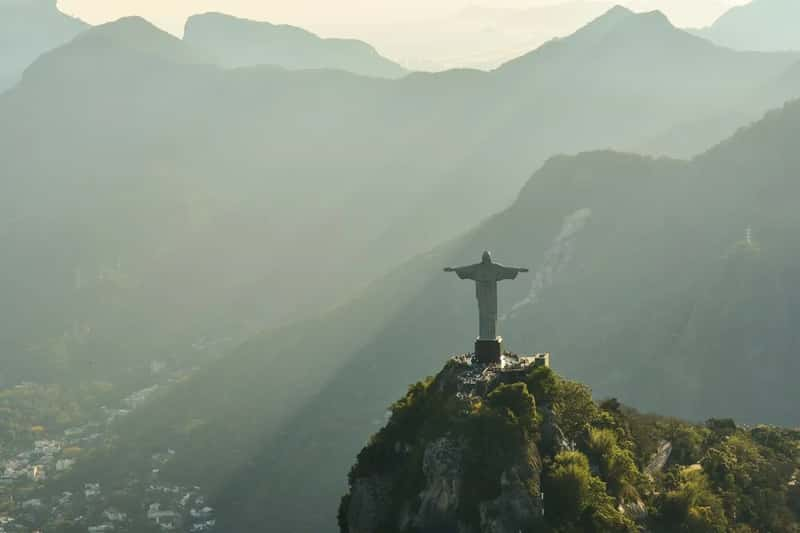
Brazil is still building its visitor numbers. It welcomed more than nine million visitors in 2025, the fastest growth in international tourism that year,[10] though that remains modest for a country of its size.[10] Euronews data puts Brazil’s gain over 2019 at 46%.[12] One report says Brazil’s tourism is on a positive trajectory thanks to efforts to make it sustainable and easy to explore.[13]
6. Lisbon Joins the Marches, Namibia Invests in the Road
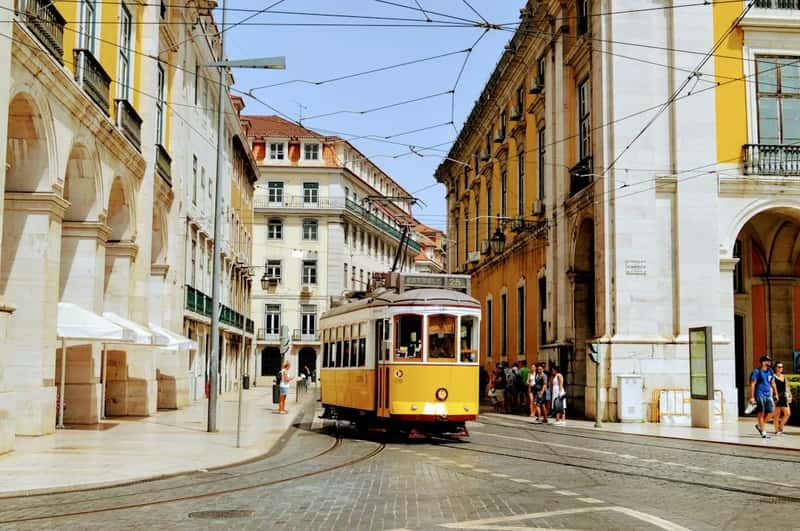
Lisbon is no longer a quiet alternative to Barcelona. In June 2025, coordinated protests were planned in Lisbon, along with Barcelona, Venice and other cities.[9] Hundreds of locals, some holding water guns, gathered across Spain, Italy and Portugal that Sunday.[11] Portugal has also seen strong growth, as Portugal, Spain and France all recorded notable increases in international arrivals from 2019 to 2025.[12]
Namibia is spending to attract visitors rather than manage them. Since 2019, more than N$136m has gone into improving roads in Etosha and Namib-Naukluft national parks.[10] The Namibia Tourism Board has also launched a campaign aimed at travellers from Asia, the Middle East and North America.[10] The pitch is open space, which is the one thing Lisbon’s old streets can’t offer.
7. Málaga Speaks Up, Ireland Looks for More Visitors
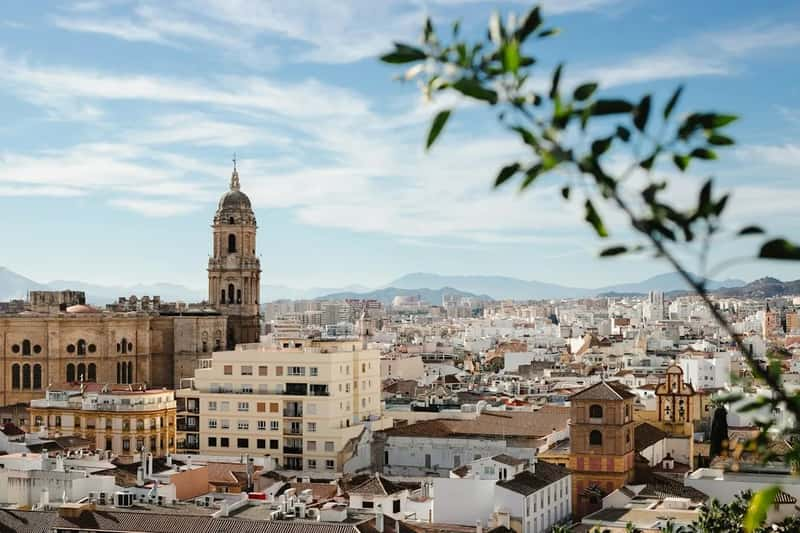
Málaga joined the list early. Palma de Mallorca and Málaga both saw anti tourism protests in May and June 2024.[3] Spain was projected to host over 100 million tourists for the first time in 2026.[6] That gives local frustration a lot of material to work with.
Ireland has the opposite concern. Visitor numbers fell by 3% in 2025, and the Irish government is allocating millions of dollars to the tourism industry.[13] It’s a reminder that overtourism is a local problem, not a universal one. Plenty of places are still trying to fill their hotels.
8. Nice and Cannes Cap the Cruise Crowds, Lithuania Grows Slowly
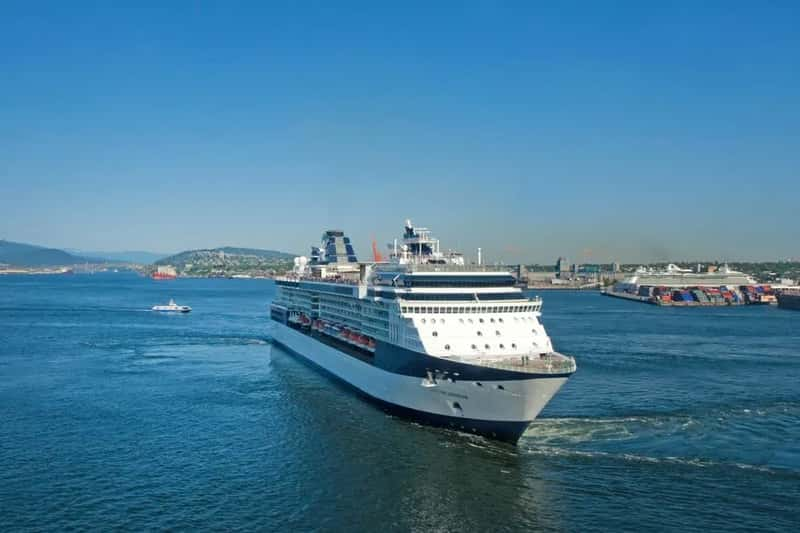
On the French Riviera, cruise ships have become the target. Nice and Cannes began limiting cruise ship passengers coming into the towns in summer 2026.[15] Euronews reports that France has seen protests in Marseille, Nice and Paris, alongside growing activism against cruise ships.[5] The resistance is visible on both the mainland and the coast.
Lithuania is courting visitors, though with some restraint. In 2024 it adopted its first national Tourism Roadmap, which aims to double tourism’s contribution to the economy by 2030.[10] International arrivals grew by 4.4% in 2025, and Lithuanian airports recorded their highest passenger numbers.[10] Vilnius was named European Green Capital for 2025.[10]
9. Brindisi Fights for Beach Access, Saudi Arabia Posts the Biggest Gains
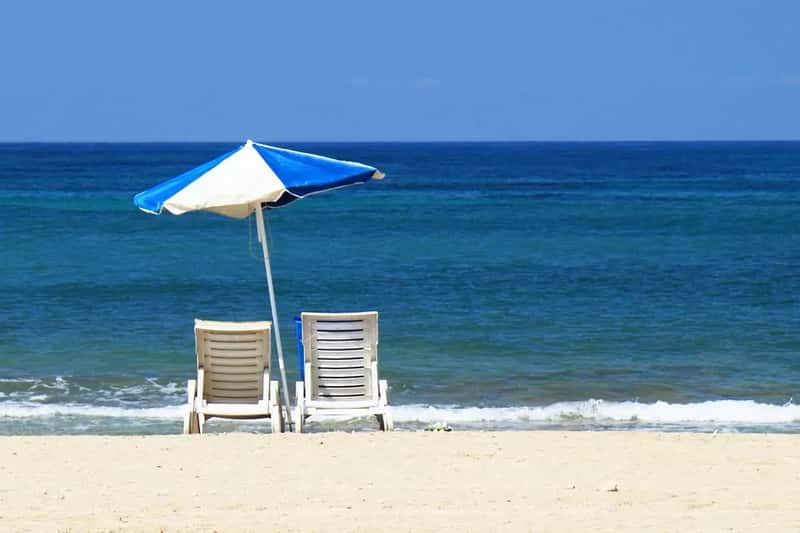
Brindisi shows how protests are shifting from crowds to corporate projects. Protests erupted in Italy over plans for a Four Seasons resort there.[6] More broadly, Italian civil society is campaigning for equal access to the country’s many privately controlled beaches.[6] The complaint is less about tourists than about who gets the coastline.
Saudi Arabia sits at the far end of the spectrum. It has seen the biggest surge in international arrivals since 2019, with Morocco, Egypt and Brazil also recording major gains.[12] The increase is about two thirds above 2019 levels.[12] The growth comes as travellers look beyond the traditional holiday hotspots.
10. Athens Raises Its Voice, Colombia Expands Its Reach
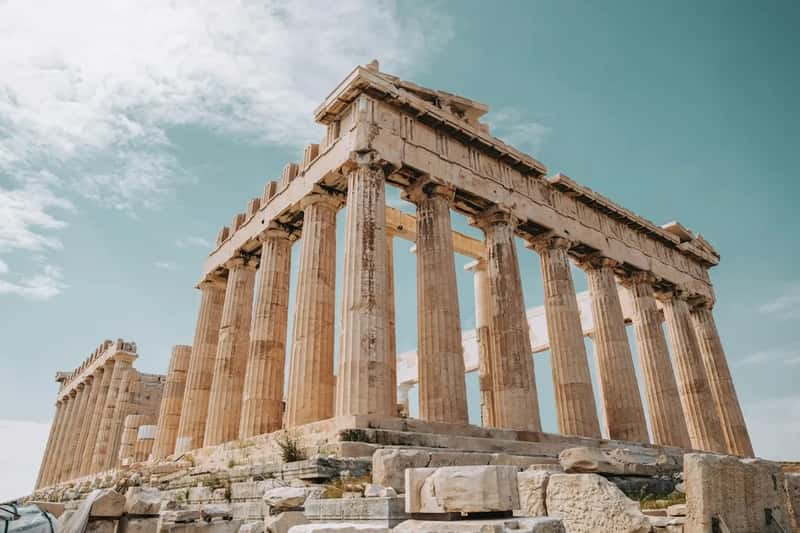
Athens was part of the 2024 wave. Residents from Amsterdam and Athens to Venice, Barcelona and the Canary Islands spoke out about overtourism that year.[14] Greece has since tightened its rules. It set a stricter daily cap on cruise crowds at Santorini for the 2026 season, and both Greece and Spain now charge tourist taxes that land on visitors’ bills.[16]
Colombia is pushing the other way. It gained about 45% more tourists between 2019 and 2025,[12] placing it among the fastest growing destinations in the Euronews ranking. A travel roundup notes that its tourism campaign targets visitors from around the world.[8] For now, the country has more room to grow than to restrict.