At 3 a.m., a cruise ship full of sleeping guests is anything but asleep. Between 2 and 5, the vessel is steering, repairing, scrubbing, restocking, and watching itself through crew whose names never appear on the daily schedule.
Here are 17 things happening while the corridors go quiet, from the routine to the quietly tense. The last one explains why the other sixteen exist at all, and it isn’t what most passengers would guess.
#17 – The Watch System Itself Runs on a Centuries-Old Clock
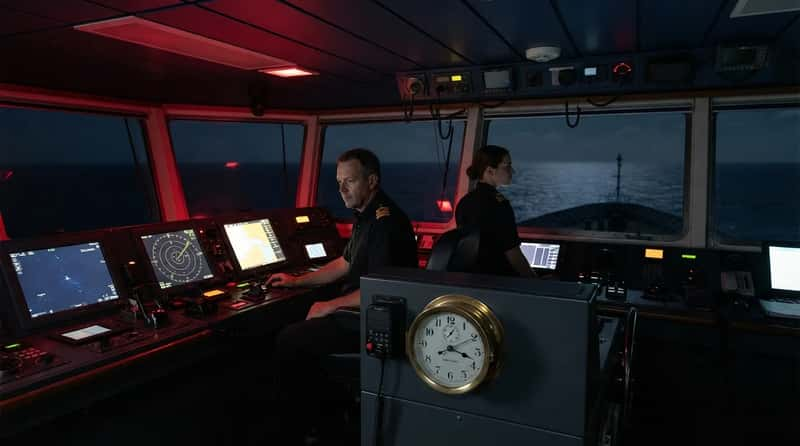
A watch system assigns regular periods of watchkeeping duty aboard ships. It lets the crew run the vessel 24 hours a day while giving each person time to rest.1
A common setup uses four-hour watches: 4 to 8, 8 to 12, and 12 to 4, repeated in the afternoon and evening.2 That means the 12-to-4 team owns most of your 2 a.m. to 5 a.m. window, with the next team coming on at 4.
The midnight watch can feel almost ghostly, with most of the ship asleep. It’s also a stretch when tiredness is a well-known risk, which is why the system is built so carefully.
That rotation shapes every other item here. Each one happens inside it, and each one is someone’s specific, documented job.
#16 – A “Dead Man” Alarm Quizzes the Bridge Officer All Night
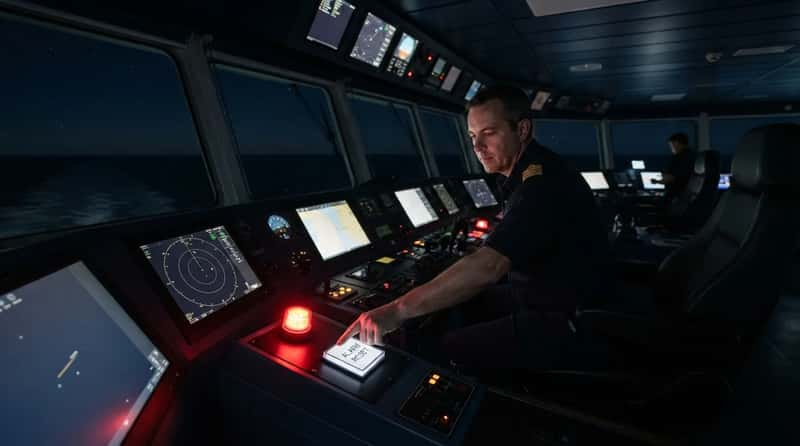
A bridge navigational watch alarm system is designed to sound if the watch officer falls asleep, is incapacitated, or is away too long. While the autopilot is on, the officer has to signal presence every 3 to 12 minutes in response to a flashing light.3
Many in the industry call it the dead man alarm. If the officer doesn’t respond, the alarm escalates – first on the bridge, then to other officers and the captain’s cabin.4
It’s the ship’s built-in check on the person who is supposed to be checking everything else. Anyone who assumed the bridge runs itself overnight just got corrected.
The alarm keeps one officer accountable. The next item is about what that officer is actually watching.
#15 – The Night Bridge Is a Working Control Room, Not a Dark Cockpit
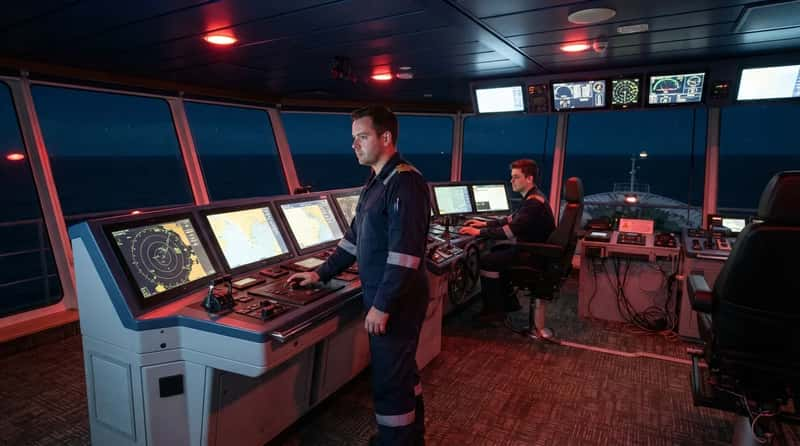
Forget the dark, silent room from the movies. Radar and AIS run all night, tracking other vessels, the ship’s position, and the planned route.
Officers constantly compare what the screens say with what they can see through the windows. The bridge is manned 24 hours a day as the operational center of the ship.
When the captain is resting, the watchkeeping team handles safe navigation, collision avoidance, traffic and weather monitoring, alarms, and coordination with the engine room. At 3 a.m., the officer of the watch is the person making the navigation calls.
At a Glance
- Radar and AIS track nearby ships, position, and route all night.
- Officers cross-check every screen against what they see outside.
- The bridge is staffed 24 hours a day, with no off-hours.
- The engine room is one of the teams the bridge coordinates with.
#14 – Someone Is Posted for One Job: Just Looking Outside
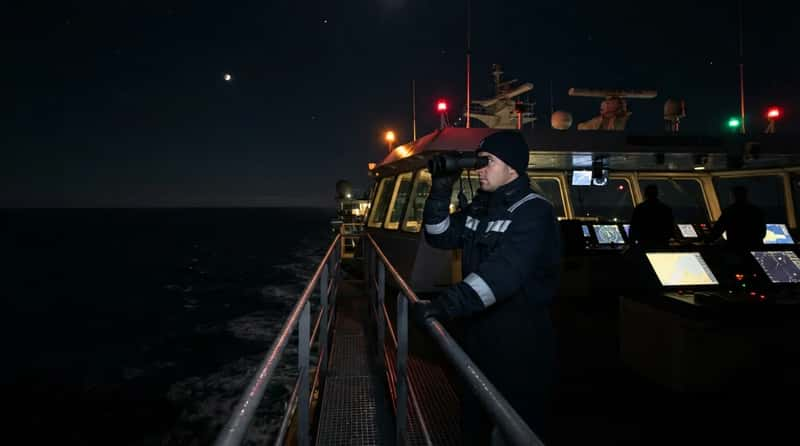
A typical bridge watch includes two deck officers and two able seamen. The Officer of the Watch is responsible for maintaining continuous visual and audible lookout and for taking the helm when required.
One of those able seamen has a single assignment: to look. International collision regulations (COLREGS Rule 5) require every vessel to keep a proper lookout by sight and hearing, as well as by all available means, to fully appraise the risk of collision.5
That human lookout matters because ships can run into floating containers, debris, and other unlit hazards that radar may not catch. Eyes on the water are still the backup for every screen on the bridge.
The bridge team keeps the ship pointed in the right direction. Two decks down, a different team is keeping it running.
#13 – The Engine Room Is Manned Around the Clock, Every Night
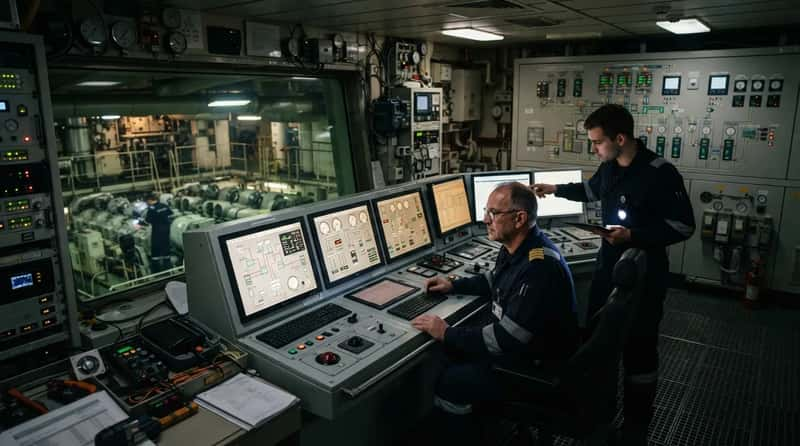
The engine room is manned 24 hours a day, just like the bridge, by dedicated engineer watchkeepers. The senior engineer watches the plant on control-room screens while a junior engineer officer of the watch is down in the machinery spaces.
They continuously check temperatures, pressures, RPM, and fluid levels across the main engines and all auxiliary systems. One unnoticed temperature spike at 3 a.m. can turn into a late arrival, or something much worse.
Any malfunction or unusual reading must be reported immediately to the Officer of the Watch.
The engineers log their watch hours carefully. So does another team, working in a very different part of the ship.
#12 – Hourly Rounds Take a Crew Member to Places You’ll Never See
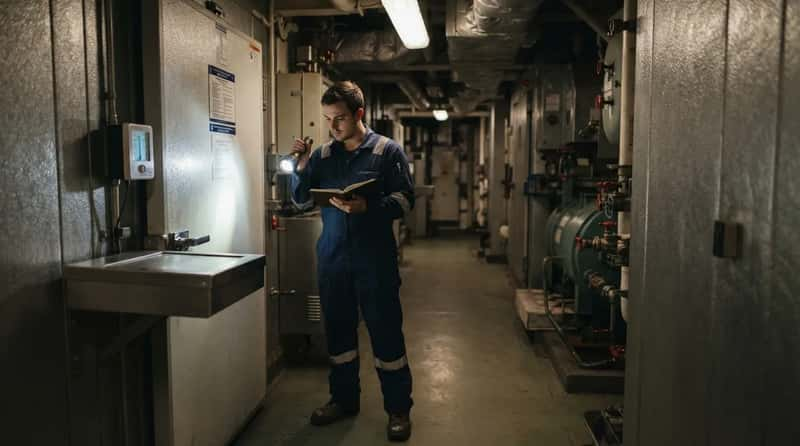
One nightwatch job listing describes hourly safety rounds of designated checkpoints. Those rounds include engine rooms, freezers, and fridges, with readings recorded in logbooks.
A warm machine, a propped door, or a failing cooler is far easier to deal with at 3 a.m. than at noon with a full dining room waiting. Those rounds aren’t casual strolls – they’re documented, timed, and reviewed.
Each checkpoint entry is a record of what was checked and when. So if you ever wondered why the ice cream stays frozen, someone with a flashlight and a logbook is part of the answer.
Worth Knowing
- Rounds happen hourly, not just once a night.
- Checkpoints include engine rooms, freezers, and fridges.
- Readings go into logbooks, so problems leave a paper trail.
- Catching a fault overnight keeps it from surfacing at breakfast.
#11 – Security Writes a Night Report Nobody Ever Posts
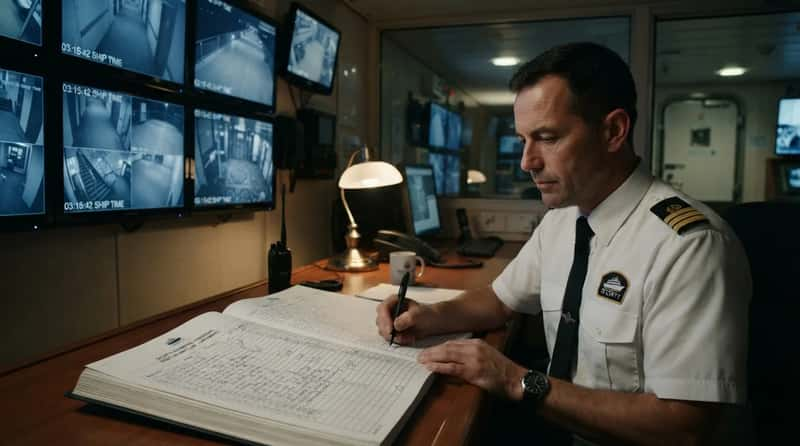
Cameras do part of the watching. Ships use extensive CCTV across hallways, elevators, casinos, and public decks, and monitoring matters more at night, when visibility drops and alcohol has had time to work.
Every night also produces a written record that passengers never see. Guards prepare a nightly activity log, and the Security Officer compiles the Night Report.
That report covers incidents, complaints, and irregularities – and it goes to senior management, not the marketing department. A ship carrying thousands of guests is essentially a small floating city, and the overnight rotation handles everything from noise complaints to genuine emergencies.
One more person on board holds a role that is part security officer, part hotel manager, and part hall monitor – all night, every night.
#10 – A Night Watch Officer Guards the Door Until Morning
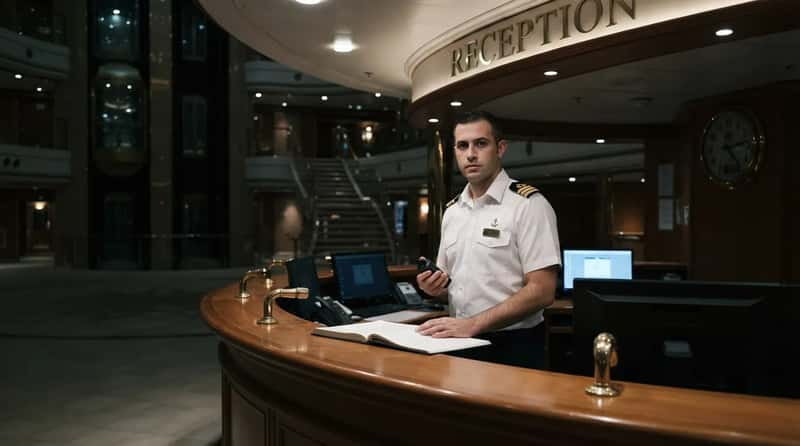
Some ships post a dedicated night watch person who represents management until morning. One job listing gives the shift as 10 p.m. to 8 a.m.
Duties include locking entrance doors when the ship sits stationary overnight and making sure no visitors come aboard. In port, that door is a key point of entry – and the night watch officer is the one controlling it.
The role is also part referee, enforcing crew-only rules in the mess room and crew bar. The person checks with the Hotel Manager on special guest requests such as wake-up calls and stays friendly with guests at Reception.
At 3 a.m., this is the person you’d actually find at the front desk.
#9 – Engineers and Repair Crews Fix the Ship While Guests Sleep
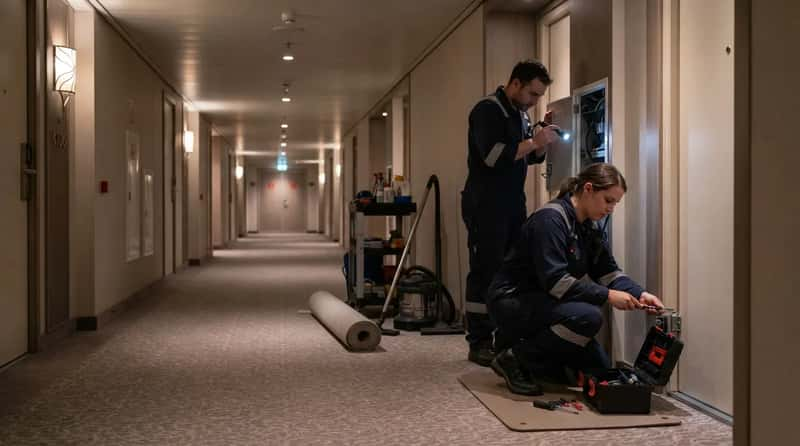
A cruise ship is under constant wear from salt air, vibration, humidity, and heavy foot traffic. Overnight maintenance teams handle paint touch-ups, plumbing repairs, lighting swaps, and door adjustments while guest areas are mostly empty.
Engineers also use these hours to service HVAC systems, test equipment, and inspect lifeboat mechanisms, with noise carefully managed even though brief vibrations sometimes slip through. The goal is that you never know it happened.
#8 – The Kitchens Get Scrubbed Before Breakfast Even Exists
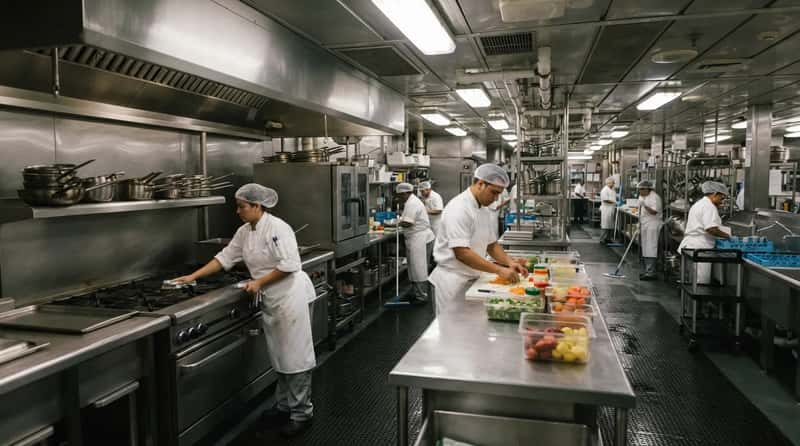
The buffet you wander into at 7 a.m. was built while you slept. Overnight teams deep-clean kitchens, sanitize public spaces, restock bars, and prepare breakfast service before dawn.
Crew members separate ingredients, rotate stock, and label items so the morning rush runs smoothly. The early hours are one of the few times a busy galley is quiet enough to clean properly.
Quick Compare
- What you see at 7 a.m.: a spotless buffet, full coffee urns, stocked bars.
- What happened at 3 a.m.: deep cleaning, stock rotation, labeling, and prep.
- Why it works: the galley is quiet enough to be cleaned properly.
The coffee that’s hot and fresh when you arrive was set up by someone who hasn’t been to bed.
#7 – The Laundry Operation Never Stops

Cruise passengers go through huge volumes of towels, sheets, napkins, uniforms, and table linens every day. Overnight laundry teams wash, dry, press, fold, and sort items for cabins, spas, restaurants, and crew areas.
A large cruise ship can process tens of thousands of linen items a day, and the quiet hours help keep that machine moving. The towel animal on your bed tomorrow may well have gone through a commercial press sometime around 3 a.m.
#6 – The Least Glamorous Work on Board Happens After Midnight
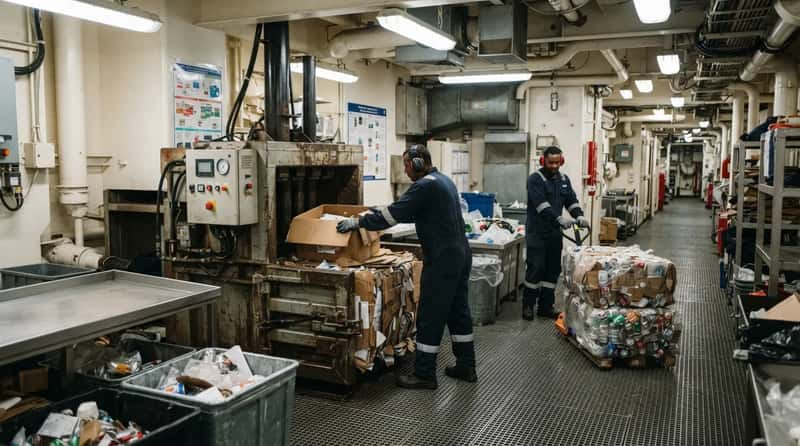
A cruise ship is a floating town, and a town produces a lot of waste. Crews are sorting, handling, and treating trash and wastewater for thousands of people around the clock.
This is the item cruise brochures skip entirely, but it’s among the most consequential. Ships are governed by MARPOL, the international treaty that controls what can be discharged and where.6
Staying within those rules is a nonstop job, and quiet overnight hours are a natural time for heavy work that guests would rather not notice.
#5 – The Clocks Change While You’re in Bed
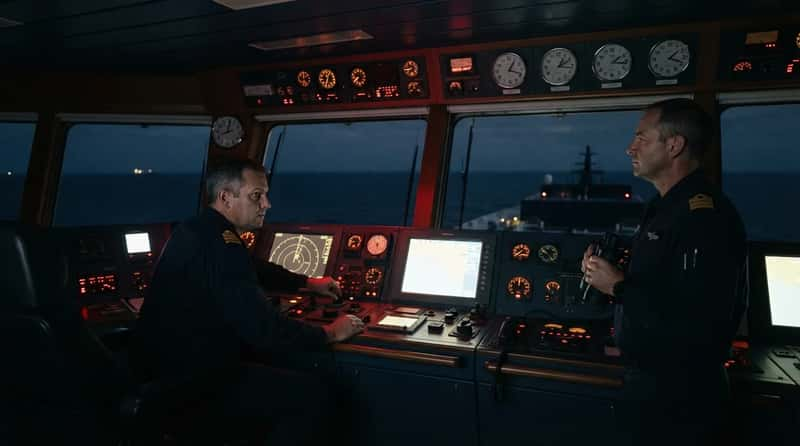
On many itineraries, the ship’s clocks change overnight. Eastbound routes generally cost passengers an hour of sleep, and westbound routes give one back.
The change is meant to be painless for guests, but the crew on shift simply works a shorter or longer rotation. If your phone jumps to local network time, it may disagree with the ship’s posted schedule.
The ship’s official clock is what your excursion bus runs on. Check the daily schedule card, not your phone.
#4 – Port Arrival Prep Starts Hours Before You Wake Up
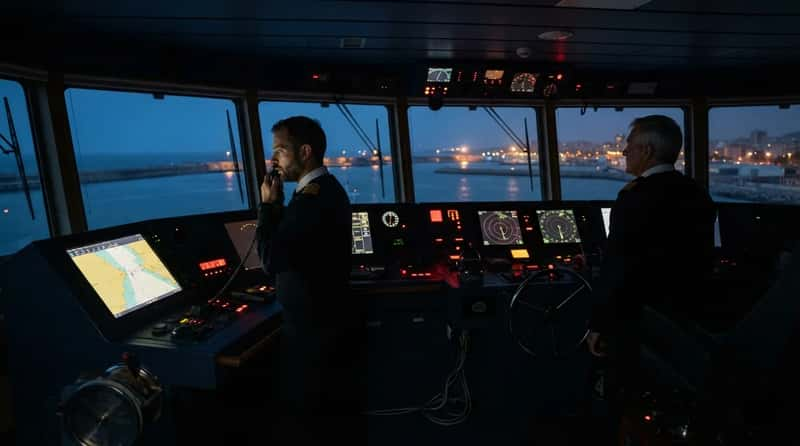
If the ship is due into port early, work ramps up overnight. The engine room readies machinery and technical systems, and mooring teams move into position.
Docking a large cruise ship takes coordination between the bridge, the engine room, thruster operators, and the port’s pilot, and the sequencing starts well before first light. If your itinerary shows a 7 a.m. arrival, the people making it happen were awake long before you.
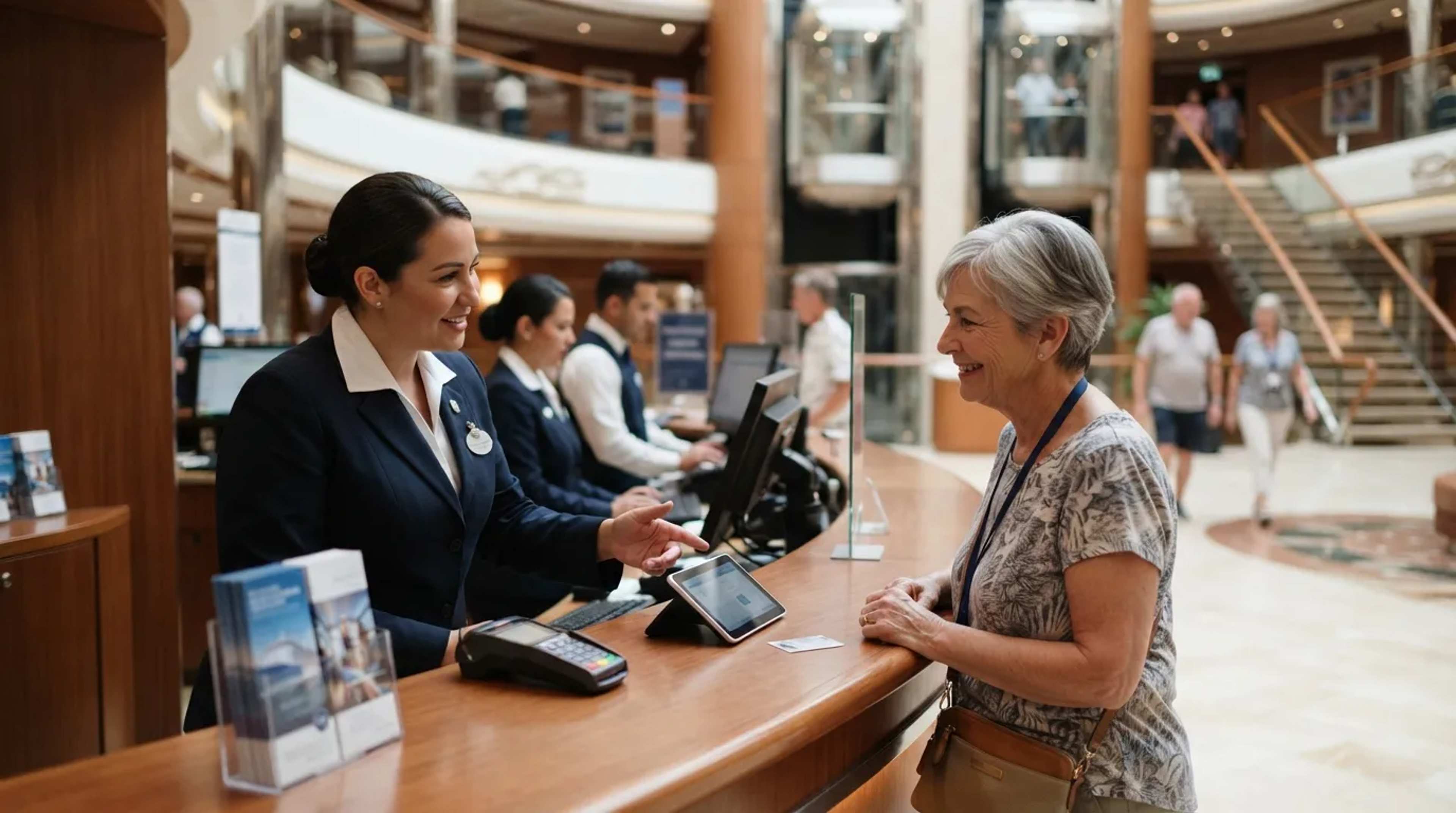
The overnight front-desk team also prepares disembarkation paperwork the night before.
#3 – Crew Eats, Rests, and Sometimes Trains in These Hours
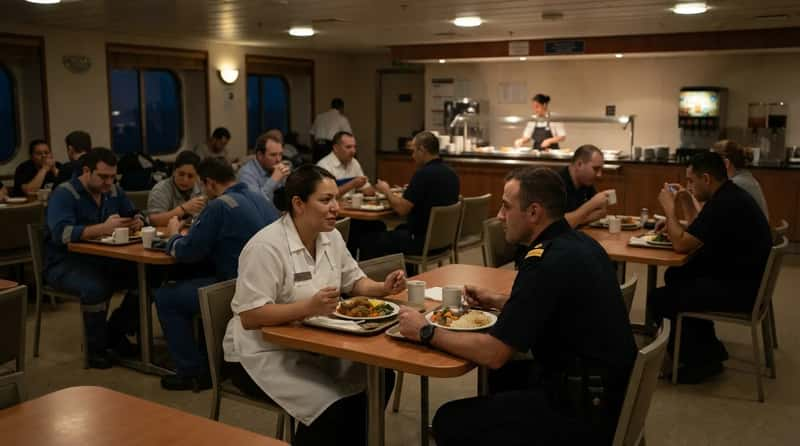
The crew mess typically runs extended hours with multiple service windows, including a late-night meal for people coming off evening and overnight shifts. Not all overnight activity is manual labor.
Some crew use late hours for training, emergency drills, safety briefings, and departmental handovers, especially when daytime is packed with passenger-facing work. The crew mess at 3 a.m. is one of the few places where the cook who set up breakfast and the guard who just finished rounds sit in the same room.
Supervisors rotate watch schedules to reduce burnout and keep people alert. The whole system only works if the people running it can function.
Two items are still ahead. One is the written record nobody publicizes, and the other is what makes this whole operation worth running.
#2 – The Ship’s Log Gets Updated All Night Long
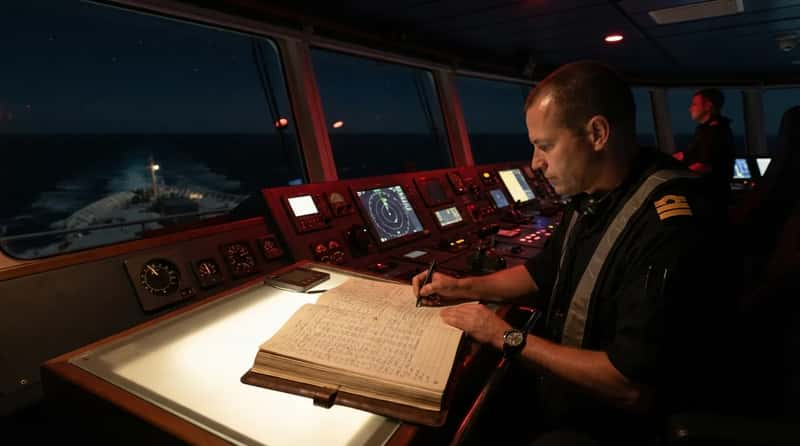
Throughout every watch, the officer on duty writes in the ship’s official log. The officer of the watch also supervises the watch, conducts night rounds, and confirms that safety precautions are being followed.
That log is a legal document recording the ship’s position, speed, course, weather, incidents, alarms, and actions taken. If anything goes wrong – at 3 a.m. or any other time – it’s among the first things investigators examine.
Night watch staff must also follow security, fire, and safety procedures and report all unusual matters to the captain and hotel manager. The log is where that reporting becomes formal.
Fast Facts
- The log is a legal document, not a casual diary.
- Entries cover position, speed, course, and weather.
- Incidents, alarms, and actions taken are written down too.
- Investigators look at it early when something goes wrong.
It’s the paper trail behind everything else on this list, and it leads straight to the last item.
#1 – When Something Goes Wrong, the Ship Whispers
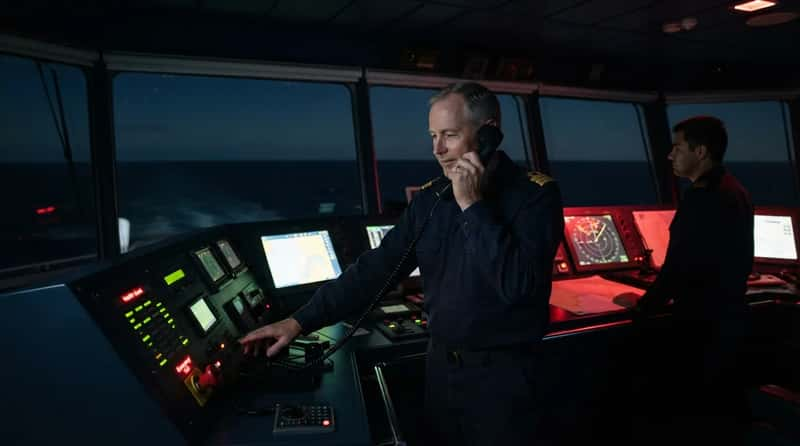
The most important thing a cruise ship does after midnight is stay ready for the worst. If a guard finds a problem on rounds, the first move is to tell the bridge.
All unusual matters go to the captain and hotel manager. The chain is fast, documented, and rehearsed – because it has to be.
That’s where the whisper comes in. Many cruise lines use coded phrases over the public address system so crew can mobilize without sending thousands of guests into a panic.
The alarm panel is checked multiple times per shift, and the nautical department and hotel manager are called immediately in an emergency. Most cruises feel uneventful not by luck, but because every person on this list is working to keep them that way.
That’s why the overnight shift matters more than anything in the daily program. The shore excursion, the dinner reservation, the 7 a.m. port arrival – none of it happens without the people who were awake at 3.
A cruise ship isn’t a hotel that happens to float. It’s a vessel that happens to have hotels, restaurants, and spas on it, and the vessel’s needs don’t pause because the guests have.
The next time you step out early to watch the ship ease into port, remember that somebody has been watching it for you all night.
Bonus: The Two-Minute Habit That Puts You on the Crew’s Side
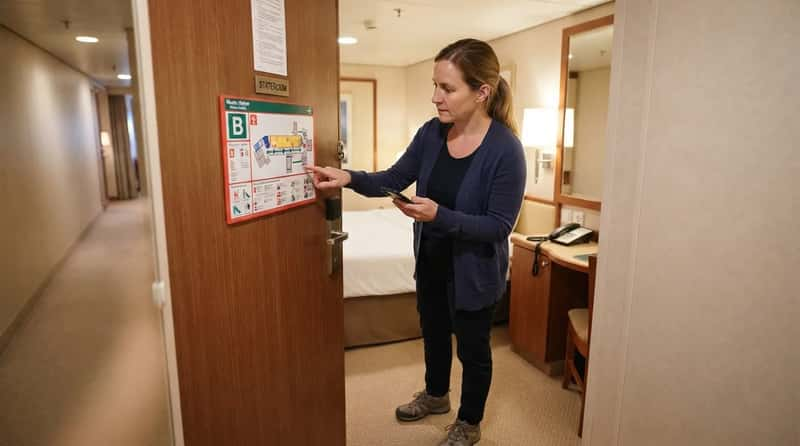
Every system above only works if passengers know their own part. On your first evening, spend two minutes on this routine, and you’ll be better prepared than most guests.
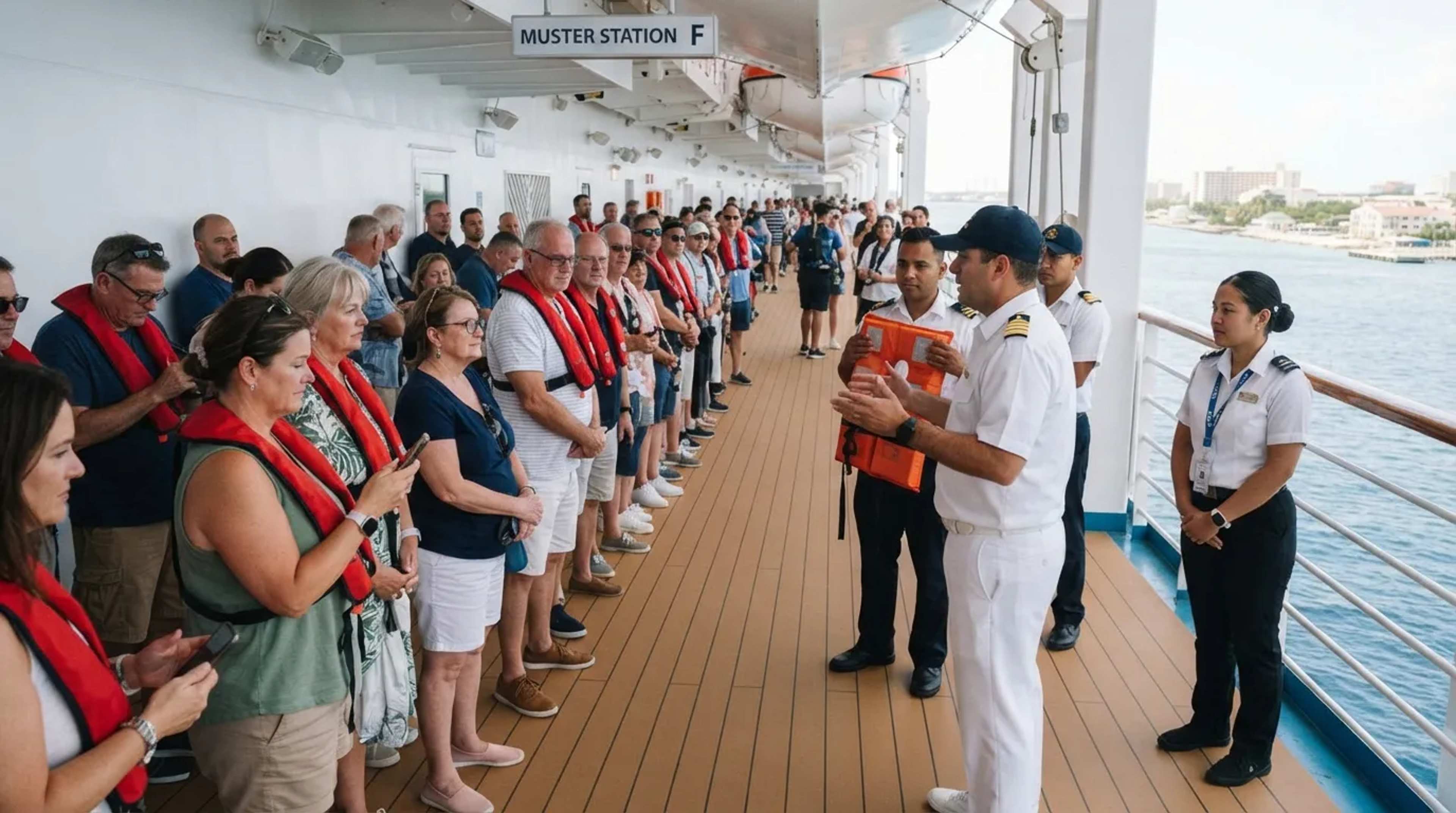
- Find your muster station tonight. It’s printed on the back of your cabin door or on a nearby safety card. Walk the route from your cabin once, in daylight, so you don’t need a map at 3 a.m.
- Learn the general emergency signal. The international signal is seven short blasts followed by one long blast on the ship’s alarm. If you hear it, go to your muster station and follow crew instructions, since details vary by cruise line.
- Save the ship’s emergency number. It’s listed on your cabin phone or in your daily guide. Program it into your own phone’s notes so you can find it fast in the dark.
- If you ever see someone go overboard, shout, point, and never take your eyes off them. Alert the nearest crew member or call the emergency number immediately, and throw a life ring if one is within reach.
Keeping eyes on a person in the water is one of the most valuable things a passenger can do, because the bridge team can only respond to what it’s told. That’s the whole point of the night watch: the more people paying attention, the safer the ship is.
- Watchkeeping Overview: https://en.wikipedia.org/wiki/Watchkeeping
- Engine-Room Watchkeeping System: https://www.pfri.uniri.hr/bopri/documents/17a_Manningsystem-Engineroom.pdf
- BNWAS Overview: https://en.wikipedia.org/wiki/Bridge_navigational_watch_alarm_system
- Marine Insight BNWAS: https://www.marineinsight.com/marine-navigation/what-is-bridge-navigational-watch-alarm-system-bnwas/
- COLREGS Rule 5 Lookout: https://www.marinepublic.com/blogs/training/345897-colregs-rule-5-by-all-available-means-and-full-appraisal
- EPA Cruise Ship Discharge Report: https://19january2017snapshot.epa.gov/sites/production/files/2015-11/documents/cruise_ship_discharge_assessment_report.pdf