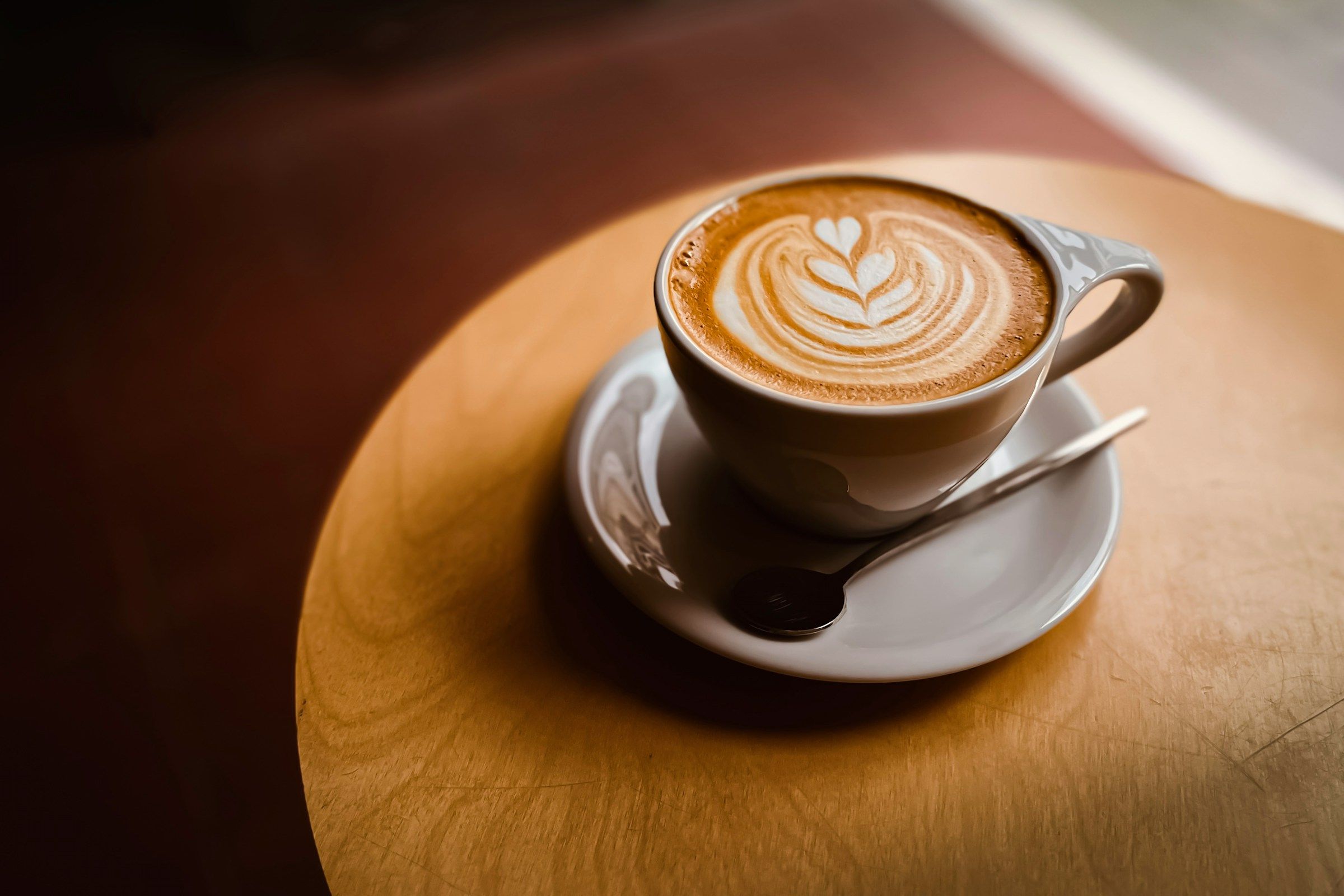
Most travelers assume a famous coffee country will serve a great cup on every corner. The reality is patchier. Some cities pour excellent coffee at nearly any counter, while others charge a premium for a table or make you work a little harder to get what you want.
Knowing the local habits matters as much as knowing the café names. Where you stand, when you visit and how you order can change your cup and your bill. Here’s a practical tour through the places that reward coffee fans, along with the spots where the experience gets complicated.
Melbourne, Where Coffee Is a Daily Argument
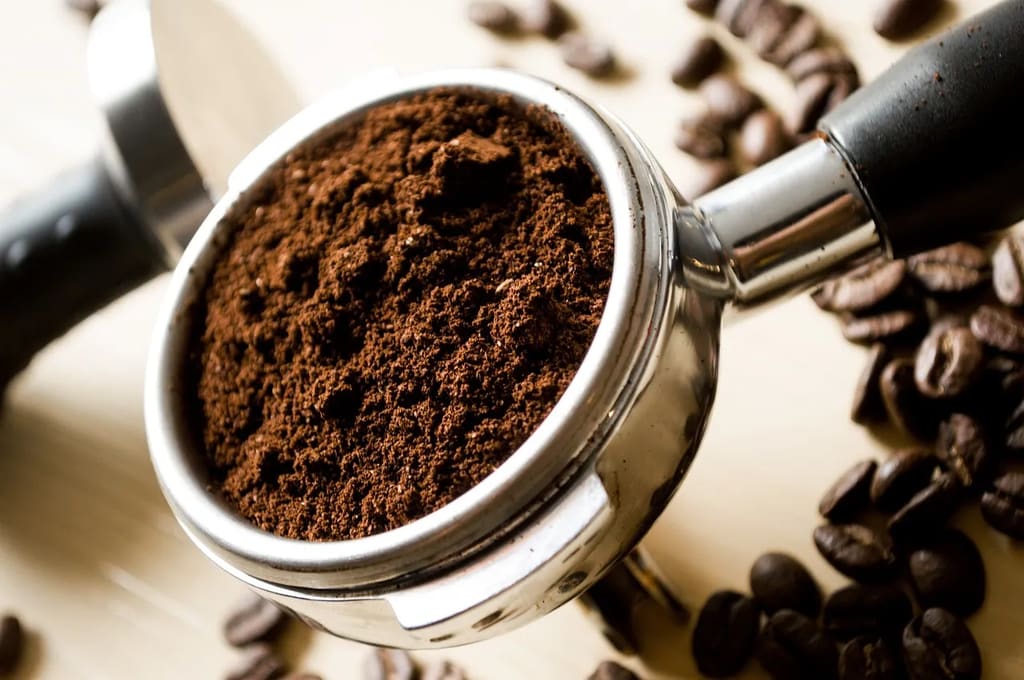
Melbourne’s love for coffee traces back to post-war immigration, when Italians introduced espresso.[1] The love affair began in the 1950s with the arrival of Italian and Greek immigrants.[2] Today the independent café is the default, not the exception.
Many visitors start with a flat white, though Australia and New Zealand both claim the drink[3]. Expect to pay around A$6 for a flat white[4]. A local order worth trying is the Melbourne magic, a flat white is smaller and stronger than a latte, usually around 6 ounces[5], and the magic is a close cousin with a double ristretto base. For a standing espresso bar experience, Patricia Coffee Brewers on Little Bourke Street is a standing room only bar pouring coffee from rotating local roasters[3].
Rome and the Art of the Standing Espresso
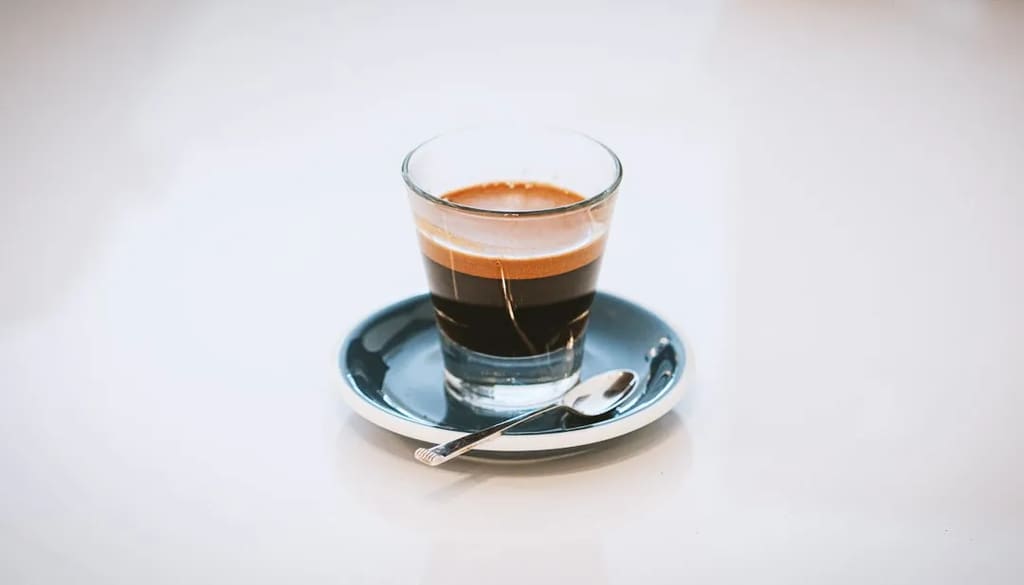
Italy runs on the counter. You walk in, order, drink in a few gulps and leave. Rome’s quick standing espresso ritual is easy to adopt and instantly memorable.[6]
It’s also cheap, even after recent increases. The national average price of a counter espresso reached €1.25 in August 2025, up from €1.04 in 2021.[7] Prices still swing by region. Catanzaro was the only large city still selling espresso at exactly €1.00 in 2025[7], while Bolzano had the highest average at €1.47[7].
Where Italy Gets Tricky
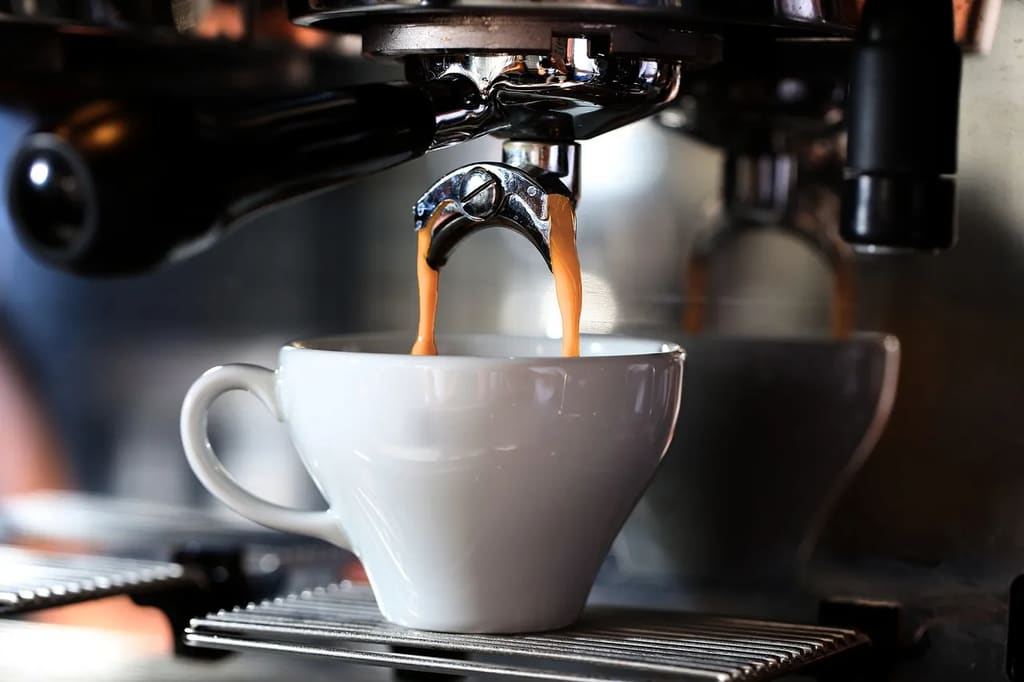
The easy bargain disappears the moment you sit down. Published average prices are for coffee ordered and drunk at the bar, not at a table, where it often costs more.[8] One Naples guide cited a bar espresso at 1.20 to 1.50 euros, while a seated one can jump to 3.50 euros or more[8].
Price display is a legal sore point too. In 2025, a Florence café was fined €1,000 over an espresso priced at €2, but the penalty was for failing to display the price properly[7]. There’s also a quality note. Some coffee bars have raised the share of cheaper robusta in their blends to keep prices low.[9] Italy does have a growing third wave coffee movement[9], so specialty roasters are worth seeking out if you want something different from the standard bar cup.
Colombia’s Coffee Triangle, Where the Cup Starts at the Farm
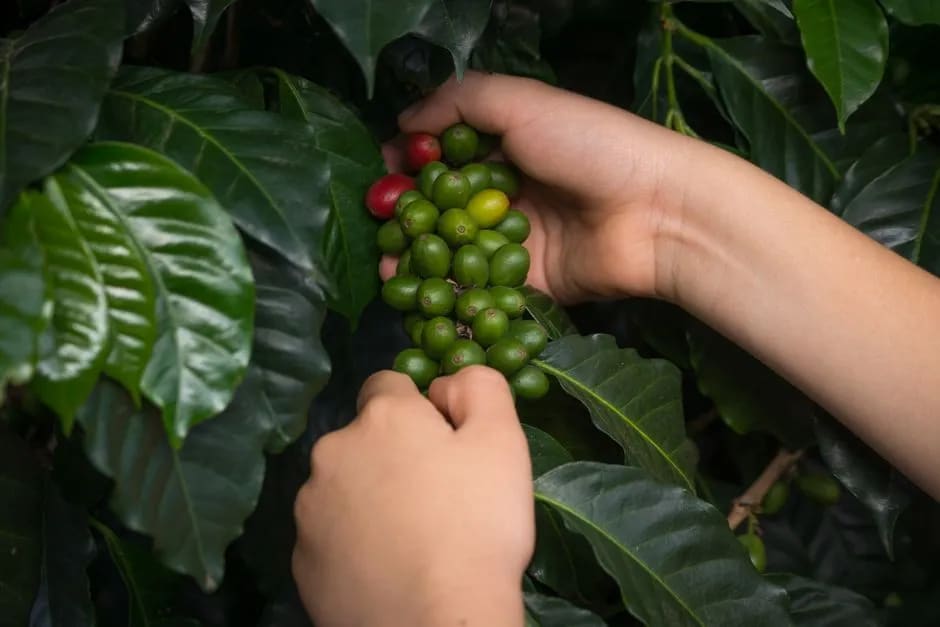
Colombia is the easiest place to see where coffee actually comes from. The Coffee Triangle covers parts of Quindío, Caldas and Risaralda, where green hillsides are lined with family run fincas.[10] Salento and Filandia are colorful, walkable coffee towns, and many farms also offer overnight stays.[10]
Costs can stay modest. One traveler’s 2025 account listed coffee tours at about ten to twenty five US dollars per person[11]. Smaller farms can be harder going, though. Language barriers may limit interaction at smaller farms without established tour programs, and some plantations involve steep hiking.[12] Choosing a bigger, well established tour is the safer bet if either worries you.
Ethiopia, the Birthplace That Asks for Patience
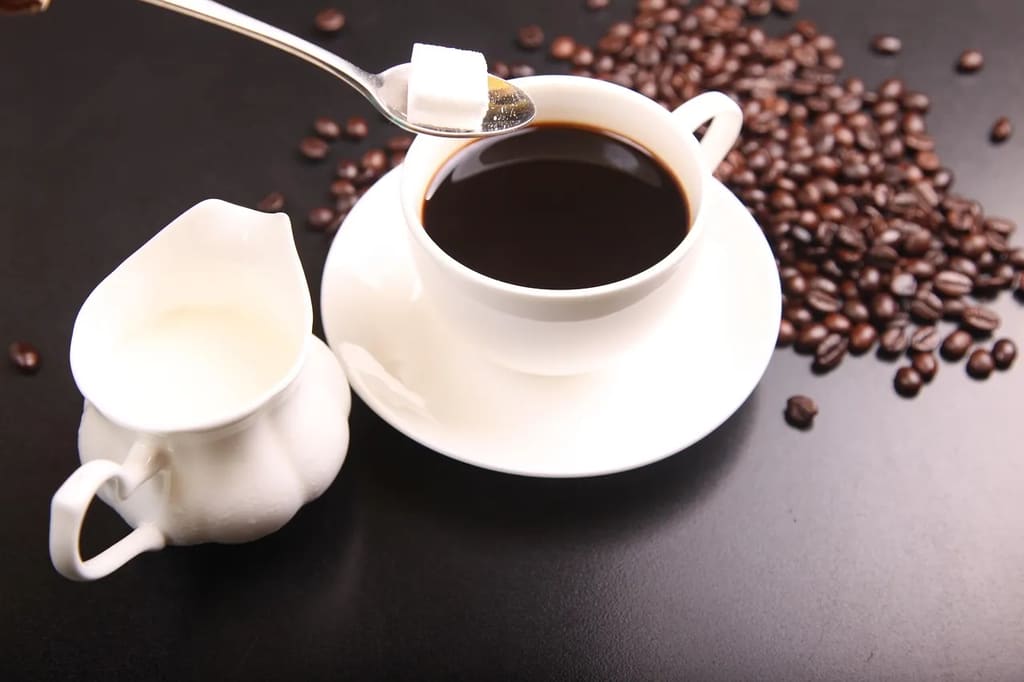
Ethiopia is often considered the birthplace of coffee[13]. The country’s coffee culture centers on its traditional coffee ceremony, a ritual that embodies community and hospitality[14]. If you want history in your cup, this is the place.
Be ready to plan more. Tours in Sidamo and Yirgacheffe showcase wild coffee forests and smallholder cooperatives, but they need more planning and flexibility than other destinations.[15] Harvest season, November to January, gives the fullest experience, though ceremonies happen year round.[15]
Seattle, Portland and the Arkansas Surprise
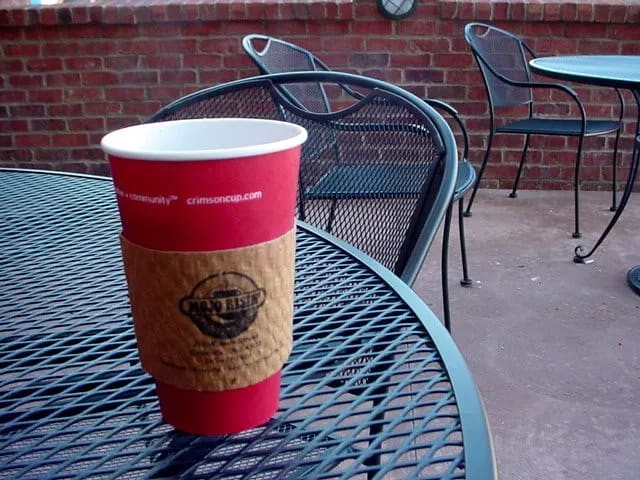
Seattle remains the obvious American stop. It’s where Starbucks, the world’s largest coffee chain, started in 1971.[13] The city’s reputation goes well beyond that, with a plethora of independent coffee shops and roasters[13]. Portland has built a strong identity around artisanal coffee and sustainability.[16]
The bigger news is further inland. Onyx Coffee Lab in Rogers, Arkansas, was named the World’s Best Coffee Shop for 2026 by the World’s 100 Best Coffee Shops list, the first US shop to top the ranking.[17] A coffee pilgrimage to Northwest Arkansas would have sounded odd a few years ago. It doesn’t now.
Oslo and Copenhagen, the Nordic Specialty Run
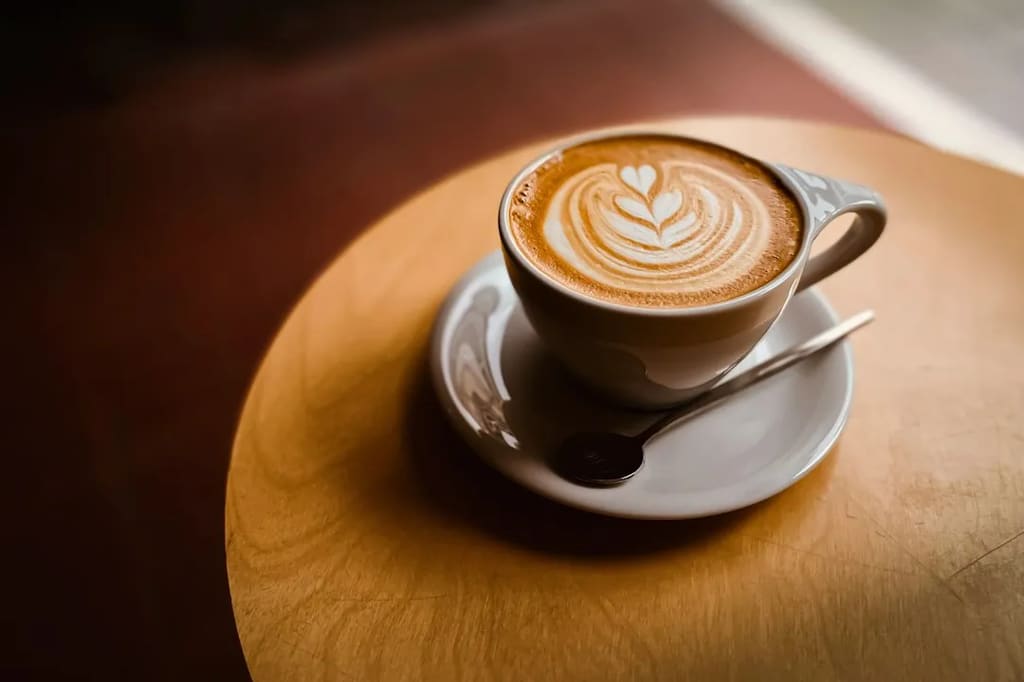
The Nordics have a strong claim on specialty coffee. The strongest concentration of specialty coffee runs through Norway, Denmark, Australia and pockets of the US, Singapore and northern Europe.[17] Oslo is a major reference point in the Nordic coffee movement.[16]
In Copenhagen, Prolog Coffee and April Coffee Roasters[14] are frequent recommendations, and Coffee Collective[17] appears on 2026 best café lists. None of this is local agriculture, since Copenhagen does not rely on local coffee production[16]. The skill is in the roasting and brewing, which is why a short visit pays off.
Tokyo, Seoul, Taipei and Singapore, Asia’s Quiet Standouts
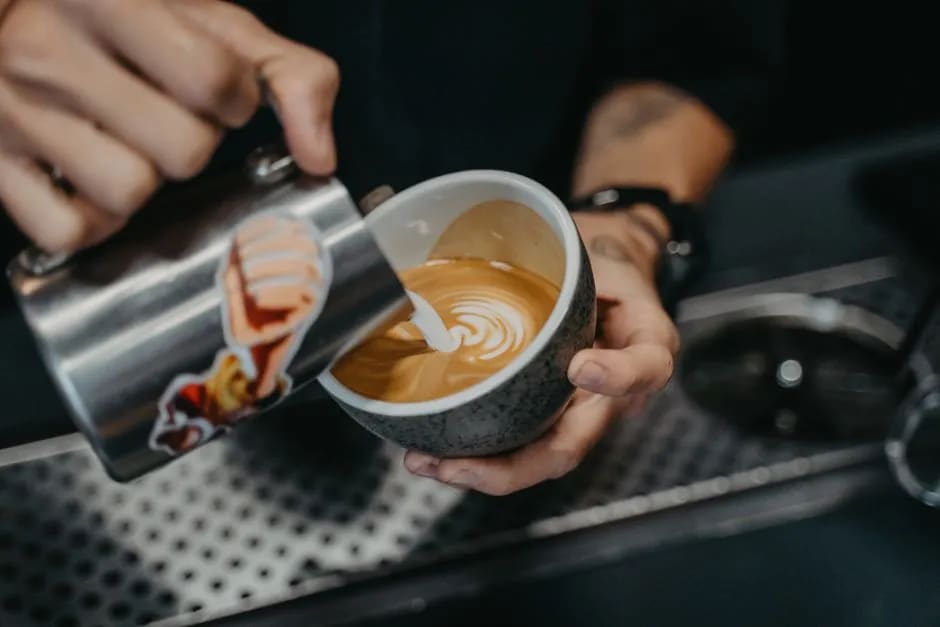
Tokyo suits travelers who like variety. It blends traditional coffee houses, known as kissaten, with contemporary specialty cafés.[13] You can have a slow old school cup in the morning and a modern filter brew by the afternoon.
Related Stories From Travelbinger
Other Asian cities offer their own angle. Seoul has seen significant growth in its coffee culture over the past several decades.[16] Apartment Coffee in Singapore is a minimalist space focused on letting each origin speak.[17] Meanwhile, Vietnam is the world’s second largest coffee producer and the leading exporter of robusta beans[13], so Hanoi’s bolder cups come with real local context.
Vienna, Where the Coffeehouse Is the Point
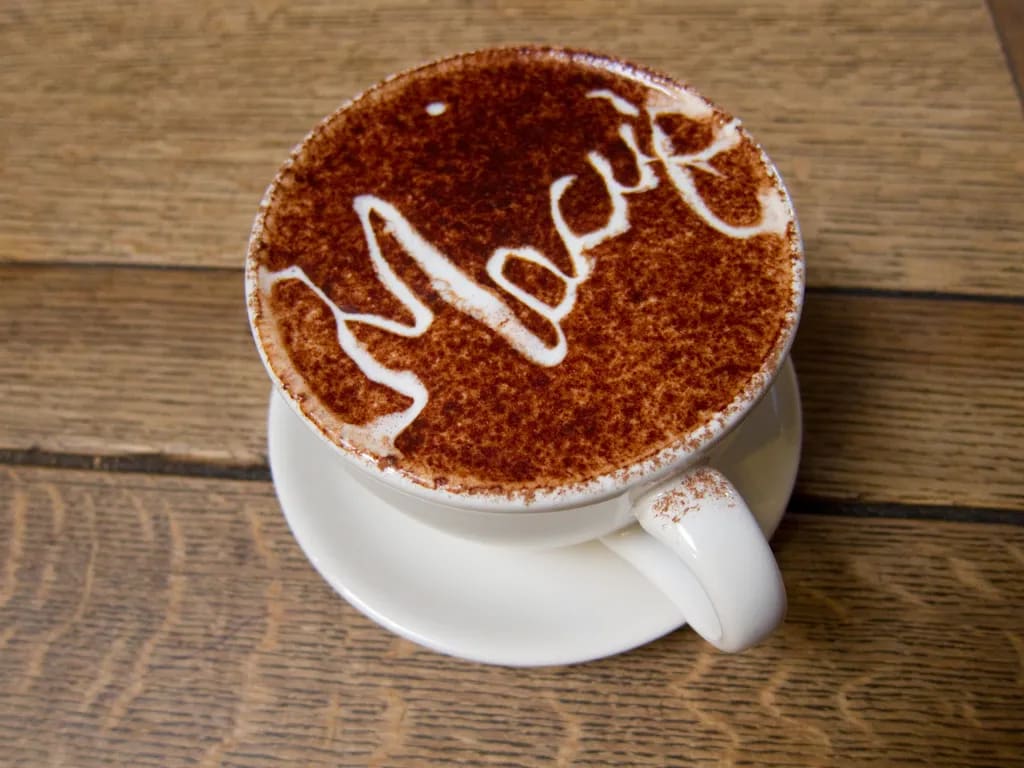
Vienna offers the opposite rhythm to Rome. It represents one of Europe’s oldest coffee traditions.[16] UNESCO listed Vienna’s coffee house culture as Intangible Heritage in 2011.[14]
It’s a place to sit rather than sprint. One 2026 travel roundup ranks it among the best coffee cities for solo travelers[6], which makes sense for a table, a newspaper and an unhurried afternoon. Just keep in mind that the long stay is part of the experience, so skip it if you’re short on time.
Planning Around Prices and Seasons
Bean costs have changed the math for cafés everywhere. Italian industry commentary in 2025 put green coffee at around 380 cents per pound, three times the historical average[18]. Prices came down somewhat from their early 2025 peak, but they remain higher than before the surge.[19]
Timing matters too. Visiting during harvest season, when farm activity peaks, varies by hemisphere and elevation.[12] In Hawaii, a festival celebrates Kona coffee over 10 days every November, featuring farm tours, cupping competitions and cultural performances[20]. Ethiopia’s harvest runs from November to January.