Walk into an Italian bar at eight in the morning and you’ll probably see the same thing everywhere. People arrive, drink something small and dark, and leave before you’ve found a seat. It happens so smoothly that it’s easy to miss how many small rules are in play.
Most of these habits are unwritten. Visitors tend to pick them up by watching, and sometimes by getting them slightly wrong first. Here are seven that come up again and again, along with a few numbers that show how the ritual is changing in 2026.
Drinking Your Coffee Standing at the Counter
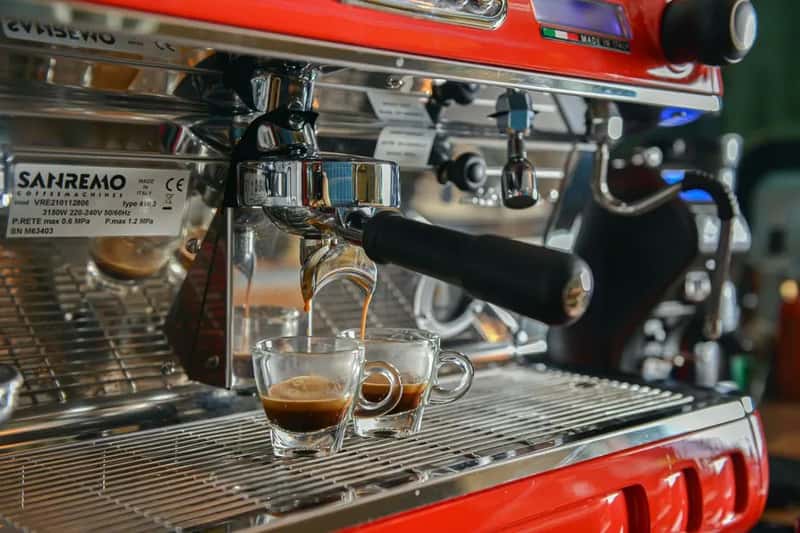
The classic Italian coffee happens al banco, meaning at the bar counter. You order, drink it in a couple of minutes, and move on. It’s how many Italians start the day, and it’s built around speed rather than lingering.
This habit supports a huge amount of business. Around six billion cups of coffee are consumed in Italian bars every year, and spending on them rose from 6.2 billion euros in 2021 to 7.5 billion euros in 2025 with the same level of consumption.[1] Travelers often notice that the counter is where the energy is, with quick greetings, clinking saucers and the barista already reaching for the next cup.
Paying More When You Sit Down
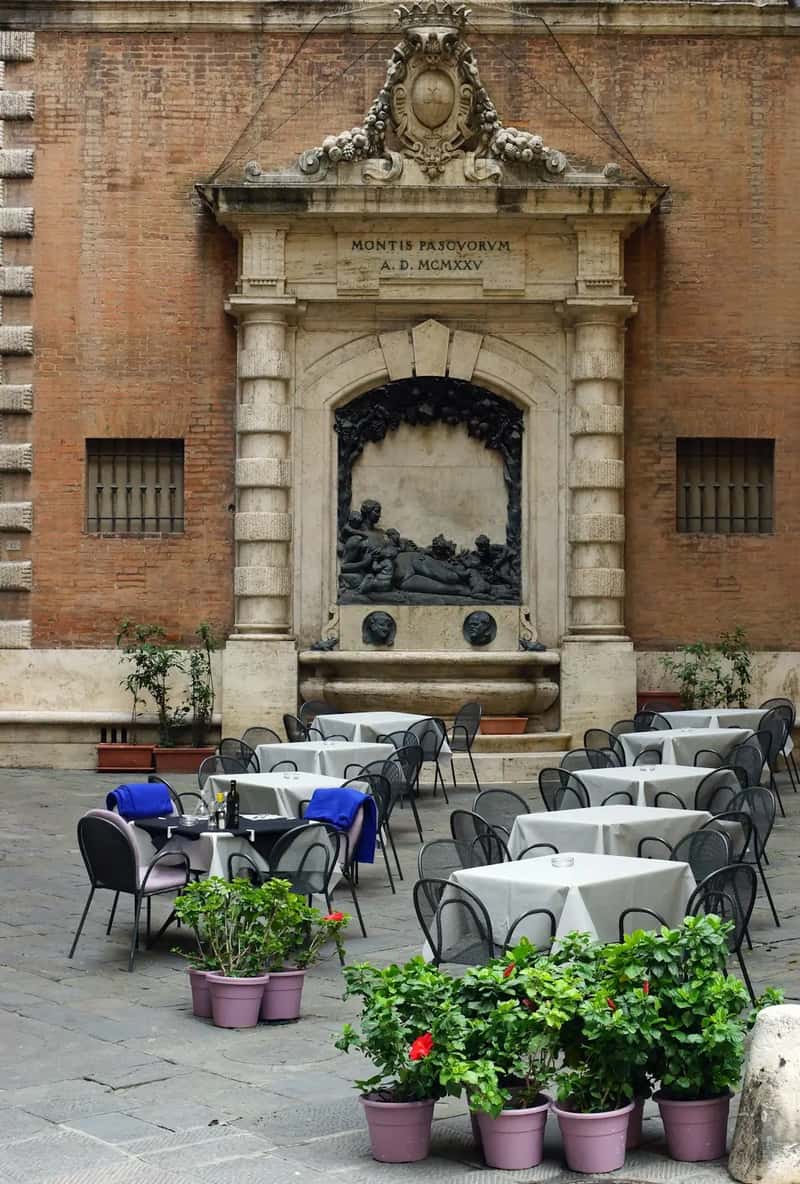
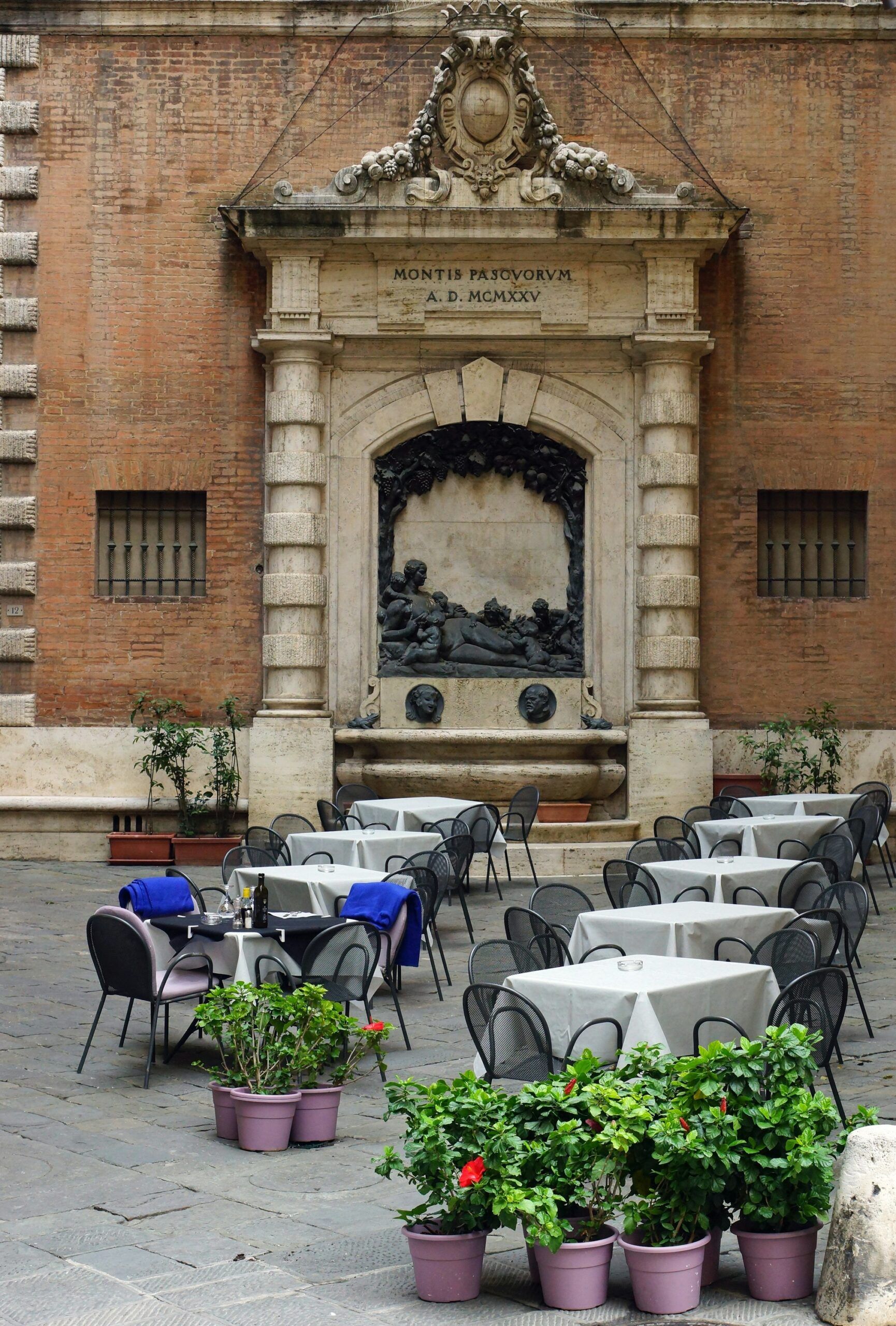
Sitting at a table changes the deal. You get service, a place to rest and often a view, but the price reflects that. Published average prices are for coffee ordered and drunk at the bar, not at a table, where it often costs more.[2]
The gap can be striking in tourist areas. One Naples travel guide says an espresso at the bar typically costs between 1.20 and 1.50 euros, while a seated one can jump to 3.50 euros or more.[3] Prices are supposed to be visible, too. A Florence coffee bar was fined 1,000 euros in 2022 for failing to display the price of a cup of coffee on its counter.[4] Checking the price list before you sit is a sensible habit.
Asking for a Caffè, Not an Espresso
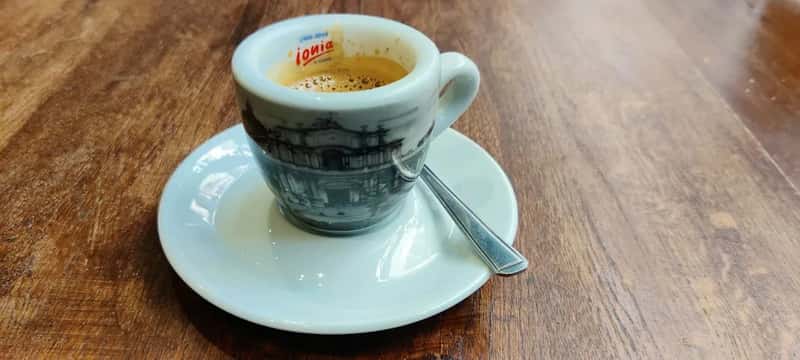
In Italy, saying caffè gets you an espresso. There’s no need to specify, and asking for an espresso isn’t wrong, but it does sound a little like a visitor. If you want something different, you name it, such as a macchiato, a lungo or a decaffeinato.
Regional habits add variety. In Naples, espresso is often pulled as a ristretto by default, and some old school bars serve it already sweetened, so you ask for senza zucchero if you want it plain.[5] It’s a small detail, but it explains why the same order can taste quite different from city to city.
Keeping Cappuccino for the Morning
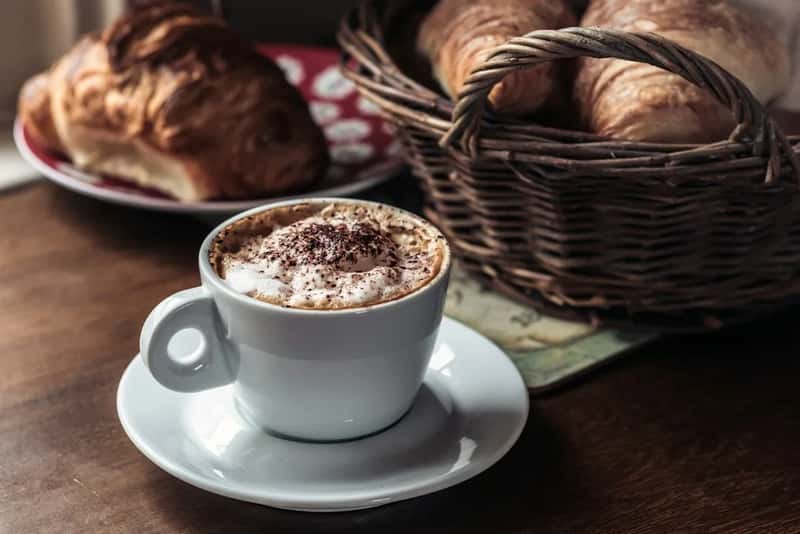
Ask an Italian about cappuccino and you’ll usually hear that it belongs to breakfast. Ordering one after a big lunch or dinner may earn a raised eyebrow, since milk is seen as heavy after a meal. This is a custom rather than a rule, and bar staff will make you one at any hour if you ask.
Most locals treat the morning cappuccino and pastry as a pair. Cappuccinos average around 1.50 euros in the country’s coffee bars, according to figures reported in late 2024.[6] After a meal, the usual choice is a plain caffè, which is why you’ll see it placed on tables at the end of nearly every restaurant lunch.
Paying First at the Cash Desk
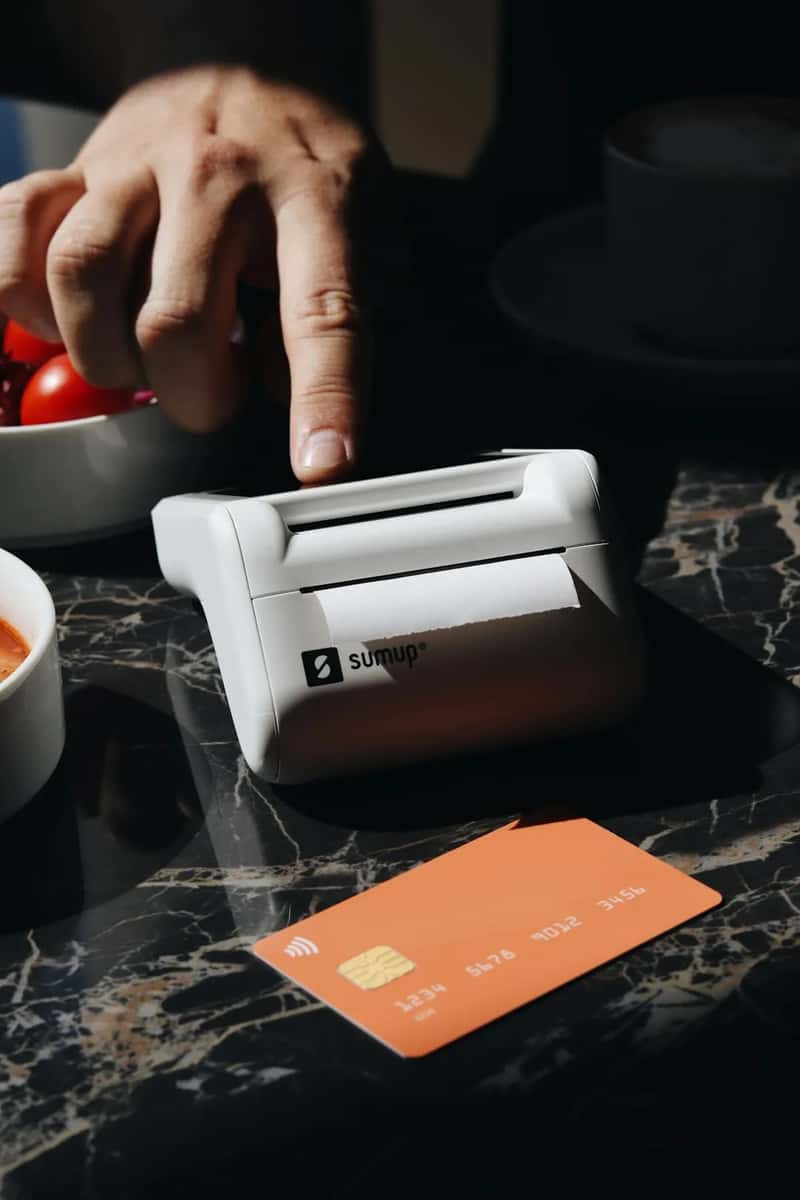
In many busy bars, especially in big cities and train stations, you pay before you drink. You tell the cashier what you want, pay, and take the receipt to the counter. The barista then makes your order, and you often leave the receipt on the bar with a coin resting on top as a polite signal.
Not every bar works this way. Smaller neighborhood spots often let you order first and pay afterward, and the fastest way to tell is to watch the first customer or two. If a queue forms at the register, that’s your answer.
Noticing How Much Prices Vary by City
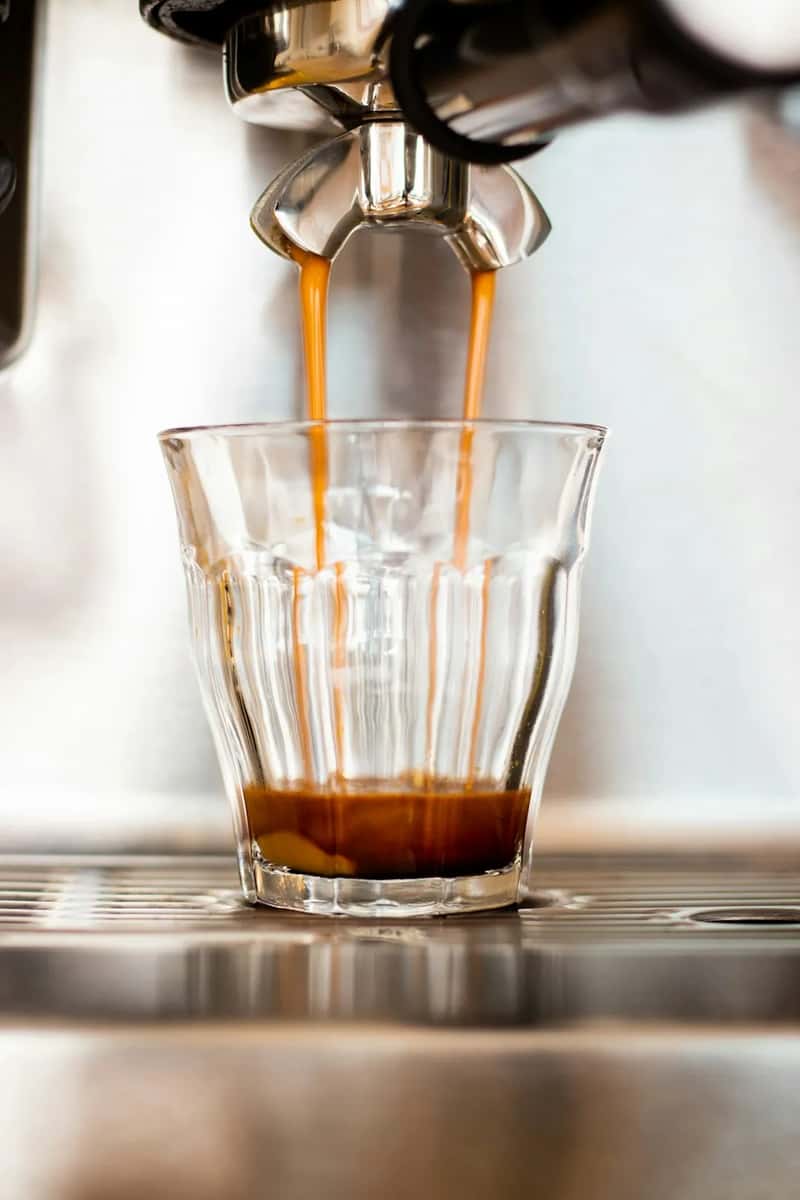
A single coffee can cost noticeably different amounts depending on where you are. Official data collected across Italian provinces show an espresso now averages 1.29 euros nationally, 25 cents more than in 2021.[7] Bolzano is the most expensive at 1.51 euros, followed by Pescara at 1.49 euros.[7]
The trend has been upward for some time. The national average was 1.04 euros in 2021 and had already reached 1.25 euros by August 2025.[1] Analysts point to operating costs rather than only bean prices, and a study reported in 2026 cited higher energy and operating costs for café owners as being passed on to customers.[7] Even so, a coffee at the counter remains cheap by many countries’ standards.
Leaving a Caffè Sospeso in Naples
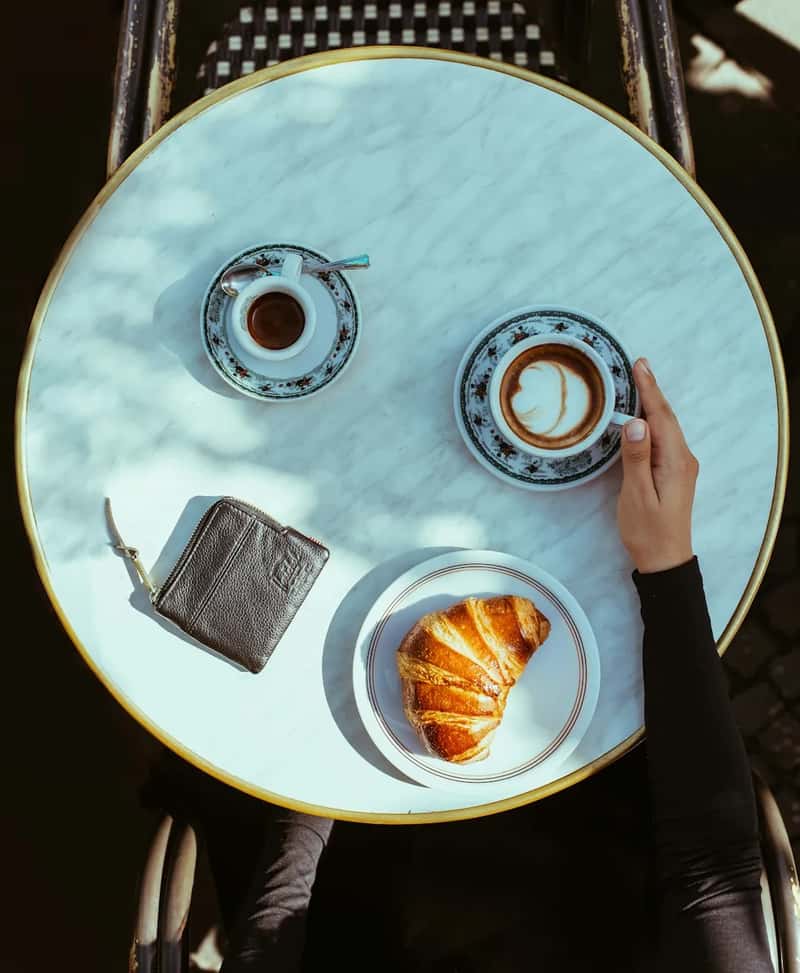
Naples has its own coffee custom, and it’s one of the most touching. A caffè sospeso is a coffee paid for in advance: someone orders one, pays for two, and drinks only one, so that a person in need can later ask for the suspended cup and be served for free.[8] It began in the city’s working class cafés.
How visible it is depends on the bar. Some places display a small board with tick marks for suspended coffees.[9] In others it works on trust, memory and the barista’s word.[10] In 2010, a series of cultural events joined an initiative known as Rete del Caffè Sospeso, which helped revive the practice.[11]