Anyone who has booked an international trip this year has probably noticed the paperwork feels heavier than it used to. Governments from Southeast Asia to North America are tightening pre-arrival checks, cutting back visa-free privileges, and asking travelers to prove more before they even board a flight. Some of this is about security, some is about managing overtourism, and some is simply reciprocity between nations playing tit-for-tat with each other’s citizens.
Whatever the reason, the practical effect is the same for tourists: more forms, longer lead times, and less room for spontaneous travel. Here are ten countries where entry rules have genuinely tightened in 2026, based on official announcements and recent policy coverage.
1. Thailand

Thailand has spent much of 2026 unwinding some of the loose entry policies it introduced after the pandemic. A major component of the overhaul has been the restriction of visa on arrival privileges to a limited group of countries, with nations like India and Serbia among those expected to retain access based on bilateral agreements. The government has framed this as a security and screening measure rather than a tourism crackdown, but the practical result is that far fewer nationalities can simply land and get a stamp.
Authorities say the revision is part of a broader strategy to strengthen pre-arrival screening and reduce processing pressure at entry checkpoints, narrowing eligibility to streamline immigration procedures and improve security oversight. Thai officials have also been candid about the motivation behind the changes. The government has stated that the visa reforms have been largely motivated by concerns over misuse of tourist visas. For travelers used to Thailand’s famously easy entry, that means checking eligibility well before departure rather than assuming a visa on arrival will still be there.
2. Indonesia (including Bali)

Indonesia has arguably made the biggest structural change of any destination this year. The country has overhauled its entry and visa systems for 2026, introducing a centralized e-visa platform, mandatory pre-arrival registration via the All Indonesia app, and a One Person, One Visa policy that links applications to biometric databases for stricter compliance. Visa-free access has also shrunk dramatically. Indonesia is reducing visa-free entry approvals by 87.9 percent in 2026 as it moves toward a more selective immigration system.
Bali specifically has become a flashpoint for enforcement. Bali is enforcing stricter immigration rules in 2026, warning influencers, remote workers, and volunteers against using tourist visas for work-like activities. Authorities have made clear that even unpaid arrangements can count as violations. Officials have emphasised that receiving benefits such as free lodging, meals or experiences can still count as economic activity. Enforcement numbers back up the rhetoric, since during the first six months of 2026, over 10,900 administrative immigration sanctions were imposed, including thousands of residence permit cancellations and deportation measures.
3. United States

The United States has moved decisively toward tighter visitor screening in 2026. Travel bans now target nationals from several countries, with some visa types including B, F, M, and J suspended for these nationals, and organizations may need to issue an authorised invitation letter to allow travellers entry. Processing has slowed for a huge number of applicants as well, since immigrant visa processing was temporarily halted for more than 75 nationalities, and Romania was removed from the Visa Waiver Program.
Vetting has also become more invasive for ordinary tourist applicants. Visa applications now face stricter scrutiny, including social media checks, in-person interviews and longer administrative processing. Even the standard B2 tourist visa is being applied with more caution, as 2026 rules emphasize stricter eligibility verification, especially for visitor and student visas, with new policies limiting the maximum allowed stay for certain visa classes and requiring additional documentation during appointments. Travelers heading to the US this year should expect longer waits and more paperwork than they may remember from previous trips.
4. India
India has narrowed who qualifies for its convenient electronic tourist visa. India has revised its e-Visa eligibility list, removing citizens of Nigeria, Sri Lanka, and Bangladesh from the e-Tourist visa program, meaning these nationalities must now apply through the regular embassy visa process. That shift pushes affected travelers back into a slower, document-heavy system rather than the quick online application most tourists have come to expect.
The change is notable because it reverses a trend of expanding digital access that India had pursued for years. Removing three populous nations from the e-Visa list is not a minor technical adjustment. It signals that Indian authorities are willing to tighten specific corridors even while continuing to promote easier travel for other nationalities through separate digital initiatives.
5. European Union / Schengen Area

The long-delayed ETIAS system is finally becoming reality this year, and it changes the calculus for millions of visa-exempt travelers. After several delays, ETIAS is finally expected to launch in the last quarter of 2026, applying to nationals of countries that are currently visa-exempt and wish to travel to the Schengen Area. The authorization will cost 20 euros, remain valid for three years or until the passport expires, and allow tourist or business stays of up to 90 days within any 180-day period.
Beyond ETIAS itself, the broader visa process for Schengen applicants has become more demanding. The main highlight of the changes is the strengthening of identity verification and introduction of more intensive biometric checks at the time of submitting a visa application, part of an effort to enhance border control and minimize the risk of visa fraud. Travelers who once treated Europe as a hop-on destination now need to plan a step ahead, even if the process itself remains largely online.
6. United Kingdom

The UK has rolled out one of the widest expansions of pre-travel authorization requirements this year. From late February 2026, travellers from more than 80 countries, including the United States, Canada and most of Europe, are expected to obtain an electronic travel authorisation before arriving in the UK. That covers a huge share of the leisure travelers who previously walked through UK border control without any advance clearance at all.
Industry voices note that the change is more about screening than outright refusal. For tourists, the additional step mainly adds an administrative layer, but tour operators note that it reinforces a trend toward stricter advance screening at borders worldwide, even as the UK remains a major draw for leisure and study travel. Still, forgetting to apply means being turned away at check-in rather than at passport control, which makes the ETA one of those small bureaucratic details that can wreck an entire trip.
7. Georgia

Georgia has long been one of the easiest countries in the world to visit, but it introduced a new financial requirement for 2026. Georgia will require tourists to have insurance starting January 1, 2026. It is a modest change compared to some of the other entries on this list, but it marks a shift away from the country’s previously hands-off approach to visitors.
For a destination that built part of its tourism appeal on minimal red tape, mandating travel insurance is a meaningful signal. It suggests Georgian authorities are thinking more about liability and visitor welfare than they have in the past, likely influenced by rising visitor numbers and the costs associated with uninsured medical emergencies among foreign tourists.
8. Nicaragua

Nicaragua has quietly closed one of its more convenient entry pathways. Officials have modified the visa regime, and visas on arrival are no longer available for some nationalities. That change pushes affected travelers toward applying in advance rather than sorting out paperwork at the airport, a shift that mirrors similar moves across Central America as governments reassess who they let in easily.
The country has not published an especially detailed public explanation for the change, which is fairly typical of Nicaraguan immigration policy in recent years. What is clear is that travelers who once relied on last-minute arrangements now need to check their specific nationality’s status well before flying, since the old assumption of automatic entry on arrival no longer holds for everyone.
9. Australia
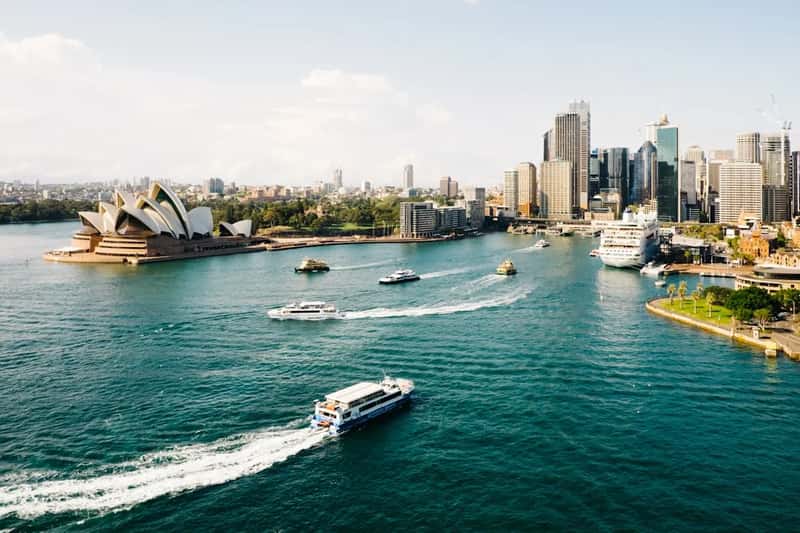
Australia has phased out an option that many tourists relied on for years. The Subclass 600 visitor visa now accepts online lodgement only, and paper applications have been discontinued worldwide. That might sound like a minor administrative shift, but for travelers without reliable internet access or comfort with digital forms, it removes a fallback option that used to exist.
Processing has also become a two-tier system where speed now costs extra. Processing times remain 20 to 35 days for most nationalities, but priority processing is available for an extra fee. Combined with a broader push toward digital travel credentials and biometric verification at automated gates, Australia’s visitor visa system in 2026 rewards early, well-prepared applicants and penalizes anyone hoping to sort things out at the last minute.
10. Cuba
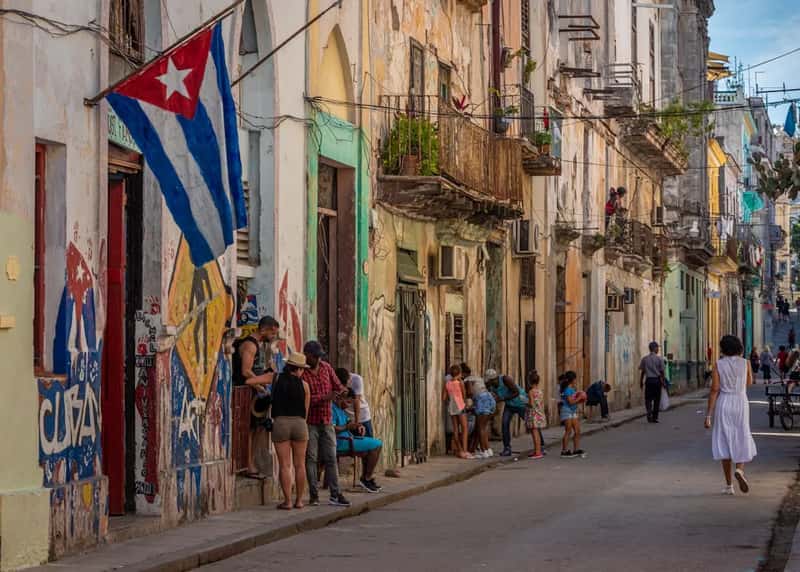
Cuba has moved away from one of the simplest tourist entry documents in the Caribbean. Since June 2025, authorities have replaced the physical Tourist Card with a new eVisa. The old system let many visitors buy a card through their airline or a travel agency with minimal fuss. The new eVisa requires an online application submitted in advance, which is a more formal and, for many travelers, less familiar process.
While Cuban authorities have framed the shift as modernization rather than restriction, the practical effect leans stricter. Travelers can no longer treat the tourist card as a same-day purchase, and instead need to build in time for approval before their flight. For a destination that many visitors associate with relaxed, low-bureaucracy travel, the eVisa requirement is a noticeable change in tone.
Taken together, these ten cases point to a broader pattern rather than isolated incidents. Countries are leaning harder on digital pre-screening, narrowing who qualifies for visa-free or visa-on-arrival access, and paying closer attention to how tourist visas get used once travelers actually arrive. None of this means international travel is becoming impossible, but it does mean the old habit of booking a flight and figuring out entry requirements later is riskier than it used to be.
The practical takeaway for anyone planning a trip in the second half of 2026 is simple: check the specific, current requirements for your nationality and destination well before you book anything nonrefundable. Visa rules are shifting fast enough this year that what was true a few months ago may already be out of date.