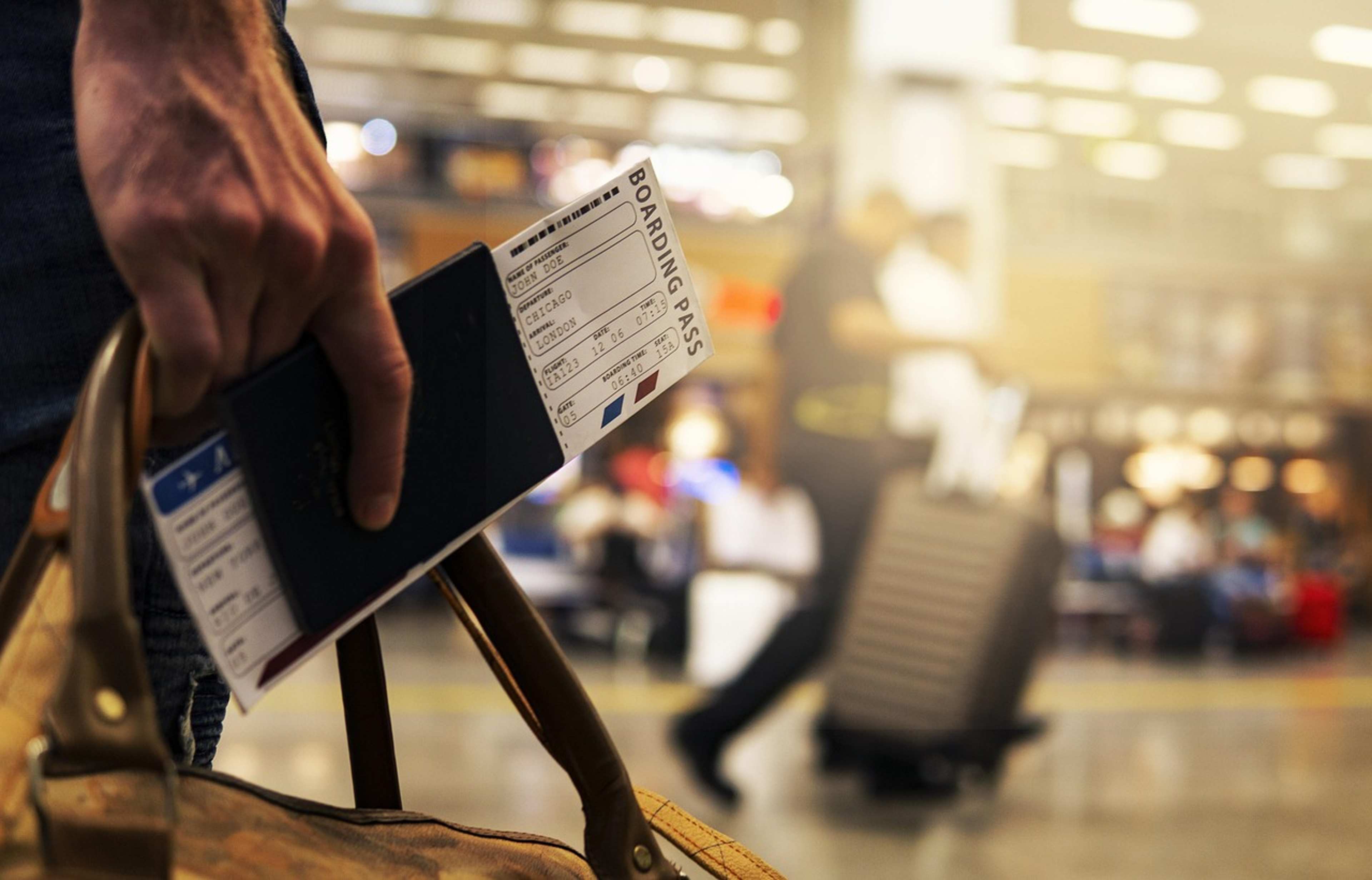
A United Airlines customer who has already completed 43 flights with the carrier this year faces the prospect of missing Premier Platinum status next year despite that volume of travel. The airline is removing one of its two qualification routes for elite status, shifting the program further toward spending requirements alone. This adjustment arrives as other carriers explore broader options for members to reach similar tiers.
Shift to Spending-Only Qualification
United will require all elite status to be earned through Premier Qualifying Points, or PQPs, beginning in 2027. The previous dual path that combined lower PQP totals with a set number of flights is ending. Travelers who relied on frequent shorter routes will now need to meet higher spending thresholds to reach the same levels. The change affects the lower three published tiers as well as the top 1K level, where the PQP requirement rises from 28,000 to 32,000. That figure would represent the highest published top-tier threshold among major U.S. carriers. United has described the move as a simplification, yet the practical effect narrows the routes available to many members.
Impact on Different Flying Patterns
Frequent flyers based near United’s Houston hub often take numerous shorter domestic segments that generate fewer PQPs per trip than longer coastal routes. A traveler completing dozens of flights may still fall short of the new spending-only targets if average fares remain moderate. This geographic reality leaves some loyal customers at a disadvantage compared with those who book fewer but costlier itineraries. Alaska Airlines, by contrast, is expanding qualification options for its Atmos Rewards program to include distance flown, flight count, or spending. The divergence highlights how loyalty programs can respond differently to the same market pressures.
Role of Credit Cards and Remaining Options
United continues to award PQPs for spending on its co-branded credit cards, though the rate remains modest at one PQP per $15 or $20 charged depending on the card. Many frequent flyers already carry these cards and use them for everyday purchases, yet the additional volume required to close larger gaps can prove substantial. In some cases, the incremental spend needed exceeds what members consider practical or optimal for rewards value. A small comparison of pathways illustrates the change:
| Qualification Route | Current Options | 2027 and Beyond |
|---|---|---|
| Premier Platinum | 18,000 PQPs or 15,000 PQPs + 45 flights | 18,000 PQPs only |
| 1K Top Tier | 28,000 PQPs | 32,000 PQPs |
Broader Context for Loyalty Programs
Airline status programs have steadily moved away from pure flight frequency toward revenue-based metrics over the past decade. United’s latest adjustment continues that trend while raising the bar for those previously able to combine moderate spending with high flight counts. The airline has noted rising fares as one factor behind higher thresholds, though the removal of the flight-based option removes flexibility that once accommodated varied travel patterns. Members who lose status may redirect future bookings and card spend elsewhere, a shift that carries revenue implications for the carrier if it occurs at scale. The balance between exclusivity and accessibility remains a central challenge for every major loyalty program. The decision underscores how elite benefits are increasingly tied to total outlay rather than repeated patronage through volume of flights. Frequent United customers will need to reassess whether their typical travel and spending patterns align with the revised requirements.