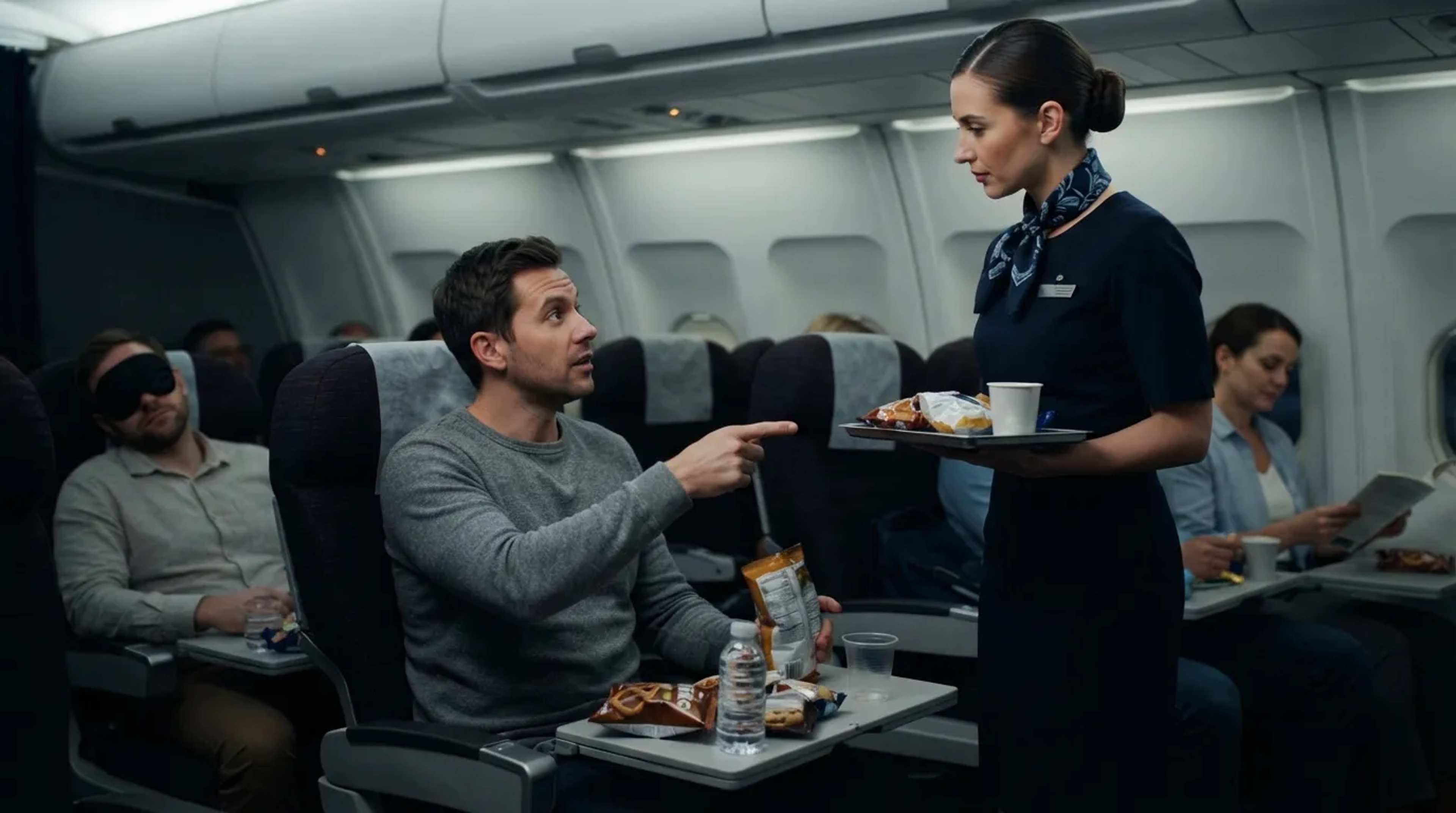
The flight attendant who pours half a can of soda into a cup and rolls on isn’t being stingy. Many airlines now split cans to save money, but you can ask for the whole can along with your cup, and plenty of crews will hand it over.1
That gap between what gets served and what’s actually on board runs through this whole list. It covers everything from ice and snacks to a tiny metal pin that can make a kid’s day. Stay for the final request. It’s the one where the answer is supposed to be yes every time, and it has nothing to do with food.
#24 – Extra Ice for a Warm, Watery Drink
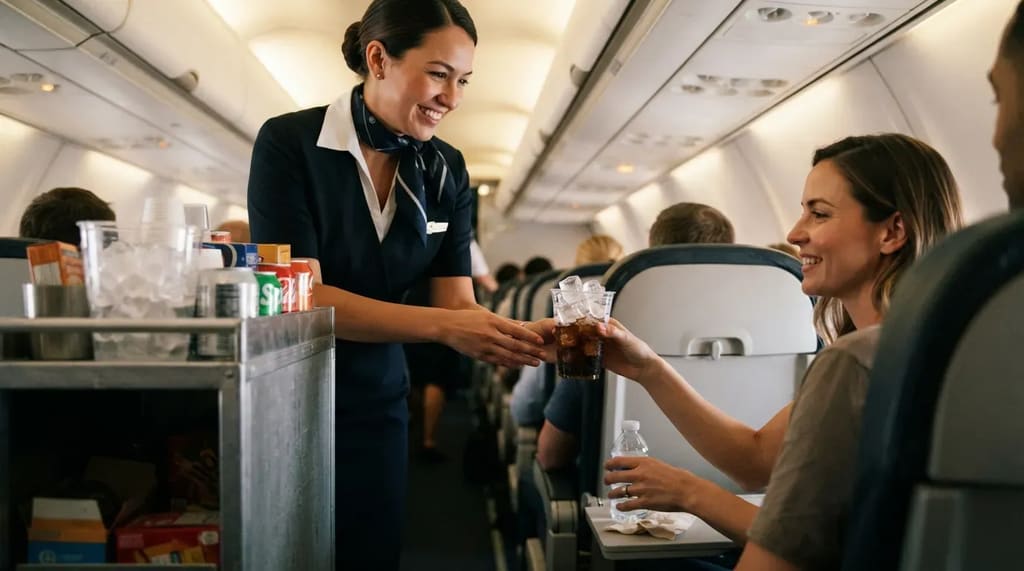
A lukewarm soda is the smallest complaint in the cabin, and it has the easiest fix. If your drink comes out warm or watery, a polite follow-up almost never gets refused. The ice is already on the cart, so crews barely register the ask.
The best moment is while the cup is still in their hand, so ask for extra ice before the cart moves on. Fold anything else you want into the same sentence, like a napkin or a second water, and the crew makes one trip instead of three. Ice is only the start of what that cart can fill, because the same crew will often top off something you brought aboard yourself.
#23 – A Free Refill for Your Own Water Bottle
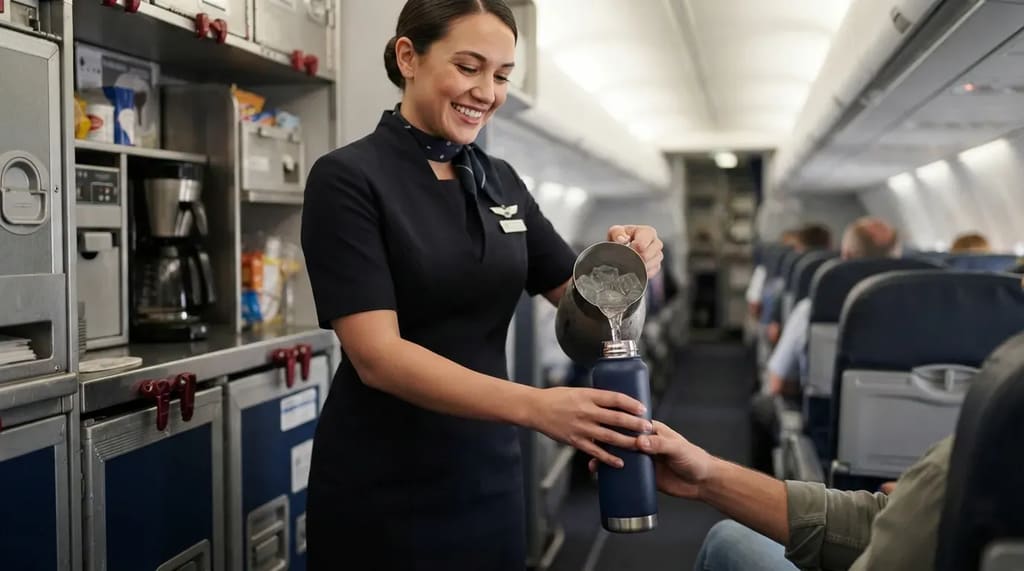
Plenty of travelers pour out their water at the security line and run out of time to refill before boarding. Ask a flight attendant if they can fill the bottle for you. Some will even top it off with fresh ice at no extra charge.
Hand the bottle over with the cap already off, which saves the crew a fiddly step. Ask during a lull, not in the middle of drink service. Cold water is the easy case. Hot water is the one that turns a tea bag or a packet of instant ramen into something close to a meal.
#22 – Hot Water for Tea or Instant Noodles
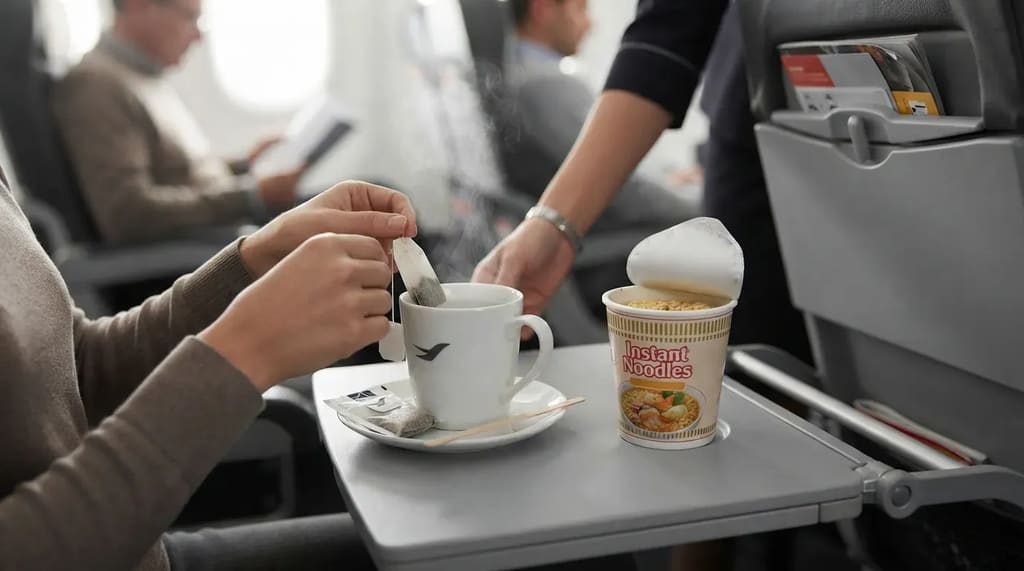
Bring the tea bag and the galley supplies the rest. Hot water is a request travelers can make for tea bags or even ramen packets.2 It’s one of the cheapest favors on the plane, since the crew is already working with hot water for coffee service.
Policies differ between carriers, so a polite ask is the right approach. Wait for a calm stretch with the seat-belt sign off. Carrying scalding water down a bouncing aisle is a risk no crew wants to take. Hot water is a freebie, but the cart holds a bigger one that airlines have mostly stopped handing out unless you ask: the rest of the can.
#21 – The Whole Can Instead of Half a Cup
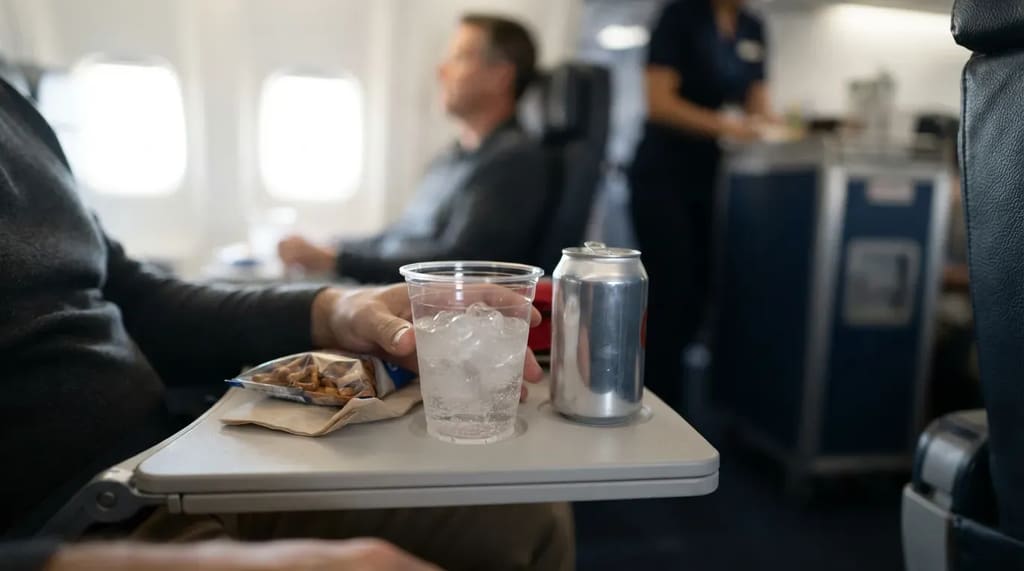
Older flyers remember when the attendant simply left the can. Now the pour is smaller, but the can is usually still within arm’s reach on the cart. If the attendant is pouring soda or juice into a cup full of ice, you can ask for the whole can.1
It’s the best free ask in the beverage category, and it beats waiting for the second snack. A whole can lets you set your own pace, and you skip the wait for the cart to come back. A yes isn’t guaranteed, since supplies and airline policy both matter. A no says nothing about you, so smile and move on.
Quick Compare
- The cup pour: Comes with ice, but it’s only part of the can. A standard U.S. soda can holds 12 fluid ounces.
- The whole can: Every ounce, at your own pace, with no wait for the cart to return.
- The catch: Supplies and airline policy decide, so a yes is a bonus.
#20 – The Extra Snack After the Cart Passes
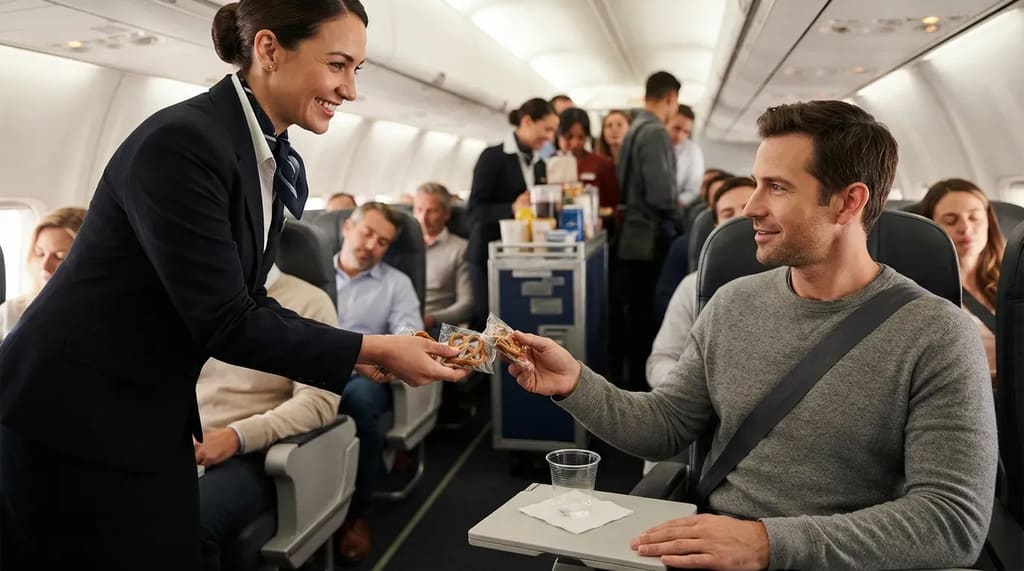
Not every passenger wants a snack, so leftovers pile up on the cart. Ask for an extra packet or two, because there’s often a spare once the aisle has been served. That’s why timing matters more than charm here.
Some airlines keep strict inventory counts, and short flights may have very little extra. Expect a plain pretzel, not your favorite cookie, and say thanks either way. If a pretzel won’t do because of what you can eat, there’s a version of this ask that works better when you explain why.
#19 – A Snack That Fits Your Diet
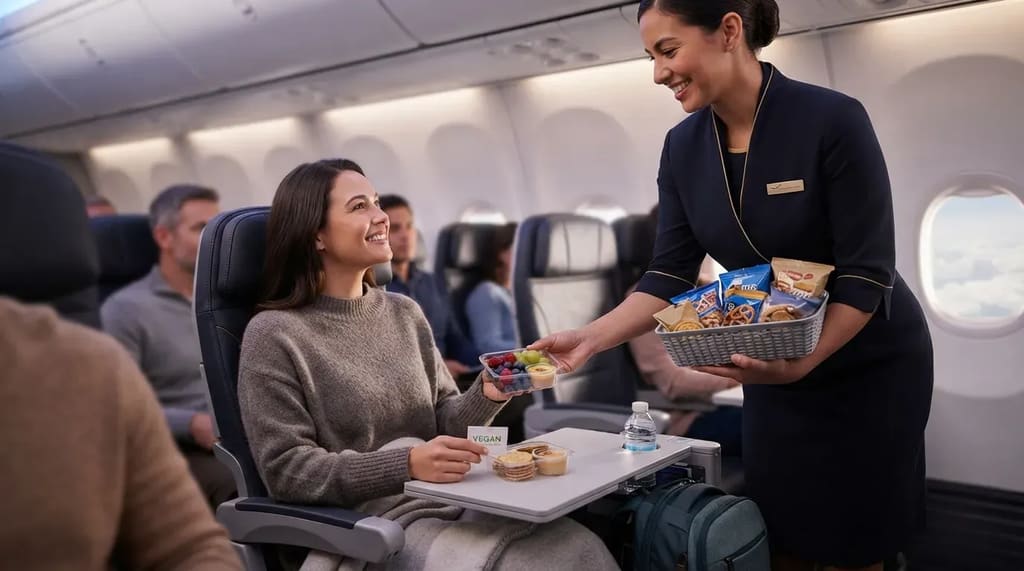
If you’re vegan, gluten-free or on a restricted diet, the standard snack bag may be no use to you. You can politely ask your flight attendant if they have snacks to accommodate your needs. Whether they do depends on the airline and what was loaded for your particular flight.
The ask costs nothing even when the answer is no, but your own carry-on is the only dependable backup. Solid food goes through security without trouble, so pack what you know you can eat before you leave the house. Think of the crew’s snacks as a bonus rather than a plan. Food is one comfort, and warmth is another, and that one depends on whether a blanket was loaded for your row at all.
#18 – A Blanket, If One Is on Board
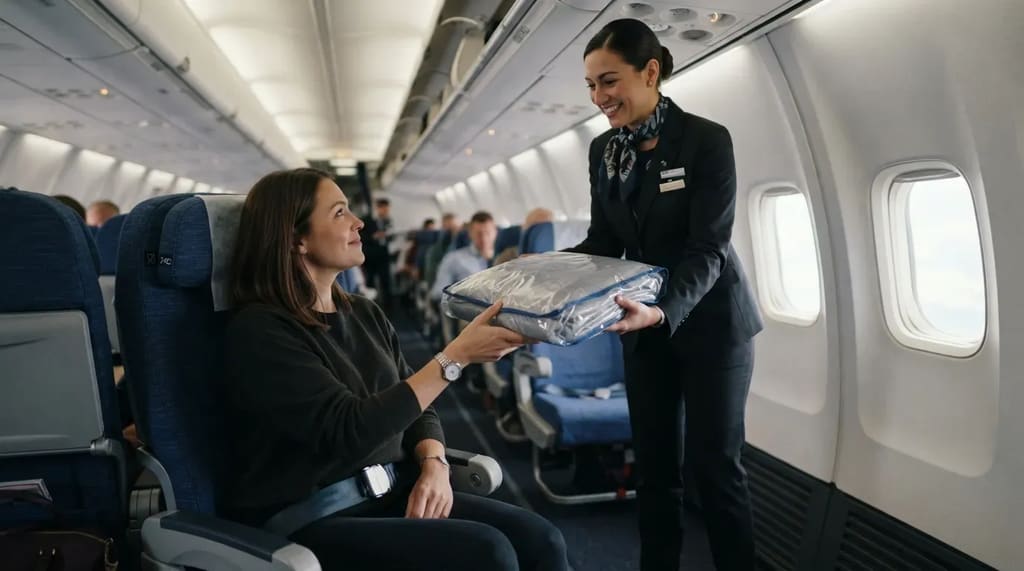
Blankets are where airline cost-cutting shows most. Few airlines still hand them out freely, though some do for first-class passengers. Whether a blanket exists depends on the airline and the flight, and crews can only hand out what’s actually on board.
The blanket is a bonus, not a plan. A light wrap in your carry-on beats gambling on a spare. Long-haul flights often carry more blankets and pillows than get distributed on the first pass, so asking again can pay off there. Warmth is optional, but germs aren’t for a lot of travelers, and the crew has a quick answer for those too.
#17 – Sanitizing Wipes for Tray and Armrest
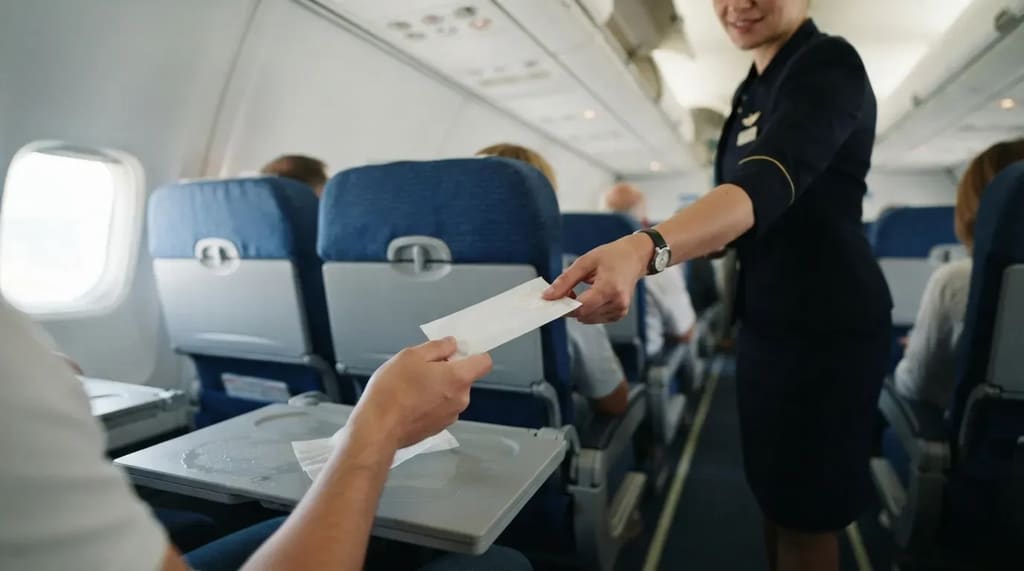
Flight attendants clean the cabin between flights, so they tend to have sanitizer on hand. If you request it for your hands, armrests, tray table or screen, your flight attendant will almost certainly have something you can use. The ask takes one sentence, and the answer usually comes in under a minute.
Still, pack your own packet. A crew member handing out wipes is doing you a favor in the middle of a service, and the passenger across the aisle may want the same thing at the same moment. Pack your own wipes and treat the crew’s as backup. A few carriers go well beyond wipes, with whole pouches of small comforts, and the contents are better than you’d guess.
#16 – A Comfort Kit With Earplugs and Socks
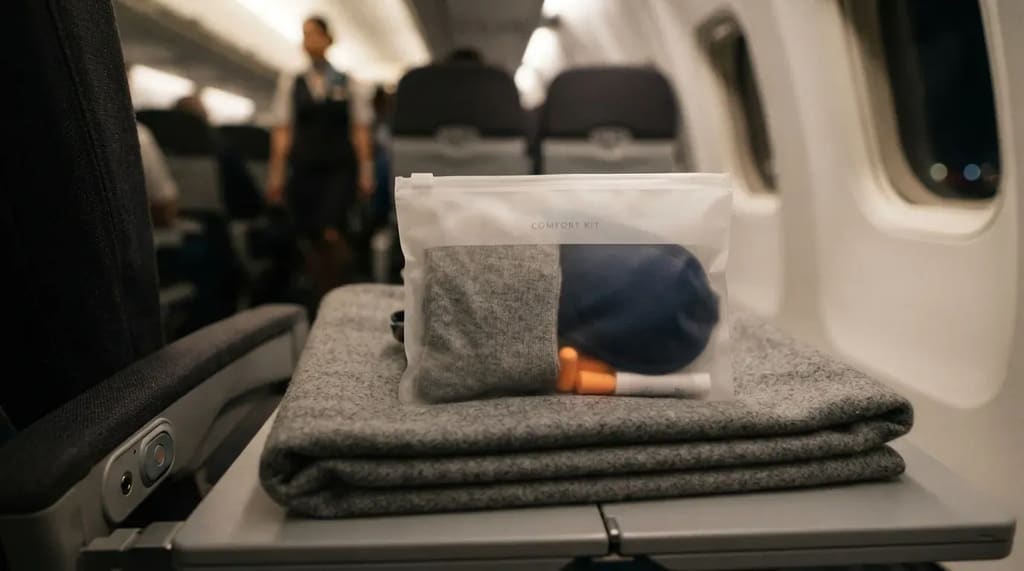
Some airlines provide kits filled with things you can use on the flight, like ear plugs, eye masks, socks and chapstick. They aren’t universal, and on many flights nothing like them is on board. That makes this a free question rather than a sure thing.
Ask before the cabin lights go down, because once rows of passengers are asleep, no crew wants to rummage through the galley for you. If the answer is no, foam earplugs and a sleep mask weigh almost nothing and fit in a coat pocket. Carriers differ widely, so a no on one airline says nothing about the next one you fly.
At a Glance
- What’s inside: Earplugs, an eye mask, socks and lip balm.
- Who has them: Only some airlines, and not on every flight.
- Best timing: Before the cabin lights dim.
- Backup plan: A pair of foam earplugs and a sleep mask from your own bag.
#15 – Wake Me for Meals or Landing
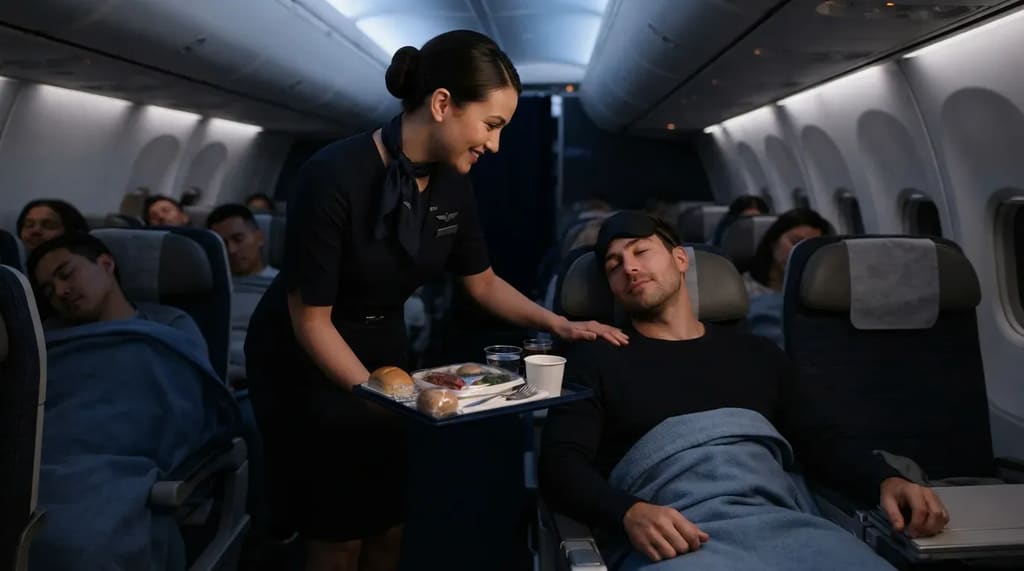
Sleep soundly on a long flight and you can miss the meal cart entirely. You can ask to be woken for meals or landing. The crew can’t guess your preference, and a sleeping passenger is usually left alone, which is polite but can leave you hungry.
Make the request early, before the cabin lights dim. Tell the attendant at the door or when you first see one in the aisle, and keep it brief. Crews are juggling dozens of seats, so a clear instruction beats a vague hope. If you do stay awake, a crew with a free moment can be glad to talk about the one subject you’d expect them to tire of: their work.
#14 – Ask Their Favorite Layover City
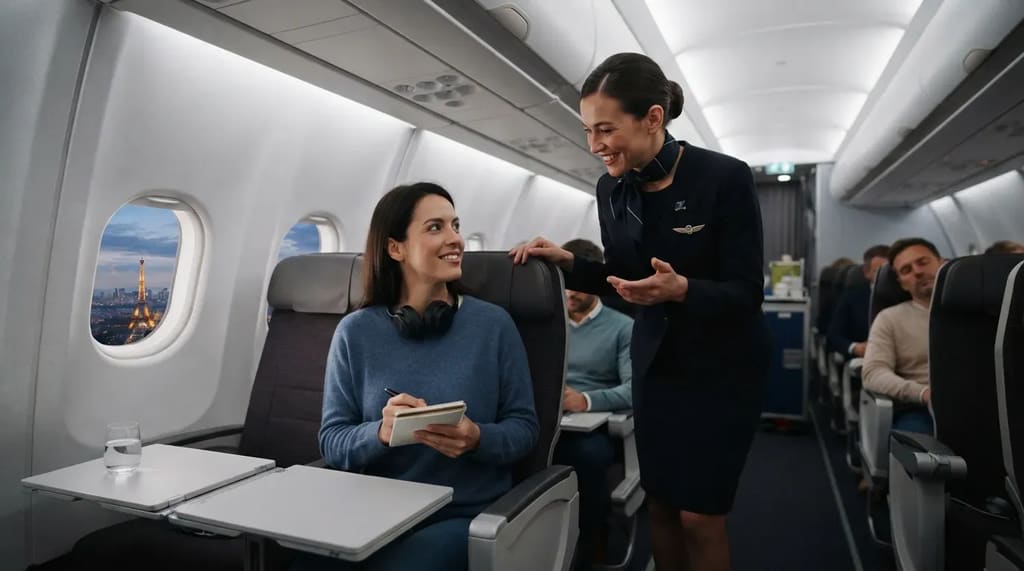
Flight attendants spend a big part of their working lives in other cities, which makes them handy sources for where to eat. A genuine question about their job tends to get a friendly answer if they have time at that moment. If you’re visiting, ask where they’d go. If you’re local, offer your own favorites in return.
The best time to chat is after service wraps up, not while a cart is mid-aisle. Their primary job is safety, so be ready for a short answer when the cabin is busy. Flight attendants are federally designated safety personnel, not just service staff. From conversation to souvenirs, the next ask is for a small metal pin, and whether it exists depends entirely on the airline.
#13 – Wing Pins for Kids and First Flights
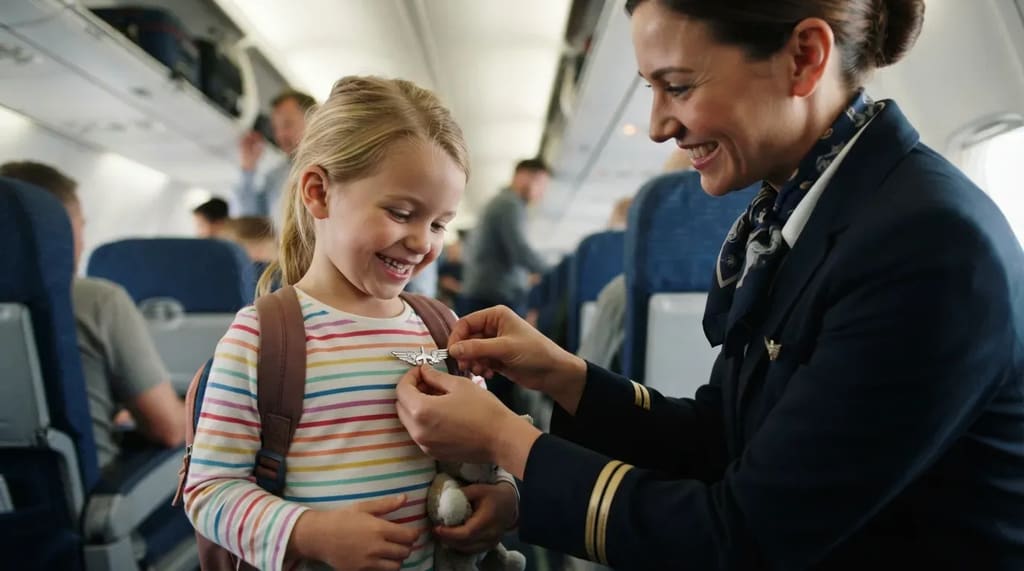
That little pin can define a child’s whole flight. American Airlines once brought back kids’ wings after flight attendants said they missed the interactions.3 Not every carrier has followed, though, so a pin is never guaranteed.
Not all airlines have brought back4 the once-common practice of handing out branded wing pins to kids and first-time flyers. Ask at boarding, when the crew is less rushed. It’s a small ask that often makes the crew’s day too. Wings are for the older kids, while the youngest travelers have a need crews hear constantly, and it involves a bottle.
#12 – Warm Water for a Baby Bottle
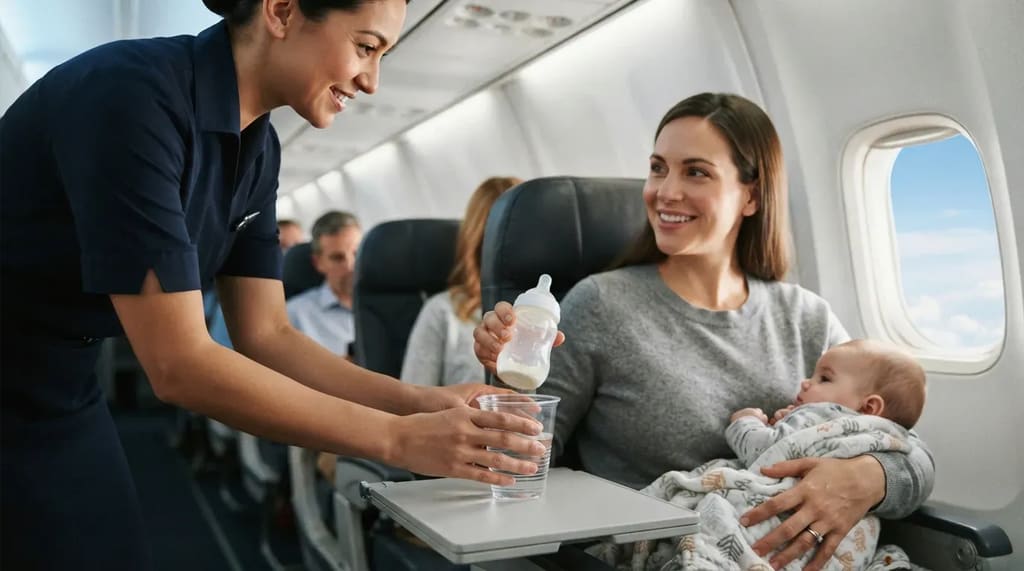
Parents often brace for an eye roll over a baby bottle. They almost never get one. Crews see these bottles on nearly every flight with a baby aboard, and a cup of warm water is usually easy to arrange.
There’s a firm limit, though. The Points Guy reports that flight attendants can bring hot water and a bag of ice for medicine, but can’t heat, mix or store anything, for health code, safety and liability reasons. Ask for the cup of warm water, then do the mixing yourself. A few crews will do more than fetch water. Tell them the right news at the door and some will announce it to the whole cabin.
#11 – A Birthday Shout-Out Over the Intercom
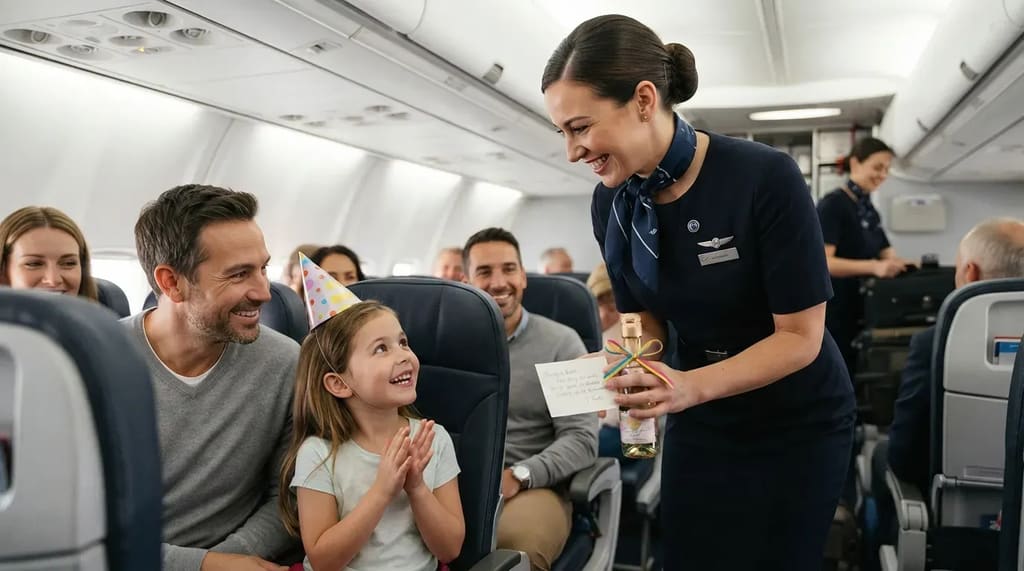
A birthday, a honeymoon or a child’s first flight is worth mentioning before you sit down. A quiet word at boarding can lead to a mention over the intercom, a handwritten note or a small treat. None of it is promised, and it costs nothing to ask.
Say it at boarding, not mid-flight, so the crew has time to plan before the carts come out. Keep it short: the name, the occasion and nothing more elaborate. If a child is the guest of honor, the biggest treat on a plane is a look at the cockpit, and timing decides whether that’s possible.
#10 – A Cockpit Peek, Just Not Mid-Flight
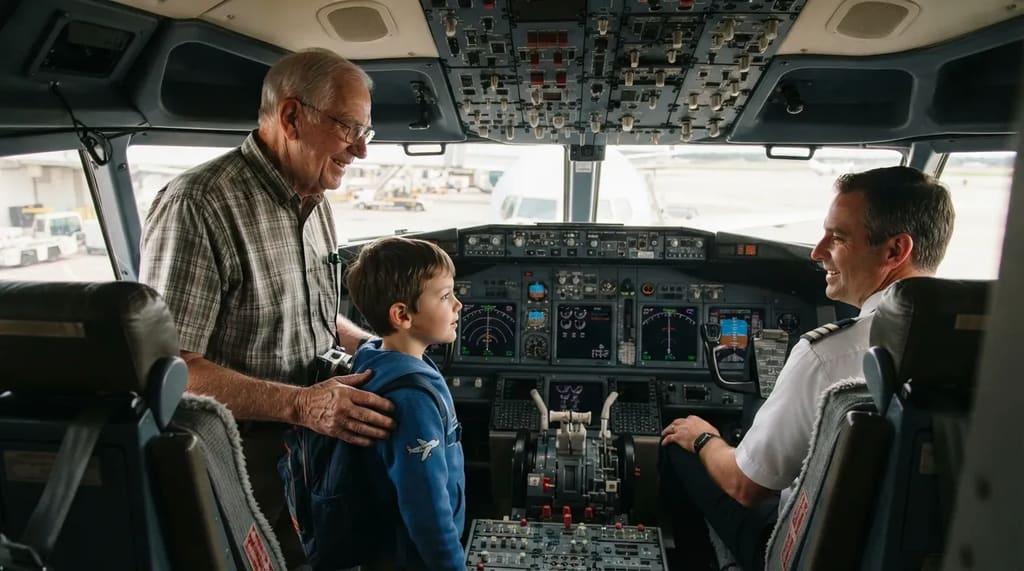
Kids and plane-loving grandparents sometimes get a look at the pilots’ office. Delays, security and tight turnarounds can make it impossible, yet a polite request as you deplane can get a yes more often than parents expect. You can also mention it to the flight attendant as soon as you step on board, since visits before departure are sometimes possible.
The deplaning ask is the smarter play. At the start of a trip, the pilots are busy with checklists, but once the plane empties, the crew may have a few minutes to spare. Plenty of pilots enjoy showing the flight deck to enthusiasts young and old when time and airline rules allow. Mention it at the door, then ask again as you leave. A no after a short turnaround is about the clock, not about you.
Worth Knowing
- Best windows: At the door during boarding, or as the cabin empties.
- Worst window: Mid-flight, when the cockpit door is generally kept closed and locked.
- Most common askers: Kids and plane-loving grandparents.
- What a no usually means: A tight turnaround, a delay or a security rule, not a judgment on you.
#9 – A Move to an Empty Row
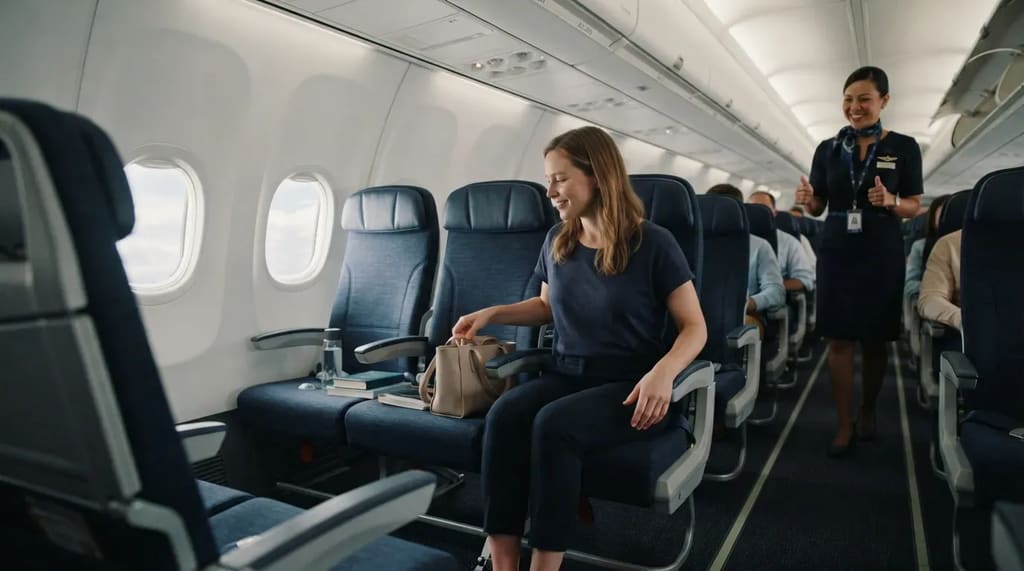
An empty row on a half-full flight goes to waste unless someone asks. If the flight has extra seats and you’re uncomfortable where you are, it doesn’t hurt to ask your flight attendant if you can change your seat. Many crews will suggest the swap themselves once you bring it up.
Ask first, move second. Sliding into a better row without a word can create a seat dispute and some awkward moments when the cabin fills. Ask before you move, never after. If your real worry isn’t legroom but a connection you may miss, the crew can often help there too.
#8 – Connection Updates and Gate Changes
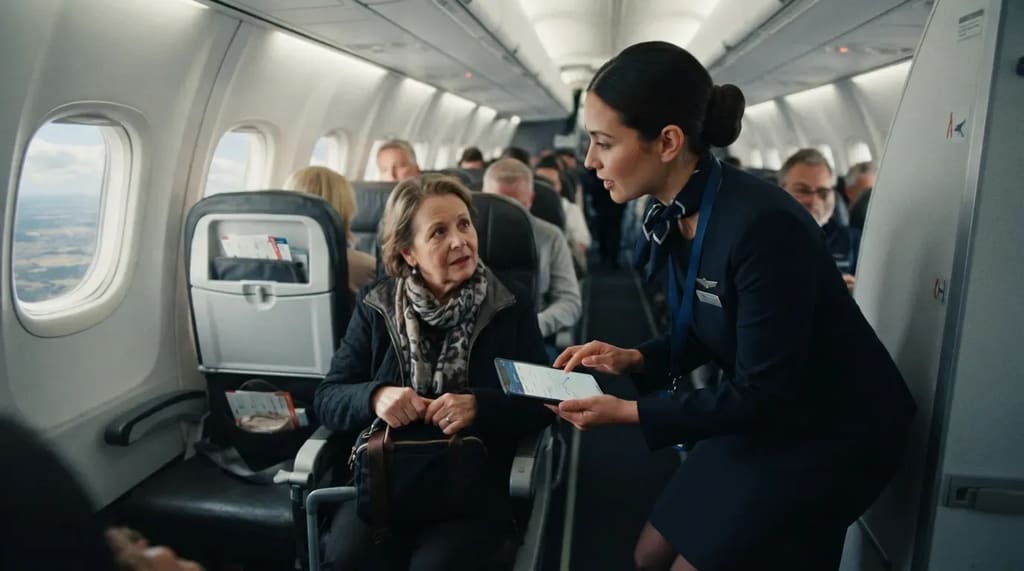
A tight connection turns every minute into money. Passengers often ask for updates on arrival times, especially with connecting flights, and flight attendants share the most current information available. Ask while the crew has a free moment, and check the airline’s app too, since the crew can only pass along what they’ve received.
If walking long distances is hard, ask for more than information. The crew can connect you with an airport worker who meets you at the door. Ask before descent for help reaching your next flight, because once the plane is at the gate the line to leave moves fast. Information is free, but when the delay itself was the airline’s doing, some crews have been known to hand you a free drink.
#7 – A Free Drink After the Airline’s Delay
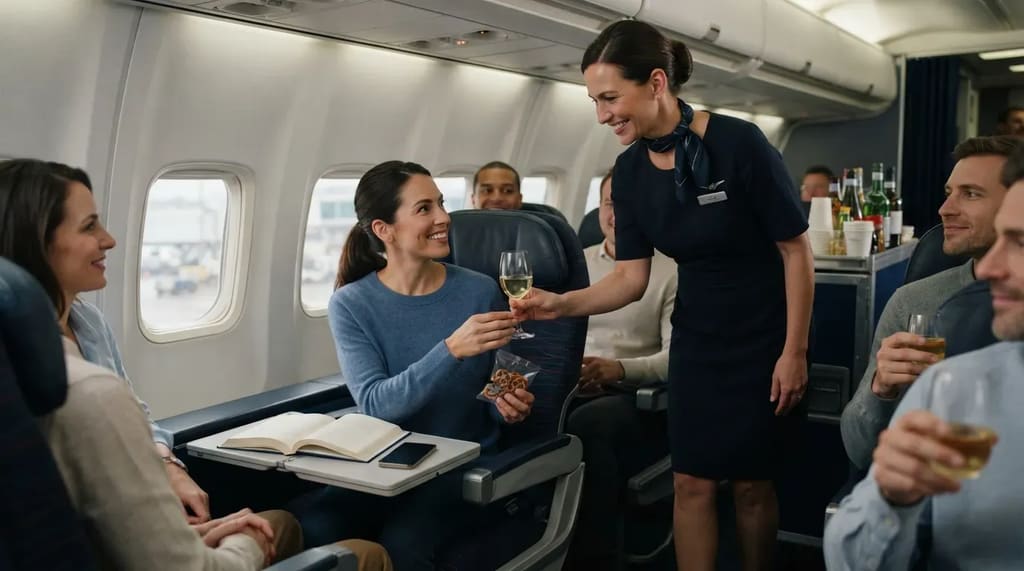
Delays raise tempers, and a free drink can lower them. Crew accounts say the trigger is almost always a mechanical delay or an airline-caused tarmac hold, never bad weather. One flight attendant with 20 years in the job said she’ll comp a drink without hesitation if the delay was the airline’s fault and you’ve stayed polite.
Policies differ by airline, so a soda or water may be all that’s allowed. Politeness during the delay is what earns the offer. Complaining at the gate rarely does. Now from a drink to a bandage: if the long hike between gates left you with a blister, the first-aid kit on board is open to you.
#6 – A Bandage for a Blister or Paper Cut
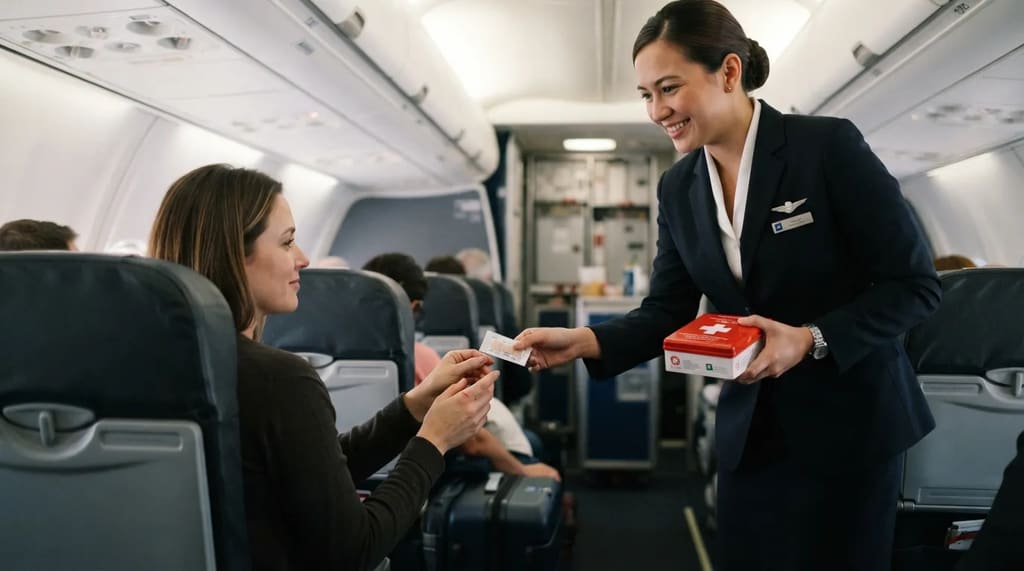
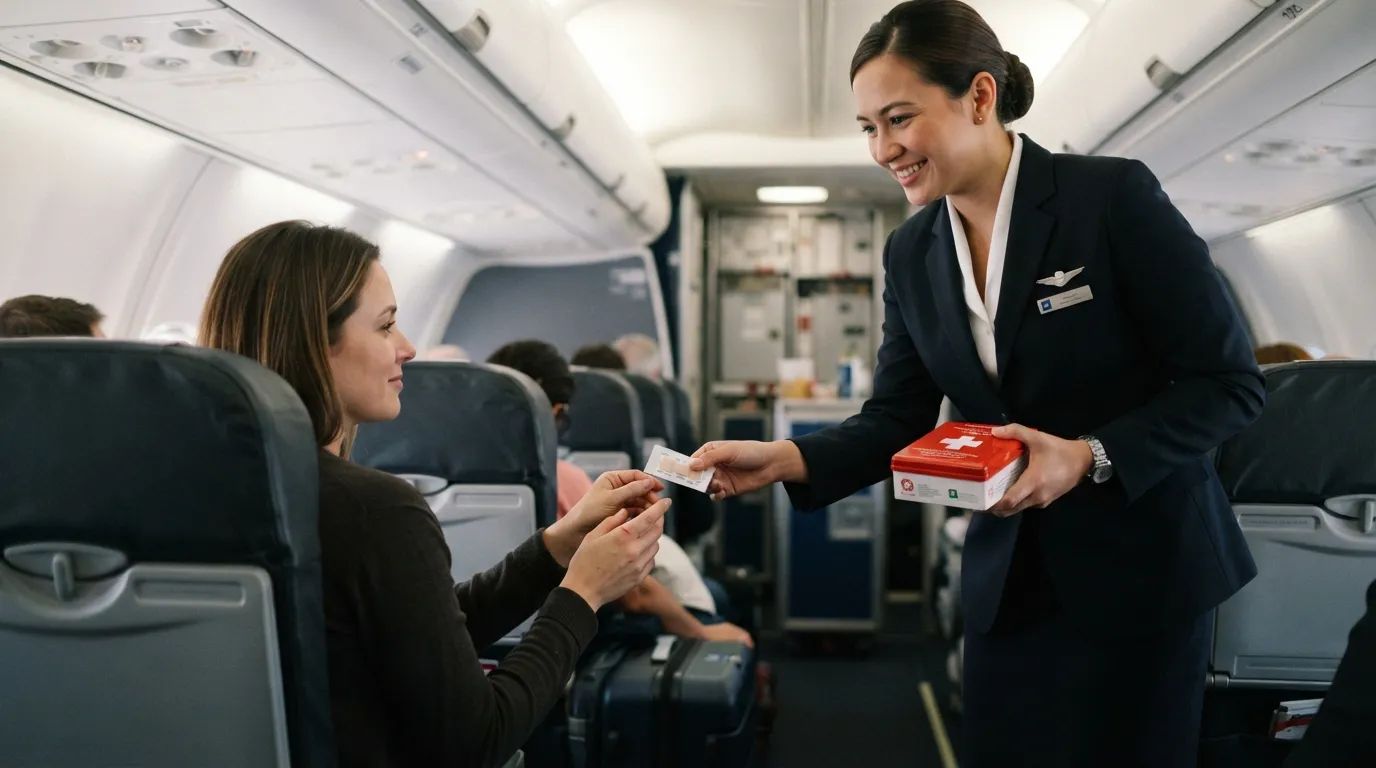
If you’ve been walking from gate to gate and need a plaster for your blister, just ask. The supplies exist, because planes are required to have first-aid kits on board.5 The only missing step is the ask.
Even a paper cut qualifies. Most airlines equip their planes with a first-aid kit, so don’t hesitate to ask for a Band-Aid. Ask for a bandage the moment you spot the blister. Waiting only turns a minor sore spot into a long walk through a terminal in the wrong shoes.
Related Stories From Travelbinger
#5 – A Bag of Ice for Swollen Feet or a Headache
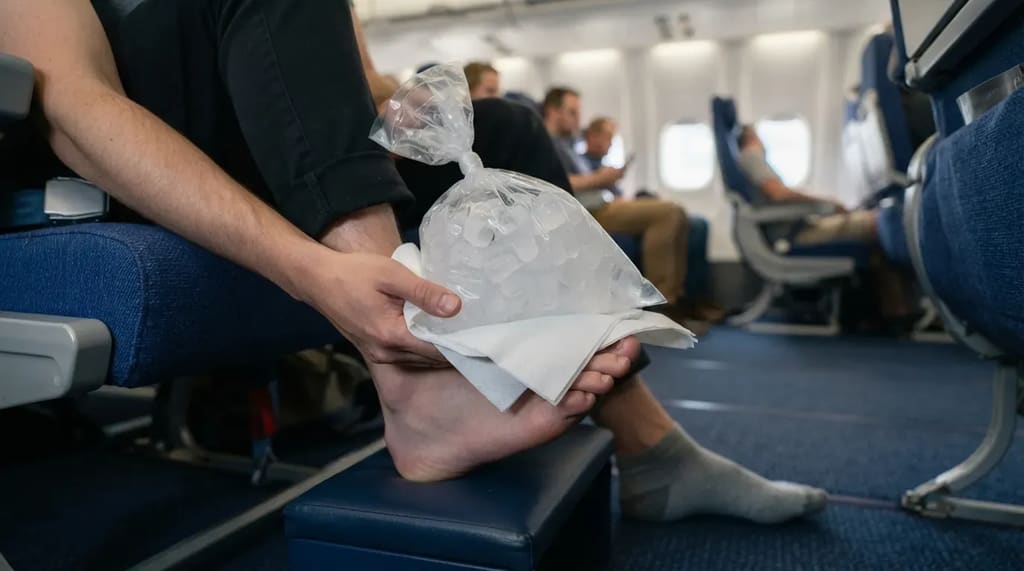
Ice is the item on this list passengers think of least. Folks who have swollen feet or a headache can check with their flight attendant about a bag of ice to use as a cold compress.2 It’s the same ice from the cart, only bagged, so the request is as easy as asking for extra in your cup.
For anything that looks serious, crews follow set medical procedures, and they may call for a doctor on board. Ask for the ice bag at the first sign of swelling. There’s one more piece of equipment passengers go without out of embarrassment, and it’s free on most airlines.
#4 – A Seat Belt Extender, No Questions Asked
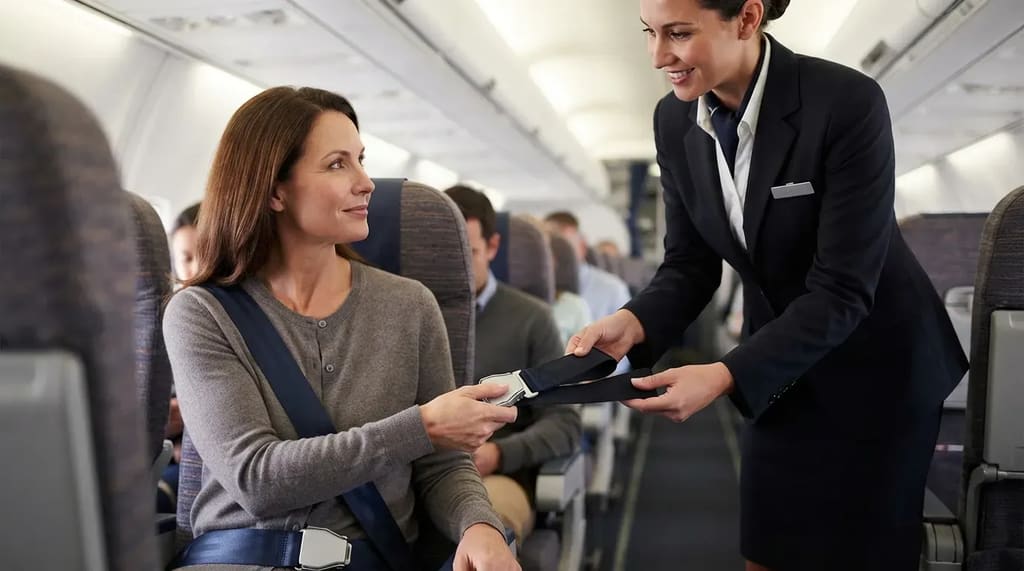
Plenty of passengers who need an extender suffer through a too-tight belt because they dread asking, yet crews hand them out all the time and most airlines provide them at no charge.6 It isn’t a favor. It’s equipment, and the crew keeps it on hand for exactly this reason.
Why It Stands Out
- It’s gear, not a favor: Crews keep extenders on hand for exactly this purpose.
- It’s usually free: Most airlines provide them at no charge.
- It’s discreet: One quiet word at the door, and nobody else needs to know.
- It’s about safety: A belt that fits is a belt you’ll actually keep fastened.
A belt that fits properly is one you’ll actually keep fastened, so this request is about safety as much as comfort. Ask at the door while boarding, and no one else needs to know. You can also use the call button once you’re seated. If the trouble is getting down the aisle at all, there’s a request that starts at the gate, before the boarding rush.
#3 – Preboarding When You Need Extra Time
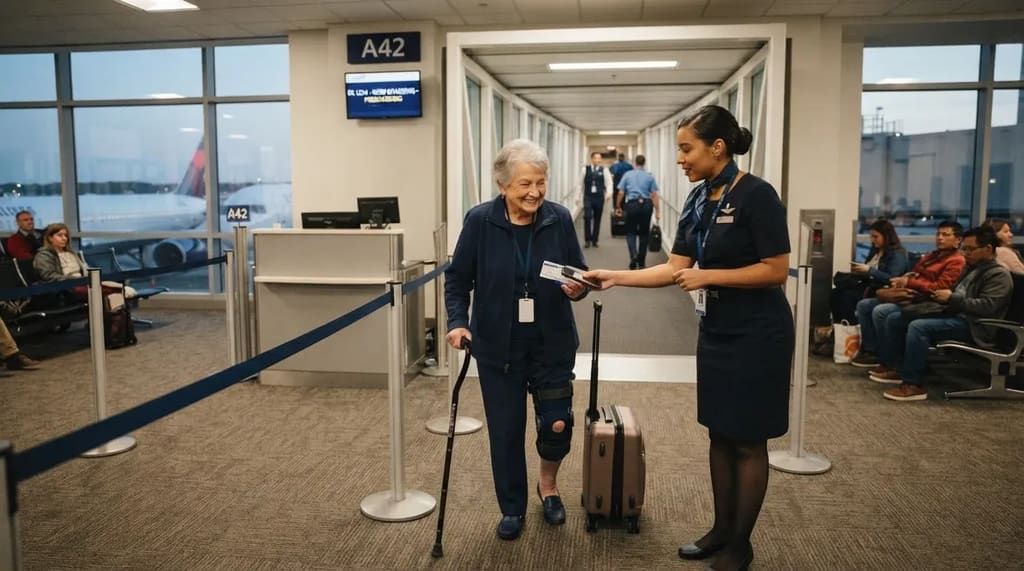
Boarding is where a bad knee or a hip shows up. You can request preboarding from a flight attendant or a gate agent before boarding, and crews generally don’t push back once someone identifies the need. Say you’d like extra time to get settled. That’s all the explanation required.
Flight attendants would almost always rather help than watch someone struggle and delay the whole boarding process. Ask at the gate desk before boarding groups are called. The needs that arrive in the air are different, and the best moment to ask for help with those is before you feel you need it.
#2 – A Sick Bag Before You Need One
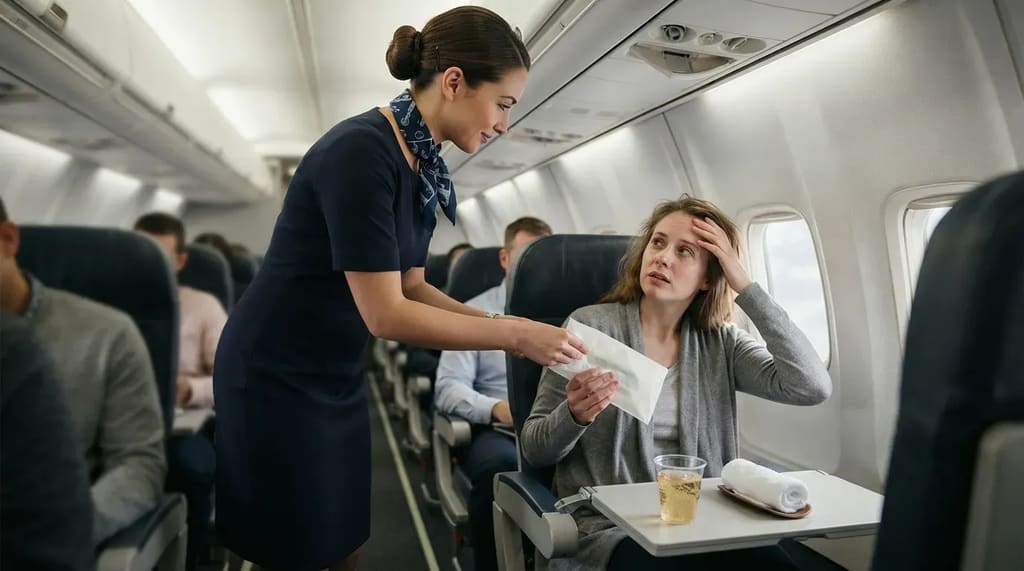
Waiting until you feel awful is the classic mistake. Sick bags are usually in the seat pocket, but crews can bring extras, a cold towel, or a drink like ginger ale if they have it on board. Not every flight stocks them, which makes asking early even more useful.
Crews would much rather you ask early, and there’s no judgment in it. Ask at the first wave of nausea, not the third. Crews also understand you may need the bathroom in the midst of an emergency, such as feeling sick. The last request on this list needs no hedging, no stock check and no lull in service.
#1 – Help With Any Health or Safety Problem
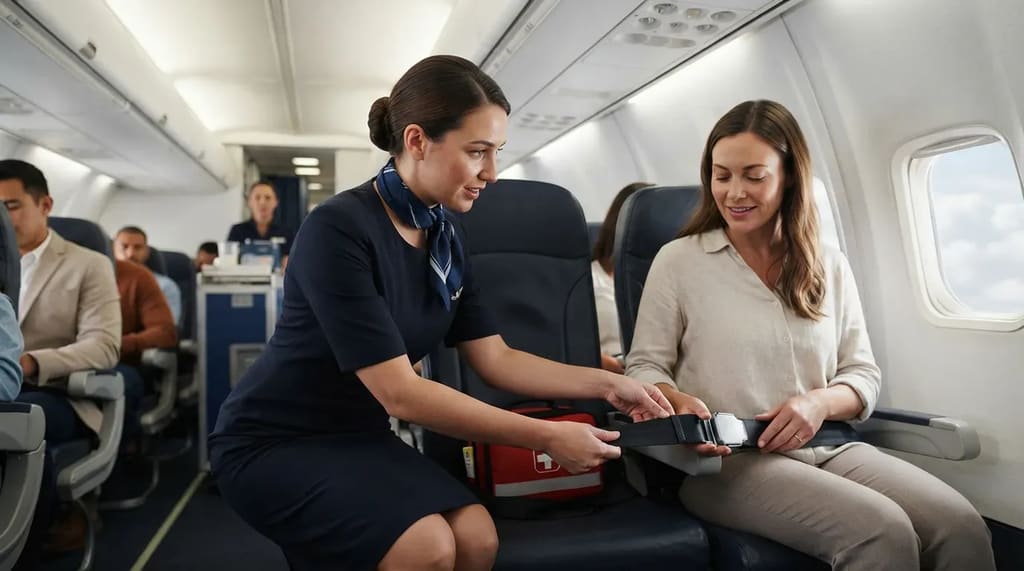
Every item so far came with a catch: stock, timing or airline policy. This one has none. Etiquette experts who work with flight attendants sort requests into safety, comfort, convenience and health, and say that with a health or safety issue it’s appropriate to ask every single time. A seat belt extender, a medical page, a preboarding need or simply feeling unwell mid-flight all sit in the category where crews say the answer is always yes.
That covers small things too. Flight attendants and travel creators say you can ask for basic pain medication like acetaminophen or ibuprofen, since planes carry first-aid kits.7 Flight attendant Sille Rydell has urged passengers to ask for anything they need, even if they think the airline doesn’t have it on board. When it’s about health or safety, ask every time, however small it seems. If it’s serious, tell a crew member immediately and check with a medical professional after you land.
Treat the cart as a menu you’re allowed to read aloud. The yeses depend on what was loaded and how busy the aisle is, but the asking costs one polite sentence. The only real mistake on this list is staying silent about something that matters, because a quick ask almost always costs less than the problem.
What’s the smallest thing a flight attendant ever did for you that made a whole flight better?
- HuffPost Things To Ask For: https://www.huffpost.com/entry/10-things-you-didnt-know_b_3224573
- Flight Attendant Little-Known Requests: https://news.google.com/read/CBMitAFBVV95cUxOLWhGN0FZZmJaZlk2Yk12NmtHNk9zMWVDeEkwYVpidmVWMC1XVzJ4TU5WekVYS29XSkdlVHRCVnBEMUxJRXR2MUZVR2VnTDAtbTBNTkRXSlZfQTRjWmNxZ0tzTnhIbjZrd0VDOUFnaWluelhSSXBkeGVKZk9tSTkxZmhhNUFVUGJtYTEtbXVpUXBTS244a01MRThqVjJRbENQOEZ6Zm44eHZ0R0lOX05COURZTmc?hl=en-US&gl=US&ceid=US%3Aen
- American Airlines Kids’ Wings: https://news.aa.com/news/news-details/2016/American-brings-back-kids-commemorative-wings/default.aspx
- Forbes Kids’ Wings Return: https://www.forbes.com/sites/tedreed/2016/06/02/american-airlines-brings-back-kids-wings-an-amenity-that-had-disappeared/
- eCFR Emergency Equipment Rule: https://www.ecfr.gov/current/title-14/chapter-I/subchapter-F/part-91/subpart-F/section-91.513
- US News Seat Belt Extenders: https://travel.usnews.com/features/airplane-seat-belt-extenders
- View From The Wing Freebies: https://viewfromthewing.com/airlines-have-free-stuff-on-board-if-you-know-to-ask/