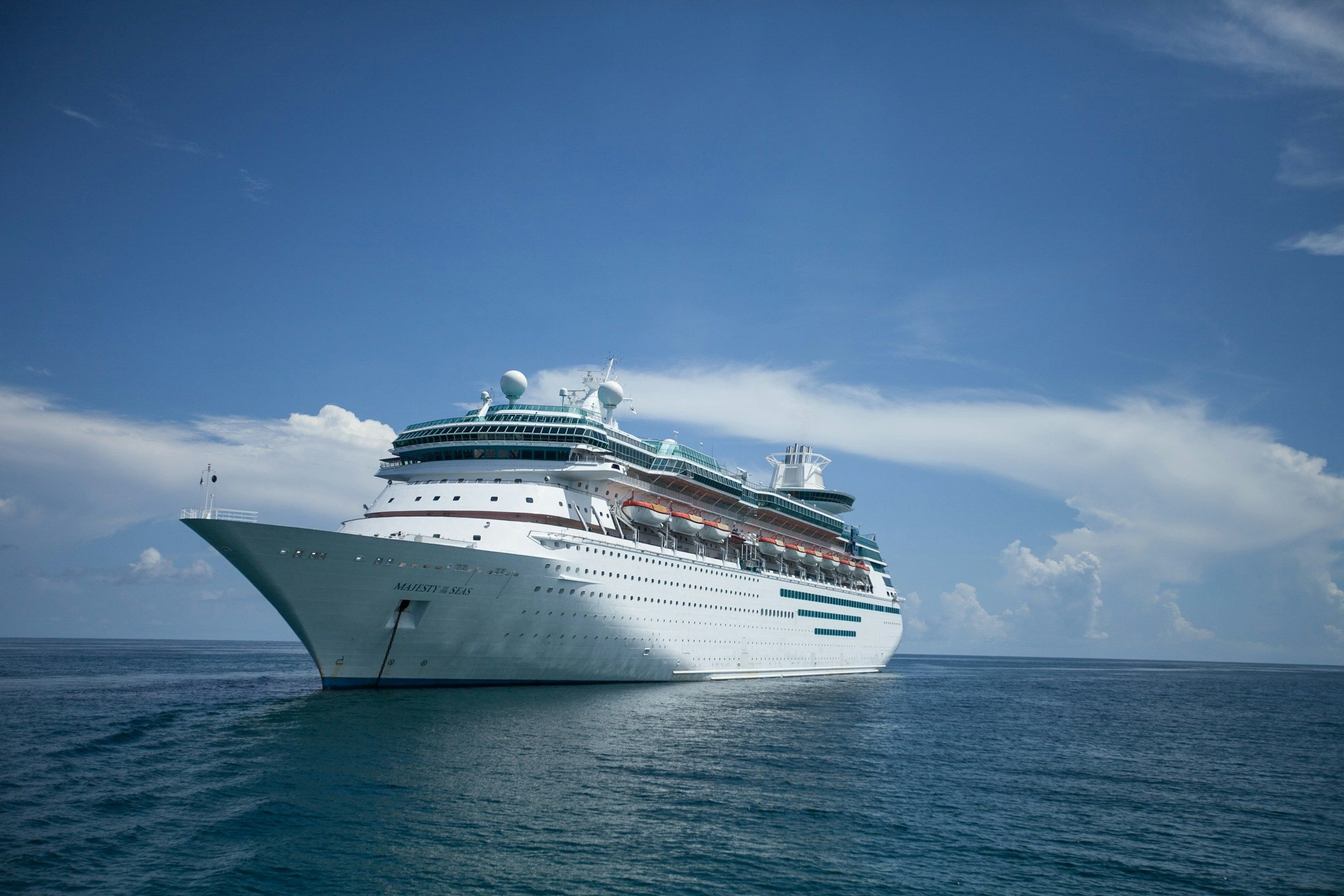
There’s a particular kind of confidence you notice on embarkation day. Some passengers shuffle through the terminal looking a little lost, checking phones, asking staff repeat questions. Others move with purpose, as if they’ve done this a hundred times, because in many cases they have. That difference usually comes down to a handful of small habits, repeated trip after trip, that turn a chaotic boarding day into something closer to routine.
1. They complete online check-in weeks in advance

Veteran cruisers rarely leave check-in for the last minute. Online check-in is no longer optional, and every cruiser must complete it before arriving at the port, with doing it properly genuinely able to save the holiday.[1] Skipping this step or leaving it too late has caused real problems for travelers who assumed they could sort it out at the pier.
Experienced sailors treat the check-in window almost like a countdown, logging in the moment it opens. On Princess Cruises, for instance, arrival group selection through the OceanReady app only opens starting thirty days before embarkation, and the line automatically assigns an arrival group that aligns with travel plans just before selection opens[2] if the checklist has already been finished. Waiting too long simply means fewer options later.
2. They grab the earliest possible arrival time slot

Not all boarding times are created equal, and veteran cruisers know it. On Carnival, for example, passengers must select their own arrival time since it isn’t automatically assigned, so those wanting an earlier slot need to act quickly since desired times are usually chosen first and may already be gone if left until a few days before departure.[3]
Suite guests often get an edge here too. Suite passengers on Carnival can select arrival appointments forty eight hours before other guests, making it easier to grab one of the earliest time slots, and there’s also a dedicated check-in lane for priority guests.[3] Regular cruisers without suite perks simply set a reminder and jump on the booking window the second it opens.
3. They fly in at least a day before departure
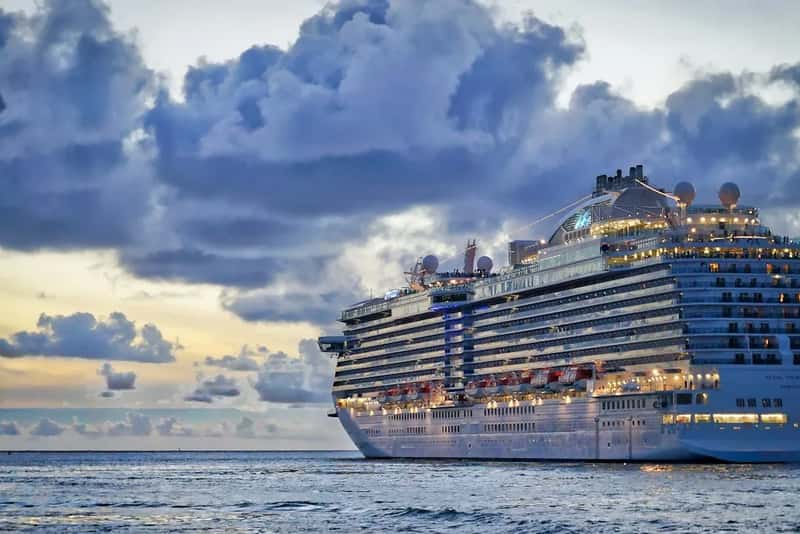
This is one of the most repeated pieces of advice among people who’ve cruised dozens of times, and for good reason. The recommendation is to fly in at least one day before the cruise, because flights get delayed, weather happens, and a cruise ship won’t wait, so the stress of trying to make it in on the same day simply isn’t worth it.[1]
A missed sail date isn’t just an inconvenience, it can mean losing the entire first leg of a cruise with no easy way to catch up except flying to the next port at personal expense. Veteran cruisers treat the extra hotel night as a small insurance policy rather than a wasted expense. It also gives them a calmer, less rushed morning to head to the terminal.
4. They pack a dedicated embarkation day carry-on
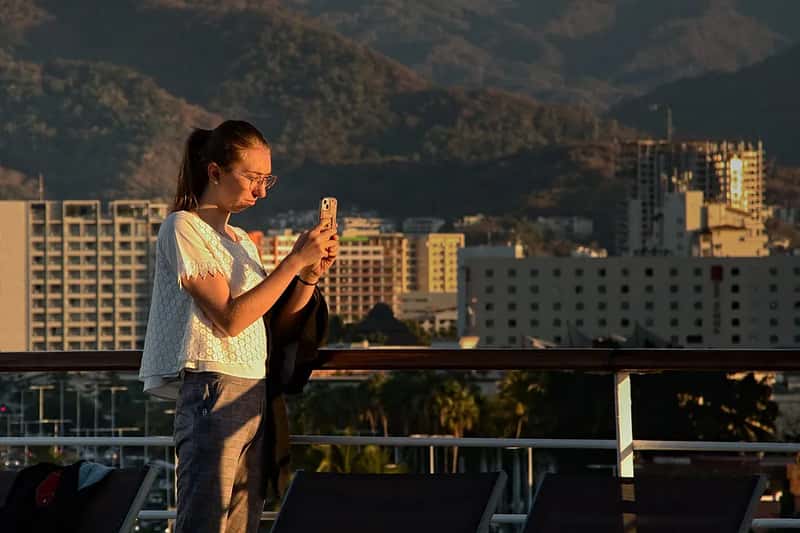
Checked luggage doesn’t magically appear in the cabin the moment you step aboard. Checked bags typically appear later in the day outside the stateroom, so it’s important to pack a carry-on bag with anything needed before that luggage is delivered.[4] Experienced cruisers build this bag with intention rather than tossing in whatever’s handy.
The usual contents are predictable once you’ve done it a few times. The key items are medication, valuables, a phone charger, and if heading somewhere warm, a swimsuit so the pool can be enjoyed on boarding day itself.[1] MSC’s own guidance echoes this, noting that it’s recommended to bring any items needed on embarkation day and evening in the carry-on, such as a change of clothes, swimwear and medications.[5]
5. They print and organize their boarding documents ahead of time
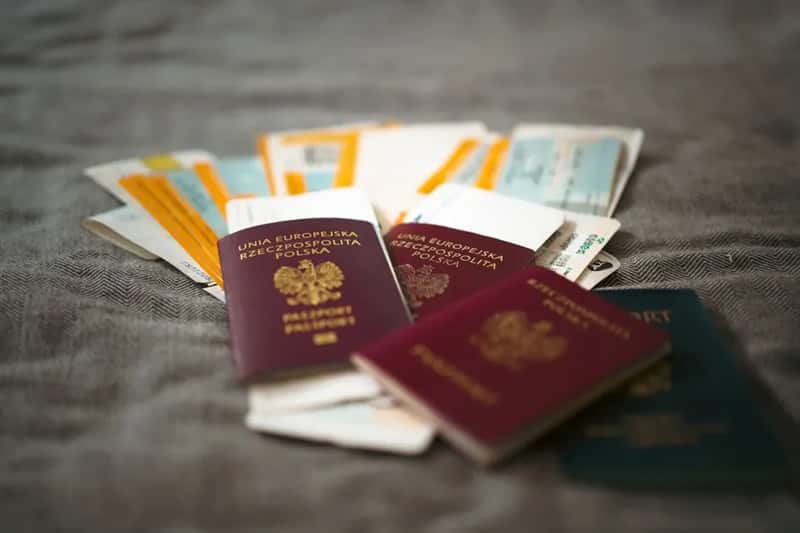
Digital convenience is nice until a phone battery dies or an app glitches at the worst possible moment. That’s why seasoned cruisers still print a hard copy as backup. Printing a physical boarding pass before leaving home or a pre-cruise hotel helps ensure the boarding process isn’t delayed, regardless of whether it’s printed in black and white or color.[3]
These documents matter more than most first timers realize. The boarding pass carries plenty of important embarkation day information, including the ship name and sail date, embarkation city, arrival appointment time, final boarding time, stateroom number, loyalty number, and muster station.[3] Having it printed and easy to grab saves a scramble at the terminal doors.
6. They arrive within their assigned window, not before it
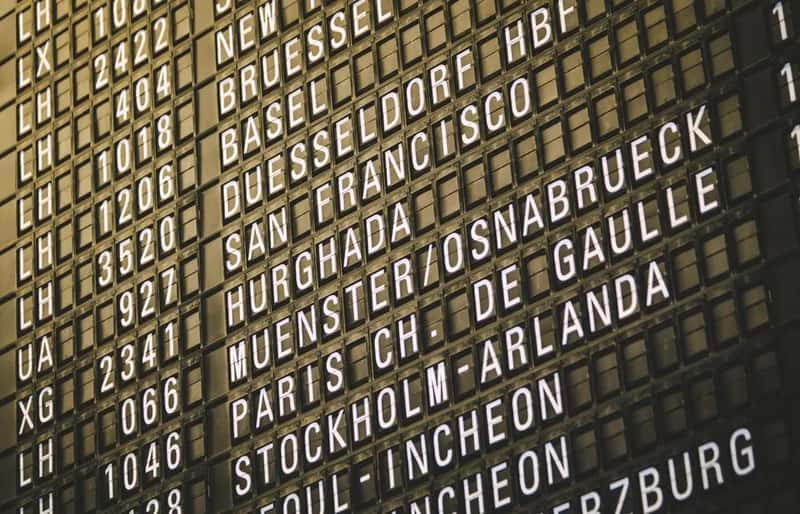
Showing up hours early might feel proactive, but veteran cruisers know it usually backfires. Royal Caribbean’s own policy states that guests should arrive within the arrival time slot selected during app check-in, since those who arrive early will not be able to begin boarding and those who arrive late will need to wait until they can be worked into another group.[6]
This isn’t arbitrary. Arrival times exist to stagger the number of passengers boarding, because if thousands of people arrived at once, the result would be chaos rather than a smooth start to the vacation.[6] Experienced cruisers respect the schedule instead of fighting it, and they tend to have a far calmer terminal experience because of it.
7. They know exactly what security and check-in will involve
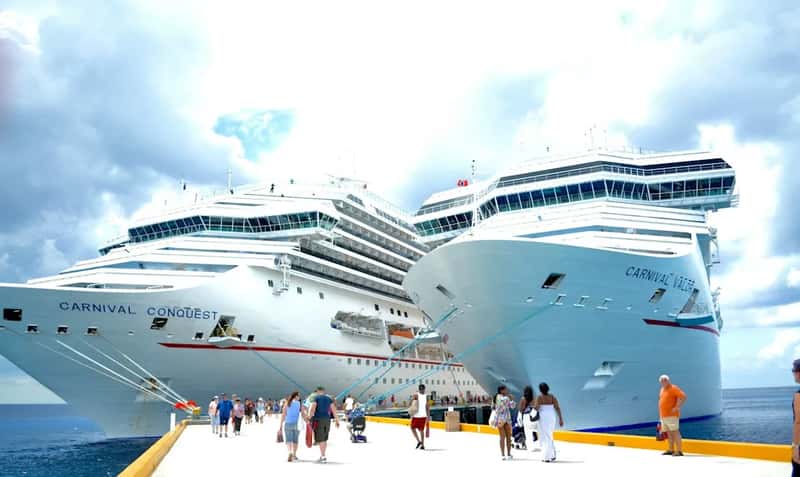
Nothing slows a line down faster than someone unpacking a bag they didn’t need to unpack. Frequent cruisers know the screening process well by now. Carry-on bags pass through a scanner and passengers walk through a metal detector, similar to airport procedure, though shoes stay on and laptops or liquids don’t need to come out unless something looks suspicious.[7]
They also know which lines move faster. On more advanced ports or lines like Royal Caribbean and Celebrity, guests who’ve already completed check-in, onboard account setup, and their security photo through the app can skip the check-in desk entirely.[7] That single habit, finishing every digital step early, often shaves significant time off the whole process.
8. They skip the buffet crowd for a smarter lunch option
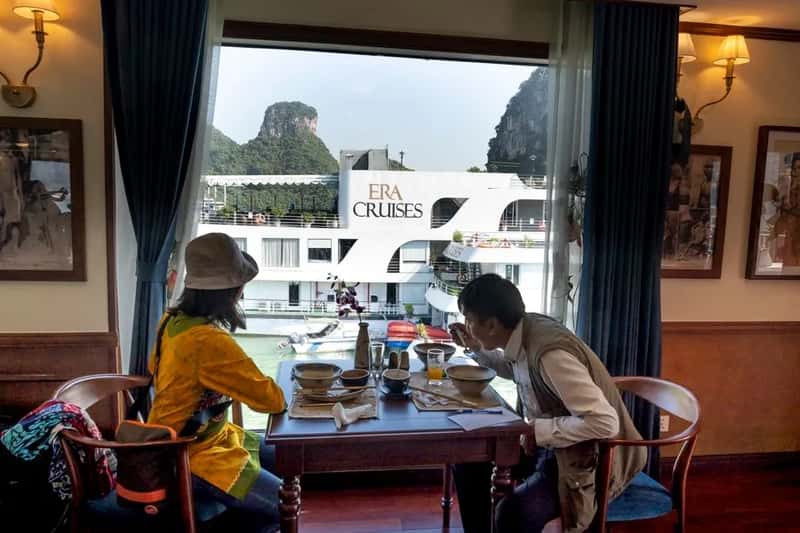
Hunger hits fast once you’re finally aboard, and most first-time cruisers head straight for the buffet because that’s where crew members point them. Veteran cruisers usually have other plans. As boarding begins around noon and continues into the afternoon, many people arrive hungry, and crew often direct passengers to the buffet, though experienced cruisers know there are other, less crowded options.[8]
On specific ships, this becomes a small ritual of its own. On Carnival ships, some head directly to Guy Fieri’s poolside burger joint for a burger or fries instead[8], while Royal Caribbean regulars make a beeline to the Park Cafe for Kummelweck roast beef sandwiches, something of an embarkation day tradition.[8] It’s a small choice, but it avoids the worst of the midday crowd.
9. They hand off luggage to porters and keep a little cash ready
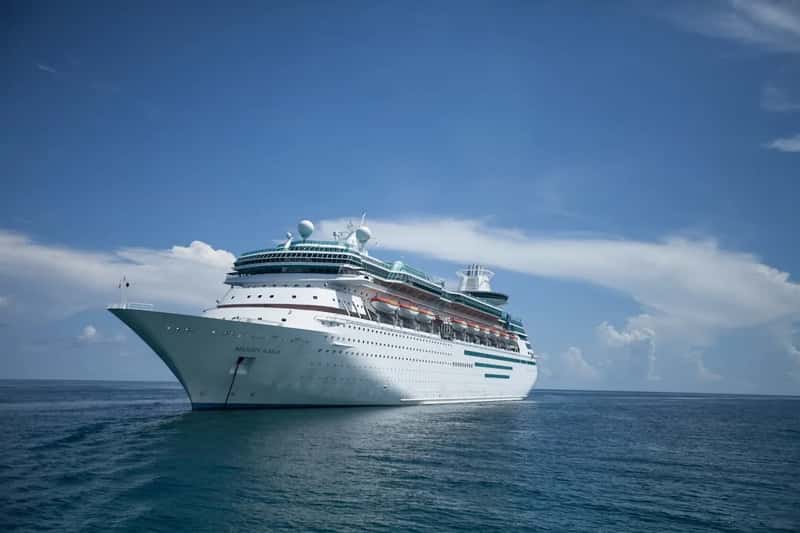
Curbside drop off is one of those moments where experience really shows. Veteran cruisers already know where to go and how the process works before they even get out of the car. Arriving by car typically means being directed to a baggage unloading zone where porters help unload checked bags, before being directed toward parking.[4]
They also come prepared for the small courtesy that’s expected at this stage. It’s customary to keep a little cash on hand since tipping porters is standard practice.[4] This one habit, having a few small bills ready, prevents an awkward fumble right at the start of the trip.
10. They use the waiting period productively instead of standing around
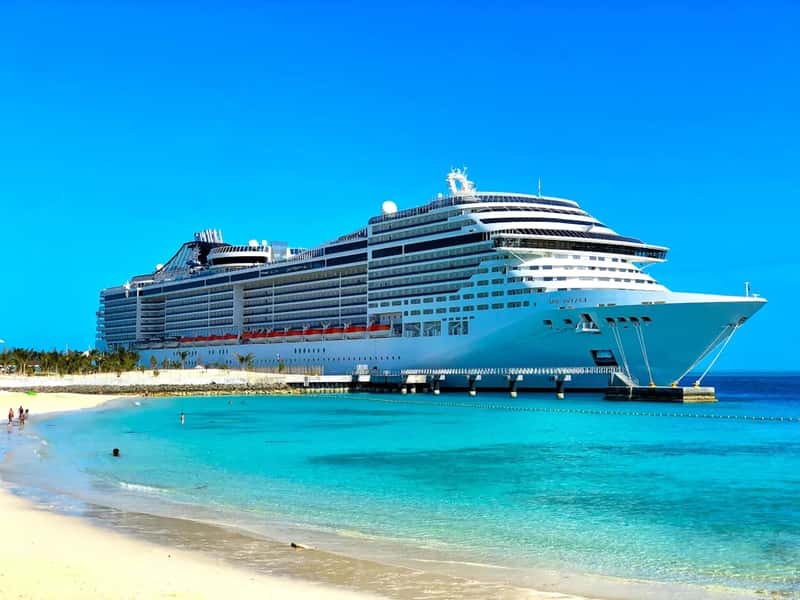
Cabins usually aren’t ready the moment you step aboard, and rooms often aren’t accessible until early afternoon. Rather than treating that gap as dead time, experienced cruisers use it to get oriented and lock in plans for the week. Many head to specialty dining venues or guest services to confirm reservations, while others simply walk the ship deck by deck to learn the layout before it fills up.
This habit pairs naturally with another one: getting the mandatory safety briefing out of the way early. All cruisers, regardless of cruise line, must complete the ship’s safety drill before sailing away, though some lines, including Carnival, don’t require passengers to report for an in-person drill at the same time.[3] Getting oriented and squaring away logistics in these early hours means the rest of embarkation day can actually be enjoyed rather than spent hunting for information.
None of these habits are complicated or expensive tricks. They’re mostly about timing, preparation, and knowing what to expect before you’re standing in a terminal trying to figure it out on the spot. First-time cruisers pick most of this up naturally after a sailing or two, which is really the point. Embarkation day gets smoother with practice, one small habit at a time.