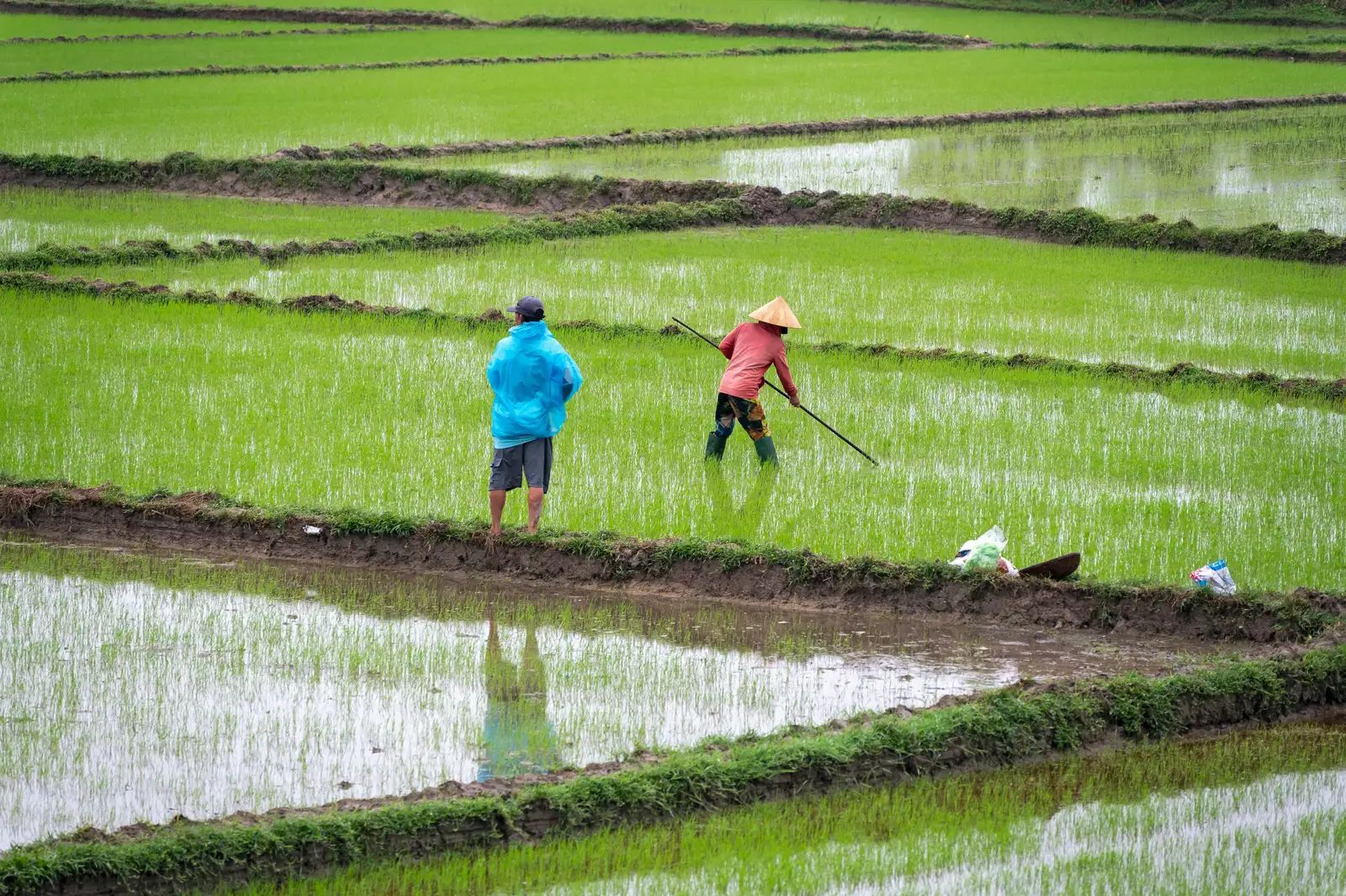
Smallholder farmers around the world are already absorbing the effects of a historically strong El Niño, a weather pattern forecast to peak in December and keep affecting harvests into 2027 ([1]). The consequences extend well beyond rural fields. Warnings of shocks to global food prices and food security are growing, and the growers who supply much of the world’s food are the first to register the strain.
How large the hunger toll could become
The United Nations World Food Programme has attached a number to the risk. Its early projections suggest the 2026-2027 event could add at least 49 million people to the ranks of those facing acute hunger by the end of 2027 ([2]). Across 45 countries already considered food insecure, the agency’s analysis puts the total climbing from roughly 225 million to 274 million, an increase of about 22 percent.
WFP Acting Executive Director Carl Skau framed the threat plainly: “El Niño is a massive threat to the food security of millions who are already vulnerable.” Some climate researchers argue the most difficult stretch may still lie ahead. One climate scientist quoted by Yale Environment 360 said that ([3])”2027 is going to be the record-shattering year,” even though 2026 itself is running warm.
Crops, prices and the regions under pressure
The pressure is already visible in specific markets. Palm oil suppliers in Indonesia report losses tied to a prolonged drought, while in Sudan late and irregular rains have raised the likelihood of widespread famine. In Central America, Guatemalan families are seeing sharp declines in the crops they normally keep for their own tables. Several governments have responded with emergency declarations, including El Salvador, Honduras, Panama, Bolivia and Peru.
Peru faces its own exposure. Nearly eight million people live in flood-risk zones as the coastal event is forecast to reach strong or very strong intensity through April 2027 ([4]). Elsewhere, the Food and Agriculture Organization has identified the areas with the highest drought risk tied to El Niño:
- The Sahel
- Southern Africa
- South and Southeast Asia
- Central America’s Dry Corridor
- The Caribbean
Those regions overlap heavily with the places where food budgets are already tight, which is why analysts see the risk as more than a weather story.
Why smallholders absorb the first shock
Smallholder farmers grow a large share of the world’s rice, cassava, cocoa and coffee, yet they usually have the thinnest reserves to fall back on when a harvest fails. Amanda Archila, chief executive of Fairtrade America, told Mongabay that her organization’s producers are already reporting “clear signs of a dramatic increase” in the number of food insecure smallholders. Her comments suggest the impact is not a distant forecast for these households.
The effects also reach beyond the dinner table. Byomkesh Talukdar, an assistant professor at Florida International University, has warned that past El Niño events were followed by greater exposure to disease, including malaria and dengue. Crop losses can also push families toward debt, distress sales of assets and, in some cases, child labor, outcomes that tend to outlast the weather itself.
What matters now
- The event is forecast to peak in December, but WFP’s window runs from September through December ([5]).
- Effects are expected to carry into 2027 through reduced future harvests.
- Smallholders in the most exposed regions face the sharpest income losses first.
A window for early action
WFP has called for urgent investment in early action, a step that would position food and cash support before harvests fail rather than after. The agency’s warning has been framed around that timing, since the worst outcomes tend to arrive once households have already exhausted their stocks ([6]).
For consumers, the impact may appear gradually on store shelves and in commodity markets. For farming communities, the sequence is more immediate. Whether the global response arrives in time will depend on how quickly support reaches the fields where the losses are already accumulating.