Germany drew a record number of overnight stays in 2025, and guests from abroad accounted for roughly 83.8 million of them[1]. Among those visitors, Americans are a big group. The United States was expected to become Germany’s second largest international source market by overnight stays in 2025, with nearly seven million projected.[2]
With that many visitors, small cultural differences show up in ordinary moments, like paying a bill, crossing a street or finding a drink. None of these habits is rude, and plenty of American travelers pick up the local rhythm within a day or two. Still, they’re the details locals tend to spot first.
Tipping at American Percentages

In Germany, the usual approach is to round up or add roughly five to ten percent to the bill[3]. Going to fifteen percent isn’t expected and is unusual even among locals[3]. One guide notes that tipping fifteen to twenty percent might raise eyebrows[4].
The gap comes down to how service work is paid. Waitstaff in Germany earn a living wage, often with benefits like health insurance and paid vacation[5]. A tip is treated as a thank you, and not a wage supplement[3].
Leaving Cash on the Table
Many Americans walk away from a meal with the tip sitting on the tablecloth. In Germany, that’s not the custom. You tell the server the total you want to pay, tip included, when they bring the bill.[6] So on a bill of 22 euros, you’d say 25 as you hand over the money.
One guide says you should almost never leave money on the table after you walk away[5]. Cash still tends to be preferred, since card tips don’t always reach staff[6]. That said, many restaurants now let you add a tip to a card payment[7].
Expecting Cards to Work Everywhere

Germany has a reputation for loving cash, and the data mostly backs it up. A Bundesbank study of test purchases in summer 2025 found that nearly all the sales outlets visited, 99.4 percent, accepted cash[8]. Cash was still by far the most used payment method in 2025[9], even though cashless payments have edged ahead overall.
Cards aren’t a sure thing for visitors either. The domestic girocard was accepted by nearly three quarters of surveyed retailers, while only around half accepted Visa and Mastercard.[10] Meanwhile, over half of Germans surveyed said they’d been somewhere in recent months where they wanted to pay without cash but only cash was taken[11]. A few euros in your pocket saves a lot of awkward moments.
Tossing Bottles That Carry a Deposit
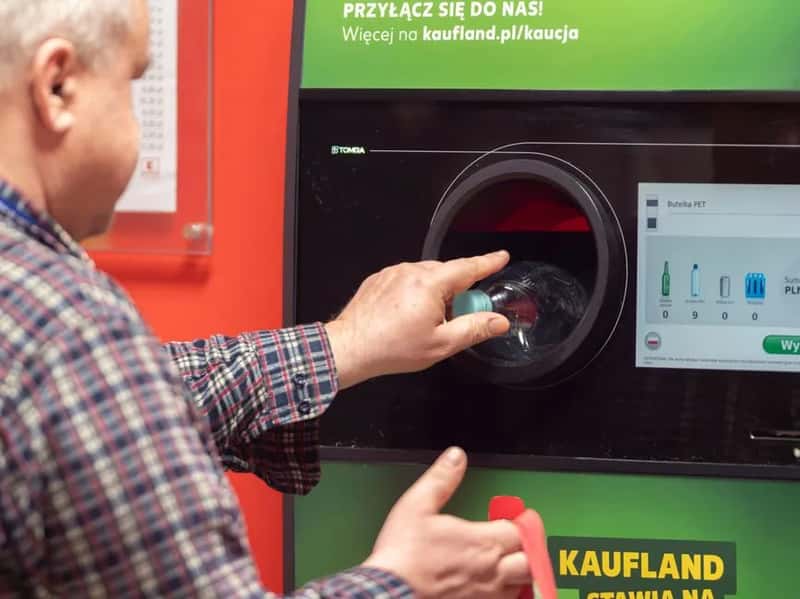
Drink something from a can or plastic bottle in Germany and you’ve paid a deposit, known as Pfand. The deposit on one way containers is a flat 25 cents per item.[12] Reusable bottles, like many beer bottles, carry a smaller deposit of 8 to 15 cents[13].
Locals often notice when a visitor drops a bottle in a public bin, because that’s money thrown away. Return rates are high, and one guide says they regularly exceed ninety five percent[14]. Tourists can use the return machines too, and no receipt is required[14].
Waiting for a Server Who Never Hovers

Many American restaurants are built around frequent check ins and a bill that arrives before you ask. German dining works differently. Servers won’t check on you every five minutes or bring the bill until you ask for it[5], and the phrase for that is simply “die Rechnung, bitte.”
Visitors sometimes read this as slow or inattentive service. It’s usually the opposite. The meal is treated as yours for as long as you want it, and café culture is all about lingering[15]. Catching a server’s eye and asking for the bill is the normal move.
Planning Around Sunday Closures
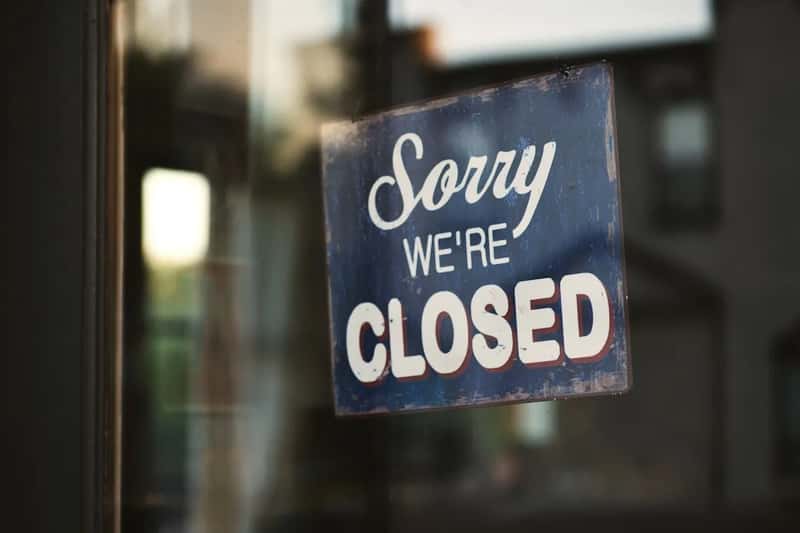
Sunday is a real day of rest in Germany. Most regular shops, including supermarkets, stay closed, and only a few places like petrol stations and some train station stores keep limited hours. Travelers who arrive on a Sunday afternoon expecting to stock up often find shuttered doors.
The quiet extends beyond shopping. One expat guide points out that you shouldn’t put bottles in street glass containers on Sundays or holidays, as these are official silent days[16]. It’s a small rule, but locals do keep to it, and noise on a Sunday morning tends to get noticed.
Crossing Against the Red Light
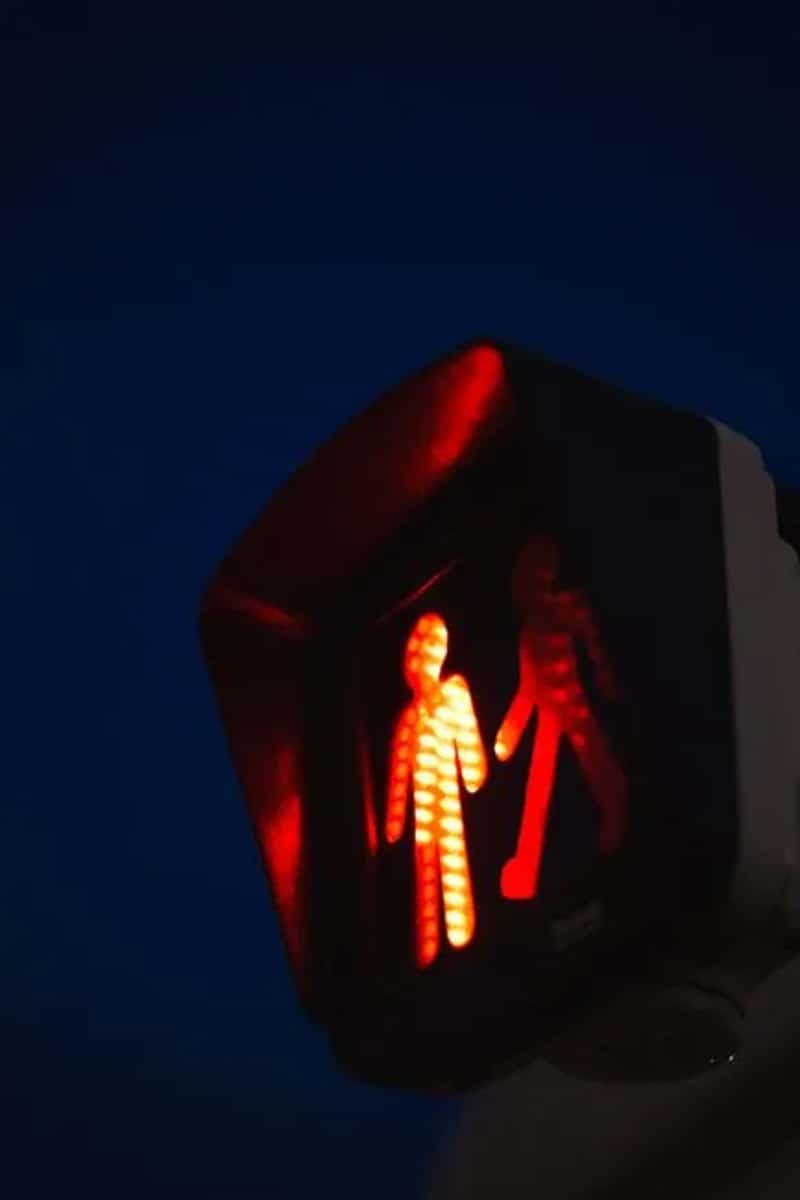
Few things catch a German’s attention like a pedestrian striding across a street on red, especially when no cars are in sight. Locals commonly wait for the green signal, and crossing against it can technically draw a fine. Enforcement varies, but the habit of waiting is deeply ingrained.
Cycle paths are another common trip hazard. In many German cities they run along the sidewalk, often marked by different paving or paint, and bikes move quickly. Stepping into one while checking your phone is a reliable way to hear a bell, or a sharp word.
Asking for Free Tap Water and Ice
Americans are used to a glass of ice water arriving at the table before anyone orders. In Germany, that’s not standard. Servers typically ask whether you want still or sparkling water, and either one is usually a paid item on the menu.
Tap water is generally safe to drink, so asking for it isn’t unreasonable. Some restaurants will oblige, while others prefer to sell bottled water, and ice is rarely part of the deal. A polite request goes further than a surprised look at the drinks list.
Small Talk With Strangers

Friendly chatter with cashiers, servers and seatmates is second nature for many Americans. In Germany, conversation with strangers is often more reserved. A cheerful how are you at the checkout can land oddly, because it may be taken as a literal question rather than a greeting.
None of this means Germans are unfriendly. Politeness tends to show up in other ways, like a clear greeting when entering a small shop and a goodbye when leaving. Visitors who do the same usually get a warmer reception than they expected.
Speaking at Full Volume in Public
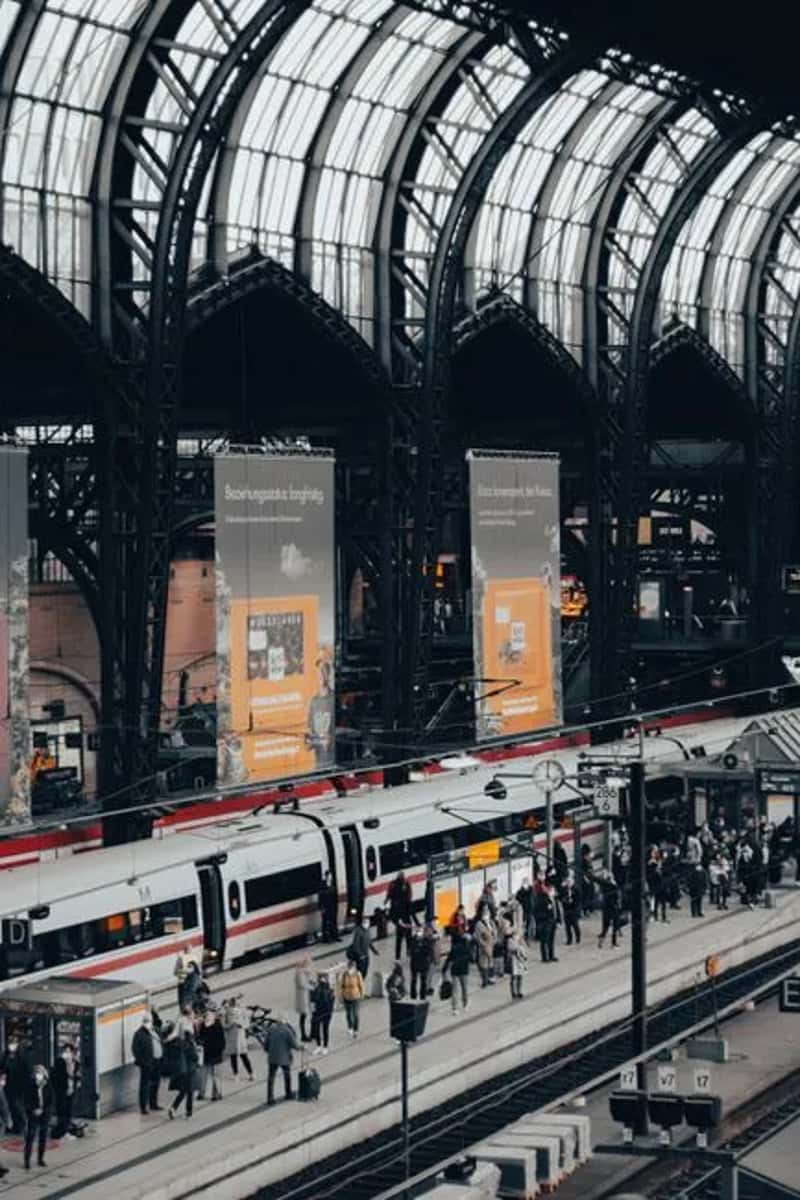
Voice level is one of the most common things people mention when they compare American and German behavior in public. In restaurants, on trams and especially on trains, many Germans keep their voices low. A loud group conversation or a speakerphone call stands out.
Deutsche Bahn’s long distance trains include marked quiet zones where calls and loud talk are discouraged. Even outside those areas, the general expectation is to keep it down. Matching the volume around you is an easy adjustment that locals appreciate.