Some of the world’s most photographed coastlines are changing faster than postcards can keep up with. From king tides swallowing city streets to entire nations planning their own digital afterlife, the places millions dream about visiting are quietly rewriting their futures. What follows is a look at ten beloved beach destinations where rising seas are no longer a distant forecast but a present, measurable reality.
Miami Beach, Florida
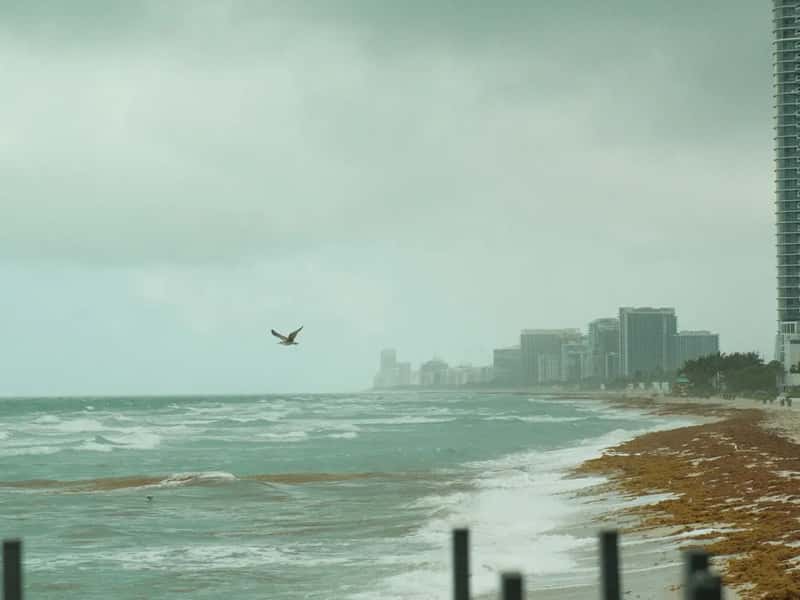
Miami Beach sits at an average elevation of just over four feet above sea level, which makes it one of the most exposed urban coastlines in the United States. Miami Beach has an average elevation of 4.4 feet NAVD. Officials have already documented a shift in flood patterns tied directly to the ocean pressing inward rather than just storms passing through.
In recent years, Miami Beach had observed an increased frequency of urban flooding caused by higher high tides, elevated groundwater levels, and oversaturated soils. The city has responded with an expensive infrastructure push, and Miami Beach has successfully been awarded more than $79 million in Resilient Florida grant funding to date. Even so, the underlying math is stark, since the Army Corps of Engineers estimated that the equivalent of 10,781 football fields covered in 30 cm of sand would be necessary to sustain Miami’s beaches for the next 50 years.
The Maldives
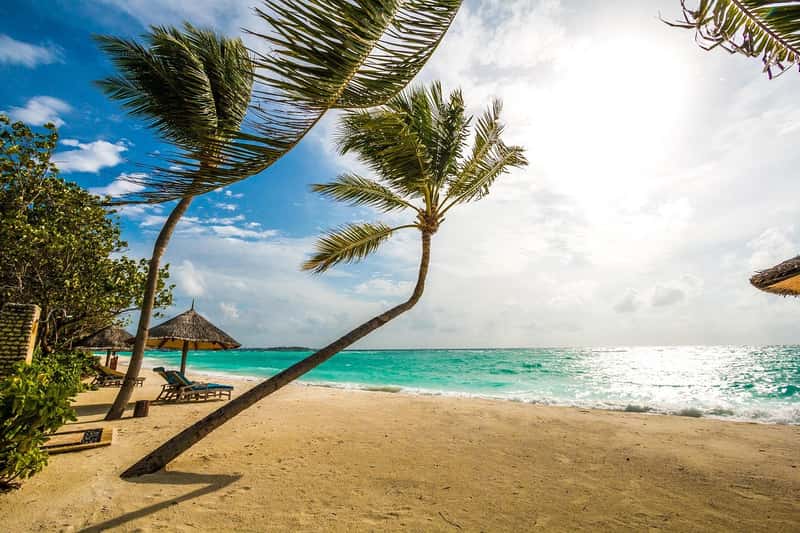
Few destinations are as synonymous with turquoise water and overwater bungalows as the Maldives, yet the archipelago’s geography is also its biggest liability. Eighty percent of the Maldives is less than 1 m above sea level, making it one of the lowest-lying countries in the world. The highest natural point in the Maldives is only about 2.4 m above sea level, making it highly susceptible to even minor increases in sea levels.
Erosion is already reshaping the islands that draw honeymooners and divers year round. More than 90% of the islands in the Maldives have experienced severe erosion, with 97% of the country no longer having access to fresh groundwater. The government has poured money into seawalls and land reclamation, but the price tag keeps climbing, and the country already spends USD 10 million annually on coastal adaptation initiatives, which will need to increase to USD 8.8 billion to protect its existing islands from rising seas.
Venice, Italy
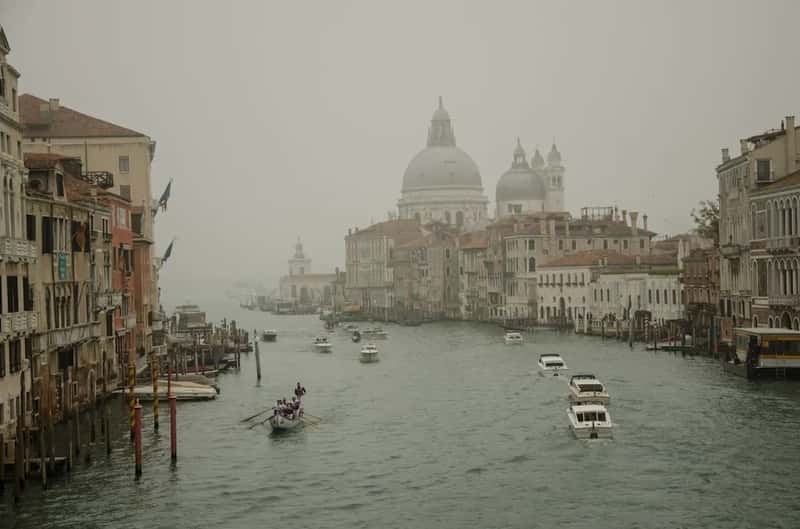
Venice’s lagoon beaches and historic waterfront have long lived with tides, but the frequency of flooding has changed dramatically in recent decades. St. Mark’s Square has been submerged approximately 250 times a year by the 2020s. Since 1872, the baseline has crept upward too, and Venice’s sea level has risen by about 32 centimeters.
The MOSE barrier system was built to hold the water back, and it is working more often than anyone would like. In Venice, the barriers against high water were active 28 times in 2024 compared to 25 the previous year. Engineers tracking the lagoon note that twenty years ago, the difference between high and low tide was 23 centimeters, and just last year it was 31, today it is 45 centimeters. That kind of acceleration suggests the barrier will be closing its gates far more often in the years ahead.
Outer Banks, North Carolina
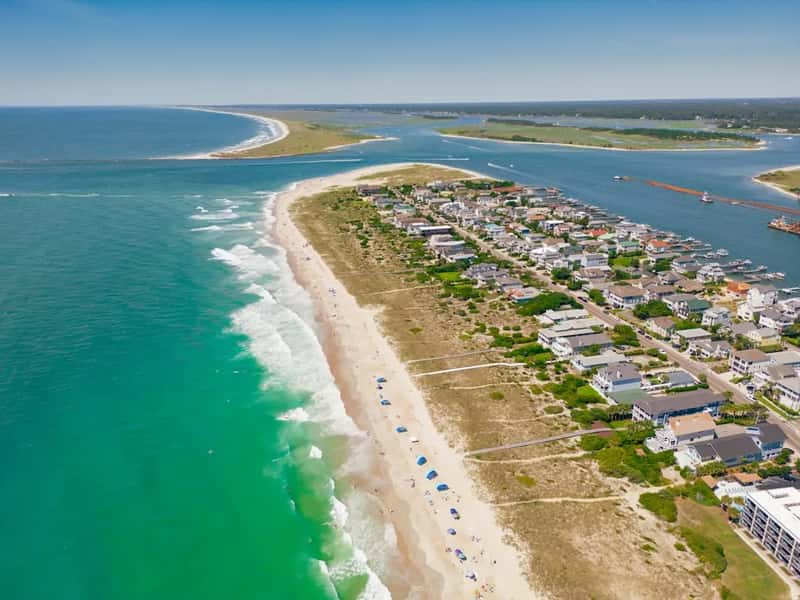
This chain of barrier islands has always shifted with the wind and waves, but the pace of change has become alarming for homeowners. With over two million people visiting yearly, this fall marked one of the most worrying seasons for Hatteras Island, where in six weeks, 16 oceanfront houses collapsed, bringing the total houses collapsed in recent years in the area to 27. Entire streets in communities like Rodanthe have watched homes crumble into the surf on camera.
Scientists studying the region point to a clear trend behind the collapses. Researchers are looking at a current rate of sea level rise of about 4 to 4 and a half millimeters a year. Over a longer horizon, the region has seen basically a foot of sea level rise over the last century and is expecting a foot of sea level rise in the next 30 years. Beach nourishment projects buy time, but as one researcher noted, the sand that used to last five to seven years is now washing away far sooner.
Funafuti, Tuvalu
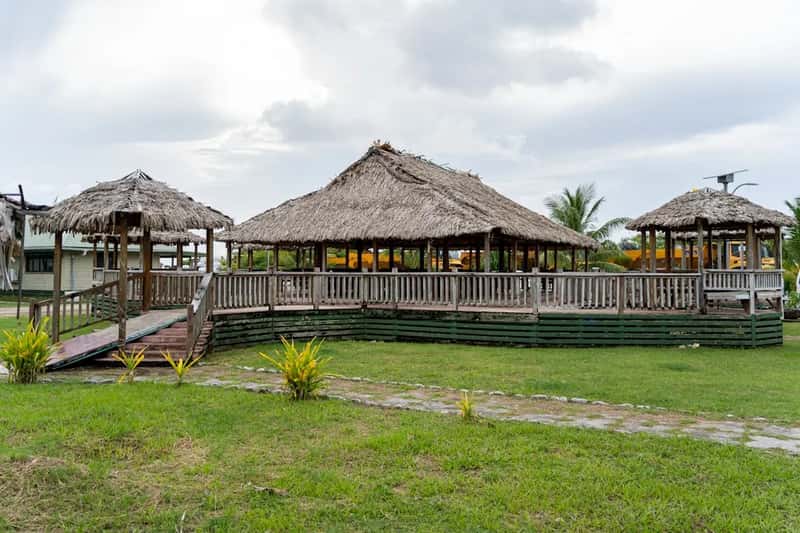
Tuvalu’s atolls are barely wider than a few city blocks in places, and the ocean around them is rising faster than the global average. This Pacific network of reef islands and atolls has seen sea levels rise around 6 inches over the past three decades, one and a half times the global average. Tides are projected to climb another 6 inches by 2050, which means the entire nation could soon be submerged.
The government’s response has moved beyond seawalls into something closer to digital preservation. In 2022, the Government of Tuvalu created the first digital nation in the metaverse to preserve its statehood and culture if its physical territory disappears. Migration is already underway too, as in 2025, more than 90 percent of Tuvaluans applied for a visa scheme to obtain residency or citizenship in Australia. For a place once known mainly for its palm-lined lagoons, the conversation has shifted entirely toward survival.
Tarawa, Kiribati
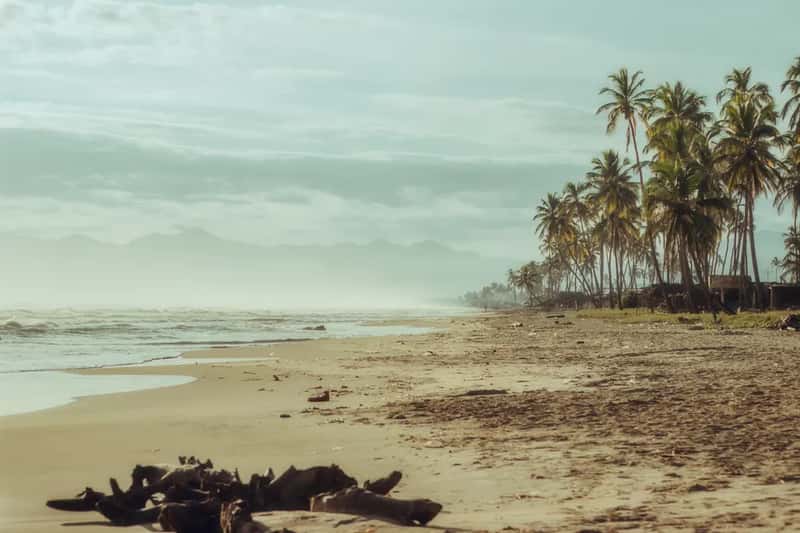
Kiribati spreads across a vast stretch of the central Pacific, but almost none of its land sits at any meaningful elevation. Kiribati has 32 islands under 8 metres, plus one higher island, Banaba at 81 metres, but its area is only 6 square kilometres and therefore not large enough to accommodate climate refugees. The nation has already lost ground in a very literal sense.
Two small islands vanished before the world was paying close attention. Kiribati even lost two islands, Abanuea and Tebua Tarawa, back in 1999. The government has since coined the phrase “migration with dignity” to describe planned, orderly relocation rather than sudden displacement, a concept that has influenced how other low lying nations talk about their own futures. Tarawa’s lagoon beaches, once simply a backdrop for daily life, are now central to conversations about statehood and legal identity in a warming world.
Waikiki Beach, Hawaii
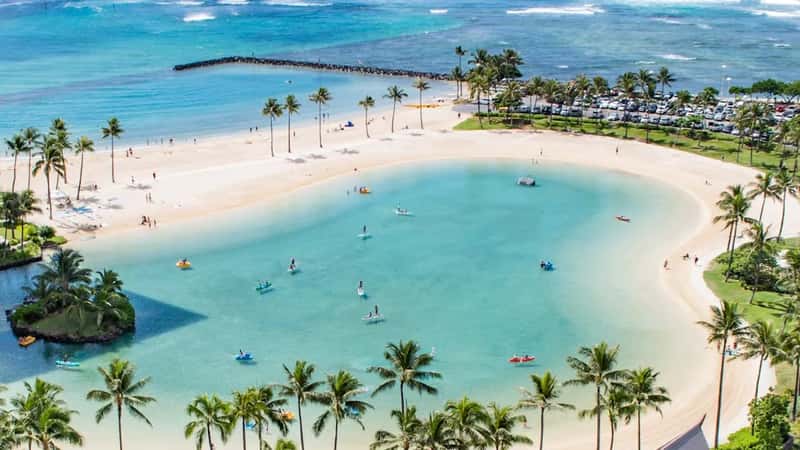
Waikiki is one of the most recognizable beach strips on the planet, but much of its sand is not naturally there anymore. Coastal engineers have replenished the shoreline repeatedly over the decades, trucking or barging in sand after storms and high surf events strip it away. Hawaii’s own state climate agencies have flagged Oahu’s south shore as one of the areas most likely to see accelerated high tide flooding in the coming decades, largely because the reef flats that once buffered wave energy are degrading.
Local hotels and the state government have invested heavily in beach nourishment and living shoreline pilot projects to keep the strip intact for tourism, which remains the backbone of the island economy. Still, planners have acknowledged that continuous sand replenishment is not a permanent fix, and long term adaptation plans increasingly discuss managed retreat for the lowest lying sections of Waikiki. It is a quiet reminder that even the most manicured beach can be living on borrowed time.
Kuta and Sanur Beaches, Bali
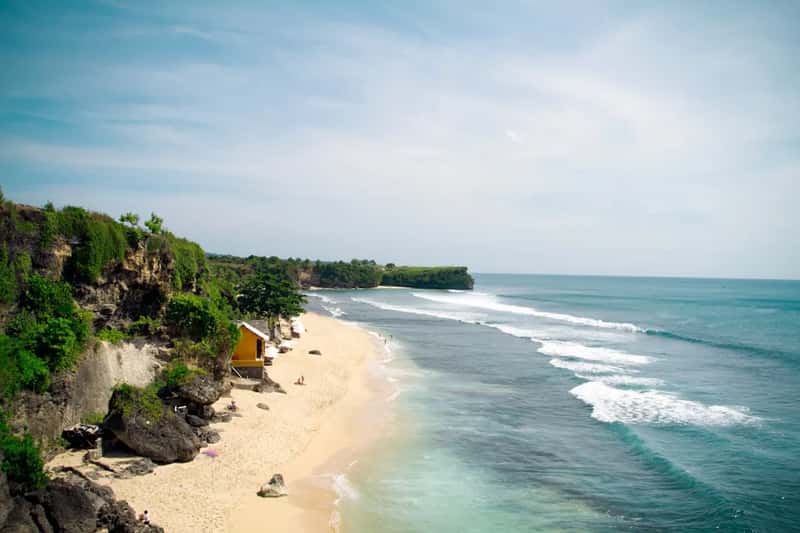
Bali’s southern beaches draw enormous crowds every year, and coastal erosion has become a persistent headache for the island’s tourism economy. Sections of Kuta and Sanur have needed repeated sand nourishment and offshore breakwaters just to keep the shoreline usable, particularly during monsoon season when wave energy intensifies. Indonesian coastal researchers have linked the erosion partly to rising sea levels compounding the effects of coral reef degradation, which historically absorbed much of the wave impact before it reached the sand.
Local authorities have experimented with groins, artificial reefs, and vegetation planting to slow the loss, with mixed results depending on the season and storm activity. Because so much of Bali’s economy depends on beach tourism, the stakes of losing usable shoreline are not just environmental but deeply financial for local communities. The island’s experience mirrors a broader pattern across Southeast Asia, where dense coastal development and rising seas are colliding in the same narrow strip of sand.
Cancun and the Riviera Maya, Mexico
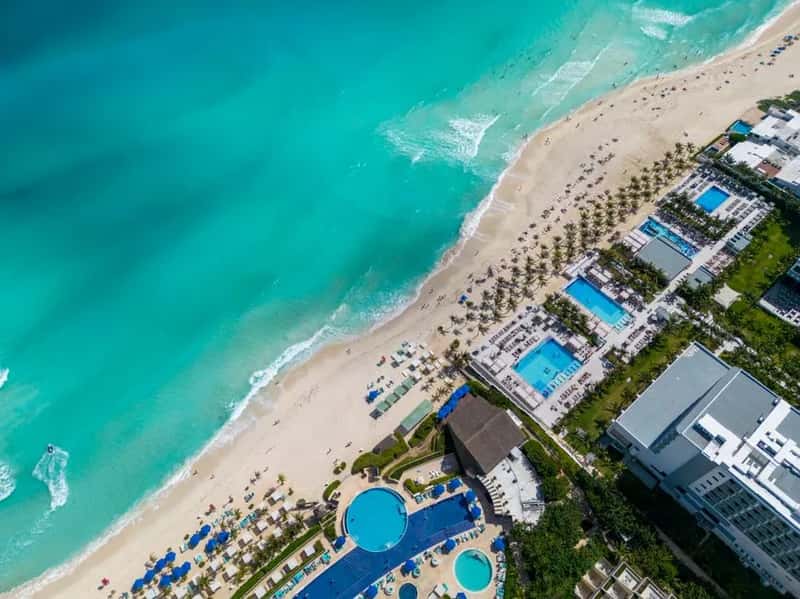
Cancun’s white sand beaches are the product of decades of careful, and expensive, maintenance rather than pure natural luck. The region has faced a one two punch of stronger hurricanes and creeping sea level rise, both of which accelerate the loss of sand that tourism operators depend on. Mexican environmental agencies have carried out large scale beach nourishment projects along the Riviera Maya multiple times in the past fifteen years, pumping sand from offshore deposits back onto eroded shorelines.
Sargassum seaweed blooms, while a separate issue from sea level rise, have compounded the region’s coastal management challenges by adding cleanup costs on top of erosion control. Hoteliers along the strip have increasingly invested in their own private nourishment and seawall projects, since public funding alone has not kept pace with the rate of loss. The tension between short term fixes and long term coastal retreat is becoming a defining feature of how the region plans its future.
Gold Coast, Australia
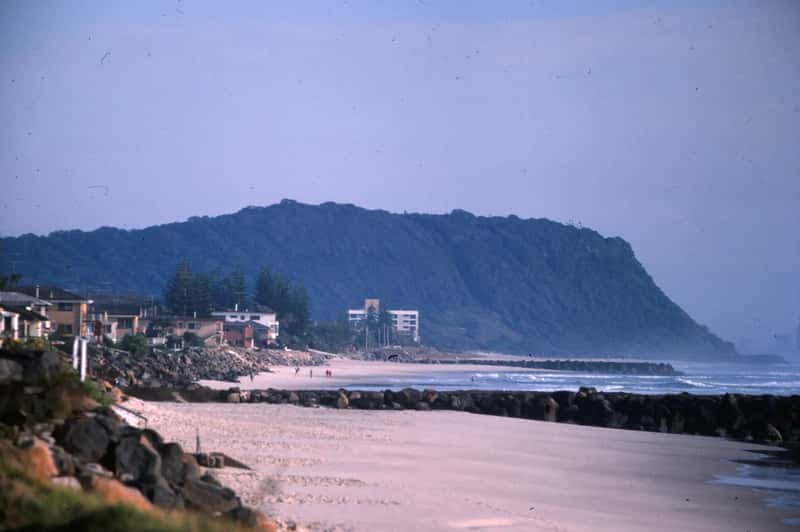
The Gold Coast built its entire identity around wide, golden beaches, but those beaches require ongoing intervention to stay that way. Sand pumping operations, offshore artificial reefs, and beach nourishment schemes have become routine parts of coastal management here, especially after cyclone driven swells strip away sand in a matter of days. Queensland’s own coastal hazard assessments have identified low lying stretches of the Gold Coast as increasingly vulnerable to combined storm surge and sea level rise over coming decades.
City planners have responded with seawall upgrades and dune restoration projects designed to buy the coastline more time. Even so, some of the most popular tourist strips, including sections near Surfers Paradise, sit close enough to sea level that even modest tidal shifts noticeably change how much dry sand is available to visitors. The Gold Coast’s experience shows that even wealthy, well engineered coastlines are not immune to the slow arithmetic of rising water.
Taken together, these ten destinations tell a consistent story even though they sit on opposite sides of the planet. Some, like Tuvalu and Kiribati, face questions about survival itself, while others, like Miami Beach and the Gold Coast, are fighting to preserve a tourism economy built on sand that keeps disappearing. The scale of the response varies wildly, from billion dollar barrier systems in Venice to visa programs for entire populations in the Pacific, but the underlying pressure is the same everywhere. Anyone planning a trip to these places in the coming years is, in a small way, visiting a landscape in transition.