You walk into a convenience store, grab a Slurpee, pick up some baby food for your niece, and maybe stop by Burger King on the way home. Everything feels distinctly American, right? Here’s the thing, though. Many of these brands that seem as American as apple pie are actually controlled by companies headquartered thousands of miles away. The reality is that the American consumer landscape has quietly transformed over the past few decades, with foreign entities swooping in to acquire some of the nation’s most beloved names.
Budweiser – The King of Beers Now Answers to Belgium
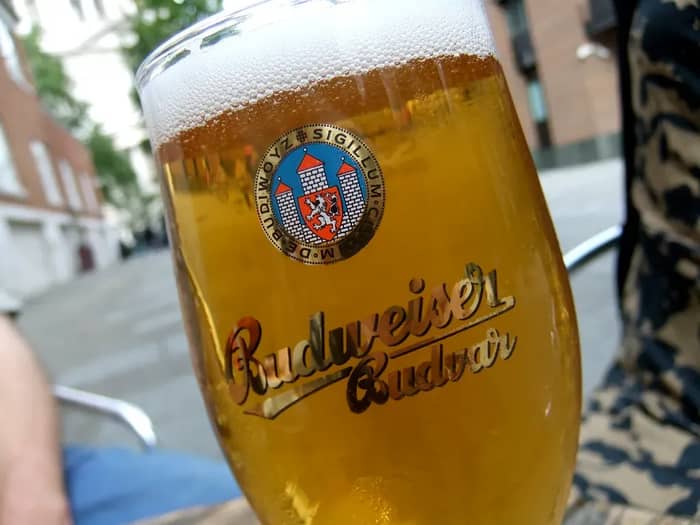
When you think of Budweiser, you think of classic Americana. Super Bowl ads. Fourth of July barbecues. The whole package. AB InBev was formed in 2008, with Belgian-Brazilian brewing company InBev’s acquisition of the American company Anheuser-Busch. InBev agreed to an acquisition by InBev valued at about $52 billion in cash, or $70 per share.
The headquarters? Leuven, Belgium. Anheuser-Busch InBev SA/NV is a Belgian multinational drink and brewing company based in Leuven, Belgium,m and in 2023, was ranked 72nd in the Forbes Global 2000. Let’s be real, most Americans raising a Bud Light at a tailgate party probably have no idea they’re supporting a European conglomerate.
Things got messy for the brand recently. The boycott caused Bud Light’s sales to drop by up to 26% in the months following the campaign. This culminated in the loss of Bud Light’s 20-year reign as America’s best-selling beer to Modelo Especial. Honestly, it’s hard to say whether the ownership structure played any role in public perception during that controversy, but the irony isn’t lost.
7-Eleven – Convenience Stores With a Japanese Twist
Walk into any 7-Eleven in Ameri,, ca and you’ll find hot dogs spinning on rollers, Big Gulps, and lottery tickets. Seems pretty American. Southland exited bankruptcy in March 1991, after a cash infusion of $430 million from Ito-Yokado and Seven-Eleven Japan,n and these two Japanese entities now controlled 70% of the company. In 2005, Seven-Eleven Japan made a tender offer, er and 7-Eleven, Inc. became its wholly owned subsidiary.
7‑Eleven, Inc. is now owned by SEJ Asset Management & Investment Company, which is owned by Seven-Eleven Japan Co., Ltd. The parent company, Seven & I Holdings, is based in Tokyo. Japan has the highest number of 7-Eleven locations in the world, with the company’s 85,000+ stores around the globe, 21,668 stores (nearly 25% of global stores) in Japan.
Here’s the kicker. Seven & I Holdings appointed its first foreign CEO after a tumultuous six months that began when it received a buyout offer from Canadian Circle-K operator Alimentation Couche-Tard. Even the Japanese owners were facing pressure from yet another foreign buyer. It’s like a never-ending game of corporate musical chairs.
Burger King – A Whopper of a Surprise from Canada
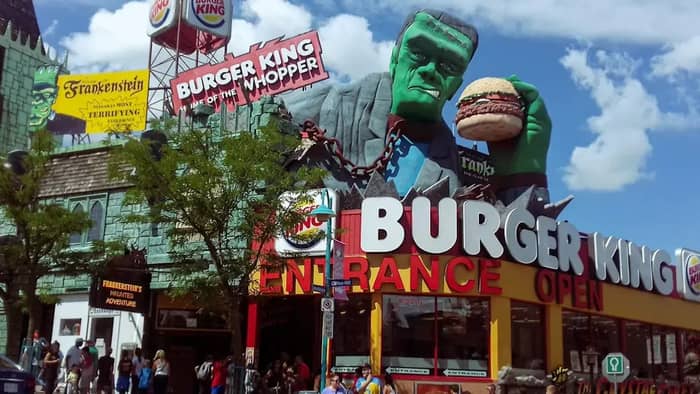
Burger King feels American through and through. Founded in Miami, Florida, home of the flame-broiled Whopper. Yet, it was formed in 2014 by the $12.5 billion merger between American fast food restaurant chain Burger King and Canadian coffee shop and restaurant chain Tim Hortons. The new parent company? Restaurant Brands International Inc. (RBI is a Canadian multinational fast food holding company formed in 2014.
Burger King’s current parent company, Restaurant Brands International (RBI), is headquartered in Canada. The deal raised eyebrows at the time because many saw it as a tax inversion scheme. As a high-profile instance of tax inversion, news of the merger was criticized by U.S. politicians, who felt that the move would result in a loss of tax revenue to foreign interests.
I think what’s fascinating here is how invisible this ownership is to the average customer. You’d never know from the menu or the marketing that your Whopper is technically Canadian-owned. The brand identity stays firmly American while the profits flow north of the border.
Gerber – Baby Food With Swiss Roots
Gerber is as iconic as American baby brands get. That adorable baby face on every jar has been a staple in households for generations. In 2007, Gerber was sold to Nestlé for $5.5 billion. Nestlé, of course, is a Swiss multinational corporation headquartered in Vevey, Switzerland.
As of 2017, Gerber controls 61 percent of the baby food market in the United States. That’s a massive chunk of the market controlled by a foreign entity. Gerber has a 79% market share in the U.S., the world’s largest baby food market. Parents feeding their little ones might assume they’re supporting an American company, but the reality is far different.
Nestlé has been strategic about expanding its nutrition division globally, and Gerber was a key acquisition to cement that dominance. It’s hard to say for sure, but you have to wonder if American consumers would feel differently about the brand if they knew the full story.
Trader Joe’s – Your Neighborhood Grocer Is German
Trader Joe’s stayed American-owned for only 12 years after it was founded in 1967, nd Theo Albrecht, owner and CEO of Aldi Nord, a German supermarket chain, acquired the business in 1979. Yep, that quirky grocery chain with the Hawaiian shirts and Two Buck Chuck is owned by the same people behind Aldi.
The Albrecht family, one of Germany’s wealthiest, saw potential in the California-based grocer and snapped it up decades ago. What’s interesting is that Trader Joe’s operates completely independently from Aldi Nord, maintaining its unique branding and quirky product lineup. You’d never guess they shared the same ownership just by walking through the aisles.
It’s a brilliant example of how foreign companies can acquire American brands without disrupting what makes them special. The strategy? Keep the American identity intact while reaping the financial benefits behind the scenes.
Chrysler – The American Automaker That Isn’t Really American Anymore
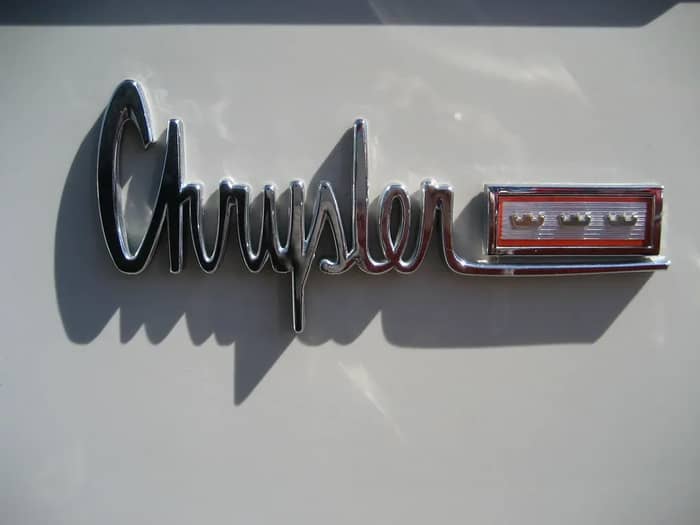
Chrysler merged with Daimler-Benz in 19,98 and the company has moved and merged with others (Fiat) and is now under the Stellantis N.V. group, with headquarters located in Hoofddorp, Netherlands. It’s been a wild ride for this once-iconic American car manufacturer.
Stellantis was formed through a merger between Fiat Chrysler Automobiles and the French PSA Group. The result is a massive multinational conglomerate that owns brands like Jeep, Dodge, Ram, Peugeot, and Citroën. The American muscle car heritage? Still there in the branding. The ownership? Decidedly not American.
Honestly, the automotive industry has seen so many mergers and acquisitions over the years that it’s tough to keep track of who owns what. The Chrysler name carries weight in American culture, but the reality is that the decisions about its future are being made in boardrooms across the Atlantic.
Ben & Jerry’s – Vermont Ice Cream With British Ownership

Ben & Jerry’s built its reputation on quirky flavors, progressive values, and Vermont charm. The founders, Ben Cohen and Jerry Greenfield, started the company in a renovated gas station in Burlington back in 1978. But things changed in 2000 when Unilever, a British-Dutch multinational, acquired the brand.
Unilever announced in 2024 that it would spin off its entire ice cream division, including Ben & Jerry’s, into a separate company with a primary listing in Amsterdam by the end of 2025. The company’s social activism has sometimes clashed with corporate ownership, creating tension between the brand’s independent board and Unilever’s priorities.
What I find striking is how Ben & Jerry’s has managed to maintain its activist identity despite being owned by a massive corporation. It’s a delicate balance, and the upcoming spin-off could shift things even further. But for now, your pint of Cherry Garcia technically comes from a British-Dutch company, not a Vermont dairy farm.
Popsicle – The Summer Treat Owned by the Same British-Dutch Giant

Popsicle, that classic frozen treat on a stick, was invented by accident by an 11-year-old boy in San Francisco back in 1905. It became a staple of American summers. Like Ben & Jerry’s, Popsicle is also owned by Unilever, the British-Dutch conglomerate.
Unilever has been on an acquisition spree for decades, gobbling up beloved American brands and integrating them into its global portfolio. Popsicle sits alongside Good Humor and Klondike under the Unilever ice cream umbrella. Unilever has announced it’s spinning off its ice cream businesses.
It’s one of those things you never really think about when you’re standing in front of the freezer aisle. The branding, the nostalgia, the packaging all scream “American summer.” The ownership? Totally different story. Still, does it really matter where the money goes if the Popsicle tastes the same?
Hellmann’s Mayonnaise – Another Unilever Surprise

Hellmann’s has been slathering sandwiches and potato salads since 1913, when Richard Hellmann started selling his wife’s mayonnaise recipe from his New York deli. The brand became synonymous with quality mayo in American households. But guess who owns it now? Yep, Unilever again.
Unilever acquired Hellmann’s as part of its broader strategy to dominate the consumer packaged goods market. The brand operates under the name Best Foods in certain regions of the United States, but it’s the same product. What’s wild is how many everyday staples in your kitchen are actually owned by the same foreign multinational corporation.
The more you dig into it, the more you realize that Unilever’s reach extends into nearly every aisle of the grocery store. From ice cream to condiments to personal care products, they’ve got it covered. And most American consumers have no clue.
Lucky Strike – The Cigarette Brand That Went British
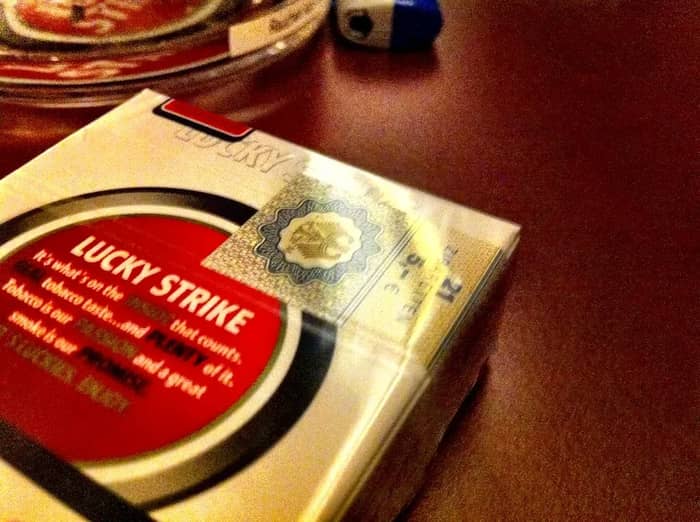
Lucky Strike saw its ownership change in 1994, when British American Tobacco Company acquired the American Tobacco Company. This iconic cigarette brand, with its distinctive red bullseye logo, has been around since the late 1800s. It was marketed heavily to American soldiers during World War II and became deeply embedded in American culture.
British American Tobacco is one of the largest tobacco companies in the world, headquartered in London. The acquisition of Lucky Strike was part of a broader consolidation trend in the tobacco industry, where a handful of multinational corporations now control most of the major brands.
Cigarette consumption has declined dramatically in the United States over the past few decades, but Lucky Strike still carries nostalgic weight. The brand’s American identity remains strong in advertising and packaging, even though the company pulling the strings is based across the pond. It’s a reminder that corporate ownership often has little to do with cultural identity.
The Bigger Picture
So what does all this mean? American brands getting bought up by foreign companies isn’t inherently good or bad. It’s just business. Companies see value in established brands with loyal customer bases, and they’re willing to pay top dollar to acquire them. The irony is that most consumers never notice the change.
These acquisitions can bring investment, innovation, and global distribution networks that help brands grow. On the flip side, there are concerns about job losses, tax revenue flowing overseas, and decisions being made far from the communities these brands serve. It’s complicated, honestly.
What’s clear is that the line between “American” and “foreign” companies is increasingly blurred in our globalized economy. The products might look the same, taste the same, and carry the same nostalgic branding, but the ownership tells a very different story. Did you expect that so many of your favorite brands were actually foreign-owned? It’s worth thinking about next time you’re scanning the shelves.