
Japan has done it again. For the fourth consecutive year, Japan has been named the #1 country in the world by the readers of Condé Nast Traveler in the magazine’s 2026 Readers’ Choice Awards.[1] The announcement came in early October, and it extends a winning streak that has now outlasted most travel trends.
The headline needs some context, though. This is a readers’ vote, not a scientific measure of national success. Even so, the result says a lot about how travelers see Japan, and the numbers behind it are worth a closer look.
What The Award Actually Measures

The title comes from the Condé Nast Traveler Readers’ Choice Awards. Readers cast 798,867 votes in this year’s awards, the magazine’s 39th edition.[2] The awards have been held annually since 1988 and rank destinations and travel experiences by readers’ overall evaluations.[2] That makes it one of the longest-running popularity contests in travel.
It’s worth being precise about who is voting. For this ranking, Japan was named the world’s most attractive country by readers of the U.S. edition of the magazine.[2] So “best country” here means the country American readers most want to visit or revisit. It isn’t a ranking of living standards, economic strength or governance.
Who Finished Behind Japan
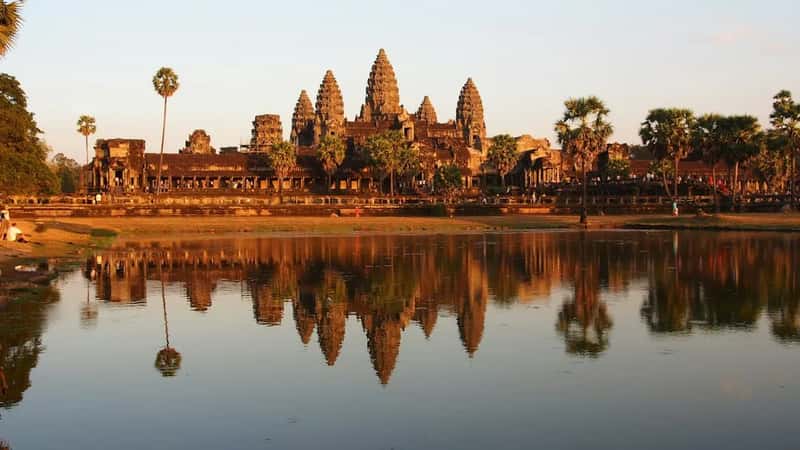
The runners-up make for an interesting list. Italy ranked second, followed by Ireland, Cambodia and Spain.[2] Cambodia’s presence in the top five is a reminder that readers aren’t only rewarding the usual European classics.
The magazine’s British edition tells a slightly different story. In the U.K. edition of the rankings, Japan placed second behind Greece, with Italy, Turkey and Portugal completing the top five.[2] Japan still lands near the top, which suggests its appeal isn’t limited to one audience. Taste differs by region, but Japan stays in the conversation either way.
Tokyo, Kyoto And Haneda Join The Honors
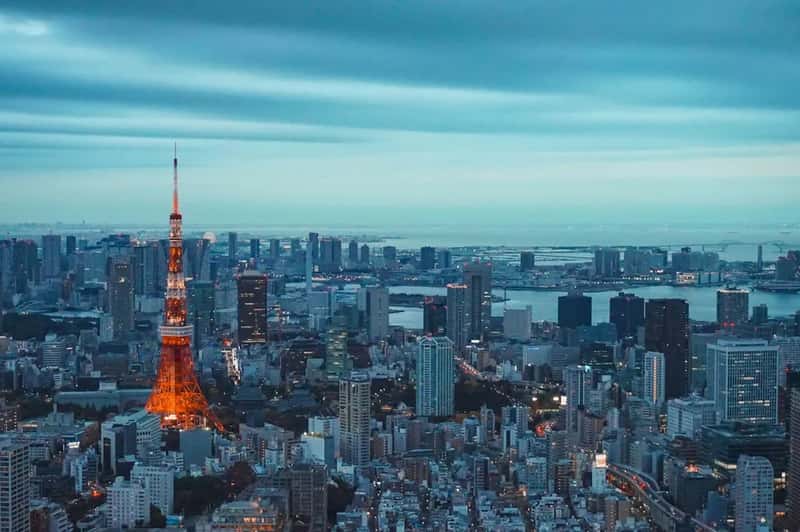
The country’s win wasn’t a lone result. Tokyo (#2) and Kyoto (#10) were included in the top 10 “Best Big Cities in the World.”[1] Two very different cities, one a sprawling modern capital and the other a historic temple town, both made the cut.
Infrastructure got some credit too. Tokyo’s Haneda Airport was ranked the sixth best in the world, with Singapore’s Changi Airport taking the top place.[2] For a country that depends on long-haul arrivals, a well-regarded gateway matters. First impressions at the airport tend to shape the whole trip.
A Streak That Began After The Reopening
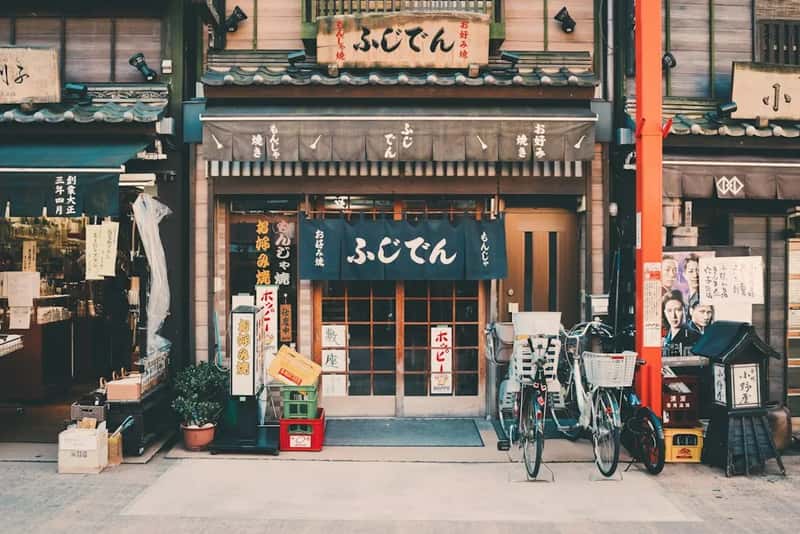
This isn’t a sudden surge in popularity. When Japan won for the second time in 2024, the magazine pointed to pent-up demand. Japan was one of the very last countries to reopen to international leisure travel after the start of the pandemic.[3] Years of waiting seem to have built a lot of curiosity.
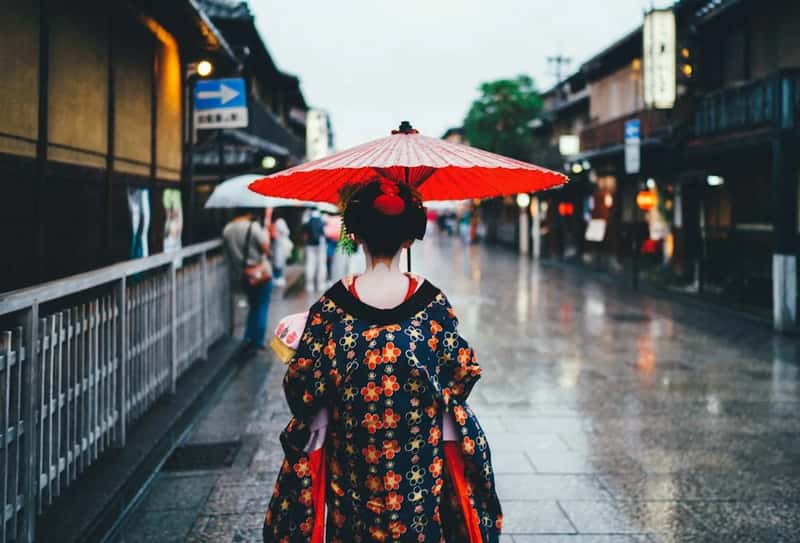
Attractions kept feeding that interest. Condé Nast cited cherry blossoms and Ghibli Park as big draws, along with historical architecture, avant-garde art events, and food and drink.[3] The mix of old and new gives travelers plenty of reasons to return, which probably helps explain why the title has stayed in Japan’s hands.
Record Visitor Numbers Back Up The Hype
Votes are one thing, and actual trips are another. Here the evidence lines up. A record 42.7 million overseas visitors came to Japan in 2025, according to justice ministry figures.[2] That was an increase of about 15.8% over 2024, when the total was 36.86 million.[4]
So the popularity isn’t only on paper. People are booking flights in very large numbers. Still, as later sections show, 2026 has been more complicated than a simple climb.
Other Rankings Point The Same Way

Condé Nast isn’t the only index where Japan does well. The World Economic Forum’s Travel & Tourism Development Index put Japan at the top of its ranking of the top ten countries for travel and tourism in 2026.[5] Japan climbed two places from last year’s ranking.[5]
That index looks at more than reader sentiment. It is structured around 17 pillars, including safety and security, price competitiveness, air transport infrastructure, cultural resources and tourist services.[5] The results are different in method but similar in direction. Back in 2024, U.S. News & World Report’s Best Countries ranking, produced with input from the Wharton School, placed Japan second, up from sixth in 2023.[6]
Why Travelers Keep Choosing Japan
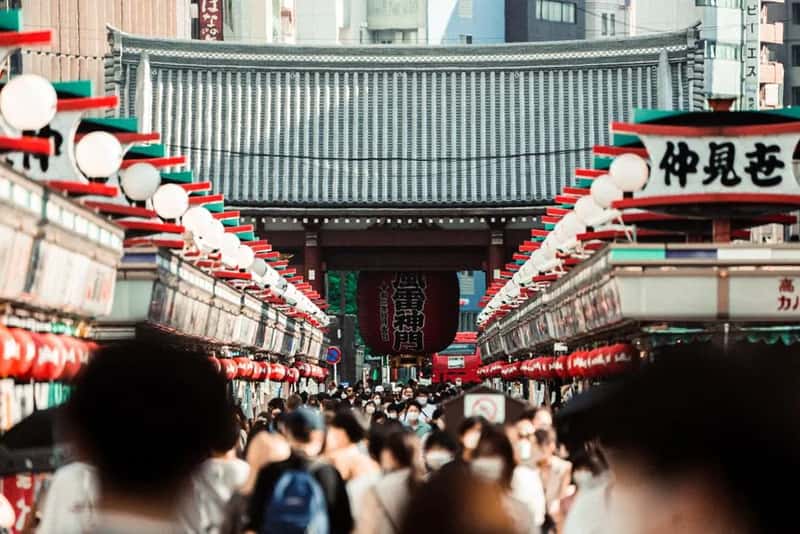
Japan’s tourism body has its own explanation. The Japan National Tourism Organization said the strong showing reflected the appeal of its tourism resources, and also qualities distinctive to Japan, such as its hospitality and safety.[2] That’s an interested party talking, of course, but safety and service are consistent themes in how travelers describe the country.
Price has played a part as well. Much of Japan’s tourism surge in recent years has been fuelled by a weak yen.[7] A favorable exchange rate lets visitors afford more at the high end, and that likely helps a magazine audience focused on quality travel. Value and novelty together are a strong combination.
The Other Side Of Popularity

Success comes with strain. Japan has long made known its frustration with overtourism.[7] Kyoto approved Japan’s steepest hotel tax to date, and Tokyo has been considering revising its nightly hotel tax to a flat levy on room rates.[7] Policy is shifting from attracting visitors to managing them.
The government also wants crowds spread out. The Japan Tourism Agency plans to expand the number of regions taking overtourism measures from 47 to 100 by 2030.[8] Growth has cooled, too. JNTO’s September release put August 2026 arrivals at 3,098,900, down 9.6% from a year earlier, and the January to August total at 27,626,300, down 2.7%.[9] Reports tie part of the dip to a sharp fall in Chinese visitors, though that is a separate story from the readers’ vote.