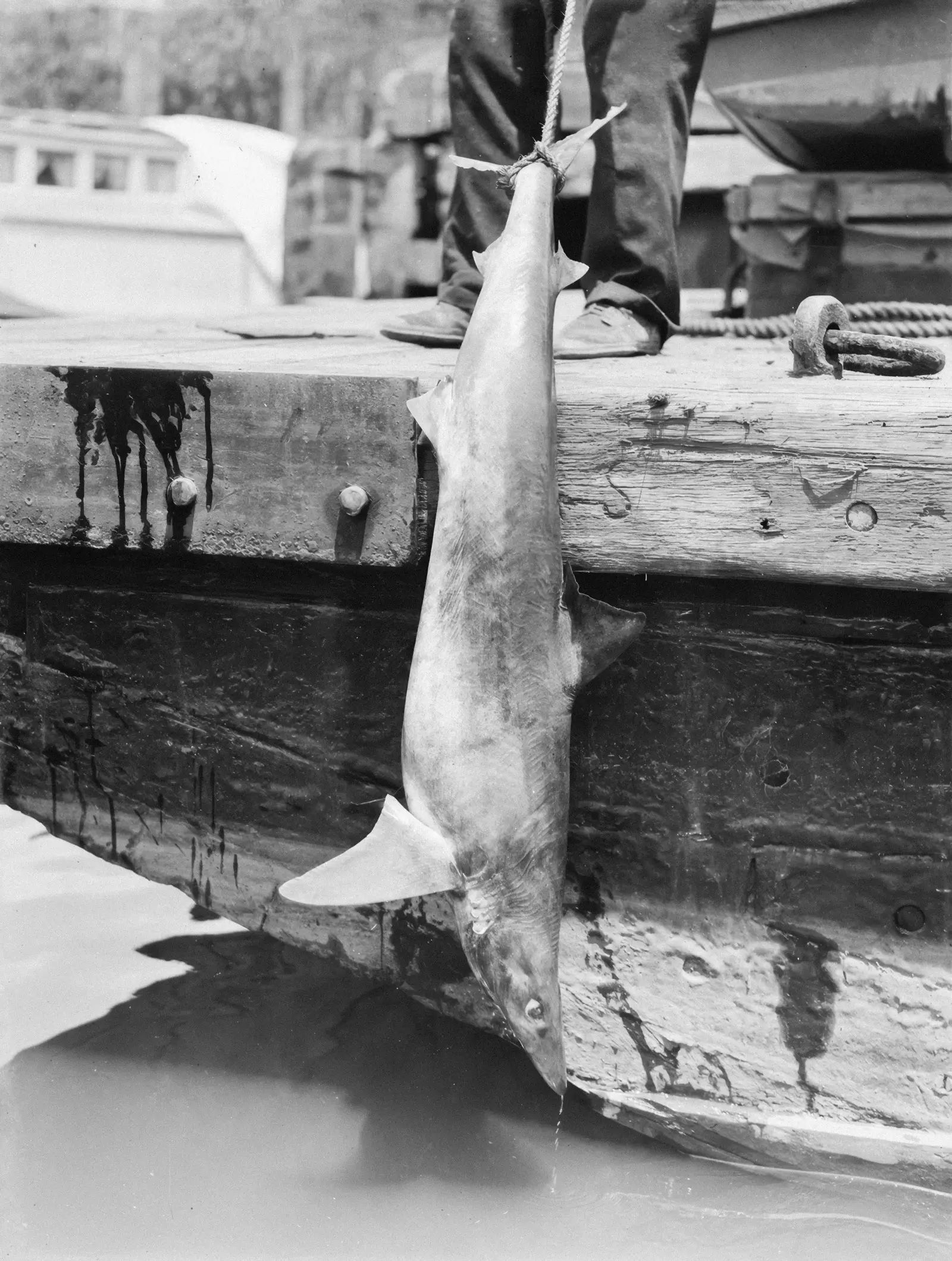
Sharks landed at Muncar, a busy fishing port on the southeastern coast of East Java, can fetch up to 1.5 million rupiah, or about $82, each. A new study suggests that much of this income depends on species under growing pressure. Researchers found that half of the recorded shark catches belonged to species classed as threatened, ([1])according to Mongabay.
A Valuable Catch With a Hidden Cost
For fishing families in Muncar, sharks represent a meaningful source of cash. The same market that makes them valuable, however, is drawing heavily on animals that conservation groups have flagged as at risk. The study was published earlier this year in the journal Oryx and focused on shark landings at the port during 2023 and 2024.
The finding that stands out most is the share of threatened animals. Half of the recorded catches were species on the IUCN Red List, the global reference for wildlife conservation status. About a third were species listed under CITES, the international agreement that regulates trade in protected wildlife.
How the Researchers Tracked the Catch
The team did not rely on landing records alone. They combined catch records with interviews with fishers, port landing data, and GPS data. That mix allowed them to examine not only which species were being brought ashore but also where the boats were operating and which fishing methods carried the greatest risk to threatened species.
Using several data sources helps the study paint a fuller picture than a single count could. It also means the results depend on how accurately each source captured what happened on the water and at the dock.
The Species Behind the Numbers
The scalloped hammerhead, listed as critically endangered, accounted for 11.7% of recorded catches, making it the single most significant species in the data. Several other frequently caught sharks also appear on conservation lists:
- Silky shark (Carcharhinus falciformis), listed as vulnerable on the IUCN Red List
- Spinner shark (Carcharhinus brevipinna), listed as vulnerable
- Blacktip reef shark (Carcharhinus melanopterus), listed as vulnerable
- Pelagic thresher shark (Alopias pelagicus), listed as endangered
All five species are included in CITES Appendix II, a category that places their international trade under tight restrictions. The concentration of protected and at-risk animals in a single port is what gives the findings their weight.
What the study shows: Half of recorded shark catches at Muncar were threatened species, and a third were CITES-listed.
What it does not settle: The findings cover one port over two years. They do not establish how common these patterns are elsewhere in Indonesia or across global shark fisheries.
Related Stories From Travelbinger



What Remains Unclear
The study set out to identify the fishing practices and locations that posed the greatest risk to threatened species. The account published by Mongabay does not spell out those specific conclusions, so readers who want that detail will need the full paper. In an interview with Mongabay, corresponding author Osmaleli, a lecturer and researcher at the Bogor Institute of Agriculture (IPB), just outside Jakarta, discussed the work, though the portion of that interview available here is incomplete.
The research also leaves open how fishing communities might respond. Any change in practice would have to account for the income that sharks currently provide. For now, the study offers a clear baseline: at one busy Indonesian port, the sharks landed most often are often the ones conservation rules are designed to protect.