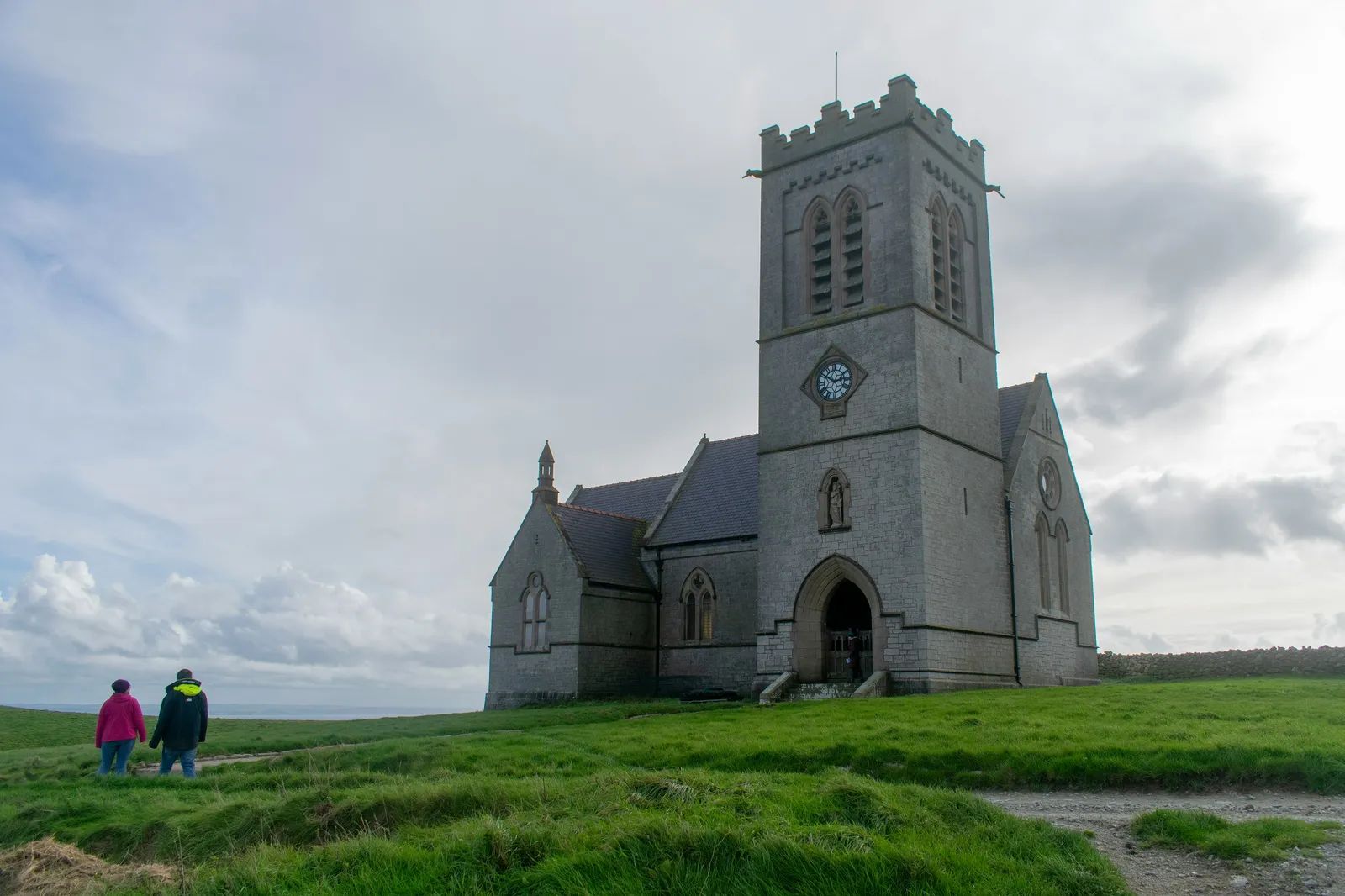
Lundy sits in the Bristol Channel, about 18 kilometres off the Devon coast, and it is only a few kilometres long. A short feature by Mongabay ([1]) describes the island as one of the UK’s most pioneering conservation stories. The island’s recent history shows why that label has stuck, and why its seabirds have drawn attention well beyond the Channel.
From about 80,000 birds to fewer than 8,000
The scale of the decline is hard to overstate. Seabird numbers plummeted from an estimated 80,000 in 1939 to just 7,351 in a survey in 2000. For a small island, that kind of drop signalled that something fundamental had changed.
Researchers pointed to rats. The rodents had arrived as stowaways on ships and shipwrecks, and they preyed on seabird eggs and chicks, which caused bird numbers to collapse.
A joint effort to clear the island
Rather than a single organisation taking charge, several bodies pooled their resources. Between 2002 and 2004, Natural England, the Royal Society for the Protection of Birds, the National Trust and the Landmark Trust worked together on a large-scale eradication programme. Lundy is owned by the National Trust and managed by the Landmark Trust, so the partnership reflected the island’s ownership structure as well as the conservation goal.
Lundy was officially declared rat-free in 2006, and strict biosecurity measures have helped keep the island free of invasive rodents ever since. Vigilance on boats arriving at the island remains part of the routine, along with regular monitoring of seabird colonies.
Birds returning to the cliffs
The results have been striking, and they cover more than one species. Several seabirds have returned in large numbers since the island was cleared:
- Puffins rose from 13 birds in 2000 to 1,335 in 2026.
- Manx shearwaters climbed from fewer than 600 to more than 25,000, and the island now supports about 95% of England’s breeding population of the species.
- Razorbills and guillemots have revived, and storm petrels, which had not bred on the island since records began in the 1930s, arrived in 2014.
- The island now hosts more than 40,000 seabirds, the highest total since the 1930s.
Those figures come from long-term monitoring, and they show how quickly a colony can respond once its main threat is gone. Conservationists say the success of Lundy demonstrates how quickly nature can recover when key threats are removed. The island’s marine waters carry their own protections, too. In 2010, the island became Britain’s first Marine Conservation Zone.
Related Stories From Travelbinger


The next challenge lies at sea
Lundy’s managing director, Derek Green, framed the outcome in celebratory terms, calling the remarkable recovery of Lundy’s seabirds following the successful rat eradication one of the UK’s great conservation success stories.
Still, the birds face pressures that a clean island cannot solve on its own. Seabirds remain under pressure at sea, and feeding grounds beyond the cliffs now matter as much as the nesting sites. There are now calls for the waters around Lundy to receive greater protection, with proposals to designate the area as a Special Protection Area. Officials already regard the island as one of England’s most important seabird colonies and a model for restoration elsewhere in the UK, and the next test will be whether the sea around it receives the same careful attention as the land.