Most people spend weeks planning an international trip. They research flights, compare hotel prices, obsess over packing lists. Yet somehow, the wallet gets completely ignored. It just goes in the bag, stuffed exactly the way it was on an average Tuesday morning at home – full of cards, receipts, bits of paper, and a surprising number of things you genuinely cannot explain.
Here’s the truth: that overstuffed wallet could be the single most dangerous thing you bring abroad. With crime rampant in large cities and small towns, you can’t be too careful about guarding your personal belongings. The risks of losing your wallet or having it stolen multiply dramatically when you’re traveling. So before your next international trip, take five minutes and do a real audit. You’ll be surprised what’s hiding in there – and what desperately needs to stay home. Let’s dive in.
1. Your Social Security Card
Your Social Security card is one of the most dangerous items you could possibly carry in your wallet, whether at home or abroad. Most people tuck it away early in life and simply forget it’s there. That’s a major problem.
Carrying your Social Security card is an open invitation for identity theft. A skilled thief needs only your Social Security number to open credit cards or take out loans in your name. Memorize the number instead, and leave the physical card securely locked at home.
According to the nonprofit Identity Theft Resource Center, there were 1,857 new data breaches in 2024 that included Americans’ Social Security numbers. Think about that. The number is already floating around in places you can’t control. Handing a thief the physical card makes things so much worse. Identity thieves can use your number and other personal information to apply for loans and credit cards and open cellphone and utility accounts in your name. The damage can follow you home long after your trip is over.
2. Your Passport (When You Don’t Need It)
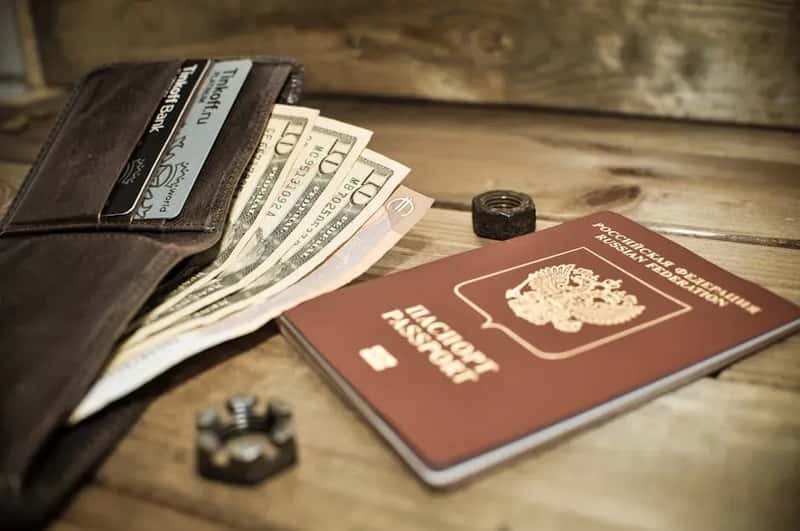
Your passport is arguably the single most valuable document you own when traveling internationally. Losing it abroad is a situation that can stop your trip dead in its tracks, sometimes for days. Keeping it in your wallet and wandering around crowded tourist spots is asking for trouble.
French authorities have issued repeated advisories warning that mobile phones and passports are now prime targets, particularly in crowded transport hubs and around major train stations. In recent years, thousands of foreign passports have been reported stolen each year in the capital alone, prompting consular officials to caution travelers not to carry all identification and payment cards in a single wallet or bag.
Think of your passport the same way you’d think of a car key. You only need it when you’re actually driving. While it’s hard to avoid needing your passport while traveling abroad, the best practice is to leave it in a hotel safe when you don’t need it. Make photocopies of your passport and carry those instead. That small habit could save your entire trip.
3. Excess Credit Cards
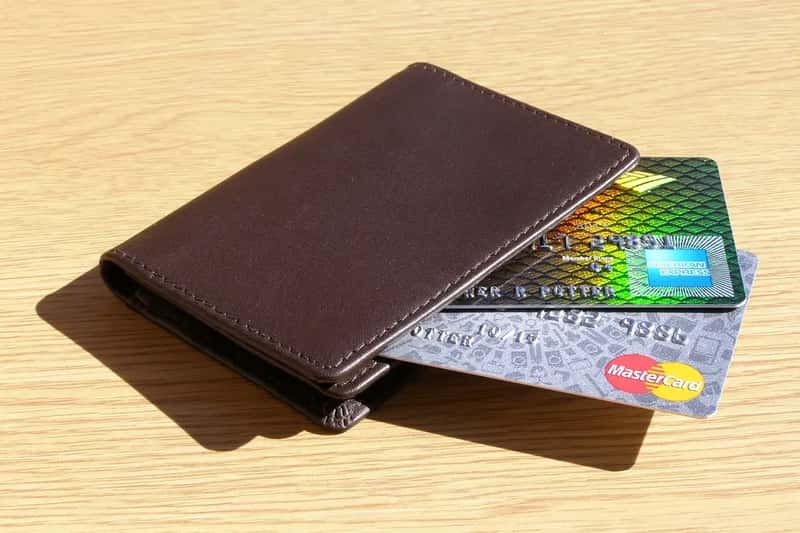
Loading up your wallet with every credit card you own before an international trip is one of the worst things you can do. The more cards you carry, the more you stand to lose.
Most of us carry several credit cards, gasoline cards, and department store charge cards in our wallets. For safety’s sake, the U.S. State Department recommends you travel with just one credit card, leaving the rest at home. That’s a pretty clear directive from a government body that knows what it’s talking about.
Pack a backup credit card, preferably from a different issuer, such as Visa, MasterCard, or American Express. Always keep the backups separated from your main cards. So yes, bring one card with you in your wallet. Keep the backup in a completely separate place, like a hidden pouch in your luggage. Carrying them all together is essentially putting all your financial eggs in one very steal-able basket.
4. Your Debit Card (as a Primary Payment Method)
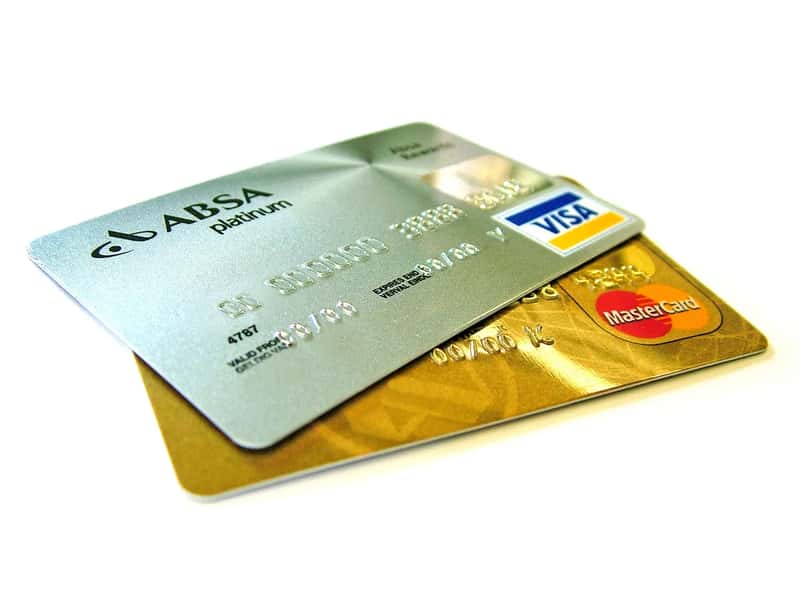
It’s wise to avoid using a debit card for purchases while abroad. Because a debit card pulls funds directly from your bank account, potential charges incurred by a thief will stay on your account while your bank investigates. The better approach is to limit debit card use strictly to ATM cash withdrawals, and use a credit card or cash for purchases.
Credit cards offer more fraud protection than debit cards. If your debit card is compromised, this could result in your hard-earned cash being depleted and it may take several business days to get back after filing a report with the bank.
Honestly, I think this is one of the most underestimated risks travelers face. Bank transfer and payment fraud cost consumers over $2 billion in 2024 alone. Credit cards abroad usually provide zero liability for unauthorized transactions, meaning you’re not responsible for fraudulent charges if reported promptly. The choice should be obvious.
5. Your Birth Certificate
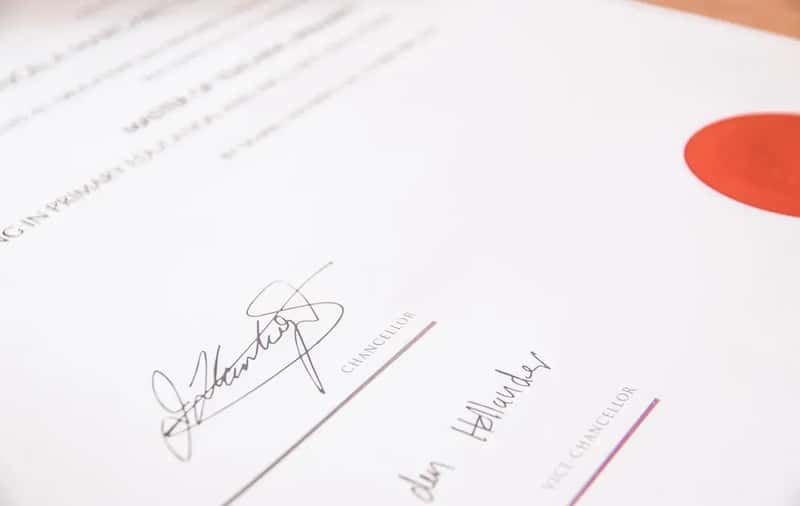
Your birth certificate is another document that should remain safely tucked away in a fireproof box at home. It sounds like something only the most disorganized traveler would carry, but it happens more often than you’d think. Some people toss it in their bag thinking it’ll serve as backup identification.
A birth certificate is a key to your identity kingdom, and misplacing it abroad is a fast track to a stress nightmare. Passports are more than enough if you are asked for proof of citizenship. There is almost no scenario abroad where border agents, hotels, or anyone else will ask you for your birth certificate specifically. Among individuals who reported stolen documents with personal information, stolen birth certificates were among the top reported items – and reports of stolen birth certificates spiked a staggering 612 percentage points in the latest reporting period. Leave it at home. Full stop.
6. Written Passwords and PIN Codes

It’s hard to say for sure how many travelers do this, but it’s shockingly common. People scribble a PIN on a piece of paper, fold it up, and stuff it in their wallet “just in case.” Just in case what, exactly? Just in case someone also wants to empty your bank account?
That little cheat sheet in your wallet? If the wallet falls into the wrong hands, you’ve just given them an all-access pass to your digital life. Carry PIN numbers in your head, and all other details in a password-protected digital password wallet such as 1Password or DataVault. There are free apps specifically designed for this purpose. Use them. Writing sensitive codes on paper and keeping them next to the cards they unlock is the financial equivalent of keeping a spare house key under the welcome mat.
7. Local Membership and Loyalty Cards
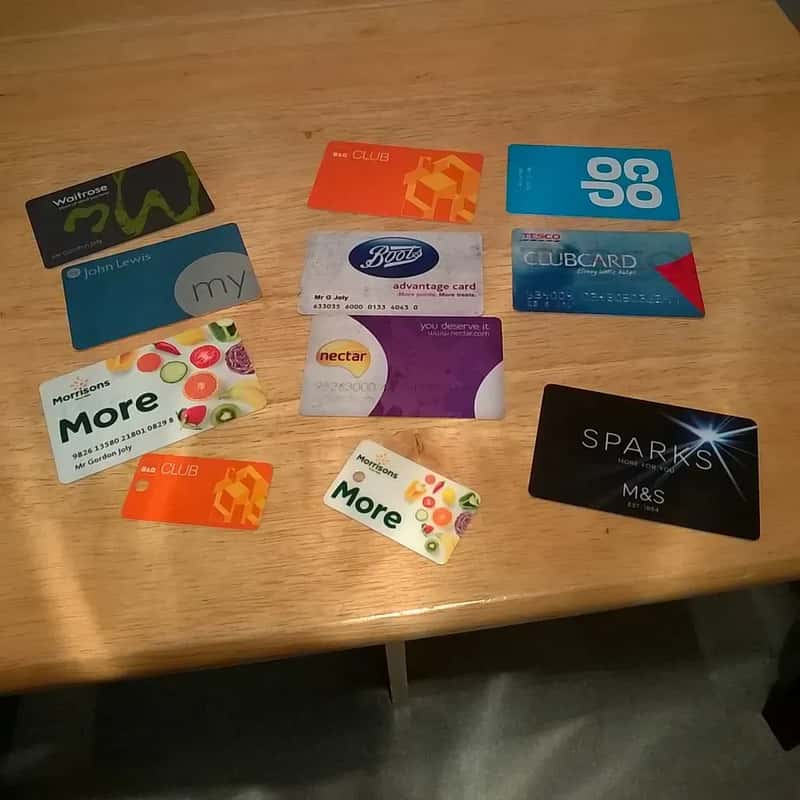
There’s a solid chance you’re looking at a gym membership card, a grocery rewards card, a local library card, a coffee shop stamp card, and maybe a couple of others you haven’t touched in months. All of that is dead weight abroad.
Even a AAA insurance card and car insurance cards serve no purpose when you’re abroad. Those bulky membership IDs can stay home unless you specifically plan to visit the gym in Tokyo or shop at a local grocery store in Paris. They add unnecessary bulk to the wallet and simply aren’t useful overseas.
Here’s the thing: every extra card is one more item to track, one more thing to cancel and replace if your wallet goes missing. The fewer items in your wallet, the fewer things to replace if it goes missing. Strip it all down. Think of it as minimalism with a financial safety payoff.
8. Department Store Charge Cards
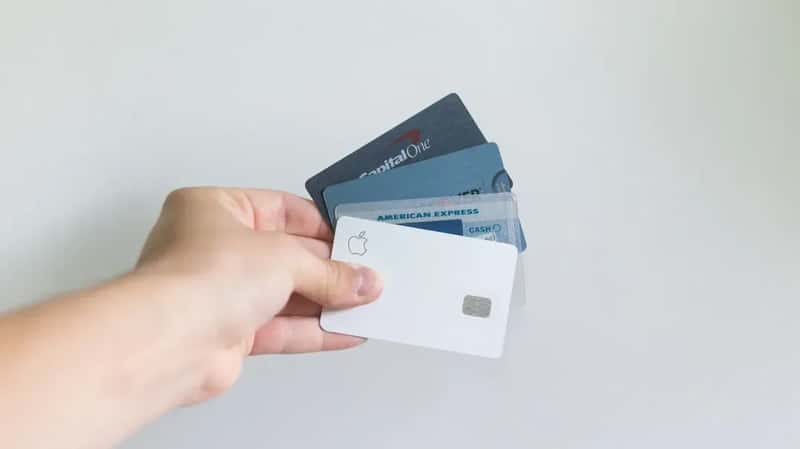
Unless you are going on a shopping trip and know that the chain stores at home will also be at your destination, leave your department store charge cards at home. It’s generally wiser to use a generic charge card such as Mastercard, Visa, or AMEX, or record your department store charge card information in a secure password saver.
Store-branded cards usually carry higher interest rates, fewer international protections, and almost zero usefulness outside your home country. They’re also typically accepted at fewer locations abroad, meaning they create zero benefit and 100% of the risk. Credit card fraud led all fraud categories, representing over 450,000 reports in 2024 in the U.S. alone. Adding unnecessary cards to your wallet simply gives potential thieves more to work with. One versatile travel card is all you need.
9. Old Receipts and Random Paperwork
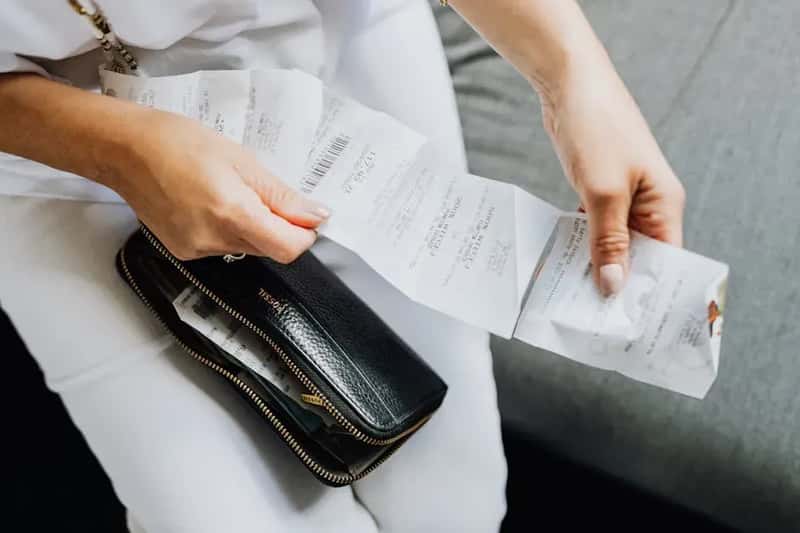
A wallet isn’t a filing cabinet, especially when you’re on the go. Old receipts and random paperwork create clutter and confusion, so clear it out before you travel.
This one might seem trivial compared to Social Security cards and passports, but clutter is genuinely a security issue. Receipts and paperwork can contain sensitive information, such as account numbers or addresses. A crumpled receipt from your local pharmacy might have your full name, home address, and partial payment details. Handed to the wrong person, that’s a starting point for a social engineering attack. Clean your wallet out completely. If you need to keep track of purchases while traveling, a notes app on your phone does the job far better.
10. Excessive Cash
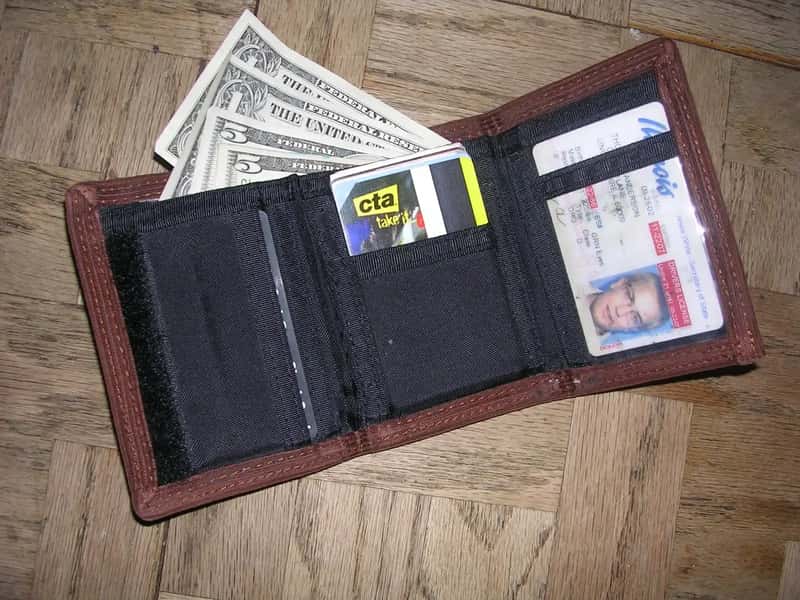
It’s a high risk if you walk around with a wad of bills. Pocket just enough cash for immediate needs and emergencies. Use ATMs as needed and keep the rest secure in the hotel deposit box.
Pickpocketing and other forms of petty theft remain among the most widespread crimes faced by visitors to Europe. The European Pickpocketing Index 2024 shows that, by mentions of pickpocketing per million visitors, the leaders are Italy, France, Spain, Germany, and the Netherlands. Carrying a thick wallet stuffed with foreign banknotes is essentially advertising yourself as a target. Data suggests that in 2026, visitors who arrive in Europe’s busiest hubs without a clear strategy for protecting their belongings face significantly higher odds of losing phones, passports, or payment cards than they did even five years ago. Spread your cash across different pockets or a money belt. Never keep it all in one place, and never carry more than you reasonably expect to spend in a single day.
A Smarter Wallet Makes for a Smarter Trip
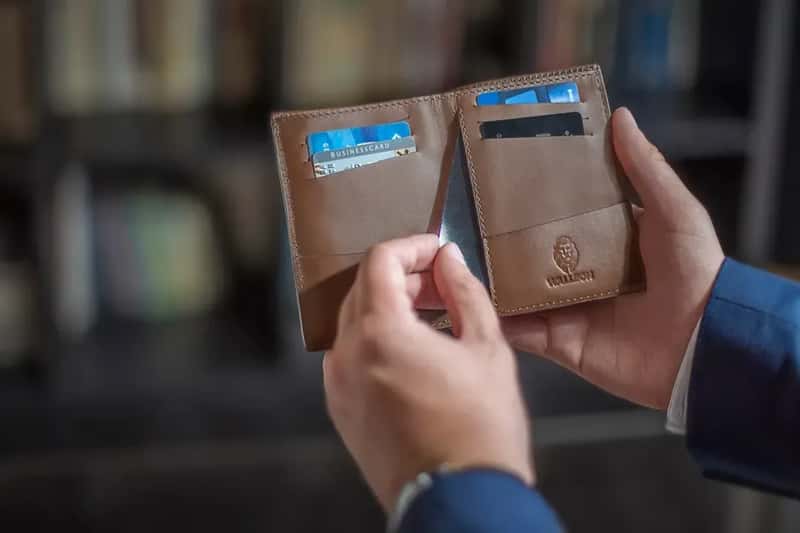
Travel is one of life’s genuine pleasures. The last thing anyone wants is to spend a vacation afternoon at a foreign police station filing a theft report, or worse, discovering their bank account has been drained while they were sipping coffee in a Parisian café.
U.S. consumers reported losing more than $12.5 billion to fraud in 2024, marking a 25% increase over the previous year, with travel-related scams continuing to rank among the top categories of reported fraud. Those aren’t abstract numbers. They represent real people with ruined trips and months of financial cleanup ahead of them.
The risks of losing your wallet or having it stolen multiply when you’re traveling. You’re more likely to find yourself shoulder-to-shoulder amidst crowds at airports, on busy streets, or on public transportation than you would in your own neighborhood. Take ten minutes before your next trip, empty your wallet completely, and only put back in what you truly need. It could be the best preparation decision you make. What would you have grabbed without thinking?