Singapore’s reputation as a spotlessly clean, orderly city didn’t happen by accident. Behind those pristine streets and gleaming public spaces lies a network of laws that might seem unusual, even shocking, to visitors. Most people have heard whispers about chewing gum being illegal or something vague about strict fines. Yet the reality is far more intricate, and honestly, far more interesting than the rumors suggest.
Let’s be real here. Some of these laws sound like they came straight out of a dystopian novel. Forgetting to flush a toilet? That’ll hit your wallet. But these regulations exist for reasons that go beyond simply controlling behavior. They’re part of a broader vision that transformed Singapore from a third-world port into one of the world’s most livable cities in just a few decades. Whether you find these laws draconian or sensible probably depends on where you’re standing when a pigeon tries to steal your sandwich.
The Toilet Flush Law That Shocks Tourists
Failing to flush a public toilet after use can result in a fine of $150, though the maximum fine on first conviction can reach between $1,000 and $5,000 for lapses in toilet cleanliness. This isn’t just an urban legend your friend told you about. After using a public toilet, non-compliance would result in a fine of up to $1,000 upon conviction for first-time offenders.
The law stems from Singapore’s broader commitment to public hygiene. Throughout 2024, authorities took enforcement seriously, as about 900 enforcement actions were taken against coffee shop owners for offences such as failing to keep their toilets clean. While the law targets both users and facility operators, the message is clear. Public restrooms should remain clean for everyone.
Failing to flush carries a maximum fine of Sg$150 ($110), with second-time offenders facing a Sg$500 fine. However, enforcement remains complicated. It’s hard to say for sure, but catching someone in the act requires either random checks or public reporting, making actual prosecutions rare.
Chewing Gum Ban: More Complex Than You Think
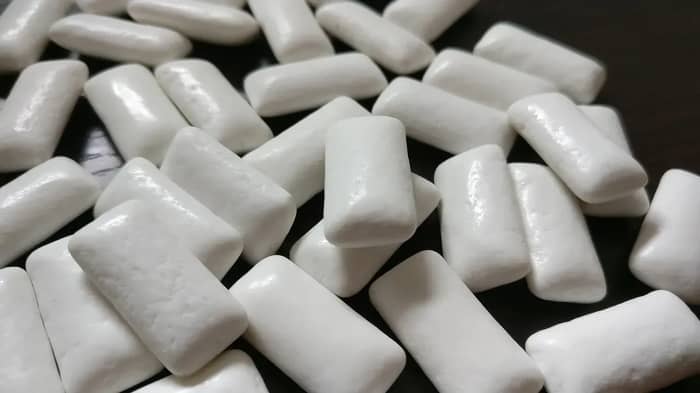
The sale of chewing gum in Singapore has been illegal since 1992, but here’s where it gets nuanced. It is not illegal to chew gum in Singapore, but it is against the law to import or sell it. The distinction matters tremendously for travelers who might panic at airport customs.
In July and August 1991, gum stuck between MRT train doors caused the trains to stop as the doors could not close fully, leading to passenger disruptions. The Housing and Development Board reportedly spent S$150,000 annually to clean up chewing gum litter before the ban. That’s a staggering amount for something many consider harmless.
The penalties for violation are severe. Anyone convicted of importing chewing gum would be fined up to S$10,000 and or jailed up to one year if it was a first-time offence. The penalties for selling chewing gum include fines of up to S$2,000. Since 2004, therapeutic gums like nicotine gum can be purchased from pharmacies, but customers must provide identification.
Jaywalking Fines Are Enforced More Than You’d Expect
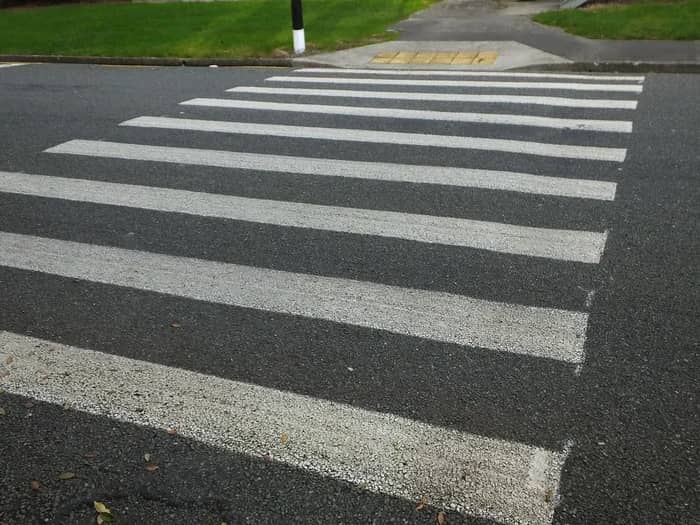
Those caught jaywalking will be fined $50, which was increased from the previous $20 penalty. The composition sum for this offence was raised from $20 to $50 on 1 Apr 2019. The law defines jaywalking as not using designated crossing facilities when within 50 metres of such facilities.
Repeat offenders face escalating consequences. They can also be charged and fined up to $1,000, or jailed up to three months, with repeat offenders facing fines up to $2,000 or jail up to six months. Enforcement campaigns have intensified recently, with officers stationed at accident-prone locations taking immediate action.
Littering Laws Include Public Shaming

Singapore’s approach to littering goes beyond simple fines. First-time offenders face a fine of up to S$1,000, but it’s the Corrective Work Order that really makes people think twice. The order forces the ‘litterbugs’ to clean up a specified location while wearing a bright green luminous vest bearing the words “Corrective Work Order”.
Offenders aged 16 and above must perform public cleaning duties, such as sweeping public areas or picking up litter, for up to 12 hours. This isn’t just about punishment. The public visibility serves as a deterrent. Occasionally, a few who served Corrective Work Order had their faces photographed by The Straits Times and published on the front cover.
The system works remarkably well. Chewing gum littering went down from 525 cases per day prior to the 1992 ban to two cases per day in February 1993. That’s an astonishing reduction showing how effective combined enforcement and public accountability can be.
Connecting to WiFi Without Permission Is Hacking

This one catches many travelers off guard. Using another person’s WiFi without authorization can result in a fine of up to $10,000 and imprisonment for up to 3 years. If found guilty a subsequent time, this fine increases to $20,000, and potential imprisonment time rises to 5 years.
The Computer Misuse Act treats unauthorized WiFi access as a serious cybersecurity breach. Honestly, this seems harsh for someone just trying to upload vacation photos. It is only unauthorised usage that is an offense, meaning publicly available networks at coffee shops remain legal to use.
However, the law exists to protect data security in an increasingly connected world. Singapore’s position as a financial hub means cybersecurity concerns take priority. Still, visitors desperately searching for free internet need to exercise extreme caution about which networks they access.
Feeding Pigeons Could Cost You Thousands

It is against the law to deliberately feed stray pigeons or rear them as pets, with offenders subject to a fine of up to $5,000 upon the first conviction. This isn’t just about keeping public spaces clean. Pigeons can become public health hazards and nuisances when their populations grow unchecked.
Pigeons are a common sight in neighbourhoods, and annoyingly, atcoffee shops, yet their ability to reproduce quickly creates genuine concerns. The law extends beyond pigeons to other wildlife. Feeding any species in Singapore’s public gardens, parks, and reserves comes with a penalty of S$5,000, with repeat offenses potentially rising to S$10,000.
What seems like a kind gesture toward hungry birds can backfire dramatically. The substantial fines reflect Singapore’s commitment to maintaining ecological balance and preventing disease transmission. Tourists with leftover food should dispose of it properly rather than tossing it toward seemingly harmless animals.
Smoking Restrictions Are More Extensive Than in Most Countries
Fines of $200 are given to those found smoking in prohibited areas, and this can increase to $1,000 if the case is taken to court. The designated smoking areas are increasingly limited. Smoking is banned from indoor locations, public transport, 5 metres away from bus shelters, public toilets, public pools, public eating areas, night entertainment including bars and clubs, common outdoor areas like playgrounds and markets, exercise areas, and even carparks.
The Tobacco Act prohibits the importation, distribution, sale, and possession of imitation tobacco products,s including e-cigarettes, with offenders liable to pay a fine of up to $10,000 and/or imprisonment of up to 6 months. E-cigarettes face particularly strict enforcement. For a subsequent offence, this fine increases to $20,000, and potential imprisonment rises to up to 12 months.
Smokers essentially need to smoke at home or in specifically designated smoking rooms. The restrictions aim to protect non-smokers from secondhand smoke while maintaining air quality in this densely populated city-state.
Vandalism Can Result in Caning

Acts like spray painting a wall, damaging public property, or even pasting stickers in unauthorized places can result in severe punishments such as jail, fines, and caning. A famous case involved an American teenager who was caned for vandalism in the 1990s, drawing international attention to Singapore’s corporal punishment laws.
Caning remains a legal form of punishment for various offenses, including vandalism. US media paid great attention to the case of Michael P. Fay, an American teenager sentenced in 1994 to caning in Singapore for vandalism using spray paint. Despite international pressure, Singapore maintained its sentencing.
The severity of punishment reflects how seriously authorities take the defacement of public or private property. Graffiti that might be tolerated or even celebrated as street art elsewhere carries potentially brutal consequences here. The message is unmistakable: respect for shared spaces is non-negotiable.
Alcohol Sales Are Restricted After Hours

It is illegal to sell and consume alcohol in any public place during ‘no-public drinking periods’. In most places, this is 10.30 pm-7 a,m, but this can change slightly if you’re in a Liquor Control Zone.
Those found violating this regulation can face a fine of up to $1,000 for a first offence or up to $2,000 and/or imprisonment for up to 3 months for a repeat offence. The restrictions were implemented to reduce alcohol-related incidents and public disturbances during late-night hours.
This law catches many tourists unaware, especially those accustomed to 24-hour alcohol availability in other countries. Night owls planning to grab a beer at the convenience store after midnight will find themselves out of luck. The regulation extends to restaurants and bars, though specific exemptions exist for licensed establishments within certain zones.
Eating and Drinking on Public Transport Is Banned

The 1987 Rapid Transit Systems Act banned both eating and drinking whilst in MRT stations and on MRT trains. Passengers are not even permitted to drink plain water whilst in trains or stations, which can be particularly challenging during Singapore’s hot, humid climate.
Those who break these regulations will be issued a notification of offence, which carries a fine of up to $500. The rule exists to maintain cleanliness in one of the world’s most efficient public transportation systems. Spills, food waste, and pests would quickly compromise the pristine condition that commuters expect.
The prohibition extends to all food and beverages without exception. Even bottled water technically violates the regulation, though enforcement focuses primarily on situations where consumption creates a mess or disturbance. For visitors accustomed to coffee commutes, this adjustment requires planning.
Singapore’s Strict Enforcement Philosophy
What ties all these laws together is Singapore’s fundamental approach to governance: clear rules, consistent enforcement, and meaningful consequences. The city-state operates on the principle that collective welfare supersedes individual convenience. Whether that’s admirable or oppressive depends largely on your perspective.
Singapore will spend $7.5 million to upgrade and deep-clean public toilets at coffee shops, demonstrating that enforcement goes hand-in-hand with infrastructure investment. A “Public Toilets Taskforce” was formed by the ministry last year to identify lavatories that consistently fared poorly in cleanliness surveys.
The results speak for themselves. Singapore consistently ranks among the world’s cleanest, safest cities. Crime rates remain remarkably low. Public infrastructure functions efficiently. These outcomes didn’t materialize spontaneously; they’re the product of deliberate policy choices backed by unwavering enforcement. For residents and long-term visitors, the trade-offs often seem worthwhile. For short-term tourists accustomed to more permissive environments, the adjustment can feel jarring.
Understanding these laws isn’t just about avoiding fines. It’s about respecting the social contract that underpins Singaporean society. The regulations might seem excessive, but they’ve created an environment where most people genuinely feel safe walking streets at midnight and where public spaces remain accessible and pleasant for everyone.
What’s your take on Singapore’s approach to public order? Would you embrace these strict regulations for the cleanliness and safety they provide, or do they cross a line into overreach?