Summer in Europe sounds like a dream. Cobblestone streets, golden coastlines, open-air markets, and the kind of history that makes your jaw drop. Tens of millions of tourists will flood the continent this season, cameras out, bags packed, completely unaware that some of the most visited cities on the map also carry some of the highest crime rates in the entire region.
Honestly, this is the article most travel influencers won’t write. The glossy Instagram version of Europe is real – but so is the pickpocket behind you at the Eiffel Tower. Based on the latest data from Numbeo, Europol, Euronews research, and national crime reports from 2024 through 2026, here is a clear-eyed look at the ten European cities where tourists need to be the most careful this summer. Let’s dive in.
1. Bradford, United Kingdom – Europe’s Top Crime City Right Now
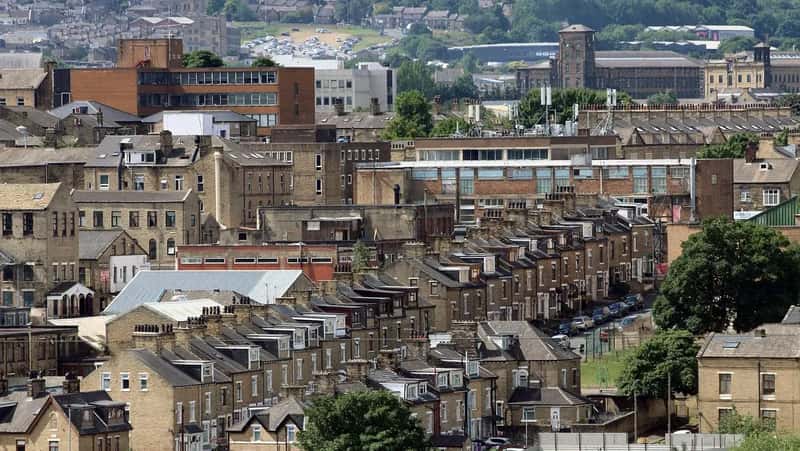
The city in Europe with the highest crime rate is Bradford, United Kingdom, with a crime index of 67.1, placing it at the top of the list of Europe’s most dangerous cities in 2025. That is a staggering figure for a city many visitors might overlook entirely, partly because it doesn’t attract the same tourist volumes as London or Edinburgh.
According to Numbeo, Bradford has the highest crime index in Britain, with crime rates nearly 90% above the national average. Drug-related offenses and economic crimes are major contributors to its rising insecurity. With significant issues involving physical assaults, armed robberies, and anti-social behavior, socio-economic challenges such as high unemployment and poverty contribute to the activity of street gangs and drug trafficking.
2. Marseille, France – A Mediterranean Postcard With a Dark Side
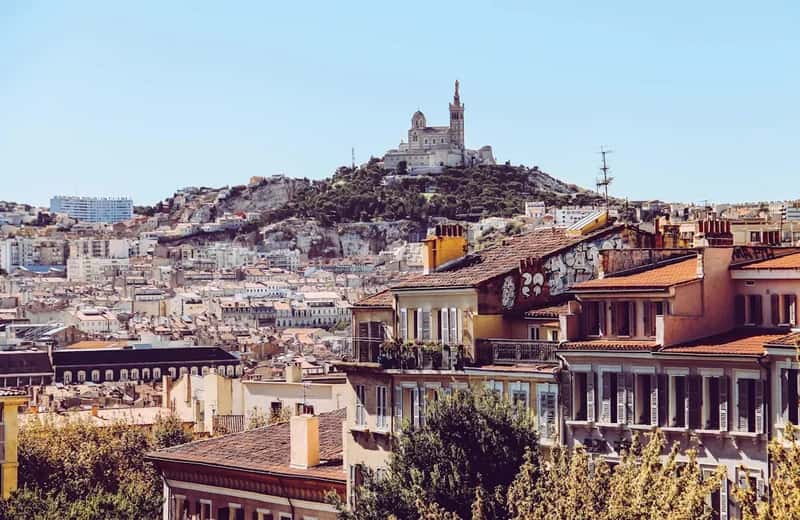
Marseille, the Mediterranean port city, is full of history, architecture, and diversity, but it also has its problems with crime, especially drug trafficking and organized crime. The city has been a hub for criminal networks, which lead to higher rates of violence in some areas. The northern districts, known as Quartiers Nord, are often mentioned as the most criminal, especially for drug and gang-related incidents.
In 2022, 32 people died from gang murders and drug-related violence. Drug-related homicides reached 49 in 2023. Though the number decreased in 2024, 17 cases were recorded by October. Experts emphasize that the reason for the decline is not the effectiveness of the police, but a temporary lull between rival groups. The Numbeo current crime index puts Marseille at 67.0, the highest of any city in Europe right now according to real-time data (Numbeo, 2026).
3. Coventry, United Kingdom – High Scores, Wrong Kind

Coventry sits near the top of Europe’s risk list. With a crime index around 66 out of 100, locals report high levels of both violent and property crime. According to mid-2025 rankings, Coventry is among the top five most dangerous cities in Europe, and three of those top five cities – Bradford, Coventry, and Birmingham – are located in the United Kingdom.
Think about that for a moment. Three of Europe’s most dangerous cities are all in the same country. It is a pattern that goes beyond coincidence. Birmingham, Bradford, and Coventry are the most dangerous cities in the UK and Europe, with petty crimes like pickpocketing, burglary, and street fighting. Tourists passing through Coventry as a base for exploring the UK Midlands should exercise real caution, particularly at night and around transport hubs.
4. Birmingham, United Kingdom – Knife Crime Capital
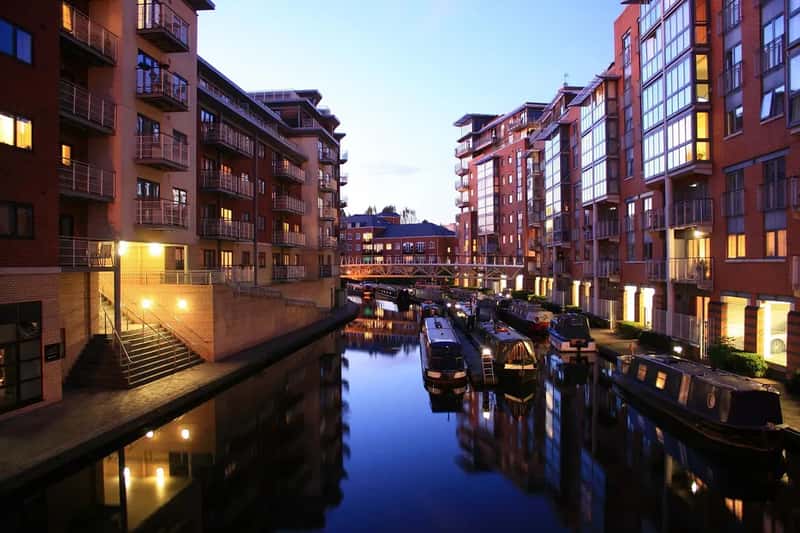
Clocking in with a crime index of 61.26, Birmingham confronts knife crime daily. A huge chunk of its residents report feeling unsafe in their own city. Imagine what that means for a first-time visitor. While art museums and street food scenes charm, danger nests just beyond the city center.
Birmingham ranks 22nd in England and Wales’ 2024 city crime rate rankings, with 119 incidents per 1,000 residents. Crime rates are higher in the city centre and surrounding areas near some universities, ranging from approximately 149 to 180 incidents per thousand. Alongside widespread drug use and violent crime, Birmingham’s recent economic struggles have worsened the situation. Following its declaration of bankruptcy in September 2023, rising poverty and an unstable job market have contributed to its high crime index.
5. Naples, Italy – Camorra’s Playground

Naples, a city steeped in culture and the birthplace of pizza, also has some big crime problems. The presence of organized crime syndicates like the Camorra earns Naples a reputation for being one of the most dangerous cities in Europe. Petty theft and pickpocketing are common, especially in tourist areas like the historic center, Piazza Garibaldi, and around the Central Station.
Theft and burglary frequently occur at Naples’ train stations and metro stops. In the past, incidents of bags or cameras being snatched from passing motorcycles have also been reported. Traffic in Naples is chaotic, and the risk of vehicle break-ins is high. The Numbeo current index places Naples at 62.4 for crime, with a safety index of just 37.6 – one of the lowest in southern Europe (Numbeo, 2026).
6. Grenoble, France – The “French Silicon Valley” With a Violent Underbelly

Once praised as “France’s Silicon Valley,” Grenoble was seen as a model for innovation and urban living. However, the city has seen a sharp rise in violent crime. In 2025, drug-related gang warfare has intensified, with 19 shootings linked to rival cartels. This surge in violence is part of a wider trend across French cities and has deeply affected local communities, with innocent victims often caught in the crossfire.
Common crimes in Grenoble include theft, robberies, and drug trafficking, with the latter fueled by proximity to Marseille, a hub for drug-related crime for decades. The Numbeo index gives Grenoble a crime score of 62.9 (Numbeo, 2026). It is a city that looks perfectly reasonable on a tourist brochure. The reality on certain streets after dark is a very different story.
7. Brussels, Belgium – Diplomatic Capital, Rising Crime
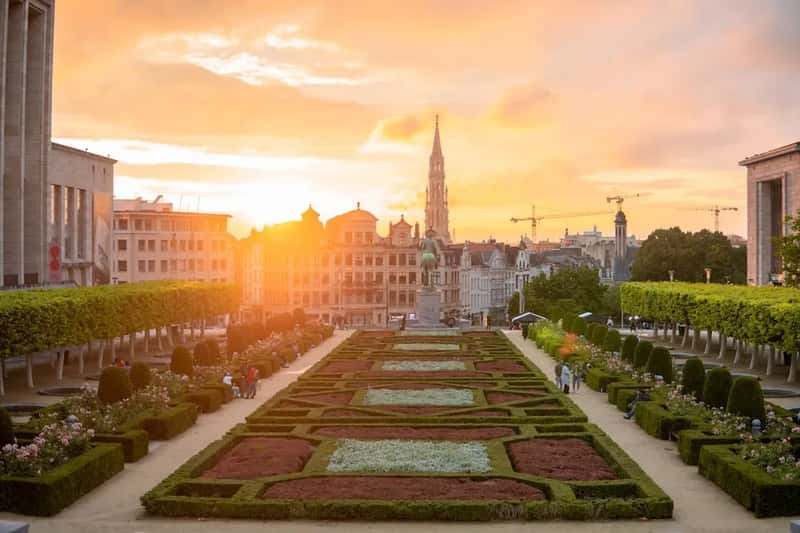
In the pedestrian zone of central Brussels, over 3,100 thefts were recorded in just the first eight months of 2024. In public transportation, a staggering 69% of all robberies in Belgium in 2022 took place in Brussels. Brussels, known as the diplomatic heart of the European Union, has also become a leader in the anti-ranking of the most dangerous cities.
Belgium’s drug crisis has fueled murder rates in recent years, and Brussels now has the second highest murder rate in the European Union, and 2025 saw the highest number of shootings in the history of the city, with 96 shootings. Shootings and gang turf wars, especially in neighborhoods such as Anderlecht and Molenbeek, have been a recurring feature in news reports. Together with the port of Antwerp, Brussels has become one of the main entry points for cocaine into Europe, directly fueling violence and insecurity.
8. Paris, France – The City of Love, Lights, and Theft

Some crime reports refer to Paris as the “city of love, lights, and theft,” highlighting its primary crime issue. Common crimes include pickpocketing and petty theft, especially in tourist areas, as well as fraud, car theft and break-ins, violent crimes, and drug-related offenses. Pickpockets on the Metro, handbag snatches near the Eiffel Tower, and occasional muggings in less-touristed arrondissements all push the numbers up. Violent crime remains lower than property crime, but knife attacks have risen on certain routes.
The European Pickpocketing Index 2024 from Quotezone shows that, by mentions of pickpocketing per million visitors, France leads with 251 mentions, second only to Italy. The Numbeo current crime index places Paris at 58.0, with a safety index of only 42.0 (Numbeo, 2026). France tops the list of the least safe countries in Europe in 2025. France has more serious crimes than the rest of Europe, with one of the highest police presences in Europe not proving sufficient to counteract this trend.
9. Malmö, Sweden – Scandinavia’s Troubling Exception
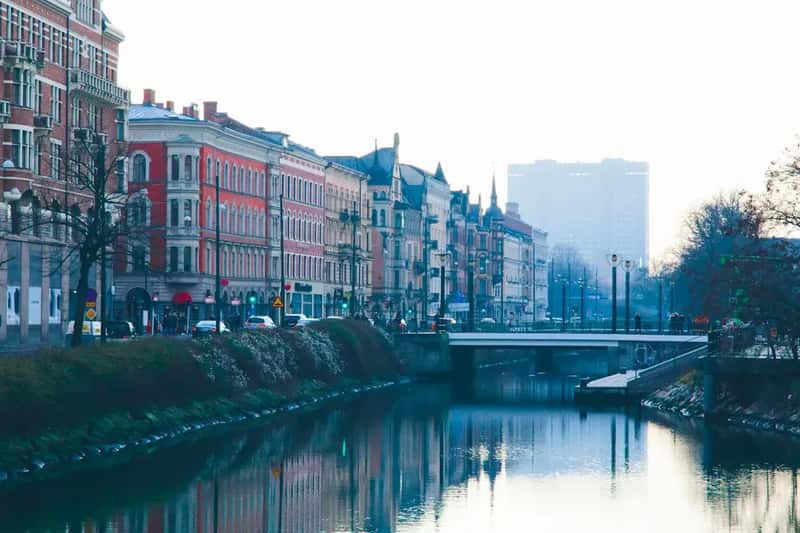
Even in 2025, Malmö is still surprising with its crime rate of 56.14 and a murder rate of 2.9 per 100,000. For many visitors, Sweden represents a kind of ideal – clean, safe, progressive. Malmö has shattered that assumption. This radically changes the perception of Sweden as a safe country for living and tourism.
The Numbeo current crime index puts Malmö at 55.0, sitting close to London and Athens (Numbeo, 2026). Gang violence, drug trafficking, and explosive devices used in gang wars have become strikingly common in this relatively small city of around 350,000 people. Tourists visiting during summer festivals should be aware that certain residential neighborhoods carry elevated risks, particularly after dark. It is genuinely one of the more shocking entries on this list.
10. Barcelona, Spain – Stunning City, Staggering Theft Rates

Barcelona, Spain, even amid targeted improvements, sees theft account for about 6 in 10 crimes in the city; a large share occurs on streets and public transport, according to the Catalan Interior Ministry’s 2024 data. Risk areas include La Rambla, La Boqueria market, the metro, and around the Sagrada Família. These are, of course, exactly where tourists spend most of their time.
According to Numbeo’s 2025 safety rankings, Barcelona has a moderate crime index of 51.71 and a safety index of 48.29, placing it in the middle range for European urban destinations. Comparing data from a study by Compare the Market, Paris follows Bangkok in pickpocketing and scam incidents, while Rome ranks 7th and Barcelona 11th and both remain consistently among the most “dangerous” European destinations for tourists due to overcrowding and high traffic in their historic centers. The sheer volume of tourists – Barcelona is among the cities expected to receive up to 300 million tourists across key hotspots in 2025 – creates the perfect conditions for organized theft rings to operate at industrial scale.
A Final Word Before You Pack Your Bags

None of these cities are “no-go zones” in the absolute sense. Millions of people visit them every year without incident. The difference between a ruined holiday and a memorable one often comes down to awareness. Keep valuables in a secure bag, stay alert on public transport, avoid poorly lit streets after dark, and always check your government’s current travel advisory before departure.
Europe is overall a safe destination, but some cities may have higher crime rates, especially in areas with organized crime or high tourist traffic. Economic instability, high tourism, and rapid urbanization contribute to these higher crime rates in certain areas. By knowing the risk areas in each city, you can take the necessary precautions to make a safe trip.
The cities on this list are not hopeless. Most are genuinely wonderful places packed with culture, food, and history. The point is simple: go informed, not blindfolded. Because the best travel story is still the one where you come home with your passport, your wallet, and every photo you meant to take. Did any of these cities surprise you?