Across the United States, artists and storytellers are finding new ways to draw public attention to species on the brink. Their work moves beyond traditional science reports and instead uses visual and narrative tools to make the loss of wildlife feel immediate and personal. This approach is gaining traction among conservation professionals who recognize that emotional connection often precedes action. The Wildlife Society highlighted several such efforts during a recent gathering in Des Moines, Iowa.
A Potter’s Monument to Loss and Recovery
Julia Galloway, a Regents professor at the University of Montana, has spent years turning clay into a record of the nation’s imperiled species. Her project began after she learned how frequently human activity claims the life of a wandering albatross. That statistic prompted her to shift from decorative work to pieces that confront viewers with the scale of decline. She creates funerary urns, each one etched with the image of an endangered, threatened, or recovered animal. The choice of form is deliberate: urns evoke remembrance and finality. Species that have rebounded appear without lids, a quiet signal that restoration remains possible. When finished, the collection will exceed 1,100 pieces and travel to museums, gardens, and zoos for a decade-long tour. Viewers who first encountered an earlier version of the work reacted with visible anger at the disappearances. Galloway now hopes that same reaction can be channeled into broader support for protection measures.
Filmmaking That Speaks Directly to Local Audiences
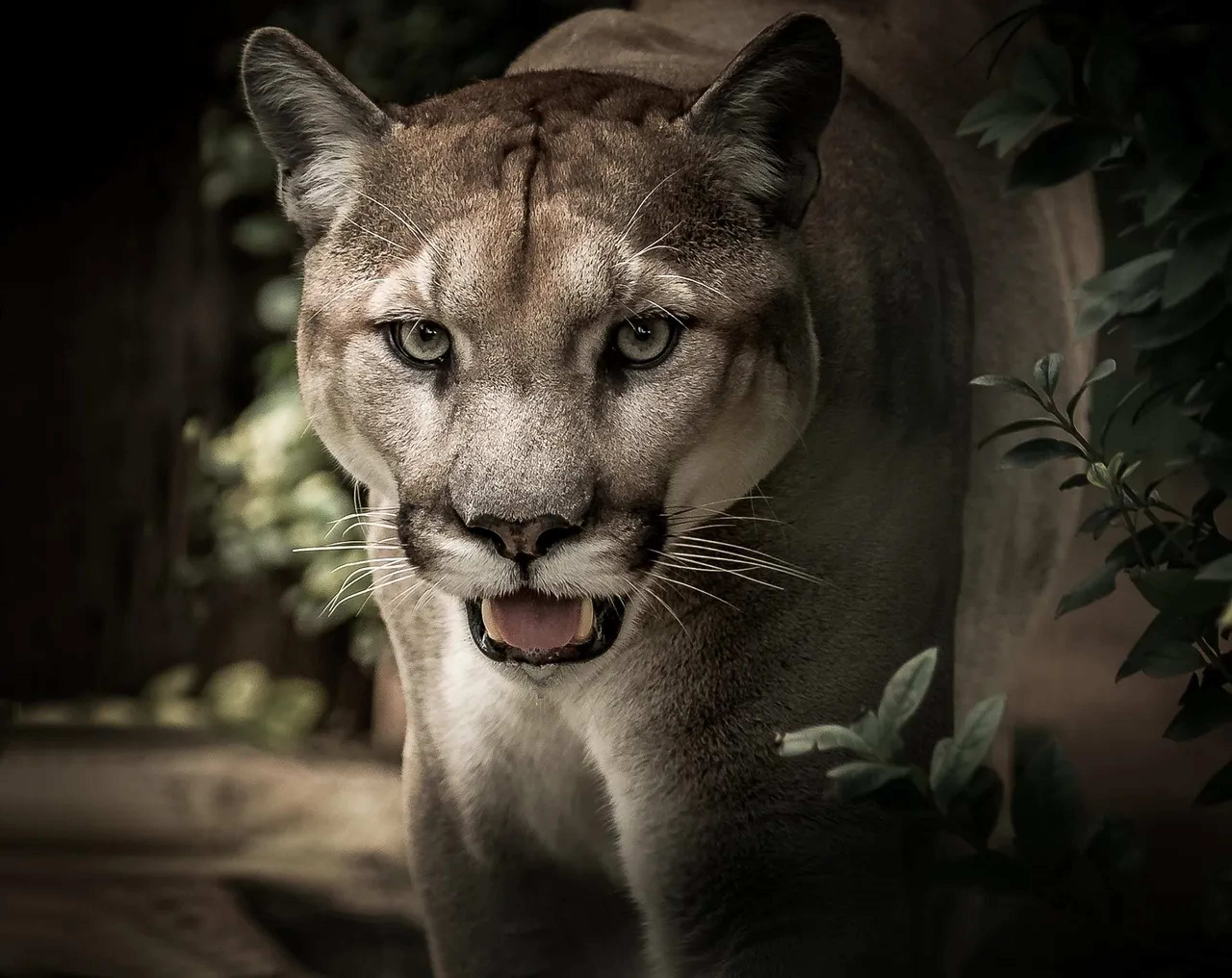
Wildlife biologist turned filmmaker Ben Masters takes a different route to the same goal. After studying at Texas A&M, he founded Fin and Fur Films and has produced documentaries for major platforms. His recent feature on Texas rivers opens with the story of the Texas fatmucket, a small freshwater mussel found only in central parts of the state. Masters tailors each project to the people most likely to care about the place it portrays. By focusing on Texans’ pride in their home landscapes, the film quickly climbed the charts on Apple TV. He also stresses the practical value of partnerships between biologists and filmmakers, noting that accurate information reaches wider audiences when the two groups collaborate closely. A closing sequence from another project shows a mountain lion teaching her kittens to hunt feral hogs, illustrating both the complexity of predator behavior and the interconnected challenges facing native ecosystems.
Stories That Give Permission to Care
Storyteller and National Geographic Explorer Debbie Ng draws on personal experience to bridge the gap between land and sea. Growing up in Singapore, she witnessed the removal of flying fox habitat and later documented a coral reef that was about to be buried for industrial expansion. While on the water, she watched a clownfish defend its eggs against an approaching threat. The moment ended abruptly when reclamation work began and the reef fell silent. Ng later turned the encounter into a comic that introduces marine conservation to readers who rarely think about what lies beneath the surface. Her central point is straightforward: well-crafted stories create social permission for people to value species and places they might otherwise overlook.
Why These Approaches Matter Now
Each of these creators starts from a different medium yet arrives at a shared conclusion. Scientific data alone rarely shifts public behavior at the speed required by current threats. Visual and narrative work, by contrast, can make abstract losses feel concrete and urgent. The urns, films, and comics described at the gathering all aim to turn passive awareness into active concern. Whether displayed in a museum gallery or streamed on a living-room screen, they invite viewers to see themselves as part of the story rather than distant observers. That shift in perspective may prove essential if the next generation of conservation gains the broad support it needs.