Wildlife trafficking across West and Central Africa remains entrenched, even as governments have tightened enforcement in recent years. A new report from the Environmental Investigation Agency, an international nongovernmental organization that tracks environmental crime, finds that trade networks are adapting faster than the efforts meant to stop them. The findings matter now because they point to gaps that persist after arrests and convictions, not just before them. The investigation’s central case, documented in Mongabay’s coverage ([1]), centers on a trader who returned to business within a short time after being convicted. ([1])
A storefront in plain sight
At Lagos’ Lekki Craft Market, shoppers can find handwoven raffia baskets and Ankara fabrics, the kind of goods visitors often bring home as gifts. Among them, an illegal wildlife trader known only as Mr. X sold carved ivory products from his shop. The report describes how he built a network of buyers across Asia and moved large volumes of wildlife products sourced from forests in Gabon, Cameroon and the Central African Republic.
The setting is what makes the case stand out. Illegal goods rarely announce themselves, and in this instance they sat on shelves alongside ordinary souvenirs. For travelers, that blend can make it difficult to tell legal crafts from products that were taken from endangered animals.
From arrest to return to sales
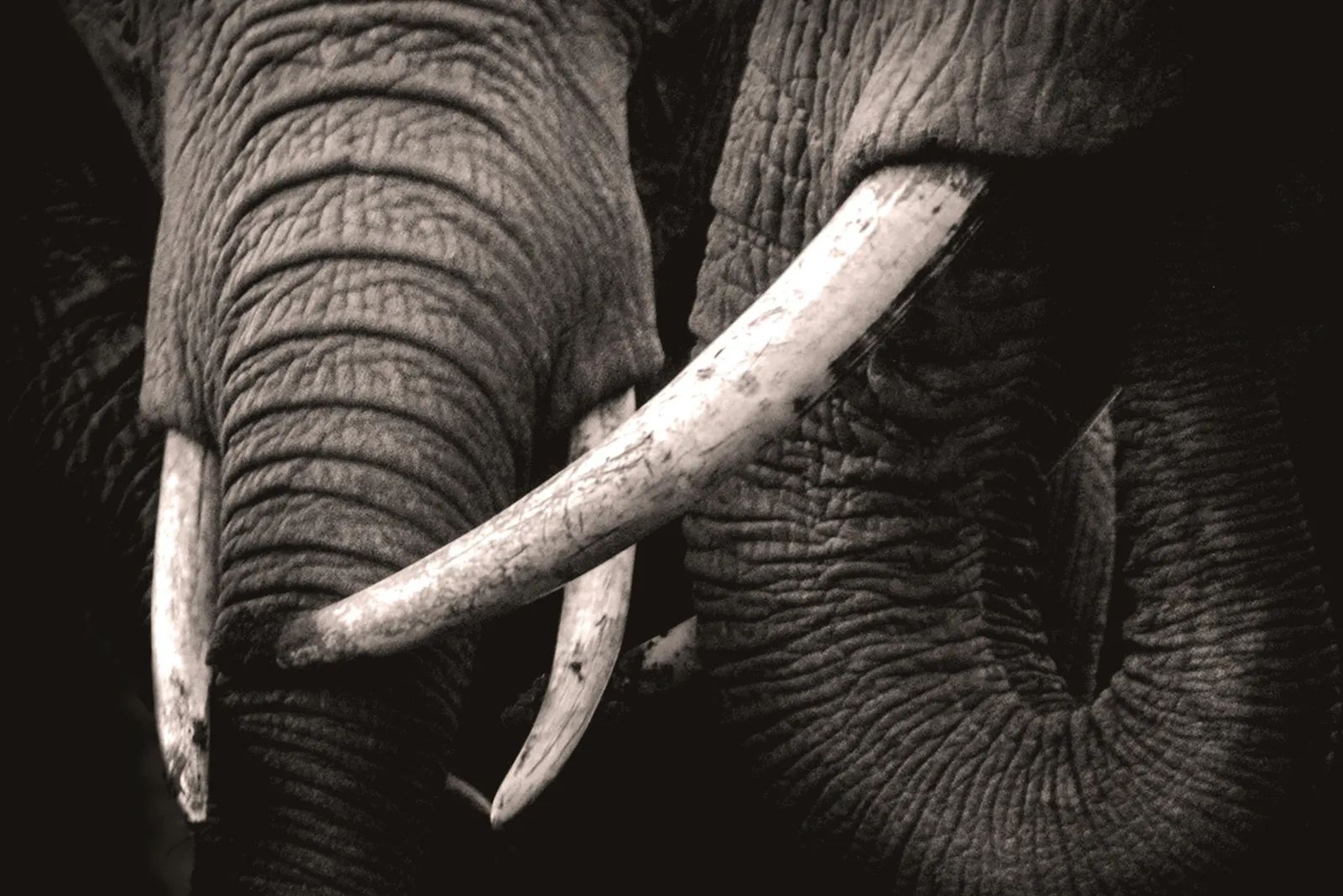
According to the report, authorities arrested Mr. X in early 2022 and seized nearly 900 kilograms of pangolin scales along with 145 kilograms of elephant ivory. The timeline that followed shows how quickly the business recovered after the initial seizure:
- Early 2022: Arrest for unlawful possession of pangolin scales and elephant ivory
- May 2023: Conviction and a two-year prison sentence
- Within months: Release from custody
- About 18 months later: Investigators found him offering pangolin scales for sale again
Investigators concluded that Mr. X likely served only a few months behind bars. They also reported that he paid several million naira, roughly a few thousand U.S. dollars, in bribes through his lawyer during court proceedings. The report presents the case as an example of how corruption can weaken a prosecution even when evidence is substantial.
Why enforcement is not enough
The EIA argues that the problem extends beyond one trader. According to the report, the illegal wildlife trade in West and Central Africa continues to push many species toward extinction, and better enforcement in recent years has not fully curbed it. Criminal networks have continued to change tactics and avoid the measures designed to disrupt the flow of products from endangered wildlife.
That assessment carries practical consequences. A conviction that ends in early release, or a fine that can be offset by a bribe, sends a weak signal to traders who weigh the risk of prosecution against potential profit. Buyers in Asia, who the report says were reached through networks built from storefronts like this one, remain part of the chain as well.
Related Stories From Travelbinger



What travelers should keep in mind
For American visitors, the lesson is less about a single market and more about awareness. Carved ivory, pangolin products and other animal-derived items can be restricted or illegal to sell, export or bring into the United States, even when they appear as ordinary souvenirs. Before buying such items abroad, travelers should check the rules in both the country they are visiting and their home country, and they should be cautious about any seller who cannot document where a product came from.
The report does not suggest that every craft vendor in Lagos is involved in wildlife trafficking. Its focus is narrower: a persistent trade that continues to operate, and a justice process that has not stopped it. The case leaves a clear question for regulators and courts in the region, namely whether convictions can translate into lasting change when the buyers and suppliers behind the trade remain largely out of reach.