New York City pulls in roughly 65 million visitors every single year. It is electric, overwhelming, and one of the most exhilarating places on earth to spend a week. But here’s the thing nobody puts in the travel brochure: the city also runs an invisible parallel economy built almost entirely on the wallets of first-time visitors.
Most crimes in Manhattan are opportunistic and non-violent, with pickpocketing in crowded tourist areas, phone snatchings, and tourist scams being the most common issues visitors face. Knowing where the traps are before you set foot in the city is the single most valuable preparation you can make. So let’s get into it.
1. Times Square: The Costumed Character Shake-Down
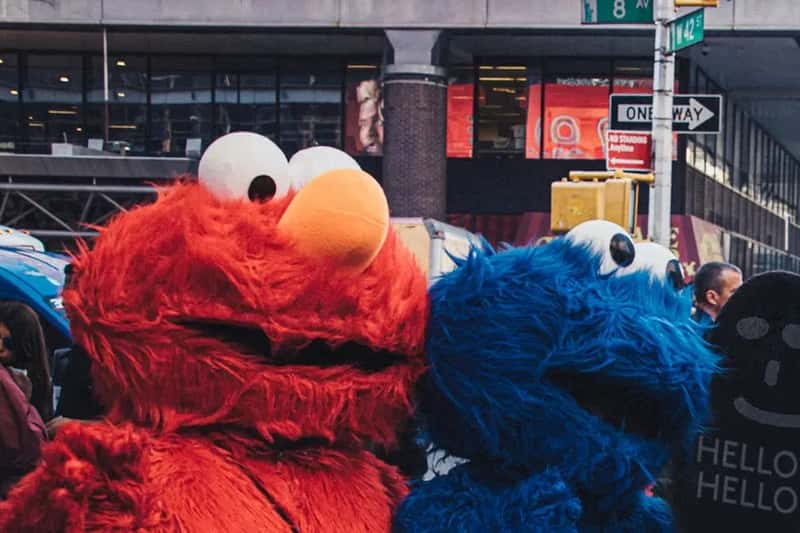
You step into Times Square, lights blazing, and there’s Elmo. Then Spider-Man. Then Batman. They look fun. They are not free. The costumed characters in Times Square are running a whole other show, and once you take that picture, they will corner you for cash, sometimes aggressively and often without warning.
Once characters see you pursuing a photo, many will gather and want to insert themselves in the picture, so a photo with five Spider-Men might cost you $25, and they will aggressively pursue their tip. Things get genuinely uncomfortable fast. Some Times Square scammers now carry card swipers, and there are documented cases where a tourist thought they were paying a few dollars and later found their bank account in the red.
2. The Fake Monk Bracelet Scam Near Central Park and Times Square

If someone in a robe approaches you near Times Square or Central Park and offers a “free” bracelet or charm, these so-called monks are part of one of the most bizarre but persistent New York City tourist traps. They will smile, press a bracelet into your hand, and ask for a donation, often in cash and aggressively.
You may encounter men dressed in yellow robes pretending to be monks, often trolling in Times Square and the surrounding area. Usually they try to hand you a bracelet and put it on your wrist like a loving gift. It is not. At some point you will be asked to make a “donation” to a temple being built in Taiwan or some other remote country. Real monks, for what it’s worth, do not operate like street hustlers outside tourist landmarks.
3. Battery Park’s Fake Statue of Liberty Ticket Sellers
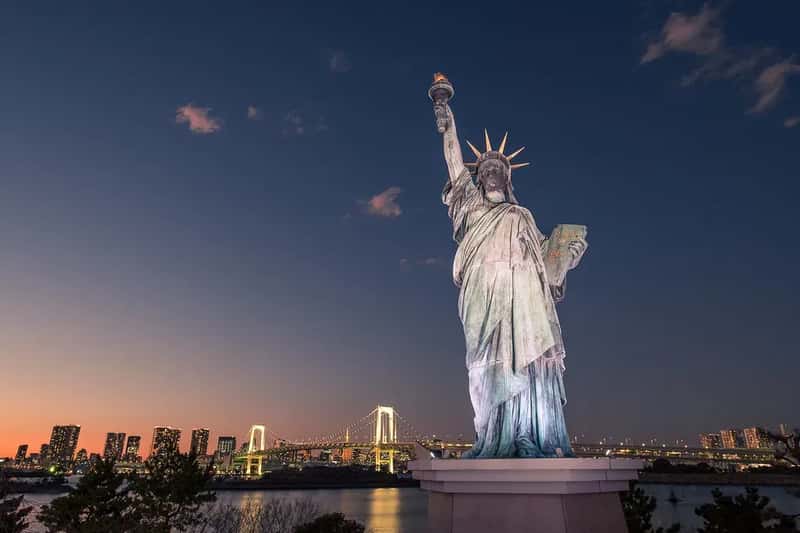
The only authorized provider for Statue of Liberty tickets is Statue City Cruises. Buy tickets at Castle Clinton in Battery Park or online in advance. Street sellers may claim “your tour is canceled,” “boats are sold out,” or “you missed your ferry,” and their goal is to sell tickets for unofficial cruises that do not stop at Liberty Island or Ellis Island.
Outside Battery Park, fake ticket sellers will tell you the Statue of Liberty tour is sold out, but you should not fall for it. Buy tickets only from the official Statue City Cruises kiosk or online. These scammers often wear uniforms and badges to look legitimate, but they are not affiliated with any official service. Honest advice: just book online before you leave home and the whole problem disappears entirely.
4. The NYC Subway: Where Pickpockets Work the Crowds
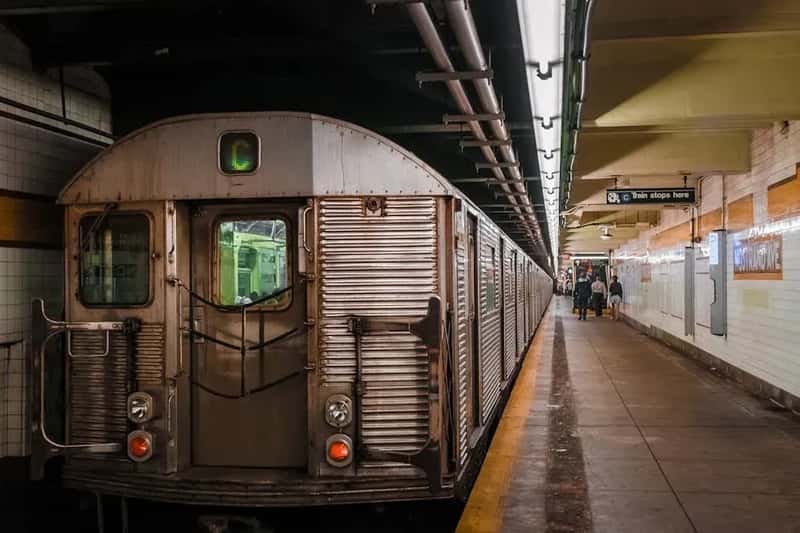
The subway gets a bad reputation that is somewhat exaggerated. The big picture is actually reassuring: crime on city transit generally remains very rare, and there were more than 750,000 subway and bus rides for every major felony in 2024, with larceny, meaning theft, accounting for more than half of that total.
Still, concentration matters. Half of all violent crimes in the transit system occur at just 30 of the city’s 472 stations, generally the busiest ones, and the highest per-rider risk occurs late at night and early in the morning. To stay safe on the subway, keep valuables secured, remain in the conductor’s car in the middle of the train late at night, avoid empty cars, stand back from the platform edge, and avoid riding very late at night after midnight unless necessary.
5. Unlicensed Cabs and Fake Rideshares at JFK and LaGuardia
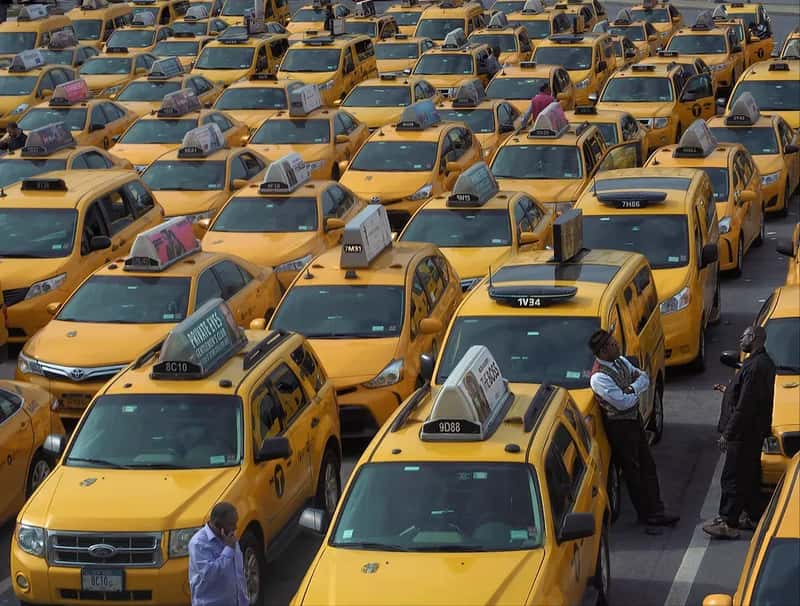
If you have just landed at JFK or LaGuardia and someone approaches you saying “Do you need a ride?”, walk away. This is one of the oldest and most frustrating NYC airport scams. These fake Uber or taxi drivers are not working with any legitimate company, and their services usually involve wildly inflated rates, cash-only payments, or worse.
Licensed drivers never approach passengers inside the terminal because they wait in designated pickup zones and your ride should always be booked through the official app. Anything else is a huge red flag. Think of it this way: no real Uber driver needs to find you. You find them, through the app, at a clearly marked pickup zone. Full stop.
6. The CD Hustle in Times Square and SoHo
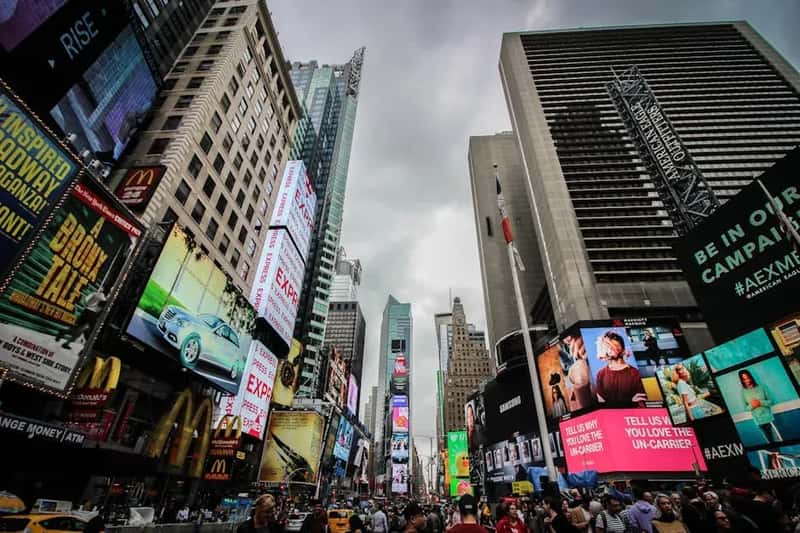
The CD hustle is the most obvious scam of all. A musician or rapper hands you a CD trying to get you to listen to their new music. They are charming and eager, just trying to “make a name” for themselves. You accept the CD. They offer to autograph it for you and they do. Then comes: “That’ll be $20!” and they will aggressively try to get the money from you.
These days, some CD guys will offer a CD-sized piece of paper with a QR code to “download their music” instead of handing you a physical CD. These guys can be aggressive, so if you see anybody handing out CDs, make sure not to make eye contact and politely decline their offering. Once you take their CD, they will expect payment. The simplest rule: hands stay in your pockets.
7. Little Italy’s Mulberry Street Restaurant Row
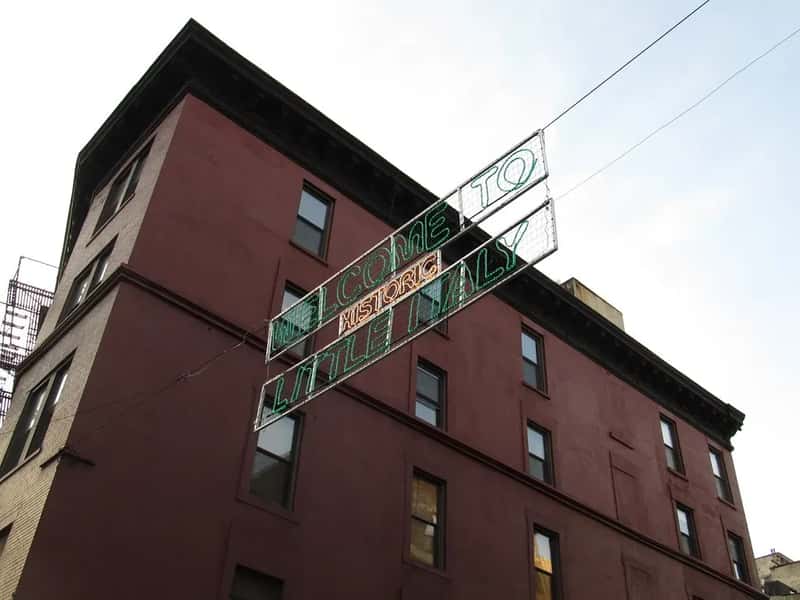
Little Italy looks like a film set, and that’s the problem. The charm is real. The food, less so. Most of the restaurants lining Mulberry Street are overpriced tourist traps serving mediocre food with inflated “authenticity.” The menus are nearly identical, the pasta is underwhelming, and you will likely pay double what it is worth.
Little Italy used to be a hub for the best Italian food in New York City. In recent years, however, it has become a bit run-down. There are a few good Italian restaurants left, but it is mostly overpriced food and waiters heckling tourists to come try their food. Skip this NYC tourist trap and head to Arthur Avenue in the Bronx for real Italian food. Arthur Avenue is now considered the “real Little Italy” and has much more than just Italian restaurants.
8. Overpriced and Unmarked Street Food Carts
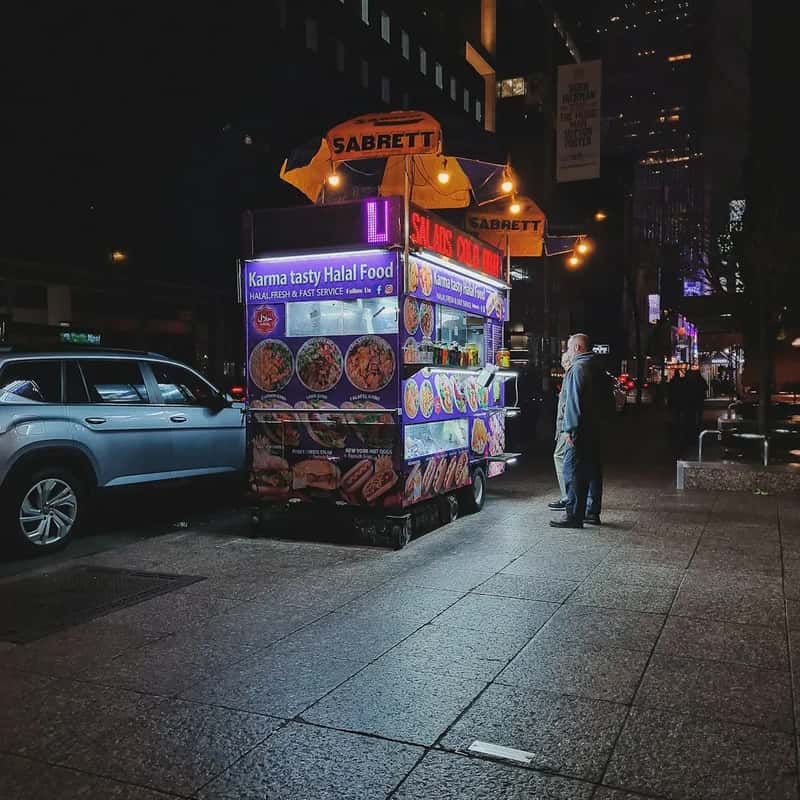
Street food in New York is one of the great joys of the city. I genuinely believe that. The problem is the carts without posted prices near tourist hotspots, because those are a different animal entirely. If you walk up to a cart and there are no prices listed, that is your cue to walk away. These vendors often charge tourists inflated, random prices depending on how lost or foreign you look.
Food trucks and ice cream trucks do not always post prices, or the signs are very tiny. Always ask before ordering because some charge eight to ten dollars for a simple cone. Any time you order from a vendor without his prices listed, ask how much it costs first. Vendors have been known to charge three dollars for a water when you do not ask and two dollars when you do ask in advance.
9. The Street Shell Game and Three-Card Monte

You will spot a little crowd gathered on a corner in SoHo or near Times Square. Someone’s doing a card game. Someone wins big. The excitement feels real and contagious. Here is the cold truth: those street games are scams with planted winners to lure you in. Once you bet, you lose, guaranteed. Spotters in the crowd act as fake players to create hype and distract you while your money disappears.
These operations can include five to ten people working in coordinated roles, from the dealer to the crowd shills to the lookouts watching for police. Travel fraud increased 28 percent in winter 2024, making your next vacation a potential target for sophisticated scammers who prey on unsuspecting tourists. The street card game is as old as the city itself. You are not the first person to think they spotted the pattern, and you will not be the last to lose money thinking they did.
10. Midtown’s Shady Electronics Stores
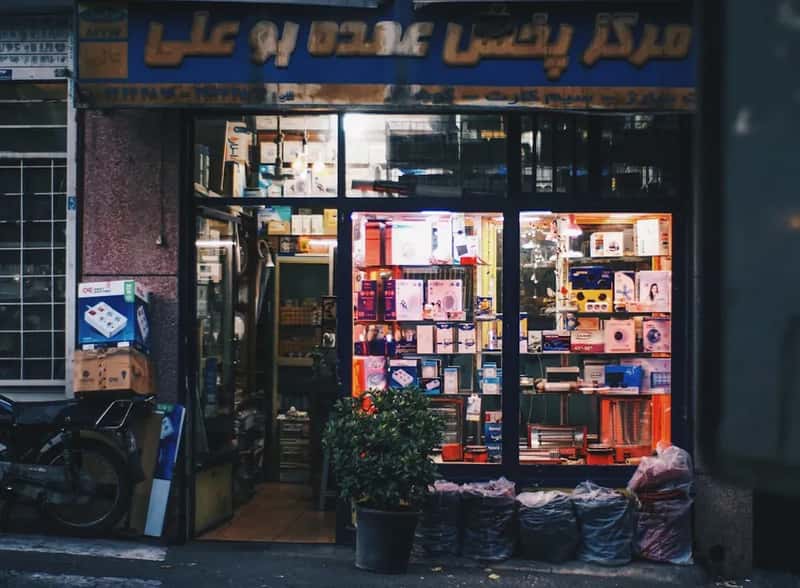
This one catches people who think they are being smart shoppers. You are strolling through Midtown and spot what appears to be an incredible deal on a camera, a phone, or headphones. The storefront looks legitimate. The price looks almost too good. Many unmarked electronics stores in Midtown prey on tourists with inflated prices and shady return policies. They might offer a deal and then swap it for a different model after purchase.
Electronics stores and souvenir stands near Midtown may inflate prices or swap products, so you should stick with trusted retailers and always get a receipt. If a salesperson follows you to the door, urges you not to compare prices elsewhere, or hesitates when you ask for a printed receipt, those are all signals to simply walk out. Stick to big-name retailers like B&H Photo, Best Buy, or local Apple stores. And always ask for a printed receipt because if they resist, that is your sign to walk out.
Stay Smart, Stay Curious

Here is something worth remembering before the panic sets in: the overwhelming majority of crimes affecting tourists are non-violent property crimes, pickpocketing, phone snatching, or tourist scams. While these are frustrating, they are largely preventable with basic awareness.
NYC in 2026 is genuinely safer than it has been in decades. A data-driven policing strategy led to a 3 percent decline in major crime in 2025, while murder declined by 20.2 percent with 77 fewer murders compared to 2024. The city rewards curious, switched-on visitors enormously. The traps listed here exist, but they are not inevitable. They are avoidable.
Most of the danger in these so-called tourist traps is not physical. It is financial, psychological, and frankly just annoying. A ruined afternoon, a lighter wallet, a bad meal at twice the price. Go in with your eyes open, keep your phone in your front pocket, and never accept anything from a stranger on the street. New York is magnificent when you are not busy being played. What would you have done if Elmo grabbed your kid for a photo op you never asked for?