Veracruz, Mexico – A 2017 release of a young Morelet’s crocodile into the Alvarado Lagoons System marked the close of one phase in a broader effort to rebuild coastal wetlands. The work, led by the nonprofit REVIVE, combines traditional planting techniques with the reintroduction of native reptiles to restore a functioning mangrove ecosystem rather than isolated stands of trees. Mexico has recorded the steepest mangrove losses across the Americas, and many reforestation attempts have fallen short because seedlings were placed in unsuitable conditions or without attention to the wider habitat.
Why Restoration Matters Now
Coastal communities in Veracruz depend on healthy mangroves for storm protection, fisheries support, and water filtration. Losses have left shorelines more exposed and reduced the productivity of local waters. The Alvarado Lagoons System has served as a test site where biologists could measure whether a more complete approach would produce lasting results. The project began taking shape in 2006 when biologist Aníbal Ramírez Soto started experimenting with mangrove plantings around the lagoons. Early trials revealed that standard methods often failed once young trees faced natural pressures such as shifting sediments and herbivory. Those observations prompted a shift toward techniques that recreate the conditions under which mangroves historically thrived.
Ancient Planting Techniques in Modern Use
REVIVE drew on Aztec-era chinampa methods, which involve constructing raised planting platforms in shallow water. These structures improve soil stability and allow seedlings to establish roots before they encounter stronger currents or tidal changes. Workers grew nursery stock and then transferred the young mangroves onto the chinampas, giving them a better chance of surviving the critical first years. The approach treats the forest as part of a larger system rather than a collection of individual trees. By rebuilding the physical platform first, the team created conditions that support not only mangroves but also the invertebrates, fish, and reptiles that belong in the habitat. This integrated view distinguishes the Veracruz effort from many earlier projects that focused narrowly on tree counts.
Crocodiles as Ecosystem Partners
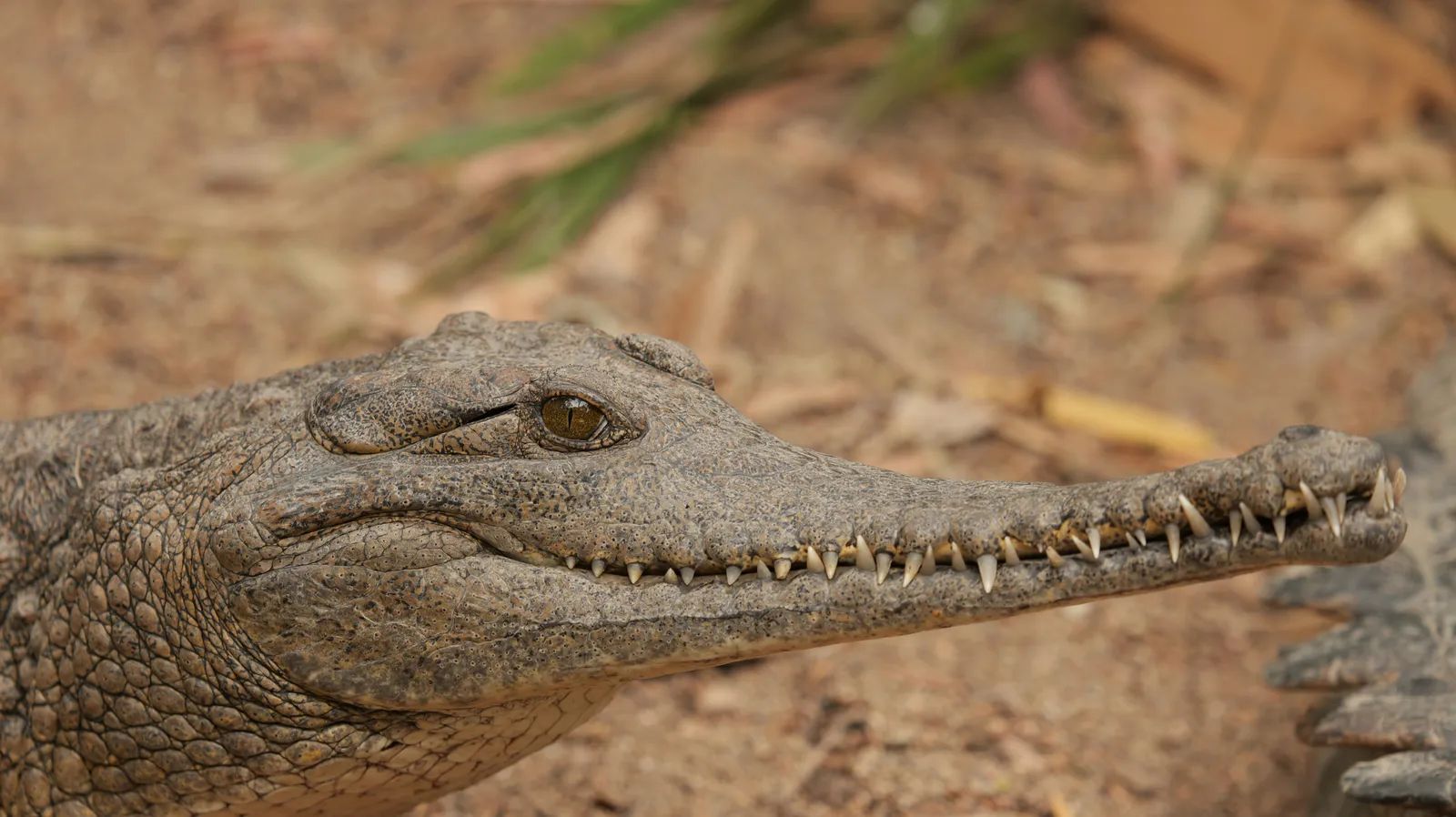
The final step in 2017 involved releasing a juvenile Morelet’s crocodile that biologist Omar Trujillo Santos had transported by small wooden boat. The reptile was untied and guided into the water, where it could begin its role in the restored area. Crocodiles help maintain open channels and control certain prey populations, which in turn influences vegetation structure and nutrient cycling. Project leaders view the crocodiles as active contributors rather than passive additions. Their presence encourages a more dynamic balance among species, reducing the risk that any single pressure will overwhelm the young forest. Early monitoring indicated that the combination of chinampas and crocodiles produced conditions closer to those found in mature, undisturbed mangroves.
Measured Results and Next Steps
REVIVE reports that the site now supports a fully restored mangrove forest. The outcome stands out because many comparable efforts have seen high seedling mortality within a few seasons. The success has prompted discussion among conservation groups about whether similar pairings of traditional engineering and key species could be applied elsewhere along Mexico’s Gulf coast. Stakeholders in the region, including local fishers and tourism operators, stand to benefit from improved coastal resilience and sustained marine resources. Continued observation will show whether the restored area maintains its structure through future storms and seasonal changes. The Veracruz case offers a practical reference point for other projects facing comparable challenges of site suitability and long-term habitat function.