Japan welcomed a record number of international visitors in recent years, and with that surge has come a steady stream of small missteps, awkward pauses, and confused looks exchanged between locals and tourists. Most of these moments have nothing to do with rudeness and everything to do with unfamiliarity. The rules that guide daily life in Japan are rarely written down anywhere obvious, which means visitors often learn them the hard way, usually right after they’ve already broken one.
What follows are ten habits and customs that catch newcomers off guard, some rooted in centuries of tradition, others shaped by very recent changes to how the country handles its tourism boom.
1. Shoes come off the moment you step inside
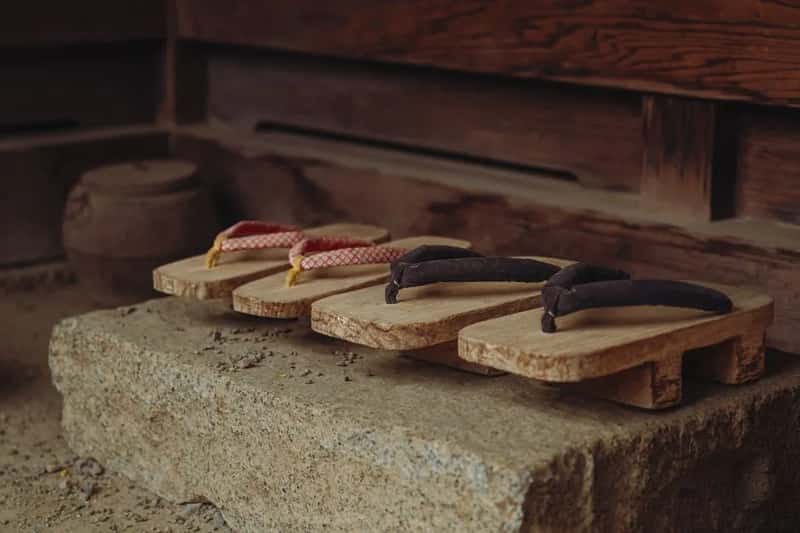
In most homes, traditional inns, temples, and even some restaurants, shoes stay at the entrance. There’s usually a raised step called a genkan that marks the boundary between outside dirt and inside cleanliness, and crossing it in street shoes is considered a genuine breach of manners rather than a minor slip. Slippers are often provided, though those get swapped again for separate bathroom slippers once you reach the toilet, which trips up almost every first time visitor.
The logic behind it is fairly practical once you think about it. Japanese flooring often includes tatami mats made from woven rush grass, and outdoor shoes would damage or dirty them quickly. Locals rarely comment when a foreigner forgets, but the pause and the glance toward your feet usually says enough.
2. Tipping isn’t just unnecessary, it can feel awkward

Leaving extra cash on a restaurant table or handing a tip to a taxi driver tends to confuse rather than delight. Service charges aren’t built into the culture the way they are in North America or parts of Europe, and good service is considered part of the job itself rather than something that requires a bonus. Some establishments will politely chase you down to return money left behind, assuming you simply forgot it.
There are a few narrow exceptions, mostly involving private guides or certain high end ryokan staff, where a tip presented in an envelope might be accepted. Outside of those specific situations, though, the safest move is simply paying the listed price and saying thank you. It sounds almost too easy, but that’s really the whole custom.
3. Trains are quiet spaces, not phone booths
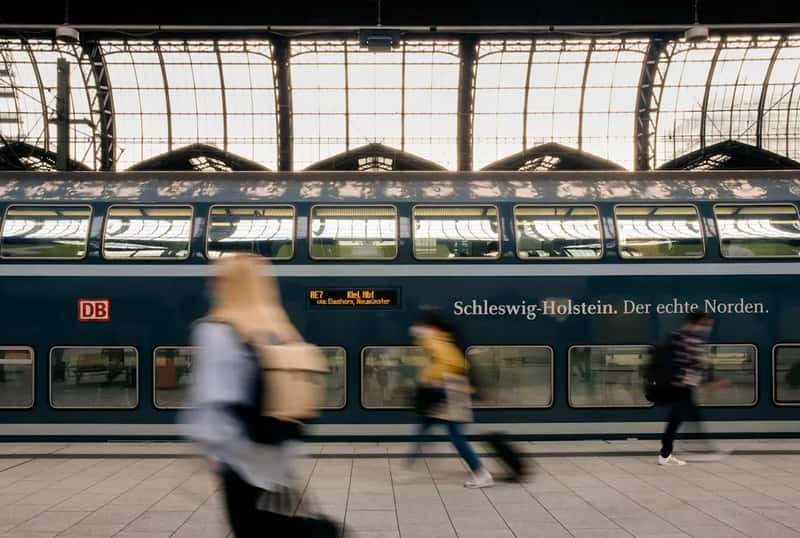
Commuter trains across Tokyo, Osaka, and other major cities operate under an unspoken rule of near silence. Phone calls are generally avoided, ringtones stay on silent, and conversations are kept low enough that they don’t carry across the car. Priority seating areas often ask riders to switch phones off entirely, particularly near passengers who may have pacemakers.
This isn’t strict law enforcement, it’s social pressure, and it’s remarkably effective. Visitors who take a call on a packed train might not get scolded, but the discomfort in the carriage is usually obvious within seconds. Most travelers pick up on the norm quickly simply by watching everyone else stare quietly at their own phones instead of talking into them.
4. Eating while walking draws more attention than expected
Grabbing a snack from a convenience store and eating it on the move is common in many countries, but in Japan it’s often seen as a bit sloppy, especially in more traditional or residential areas. Food is typically eaten standing near the place it was purchased, or seated, rather than consumed while strolling down a street. Ishikawa Prefecture and Kanazawa City recently launched a targeted social media campaign aimed at foreign visitors that seeks to curb behaviors such as littering, eating while walking, unsolicited photography, and last minute reservation cancellations.
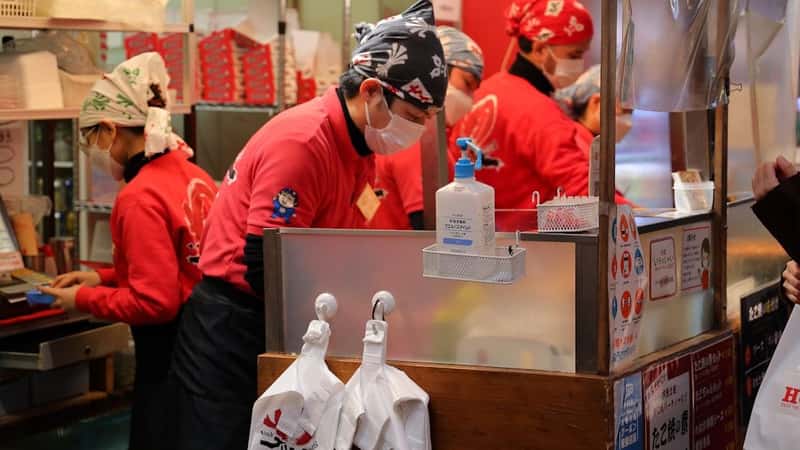
That kind of public messaging reflects a broader shift happening across the country right now. Japan’s increase in inbound tourism isn’t just bringing economic benefits, it’s also bringing mounting concerns over crowding, cultural friction, and breaches of local etiquette. Vendors selling street food like takoyaki or taiyaki often provide a small standing area nearby precisely so customers aren’t tempted to wander off mid bite.
5. Public trash cans are surprisingly hard to find

Anyone who has walked around a Japanese city carrying an empty bottle for an hour, searching in vain for a bin, understands this one immediately. Public trash cans became scarcer after security concerns in the 1990s led many to be removed, and the habit of carrying your own garbage home stuck. Convenience stores and train stations are usually the most reliable spots to find one.
Once you do dispose of something, sorting matters just as much as finding the bin itself. Categories typically split between burnable, non burnable, plastic bottles, and cans, each with its own slot, and getting it wrong in front of a local can prompt a gentle correction. It’s a small system, but it reflects a much bigger cultural emphasis on order and shared responsibility for public spaces.
6. Slurping your noodles is a compliment, not bad manners

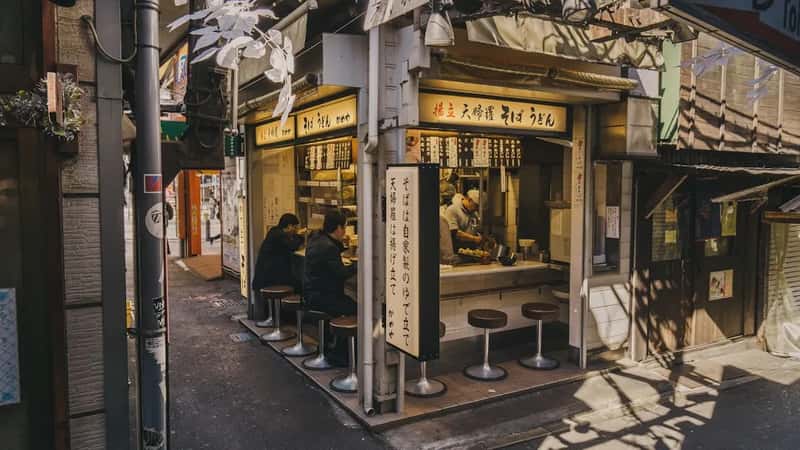
Walk into any ramen or soba shop and the sound of enthusiastic slurping fills the room, which throws off plenty of visitors raised to eat quietly. In this context, slurping signals enjoyment and also helps cool the noodles as they’re pulled into the mouth, since much of Japanese noodle culture revolves around eating dishes piping hot. Chefs generally take it as a sign the food is being appreciated rather than an insult to the table.
This particular rule doesn’t stretch to every dish, though. Slurping tea or soup broth on its own, outside a noodle bowl, still reads as impolite, so context matters more than the sound itself. It’s one of the rare instances where doing what feels instinctively rude back home is actually the more respectful choice in Japan.
7. Business cards follow a small but strict ritual
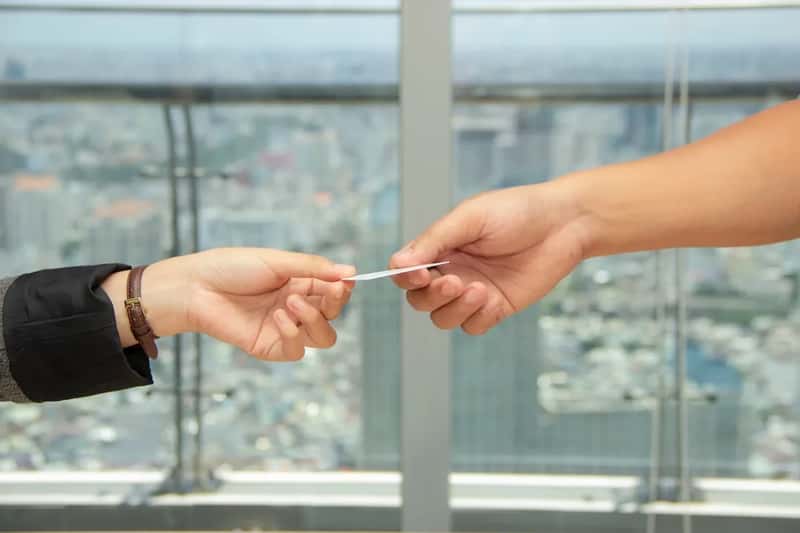
Exchanging a meishi, or business card, in a professional setting comes with its own choreography. Cards are presented and received with both hands, offered with the text facing the recipient, and given a moment of genuine attention rather than being pocketed immediately. Writing on someone’s card or shoving it carelessly into a back pocket can come across as dismissive.
During meetings, cards are often placed neatly on the table in front of each person for the duration of the conversation, partly as a memory aid and partly out of respect. Foreign business travelers who fumble through this exchange are rarely judged harshly, since the etiquette is understood to be culturally specific. Still, making the effort tends to leave a noticeably better impression than treating it as a throwaway formality.
8. Onsen tattoo rules are strict, but they’re loosening

For decades, visible tattoos meant automatic exclusion from most public hot springs, a policy rooted in the historical association between tattoos and organized crime groups. In Japan, tattoos have long been associated with organized crime, particularly the yakuza, and as a result, many public baths and hot springs have historically refused entry to people with tattoos. That association still shapes attitudes among many older residents today.
The picture is changing, though, especially in areas that see heavy tourist traffic. The luxury onsen brand Kai, owned by Hoshino Resorts, recently changed its policy after its CEO announced the decision at a press briefing, aiming to make things easier for both tourists and staff who had previously enforced the ban. Private baths, cover up patches, and a growing number of openly tattoo friendly facilities mean the old blanket rule no longer applies everywhere, though it’s still worth checking policies before booking a stay.
9. Gift giving comes with its own quiet rulebook
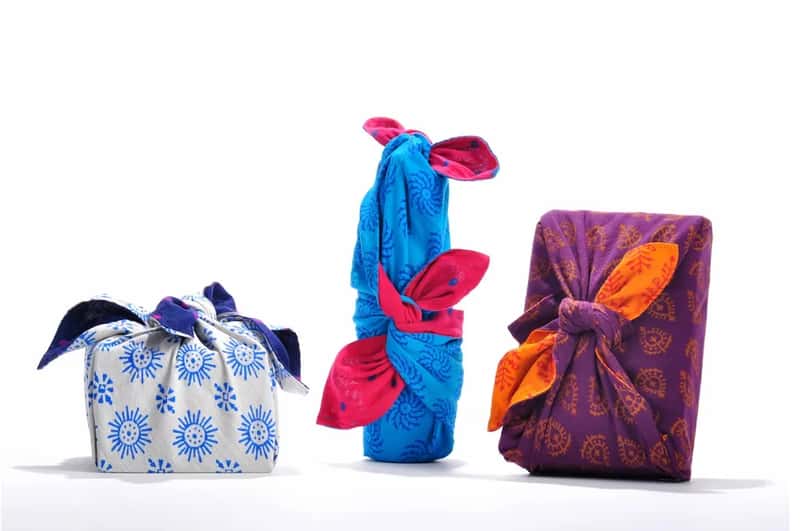
Bringing back souvenirs, known as omiyage, for coworkers or family after a trip isn’t optional courtesy in Japan, it’s close to an expectation. The gesture matters more than the price tag, and items are typically wrapped carefully, often in layers, since presentation carries real weight. Handing something over with both hands, and receiving a gift the same way, is standard practice.
There’s also a habit of gently declining a gift once or twice before accepting it, a small dance meant to show humility rather than genuine reluctance. Opening presents immediately in front of the giver isn’t always the norm either, particularly in more formal settings, where it’s often set aside to open later. None of it is complicated once explained, but it can feel like a maze the first time you’re standing there holding a nicely wrapped box unsure what to do next.
10. Direct refusal is rare, so reading between the lines matters
Japanese communication leans heavily on indirectness, particularly when it comes to saying no. A flat rejection is often replaced with phrases like “it’s a bit difficult” or a long pause followed by a change of subject, both of which function as a soft decline. This connects to the broader concept of honne and tatemae, the private true feelings someone holds versus the public face presented to keep social harmony intact.
For visitors used to blunt communication, this can be genuinely disorienting at first, especially in business or service settings where an answer never quite arrives as a clear yes or no. Learning to notice hesitation, vague timelines, or overly polite deflection as a form of no takes time, but it prevents a lot of confusion once it clicks. It’s less about being evasive and more about protecting the comfort of everyone involved in the conversation.
None of these customs are difficult once you know they exist, and most locals extend real patience toward visitors who are clearly trying. The bigger challenge is simply that guidebooks rarely mention them, leaving travelers to piece things together through trial, error, and the occasional puzzled look from a stranger. Understanding a handful of these norms before arriving tends to smooth out the early days of a trip considerably, turning small cultural friction into something closer to genuine ease.