Every year, more Americans pack up their lives and head across the Atlantic, chasing better work-life balance, walkable cities, or simply a change of scenery. The pull is real, and the number of people acting on it keeps climbing. What tends to catch newcomers off guard, though, isn’t the big cultural stuff everyone warns about. It’s the smaller, day-to-day realities that only show up once the moving boxes are unpacked.
1. How much paperwork actually stands between you and a new life
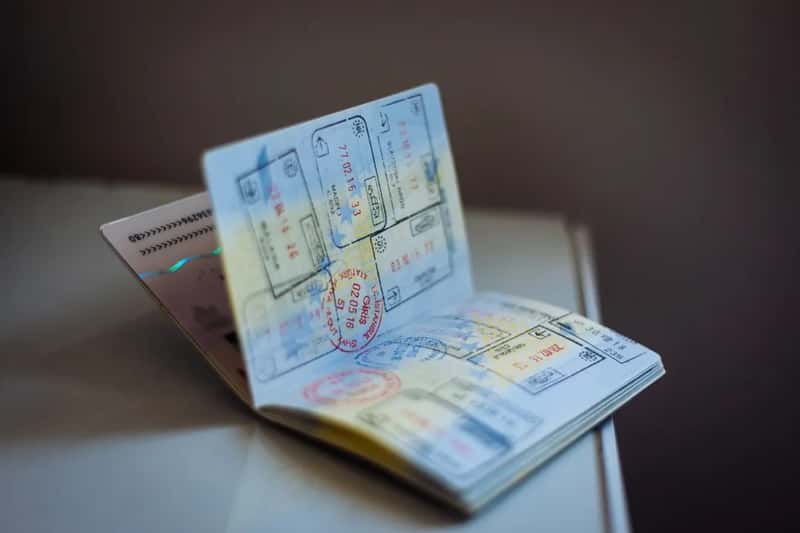
Americans researching a move often assume that once they’ve picked a country, the hardest part is behind them. In reality, the bureaucratic side of relocating is frequently the longest and most frustrating stretch of the entire process. European bureaucracy may be perceived as cumbersome and tedious, involving numerous visits to government offices and waiting lines. Multiple visa categories exist depending on your situation, from work permits to retirement visas to digital nomad routes.
Even the easiest countries on paper come with real friction. Moving to Europe from the USA doesn’t have to be a bureaucratic nightmare, and Portugal, Spain, and Germany are among the easiest countries to live in, offering clear visa options and supportive expat communities. Still, gathering apostilled documents, translating records, and waiting on appointments takes far longer than most people budget for, sometimes stretching into a year or more before a permit is finally in hand.
2. Uncle Sam doesn’t let go, even from thousands of miles away

One of the biggest surprises for new expats is discovering that leaving the country does not mean leaving the IRS behind. The US taxes its citizens and resident aliens on worldwide income even when they live abroad, meaning a US citizen or green card holder overseas may still have a filing obligation once income passes the filing threshold, even if exclusions or credits later reduce US tax to zero. This citizenship-based taxation system is nearly unique among wealthy nations and catches plenty of newcomers off guard.
On top of the annual tax return, there are separate reporting requirements for anyone holding a foreign bank account. US taxpayers who own foreign financial accounts must report those accounts to the US Treasury Department, even if the accounts don’t generate any taxable income, and taxpayers should file a Report of Foreign Bank and Financial Accounts electronically. Skipping this isn’t a quiet oversight either, since FATCA, separate disclosures on FBAR and Form 8938, digital asset reporting, and newer IRS enforcement tools have made non-filing abroad much easier to detect.
3. Apartments are smaller, and closets are basically a myth
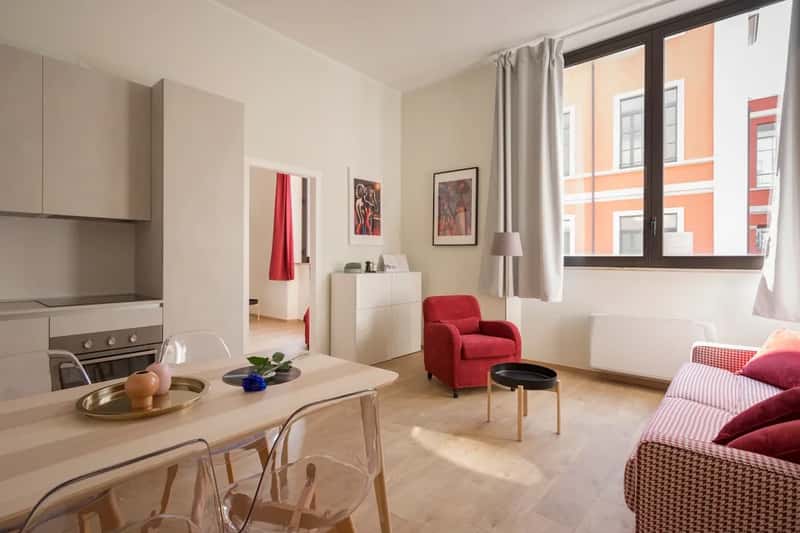
American homebuyers and renters are used to generous square footage, walk-in closets, and garages full of storage. European housing, particularly in city centers, operates on a completely different scale. Older buildings were constructed long before modern appliances or oversized furniture were a consideration, so layouts tend to be compact and vertical rather than sprawling.
Closets are often an afterthought or nonexistent, with wardrobes serving as the standard substitute in bedrooms. Elevators may be tiny, staircases narrow, and kitchens far smaller than what a typical American home offers. It’s not a downgrade so much as a different philosophy about space, but it takes real adjustment for anyone arriving with a houseful of American-sized furniture.
4. Air conditioning is the exception, not the rule

Summers in much of Europe used to be mild enough that cooling systems felt unnecessary, and that assumption is baked into how buildings were designed. While nearly 90% of US homes have air conditioning, in Europe it’s around 20%. That gap becomes very noticeable during a heat wave, especially in older buildings with thick walls but no ventilation system built for hot weather.
The reasons go beyond habit. The lack of domestic natural gas supplies in many European nations makes energy costs higher than in the US, and broadly, take-home salaries are also lower. Climate change is slowly shifting attitudes, though. In Italy, thousands of deaths during a 2003 heat wave appear to have been a final straw, and that summer an estimated 10 to 15 percent of households had AC units, but by 2024 that number had soared to 56%.
5. Laundry day looks completely different
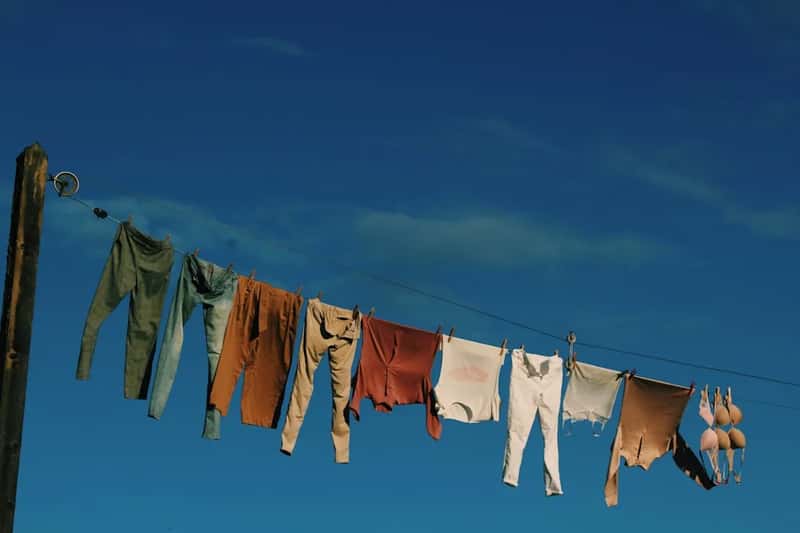
Newcomers quickly notice that clothes dryers are far less common, and the ones that do exist often work quite differently than what Americans expect. Tumble dryers aren’t standard in European homes the way they are in North America, and while many homes do have them, most people air-dry their clothes on drying racks, outdoor lines, or heated towel rails. This isn’t just about tradition either.
It’s partly about space and partly about energy costs, but also a cultural preference. Combined washer-dryer units are common in smaller apartments, and they tend to run longer cycles that leave clothes only partially dry. It takes a bit of patience to build a new laundry routine around drying racks and open windows instead of a quick tumble cycle.
6. Healthcare works, but registering for it takes effort

Universal healthcare systems across much of Europe genuinely deliver strong outcomes at a lower cost than the American system, and that reputation is well earned. What surprises many newcomers is the administrative front end. Getting registered typically requires proof of residency, a local address, and sometimes months of private insurance coverage before public coverage kicks in.
Every country handles this differently, and the process rarely mirrors anything Americans are used to with employer-based insurance. Digital nomad and retiree visas usually require proof of private health coverage as a condition of approval in the first place. Once registered, the system tends to run smoothly, but that initial paperwork phase catches a lot of people off guard.
7. Driving comes with its own learning curve

Renting or buying a car in Europe often means confronting a stick shift for the first time in years, since manual transmissions remain the norm across most of the continent. Automatic vehicles exist but usually cost more to rent and are less widely available outside major cities. Add in narrow medieval streets, roundabouts instead of four-way stops, and stricter licensing rules, and driving becomes a genuine adjustment rather than a minor inconvenience.
Fuel prices also come as a shock, often running noticeably higher than in the United States due to heavier taxation. Many newcomers find it easier, and cheaper, to simply lean on public transportation instead, which tends to be far more extensive and reliable than what most American cities offer. Cities built centuries before the automobile simply were not designed with wide car lanes in mind, and that shows up in daily commuting habits.
8. Shops close early, and Sundays basically don’t exist for shopping
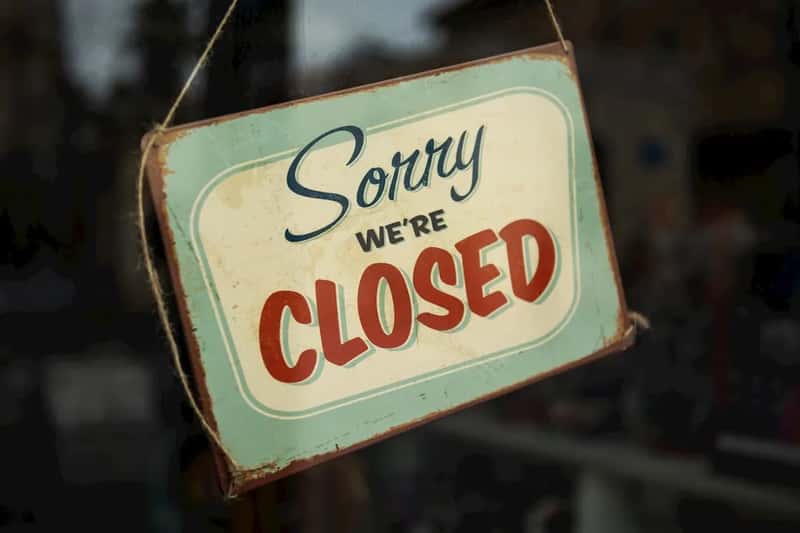
Grocery stores, pharmacies, and retail shops in many European countries keep far shorter hours than Americans are accustomed to, and Sunday closures remain common in countries like Germany and Austria. Planning a Sunday errand run the way you would back home simply doesn’t work in a lot of places. It takes a mental shift to stock up in advance rather than assuming stores will always be open when needed.
This ties into a broader cultural difference around work and rest. Under EU working time rules, employers must provide workers with a minimum of four weeks paid annual leave. Germany and Belgium fix the minimum at twenty working days, France sits at twenty-five, and Sweden, Denmark, and Austria all start at twenty-five working days. That protected rest extends to store hours and business culture generally, which can feel restrictive to someone used to twenty-four-hour convenience.
9. English will only get you so far

Plenty of Americans assume that because English is widely spoken across much of Europe, daily life will be manageable without learning the local language. That holds true in tourist zones and international business settings, but it falls apart quickly at the post office, the pharmacy, or the local tax office. Bureaucratic processes, healthcare registration, and even basic apartment leases are frequently conducted only in the local language.
Beyond the practical hurdles, there’s a social cost to skipping language learning. Integration into a neighborhood, building friendships with locals, and understanding humor or nuance in daily interactions all become much harder without at least conversational fluency. Even in famously English-friendly cities, showing effort with the local language tends to open doors that otherwise stay firmly closed.
10. Banking and money habits require a full reset
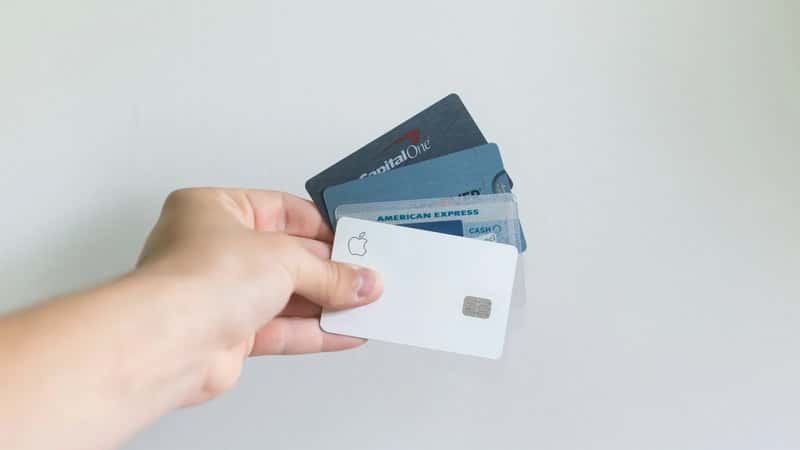
American credit-first habits don’t always translate smoothly to European financial systems, where debit cards, direct bank transfers, and cash remain more central to daily transactions in many countries. Building credit history from scratch is often necessary too, since US credit scores don’t transfer internationally. Opening a local bank account can also be surprisingly difficult without an established residence permit and address first.
Pricing habits differ as well, since displayed prices already include value-added tax rather than adding it at checkout the way US sales tax works. Tipping culture is far more modest, and service charges are frequently built into the bill already. These are small details individually, but together they add up to a noticeably different relationship with everyday spending.
None of these ten adjustments are dealbreakers on their own, and most people find their footing within the first year. What tends to matter more than any single item on this list is the willingness to slow down and let old assumptions go. The move works out best for those who arrive expecting a genuinely different system, not a version of home with better scenery.