Frequent travelers develop habits that casual flyers rarely notice, and most of it comes down to what sits in that one bag tucked under the seat. While checked luggage disappears into the belly of the plane, the personal item stays close, ready to solve problems the moment they show up. Watching a seasoned flyer unpack their under-seat bag is a bit like watching someone pull tools out of a well-organized toolbox, everything has a purpose and a place.
1. A portable charger with real capacity
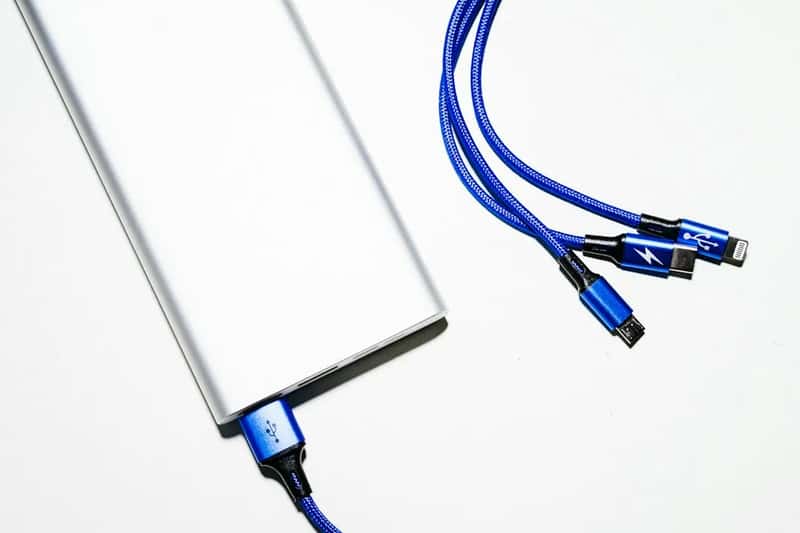
Airport outlets are often scarce, hidden behind furniture, or already claimed by someone camped out for hours. Experienced travelers rely on a power bank rated at least 10,000mAh, enough to fully charge a phone two or three times over during delays or long-haul flights. Many opt for models with both USB-C and USB-A ports so they can juice up multiple devices without hunting for the right cable.
This habit matters more now than ever, since boarding passes, hotel confirmations, and rideshare apps all live on a phone that needs to survive an entire travel day. A dead phone at baggage claim or during a gate change can turn a minor hiccup into a real headache. Seasoned flyers treat their charger like a seatbelt, something they check before they even leave the house.
2. Noise canceling headphones or earplugs

Cabin noise from jet engines typically sits around 80 to 85 decibels, loud enough to cause fatigue on longer flights even if passengers do not notice it happening in the moment. That is why frequent flyers rarely board without noise canceling headphones or, at minimum, a set of foam earplugs tucked into a side pocket. The goal is not luxury, it is protecting hearing and preserving energy for whatever comes after landing.
Beyond blocking engine drone, good headphones double as a subtle boundary against chatty seatmates or crying infants a few rows back. Some travelers keep both headphones and earplugs on hand, since headphones can die or feel too bulky during a short nap. It is a small redundancy that experienced flyers rarely skip.
3. A compact first aid and medication pouch
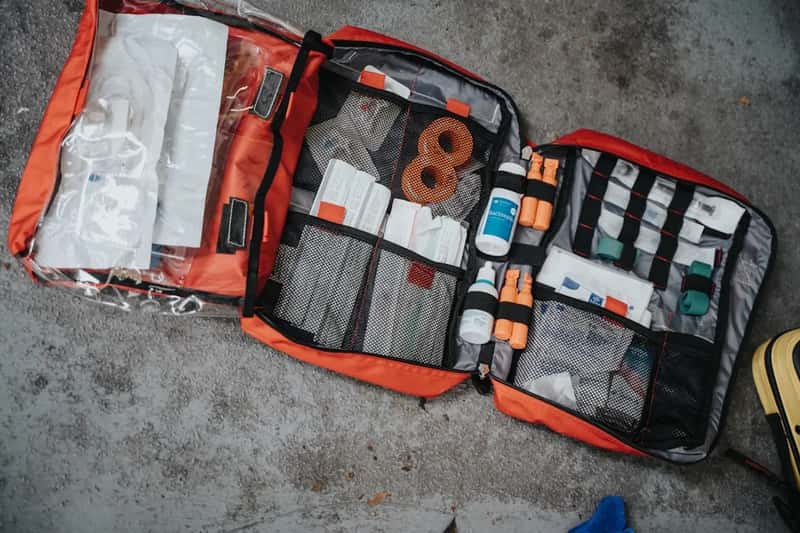
Cabin air is famously dry, often sitting below 20 percent humidity, which is far drier than most homes or offices. That dryness contributes to headaches, dehydration, and irritated sinuses, so frequent flyers pack a small pouch with pain relievers, allergy tablets, and any prescription medication they cannot risk losing in checked baggage. TSA guidelines allow passengers to carry liquid medications in reasonable quantities beyond the standard 3-1-1 rule, as long as they are declared at the checkpoint.
This pouch usually includes basics like adhesive bandages, motion sickness tablets, and saline nasal spray. Travelers who fly internationally often add a copy of prescriptions in case questions arise at customs or a refill becomes necessary abroad. It is a small kit, but it solves problems that would otherwise require a pharmacy hunt in an unfamiliar city.
4. Reusable water bottle, empty until security

Dehydration on planes is a well documented issue, partly because cabin humidity is so low and partly because many travelers simply forget to drink enough water. Experienced flyers carry an empty reusable bottle through security, then fill it at a water fountain or bottle-filling station once they clear the checkpoint. This sidesteps the cost and waste of buying bottled water at inflated airport prices.
Many airports have expanded refill stations in recent years, partly in response to sustainability pressure and partly because passenger demand for tap water access has grown. A liter bottle is usually enough to get through a mid-length flight without needing to ask a flight attendant every twenty minutes. It is a small habit that pays off both financially and physically.
5. A lightweight packable jacket or scarf

Cabin temperatures vary widely depending on the airline, the route, and even where a passenger sits relative to air vents. Since it is common for cabins to run cooler than expected, many frequent flyers keep a thin packable jacket or a large scarf that can double as a blanket. This avoids relying on the airline’s blanket, which is not always offered on shorter or budget routes.
A scarf in particular offers flexibility, working as a neck pillow, an eye cover, or extra warmth depending on the situation. It takes up very little space compared to a full sweater, yet it solves one of the most common complaints flyers have about long flights. Comfort, in this case, is less about luxury and more about avoiding unnecessary discomfort.
6. Snacks that survive security and hunger
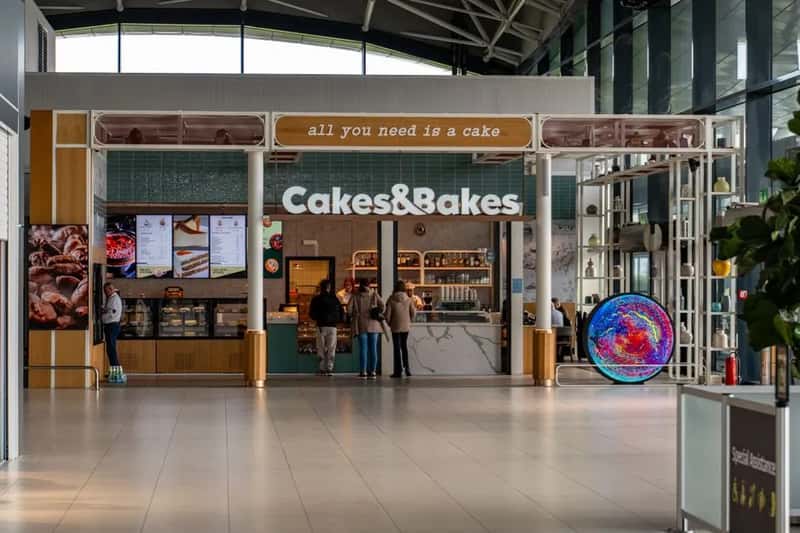
Airport food prices have climbed noticeably in recent years, and options inside the terminal are not always available near every gate. Seasoned travelers pack solid, mess-free snacks like protein bars, nuts, or dried fruit, all of which comply with TSA solid food rules and rarely raise questions at screening. This becomes especially useful during layovers or delays when meal service is hours away.
Snacks also help regulate blood sugar during long travel days, which can otherwise leave passengers feeling foggy or irritable by the time they land. Many flyers choose items that do not require refrigeration and can handle being tossed around in a bag without turning into crumbs. It is a practical habit, not an indulgent one.
7. A slim document organizer or travel wallet
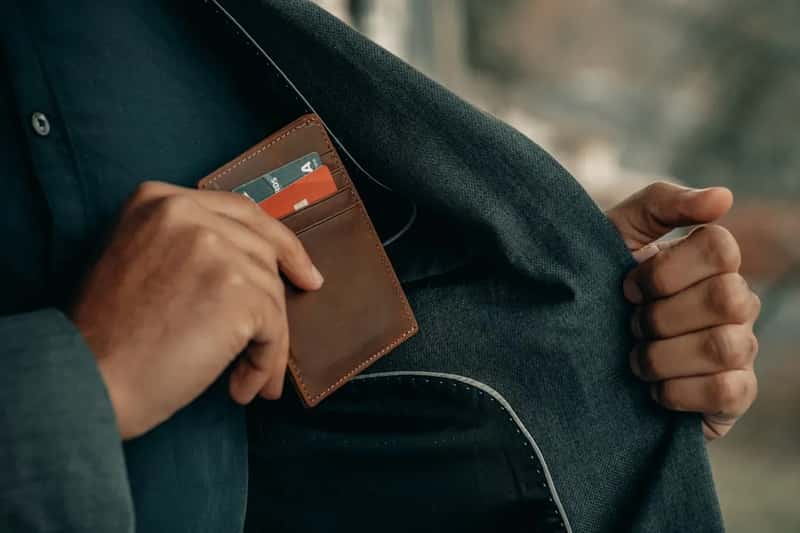
Passports, boarding passes, ID cards, and loyalty program cards can pile up quickly, especially on international trips with multiple connections. Experienced flyers use a slim organizer to keep these documents in one place, reducing the chance of fumbling at a checkpoint or losing something important in a larger bag. Many of these organizers include a designated slot for a pen, since customs forms still often need to be filled out by hand.
This habit becomes even more valuable during multi-country trips, where currency, transit cards, and visas can add clutter fast. Keeping everything in a single, easily accessible pouch means less time spent digging through pockets while a line builds behind you. It is a small organizational choice with a noticeable payoff.
8. A change of clothes or key essentials
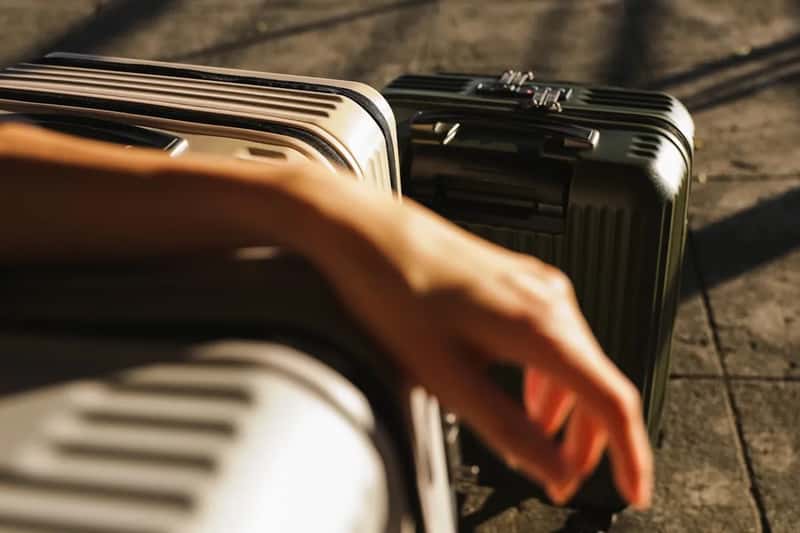
Checked luggage does occasionally go missing, delayed, or misrouted, and airlines cannot always guarantee same-day resolution. Because of this, frequent flyers often pack at least one change of clothes, a toothbrush, and any essential toiletries in their personal item rather than relying solely on checked bags. This is particularly common among business travelers who cannot afford to show up to a meeting without proper attire.
Even a simple backup, like a spare shirt and undergarments, can turn a lost luggage situation from a crisis into a minor inconvenience. Some travelers also include a compact toiletry bag with travel-sized items that meet the 3.4-ounce liquid limit set by TSA. It is a habit built on experience, usually adopted after one bad trip taught the lesson the hard way.
9. Entertainment that does not depend on WiFi

In-flight WiFi remains inconsistent across airlines, and even when available, it often comes with a fee or spotty connection at higher altitudes. Experienced flyers download shows, podcasts, audiobooks, or e-books onto their devices before departure so they are not stuck relying on unreliable onboard internet. A physical book or e-reader is also a popular backup, especially during takeoff and landing when devices may need to stay in airplane mode.
This preparation matters most on long-haul routes where seatback entertainment systems can malfunction or simply feel outdated. Having a personal library ready to go means boredom is rarely a real problem, even during multi-hour delays. It is less about entertainment for its own sake and more about controlling one variable that is otherwise left to chance.
10. A small pouch of hand sanitizer and wipes
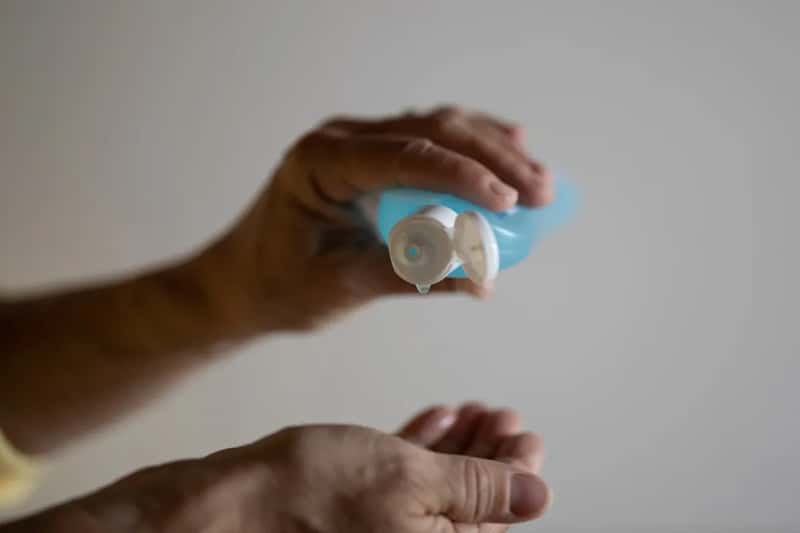
Airplane tray tables and armrests are frequently cited by researchers as carrying more bacteria than many other surfaces travelers encounter during a trip. Frequent flyers keep a small bottle of hand sanitizer, often under the 3.4-ounce limit, along with a pack of disinfecting wipes to quickly clean their immediate seating area. This habit became especially common after global health events raised general awareness about surface contact in shared spaces.
Wiping down a tray table takes less than a minute but can meaningfully reduce contact with lingering germs from previous passengers. Hand sanitizer also comes in handy after using airport restrooms or handling shared surfaces like kiosks and security bins. It is a quick, low-effort habit that many experienced travelers no longer even think twice about.
Taken together, these ten items reflect less about packing light and more about packing smart. Every choice solves a specific, recurring problem that shows up again and again across different trips, airlines, and airports. What separates an experienced flyer from a first-time traveler is rarely luck, it is usually just preparation stored in the bag under the seat in front of them.