Retiring in Mexico sounds simple in the brochures: sunshine, tacos, and a fraction of the cost of living back home. The reality in 2026 is a little more layered. Between tightened immigration enforcement, shifting income thresholds, and a healthcare system that works nothing like Medicare, there’s a real learning curve that most retirees only discover after they’ve already sold the house up north.
None of this means the dream is dead. Hundreds of thousands of Americans have already made the move and built genuinely good lives here. Still, a bit of hindsight goes a long way, so here are ten lessons that would have saved a lot of stress if I’d known them before packing the moving truck.
1. A Tourist Stamp Won’t Cut It Anymore

For years, the “border run” was an open secret among snowbirds: enter on a tourist permit, stay for months, hop across the border for a weekend, and come back for another 180 days. That workaround is essentially gone. In 2026, Mexico has transitioned to a fully digitized immigration tracking system at all major international airports and land borders, and the paper FMM has been largely eliminated, meaning immigration officers have instantaneous access to your entire travel history at the e-gate.
If the system flags you as someone who has spent most of the year in Mexico on tourist status, expect trouble. If their screens show that you have spent the majority of the last year in Mexico on a tourist status, they are highly likely to issue you a restricted entry, often limiting your stay to just 7, 15, or 30 days. And once you’re actually settled, forget renting a home or opening an account without proper papers. Attempting to rent a house, open a bank account, or buy a car on a tourist visa is virtually impossible today, so if you want to retire in Mexico, you absolutely must apply for formal legal residency.
2. The Income Thresholds Are Higher Than Old Blog Posts Suggest
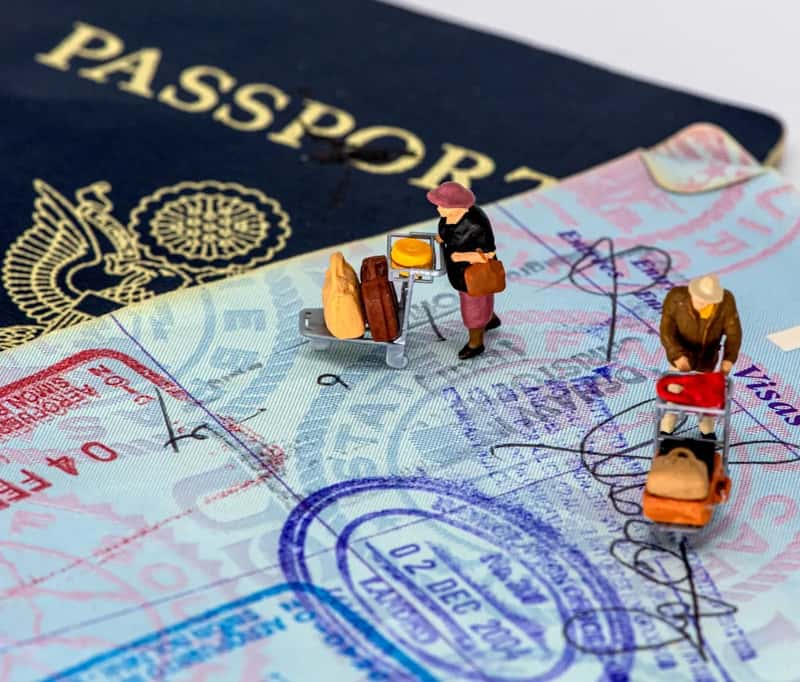
A lot of outdated articles still quote income figures from years ago. Current numbers are considerably steeper. Financial requirements for 2026 run approximately $4,100 to $4,400 USD per month in provable income, or $70,000 to $74,000 USD in savings over the past 12 months, though requirements vary by consulate. Wanting to skip straight to permanent residency without going through the temporary phase requires even more firepower.
Permanent Resident Visa applicants need approximately $7,200 or more USD per month in income, or $300,000 or more USD in savings, and some consulates require applicants to be of retirement age. It’s also worth remembering that Social Security alone often isn’t enough on paper, even if it comfortably covers daily expenses. The 2026 average retired-worker benefit is roughly $2,000 per month, which can cover a modest lifestyle inland but rarely qualifies you for a Temporary Resident visa on income alone. Combining a pension with savings or investment income is usually the more realistic path.
3. Medicare Stops At The Border
This one catches almost everyone off guard eventually. Medicare does not travel: outside narrow exceptions, Medicare pays nothing for care received in Mexico. That means retirees need an actual healthcare plan before they land, not an assumption that things will sort themselves out.
Most people end up blending a few options rather than relying on just one. Most retirees use a combination of IMSS (Mexican public health), private insurance, and out-of-pocket payments for routine care. The public IMSS system is remarkably affordable once you’re a legal resident, with premiums for someone in their sixties running about MXN 8,900 to 20,650 per year (roughly USD $114 to $313), depending on your age group. It comes with real trade-offs, though, since public facilities can mean crowded waiting rooms and less English spoken, so many retirees pair it with private coverage or simply pay cash for routine visits.
4. Beachfront Property Comes With A Legal Catch
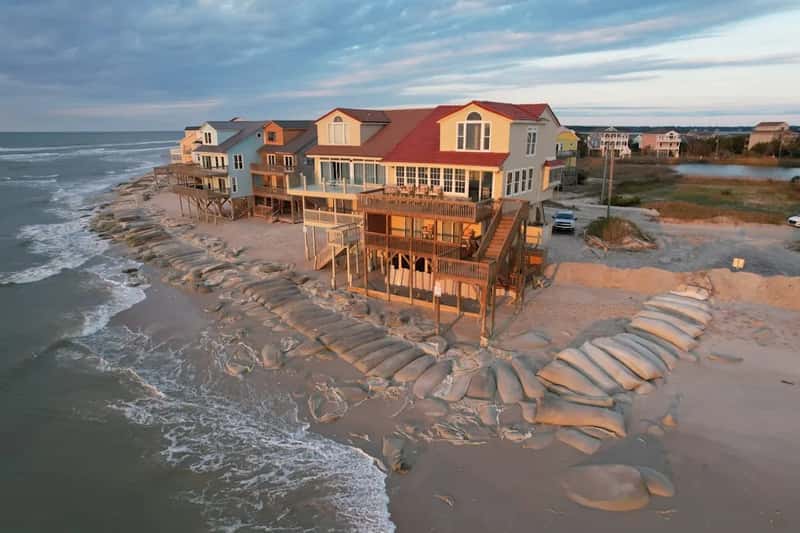
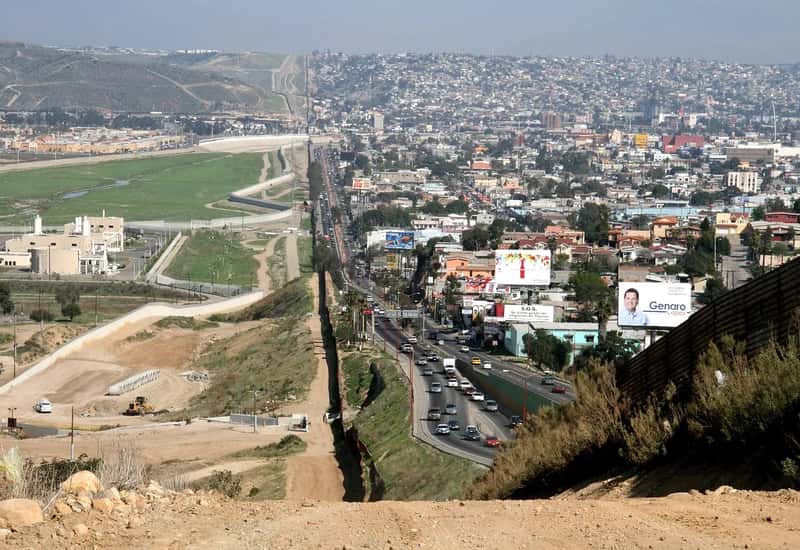
If your retirement fantasy involves owning a home a few blocks from the ocean, there’s a constitutional wrinkle to understand first. Article 27 of the Mexican Constitution, ratified in 1917, prohibits foreign nationals from directly acquiring real estate within two specific geographies: any land within 50 kilometers of the Mexican coastline, and any land within 100 kilometers of any international border. That covers nearly every popular coastal retirement spot in the country.
The workaround has existed for decades and is entirely legal, just unfamiliar to most first-time buyers. The only legal way for a foreigner to buy residential property in Mexico’s restricted zone is through a bank trust called a fideicomiso. A Mexican bank holds the title while you retain full practical use of the property, and the trust agreement is renewable every 50 years, ensuring long-term control and security for the foreign property owner. It’s not a scam or a downgrade, but it does add setup fees, paperwork, and an extra layer to understand before you sign anything.
5. Permanent Residency Can Mean Saying Goodbye To Your Car

This is one of the least advertised catches of the whole process. Many retirees bring their US or Canadian vehicle south assuming they can keep it indefinitely, only to discover a hard rule once they upgrade their status. The biggest drawback for retirees is that Permanent Residents are strictly forbidden from driving a foreign-plated car in Mexico, and the moment you become a Permanent Resident, your US or Canadian vehicle becomes illegal contraband, meaning you must sell it, drive it back north, or undertake the complex process of nationalizing it.
It’s worth thinking through this trade-off before you commit to permanent status, especially if you love your car or live somewhere without reliable public transit. Temporary residents don’t face this restriction, so some retirees deliberately stay on temporary status for longer than necessary just to keep their vehicle legal. Others sell the car entirely and lean on buses, taxis, or ride-hailing apps instead, which tend to be inexpensive in most Mexican cities anyway.
6. Your Budget Depends Enormously On Which City You Pick
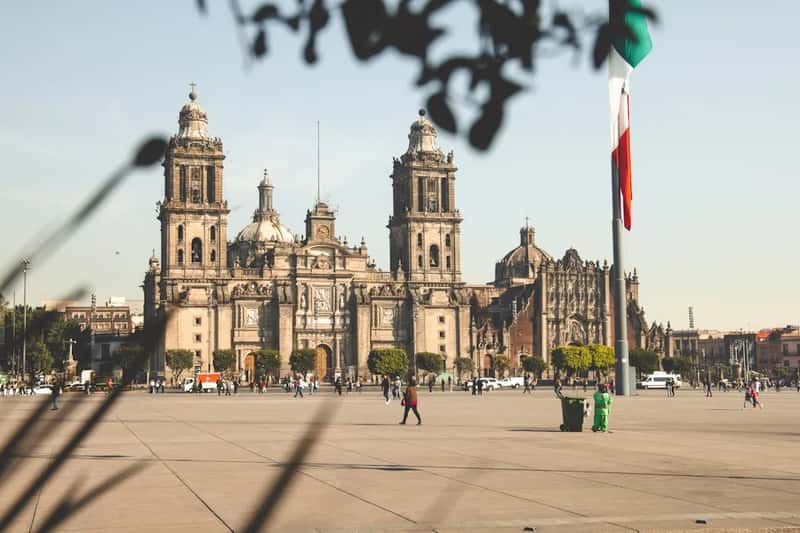
“Cost of living in Mexico” is a meaningless phrase without a specific city attached to it. The gap between a beach resort town and a quiet colonial city inland is enormous. Living a great life in a major hub like Mexico City might run between $1,500 to $2,200 a month, while a charming colonial city like Mérida or the artistic heart of Oaxaca can easily drop to just $1,100 to $1,500.
Popular beach towns tend to sit at the higher end because of tourism demand and short-term rental competition. Overall, though, the savings compared to the US remain significant. Looking at the data for 2026, a single person can expect a lifestyle that is 30% to 70% less expensive than a comparable one in the United States or Canada, with the savings most pronounced in housing, healthcare, and everyday services. Just don’t assume every corner of the country is equally cheap, because the peso’s strength in recent years has quietly eaten into what used to be a much bigger bargain.
7. Uncle Sam Doesn’t Let Go

Moving abroad does not end your relationship with the IRS, and this surprises a surprising number of new retirees. Yes, US citizens must file a federal tax return every year regardless of where they live, and you may also have FBAR and FATCA filing obligations for Mexican bank accounts. Opening a local account, which most retirees eventually need for paying rent and bills, adds a reporting requirement most people never had to think about before.
The good news is that your Social Security check stays protected from Mexican taxation. Tax treaty protection means the US-Mexico tax treaty shields your Social Security from Mexican tax even if you become a Mexican resident. Beyond that, Mexico only taxes you on worldwide income once you’re considered a tax resident there, and once you are a resident, Mexico taxes worldwide income at progressive rates from 1.92% to 35%, though the tax treaty protects your Social Security and prevents most double taxation. It’s manageable, but it’s a genuine second set of paperwork, not an afterthought.
8. Bureaucracy Runs On Its Own Clock
Nearly every administrative step in Mexico involves an in-person visit, a specific document, and sometimes a follow-up appointment weeks later. After arriving with your visa, there’s a strict deadline to make things official. You have a strict 30-day window to report to the local INM office in your new Mexican city, where you’ll fill out paperwork, pay the federal residency fees at a local bank, and provide your fingerprints, then within 2 to 4 weeks you’ll receive your official residency card.
From there, the paperwork keeps coming. You’ll need a CURP, a tax ID, and a local bank account, and none of these can typically be handled online or from abroad. Once you have residency, you should apply for a Mexican tax ID called the RFC, and after getting your residency card and RFC, you can open a Mexican bank account, though most banks require you to visit in person. None of it is impossible, but it does require patience, and probably a folder full of certified, translated documents you didn’t expect to need.
9. Safety And Healthcare Quality Vary Block By Block

Mexico is a huge country, and painting it with one broad brush, whether positive or negative, misses the point entirely. Safety varies by region, and some states carry US State Department Level 3 or 4 advisories, though most popular retiree cities are far safer than national averages. Doing destination-specific research matters more than reading generic “is Mexico safe” headlines.
The same regional variation applies to medical care. Private hospitals in the bigger cities are genuinely excellent, but that’s not universal across the country. In larger cities, private hospitals in places like Mexico City, Guadalajara, Monterrey, Querétaro, Mérida, and San Luis Potosí are modern, well-equipped, and often internationally accredited, with many doctors having trained abroad. Smaller towns and rural areas simply don’t have the same density of specialists or equipment, which is worth factoring into where you ultimately decide to settle, especially as health needs increase with age.
10. Spanish And A Different Pace Of Life Matter More Than You’d Think

Plenty of expat enclaves function almost entirely in English, which can lull newcomers into thinking Spanish is optional. It isn’t, particularly once you step outside tourist-friendly bubbles or need to deal with public institutions. Whether you choose IMSS or a public program, it helps to know Spanish or bring someone who does. Doctor visits, bank errands, and utility setup all move more smoothly with at least conversational Spanish, or a patient local friend willing to translate.
Communication styles are also different in ways that take some adjustment. Many private doctors, for instance, rely on channels that would feel unusual back home. A large proportion of private doctors in Mexico are reachable via WhatsApp, which has become a widely used channel for patient communication. It’s a small detail, but it captures something bigger: daily life here runs on its own informal rhythm, and retirees who embrace that flexibility tend to settle in far more happily than those who expect everything to mirror life back home.
Taken together, these ten lessons aren’t meant to scare anyone away from retiring in Mexico. They’re meant to replace guesswork with realistic expectations. Get the residency paperwork right, budget honestly for healthcare and housing, understand the property rules before you fall in love with a beach house, and keep your US tax obligations in order, and there’s still a very good chance Mexico delivers exactly the retirement so many people dream about. It just tends to reward those who did their homework first.