Anyone who has spent time behind a host stand or carrying a loaded tray through a packed dining room has a list. Not a short one, either. Restaurant work runs on timing, coordination, and a hundred small courtesies that most guests never think twice about, which is exactly why the moments when those courtesies break down stick with staff long after the shift ends.
What follows isn’t a list of outrageous horror stories. It’s the small, recurring habits that servers, hosts, and bartenders across the country keep bringing up when asked what actually wears them down on a given night.
1. Snapping fingers or whistling to get attention
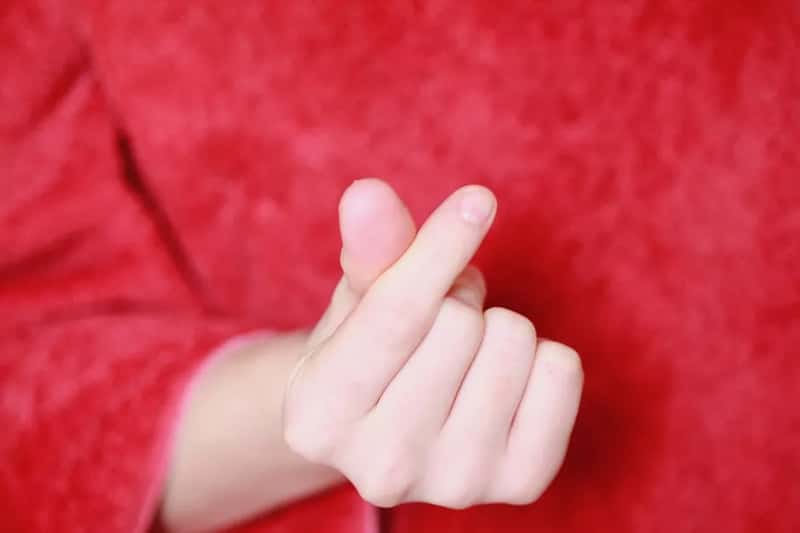
This one comes up in nearly every conversation about service industry pet peeves, and for good reason. No person working in the service industry has ever taken kindly to snapping fingers or whistling.[1] It reads less like a request and more like a command, and staff notice the difference immediately.
The irony is that it rarely even works faster. Snapping, flailing arms wildly, or loudly calling across the room doesn’t speed things up, and it sends stress signals rippling through the entire dining room.[2] A raised hand and a moment of eye contact does the same job without the attitude attached.
2. Seating yourself past the “please wait to be seated” sign
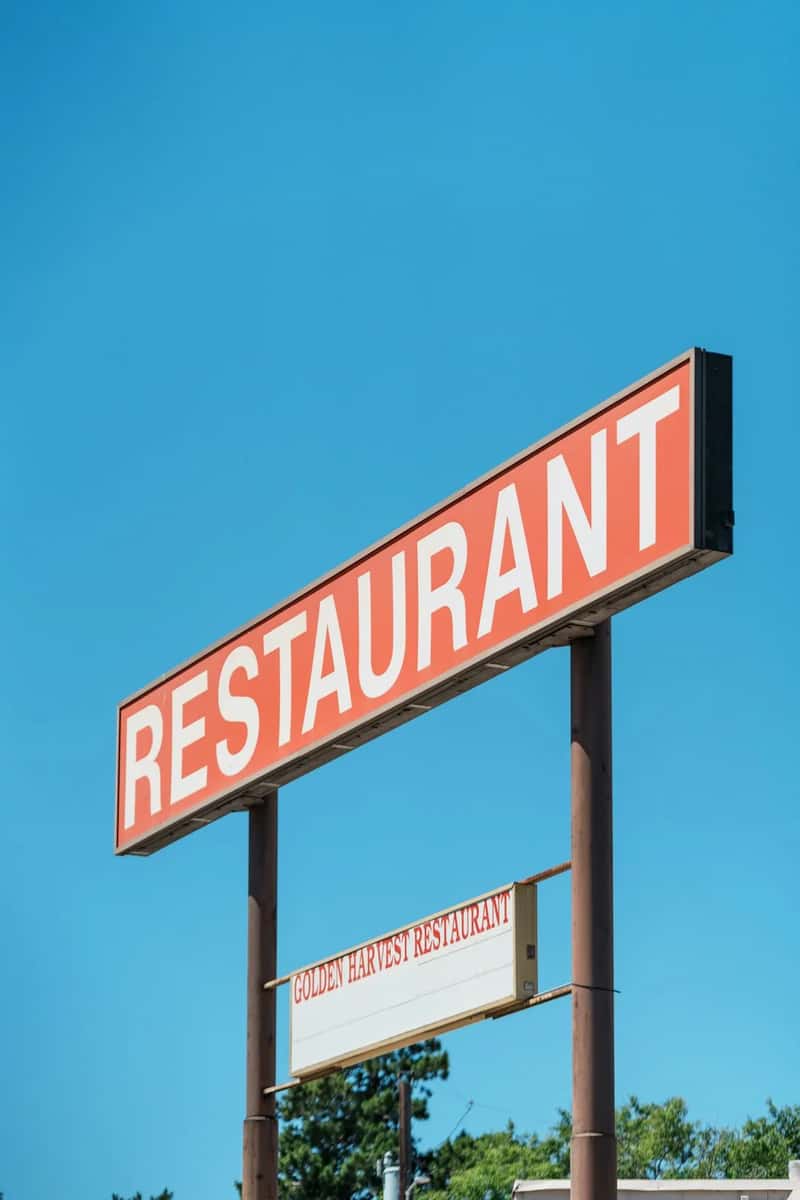
Hosts exist for a reason beyond just saying hello. When guests walk past the sign and pick their own table, it throws off a system that’s usually more delicate than it looks from the dining room floor.
Servers report frustration when customers walk by the “please wait to be seated” sign and decide to seat themselves, then get upset because they don’t have menus or a server hasn’t come by, when nobody even saw them come in.[3] Seating charts exist to balance workload across the floor, and skipping that step usually just means a slower start to the meal for everyone involved.
3. Grabbing food or drinks off a server’s tray
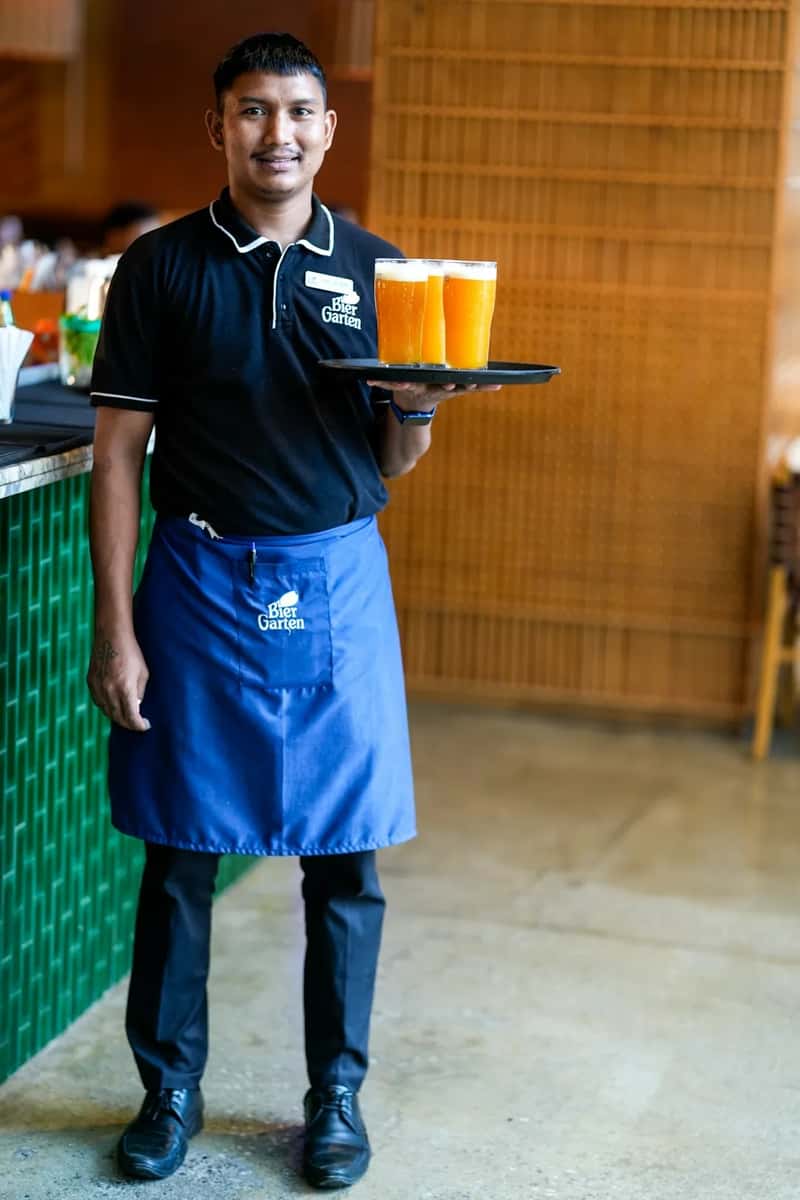
It seems harmless in the moment, a quick reach to grab a drink before it even reaches the table. Staff see it very differently.
Servers ask guests not to take items off their tray, especially drinks, since everything is carefully arranged for balance, and plenty of adults have done this and then gotten upset when drinks spilled as a result.[3] A tray full of plates and glasses is a physics problem in motion, and removing one piece from the arrangement can send the rest sliding.
4. Using the tip as punishment for problems the server didn’t cause

Kitchens run behind. Systems glitch. Deliveries show up late. None of that is usually the server’s fault, yet the tip often ends up absorbing the blame anyway.
A recent industry survey found the tension around this is real on both sides. A 2025 Popmenu survey of 1,000 U.S. consumers found that 65% felt fed up with tipping, although 45% still said they tipped restaurant servers at least 20%.[4] Staff generally understand frustration with slow service, but they ask that guests separate a server’s actual performance from delays caused by the kitchen, a POS system outage, or a supply shortage nobody at the table can see.
5. Waiting until the check arrives to mention a problem with the food
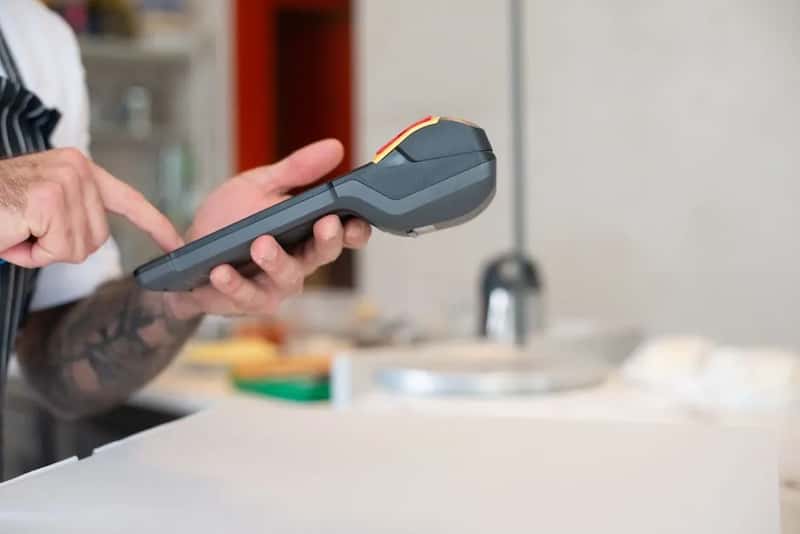
There’s a pattern servers describe often: everything seems fine during the meal, plates get checked on repeatedly, and then suddenly there’s a complaint the moment the bill lands on the table. It rarely reads as genuine in the moment it happens.
Servers say the hardest complaints to take seriously are the ones raised only when the check arrives, after the server had already returned to the table multiple times to ask how everything was, since at that point it often looks like an attempt to get something free.[5] Speaking up earlier gives the kitchen an actual chance to fix the issue, which is usually what guests want in the first place.
6. Expecting special treatment because you “know someone”
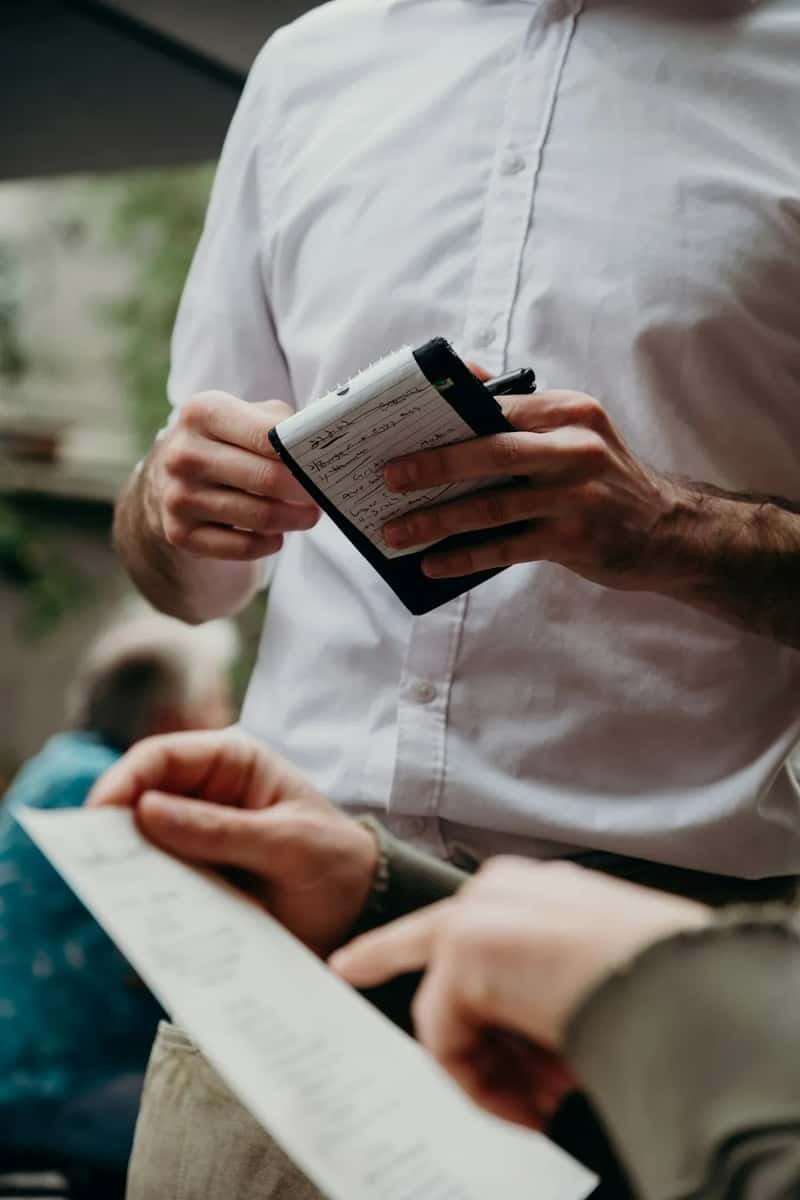
Name-dropping a manager or owner to get extra attention is a habit that shows up often enough that staff have a name for it internally. It rarely gets the result the guest is hoping for.
One recurring complaint centers on guests expecting extras of any kind, whether extra service, discounts, or food, simply because they consider themselves a regular or claim to know the manager.[3] Most staff treat every table the same regardless of who they claim to be connected to, and pushing the point usually just slows things down.
7. Occupying a table long after the meal is finished during peak hours
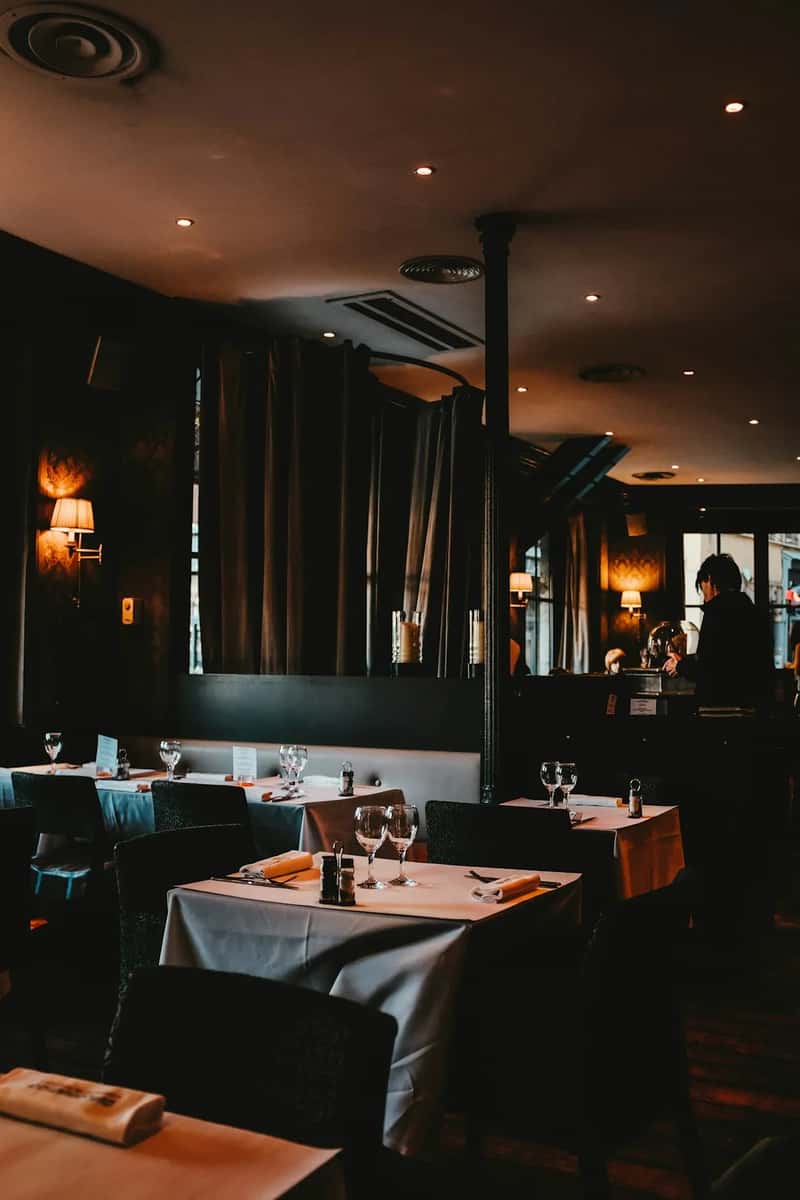
Lingering over coffee isn’t a crime on a slow Tuesday afternoon. During a packed Friday dinner rush, though, it creates a ripple effect that guests rarely see from their side of the table.
Servers start to struggle when a party pays, declines every additional item, and occupies a needed table for another hour during peak service.[4] No-shows compound the problem too, since OpenTable has estimated that restaurants may expect 10% to 20% of reservations not to show, while restaurant teams must still plan seating, food purchases, staffing, and revenue around the reservation book.[4] Every table held past its natural window is one that someone else is waiting on outside.
8. Taking frustration out on the host
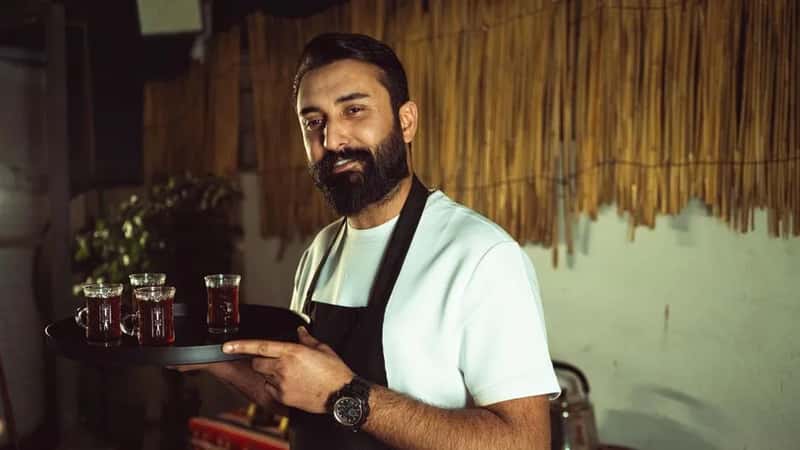
Hosts get blamed for things that are almost never their fault. Wait times, table assignments, and a full dining room aren’t usually decisions any one person controls, yet the person at the front door absorbs most of the complaints.
One restaurant operator described the host’s job as coordinating everything happening on the floor at once, and that framing helps explain why treating them dismissively creates problems that ripple outward. One careless seating decision can overload a server, jam the kitchen, and slow service for several tables at once.[4] A little patience at the host stand tends to pay off for everyone seated afterward.
9. Staying on the phone while trying to order

Multitasking during a meal is normal enough. Multitasking while a server is standing there waiting to take an order is a different situation entirely, and it’s one that comes up constantly in interviews with restaurant workers.
Few things feel more dismissive than reciting specials to someone holding a phone to their ear and nodding without actually listening, since it forces the server to repeat themselves and slows service for an entire section.[6] A short pause in the call, even ten seconds, makes the whole exchange faster for both sides.
10. Insisting on a different table than the one you’re assigned
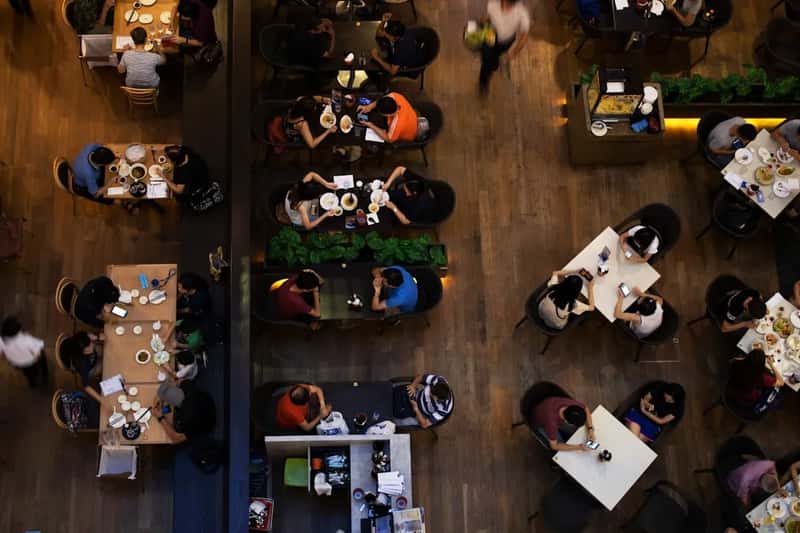
Every seating chart in a restaurant is doing more work than it appears to be doing. Guests who insist on switching tables on their own, without asking, often don’t realize what that decision does behind the scenes.
Servers explain that tables get assigned to rotate customers evenly across each server’s section so tips are distributed fairly, and sitting somewhere else means someone ends up ahead while someone else falls behind, throwing off the whole system.[3] A quick request to the host, rather than a unilateral move, usually gets the same result without disrupting anyone else’s night.
None of these habits come from bad people. Most guests genuinely don’t realize how a seating chart works, or how a loaded tray is balanced, or how much a single reassigned table can throw off a server’s whole section. The gap is almost always information, not intention.
The good news is that closing that gap doesn’t take much. A little patience, a raised hand instead of a snap, and a willingness to speak up earlier rather than later cover most of what’s on this list. Restaurants run on coordination between dozens of moving parts, and guests are one of the biggest variables in that equation, whether they realize it or not.