Airport security lines move fast, and that speed hides a strange truth: officers confiscate the same categories of items day after day, year after year. Some of these mistakes come from habit, some from wishful thinking, and a few from travelers who simply never got the memo that a rule changed. Here’s a closer look at ten items that keep showing up where they shouldn’t, based on current TSA guidance through 2026.
1. Full-size liquids over 3.4 ounces

The 3-1-1 rule turns twenty years old this year, and it still trips people up constantly. TSA still requires passengers to follow the familiar 3-1-1 rule for liquids, aerosols, gels, creams, and pastes in carry-on bags, meaning each container must hold no more than 3.4 ounces, and all of those containers must fit inside one quart-size bag per traveler.[1] The rule has not softened despite persistent rumors.
As of 2026, no such nationwide policy change has been announced or implemented, and the standard TSA liquid rules remain fully enforced at the vast majority of checkpoints.[2] Some newer scanners let travelers leave the liquids bag inside their carry-on during screening, but that’s a convenience change, not a size change. The critical part is that the 3-1-1 rule itself hasn’t changed, so travelers still need to pack liquids in 3.4-ounce containers inside a quart bag, and the CT scanners just mean you might not have to pull that bag out at security.[3]
2. Spare lithium batteries and power banks in checked luggage
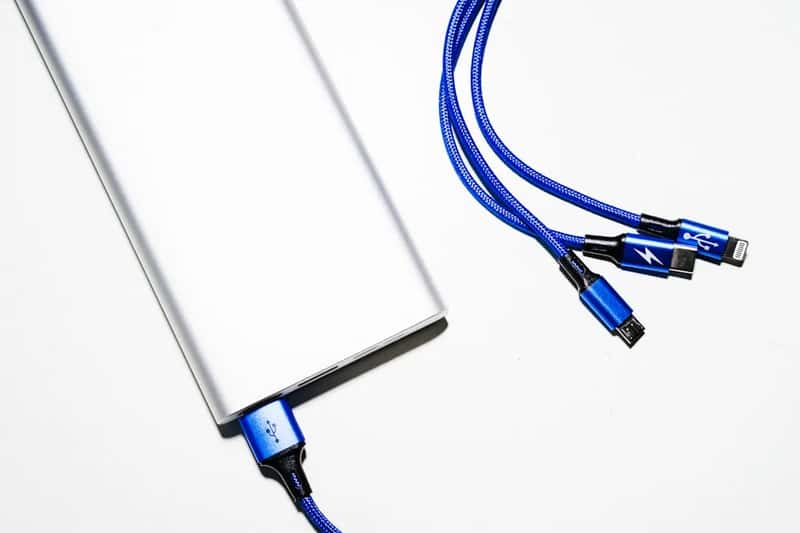
This is one of the more counterintuitive rules, since most people assume anything electronic belongs in the hold. It’s actually the opposite. The TSA lists power banks plainly as allowed in carry-on bags, prohibited in checked bags.[4]
The reasoning comes down to fire safety. Spare lithium batteries, power banks, and phone charging cases must travel in the cabin, never in the hold, where a thermal event could go unseen.[4] There are also capacity limits worth knowing before you pack a large battery pack. The Federal Aviation Administration spells out the capacity limits in its PackSafe guidance for lithium batteries: rechargeable cells are capped at 100 watt hours per battery, with airline approval required between 100 and 160 watt hours and a hard stop above that.[4]
3. Firearms packed loose or undeclared
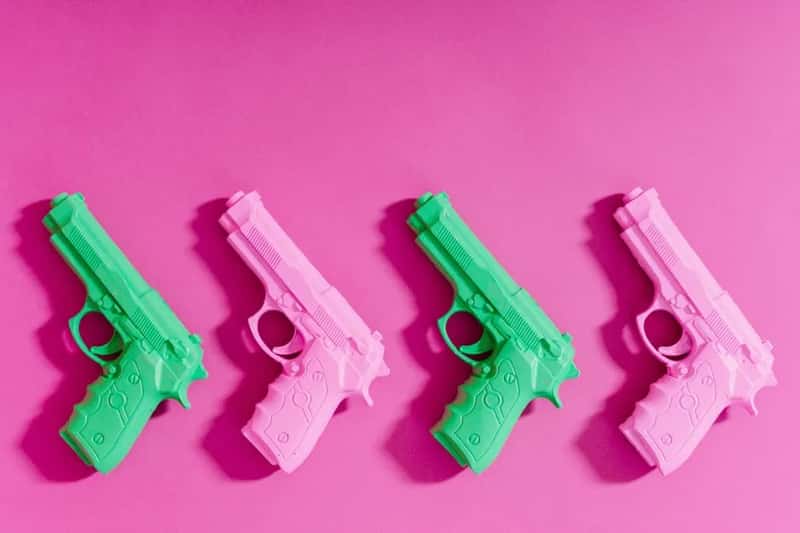
Guns generate the steepest, most consistent penalties of anything on this list, and travelers still bring them to the checkpoint by accident on a regular basis. Guns, knives and pepper spray are banned from carry-on but allowed in checked bags under TSA rules.[5] The distinction matters because firearms have to be declared, unloaded, and locked in a hard-sided case, not simply zipped into a duffel bag.
The financial consequences are steep enough that they should function as a deterrent on their own. A firearm found in a carry-on starts at a $3,000 civil penalty, even if you forgot it was there.[5] Forgetting is, unfortunately, one of the most common explanations security officers hear.
4. Knives and sharp-edged tools in carry-on bags
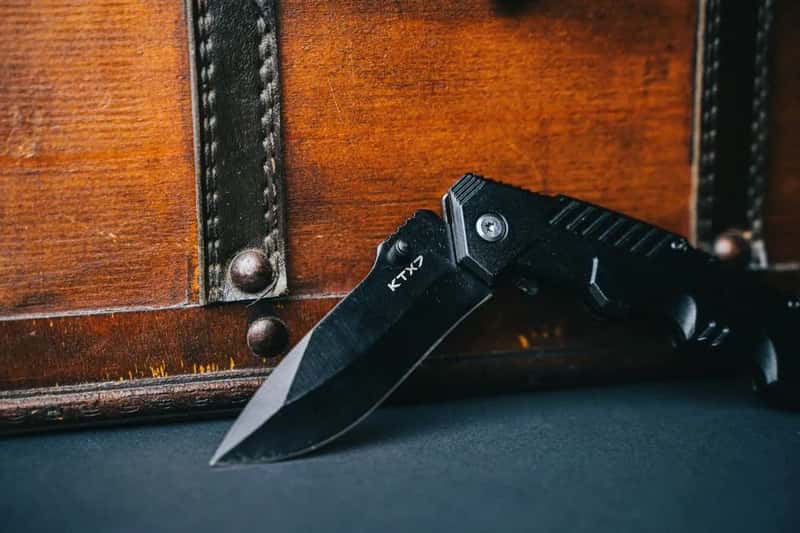
Kitchen knives packed for a cooking trip, pocket knives kept out of habit, box cutters left in a bag from a moving day. These all land in the same bin at the checkpoint. Box cutters, knives, and tools with cutting edges are prohibited in carry-on luggage.[6]
Checked bags are more forgiving here. Most weapons and sharp objects, like guns, knives and pepper spray, are banned from your carry-on but allowed in a checked bag under specific rules.[5] The confusion usually comes from travelers who assume any knife is an automatic no, when the real issue is simply which bag it’s riding in.
5. Torch lighters and strike-anywhere matches
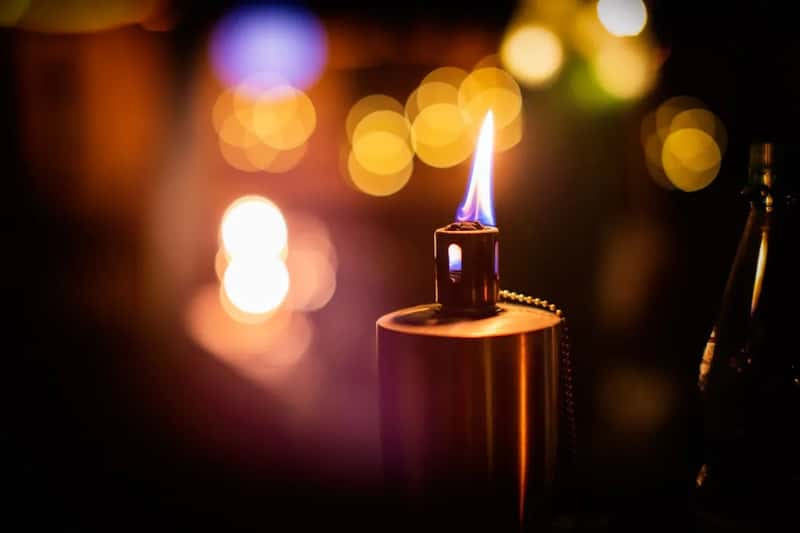
Regular disposable lighters get a pass in most cases, which leads people to assume all lighters are fine. They aren’t. Torch lighters and strike-anywhere matches are banned too.[5]
The distinction comes down to how the flame ignites and how hard it is to extinguish. Standard book matches remain permitted in limited quantities, but the torch-style lighters popular for cigars burn hotter and are harder to control, which is exactly the kind of risk screening exists to catch. Travelers heading to a destination known for cigar culture are the ones most likely to get caught off guard by this one.
6. Flammable liquids and pressurized canisters
This category covers more than gasoline. It includes household items that don’t seem dangerous until you read the label closely. Flammables and explosives are banned outright: lighter fluid, fuel, fireworks, flares, flammable paints and bear spray.[5]
Camping gear and DIY project supplies are common culprits. Propane tanks, scuba tanks (unless certified empty), and other pressurized containers are not allowed.[7] Travelers heading to a cabin or a dive trip often assume these items simply need to be checked, when in reality they aren’t allowed on the plane at all.
7. Pepper spray and self-defense sprays in the cabin
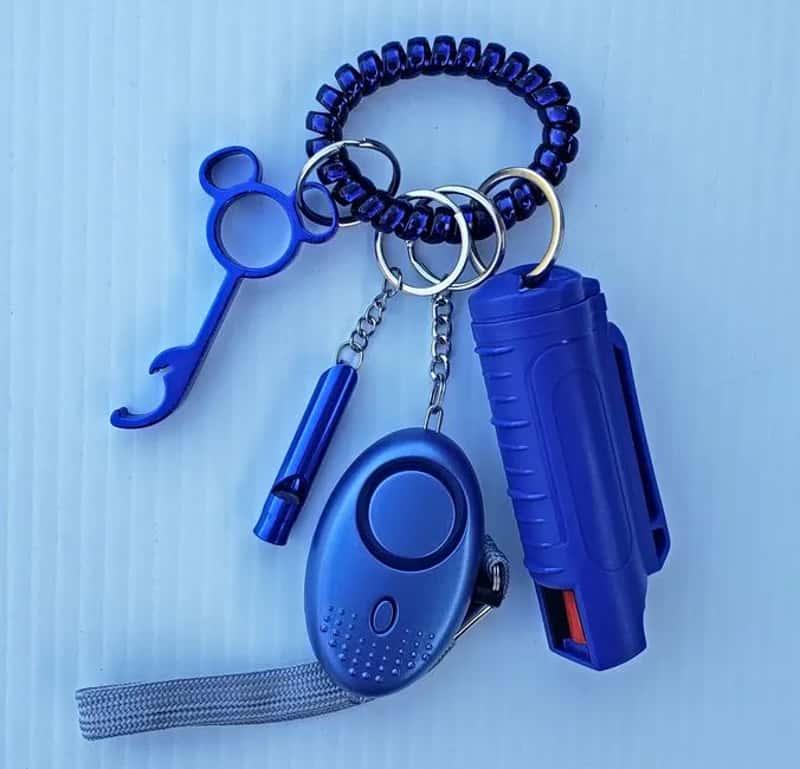
Personal safety items feel like an obvious thing to keep close, which is exactly why so many end up confiscated at the checkpoint instead of packed correctly. The rule isn’t a flat ban, but it is stricter than most people expect. Guns, knives and pepper spray are banned from carry-on but allowed in checked bags under TSA rules.[5]
Even in a checked bag, there are quantity and packaging restrictions attached, since the spray itself is treated as a hazardous material rather than a simple personal item. Travelers who assume it can ride in a purse or backpack through the checkpoint are almost always stopped and asked to surrender it on the spot.
8. Realistic replica firearms and toy weapons
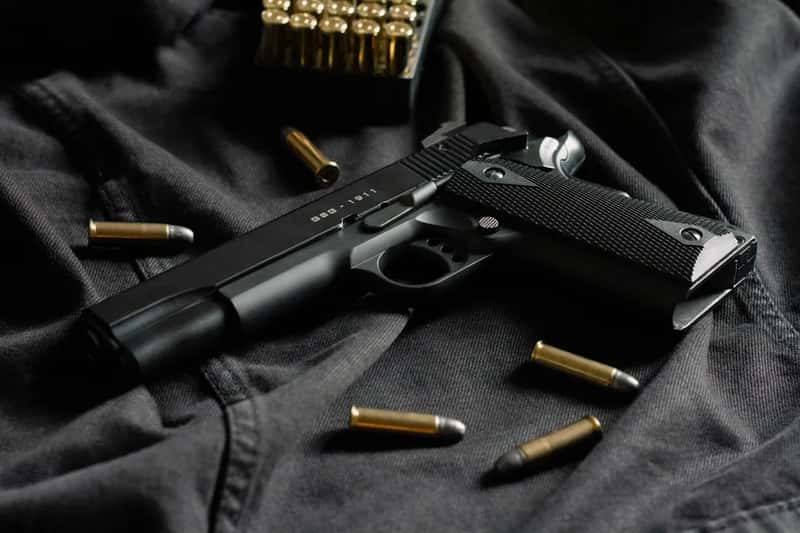
Novelty items and costume props cause more delays than people expect, especially around Halloween or convention season. Replica firearms and realistic toy weapons, including squirt guns shaped like pistols, are prohibited at the checkpoint.[4]
The issue isn’t whether the item is a real weapon. It’s whether it looks like one on an X-ray screen or to a screener glancing at an open bag, since split-second judgment calls are part of the job. A costume prop that resembles an actual firearm too closely will get pulled regardless of how obviously fake it looks in person.
9. Fireworks, sparklers, and novelty explosives
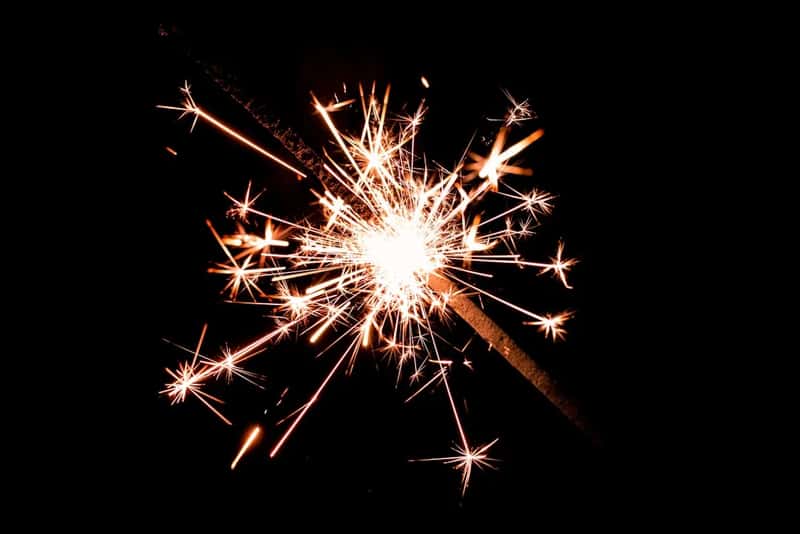
Fireworks bought for a celebration abroad are a recurring problem at checkpoints, particularly around holidays. Firecrackers, sparklers, novelty explosives, or even tiny poppers are on the list of banned items.[8]
There’s no gray area or checked-bag workaround for this category the way there is with knives or firearms. Lighter fluid, fireworks, flammables and marijuana are banned from both bags.[5] Travelers who bring back sparklers as souvenirs are often surprised to learn there’s no packing method that makes them acceptable for air travel.
10. Marijuana and THC products, even where legal locally
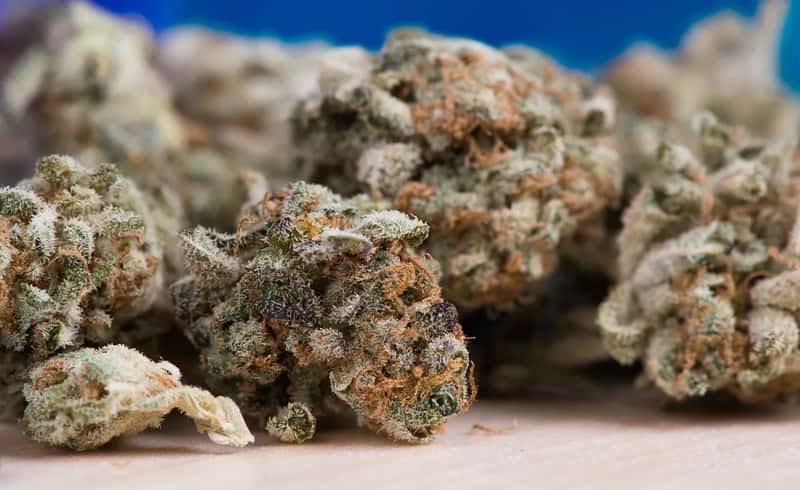
State-level cannabis laws create a persistent source of confusion for travelers moving between legal and non-legal jurisdictions. Federal rules override local ones at the checkpoint, and that gap catches people every single week. Marijuana stays federally illegal, so it is not allowed in either bag; hemp CBD under 0.3% THC is the only exception.[5]
This applies even when flying from one state where cannabis is legal to another where it’s also legal, since airports fall under federal jurisdiction regardless of what’s permitted on the ground outside. The 0.3 percent THC threshold for hemp-derived CBD is specific enough that travelers should check product labeling rather than assume, since many CBD products marketed as legal actually exceed that limit.
Most of these items aren’t confiscated because travelers are trying to break the rules. They’re confiscated because the rules split hairs in ways that don’t always match common sense, like a lighter being fine but a torch lighter not, or a knife being banned from a carry-on but perfectly acceptable in a checked bag five feet away. Checking the TSA’s own list before packing takes less time than the delay caused by a bag pulled aside at the checkpoint.