Europe’s most photographed streets and beaches come with a growing list of small print. Local governments, tired of overcrowded lanes and eroding monuments, have quietly turned old customs into enforceable laws, complete with on the spot fines. Some of these rules sound almost comic until you’re the one standing in front of a police officer explaining your flip flops.
1. Wearing swimwear or going shirtless away from the beach in Italy
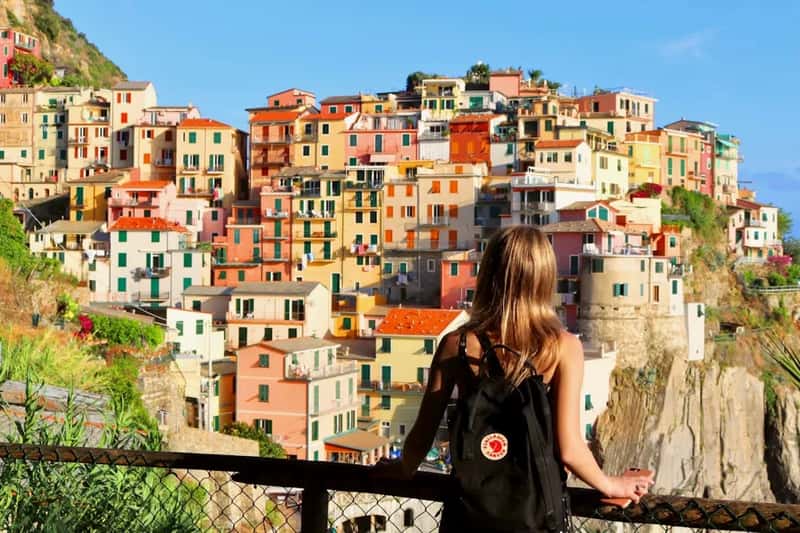
Plenty of visitors treat a bikini or swim trunks as an all day outfit once the coastal sun comes out, but several Italian towns disagree strongly. Cities including Cannes, France, Venice, Italy, Barcelona, Spain, Split, Croatia, Sorrento, Italy, and Albufeira, Portugal, have instituted fines of up to 1,500 euros against tourists who aren’t dressed appropriately once they’ve stepped away from the beach.[1] Sorrento in particular has built a reputation around this rule.
The offense now carries a fine of up to €500 in Sorrento.[2] Lake Como’s Varenna joined the crackdown too, and the village is fining tourists up to $228 if women and men don’t cover up bikinis and bare chests after leaving the beach.[3] The lesson is simple: pack a light cover up for the walk back to your hotel.
2. Sitting, lying down or picnicking on Venice’s historic steps and bridges

After a long day of walking, a set of marble steps can look like the perfect spot for a rest and a snack. Venice’s city hall sees it differently, and the rule has been on the books for years now. Venice prohibits sitting, lying down, eating, or drinking on designated steps, bridges, monument bases, quays, and walkways in crowded areas, and the 2019 decorum regulations were introduced to reduce congestion and preserve the city’s historic infrastructure.[4]
The penalties are not enormous, but they add up fast if you’re traveling with a family and everyone decides to sit down at once. The fine ranges from 100 to 200 euros for eating or drinking while sitting on stairs, bridges, or monuments.[5] Municipal police patrol these areas regularly during peak season, so it pays to find an actual bench.
3. Hiking Cinque Terre’s coastal trails in flip flops
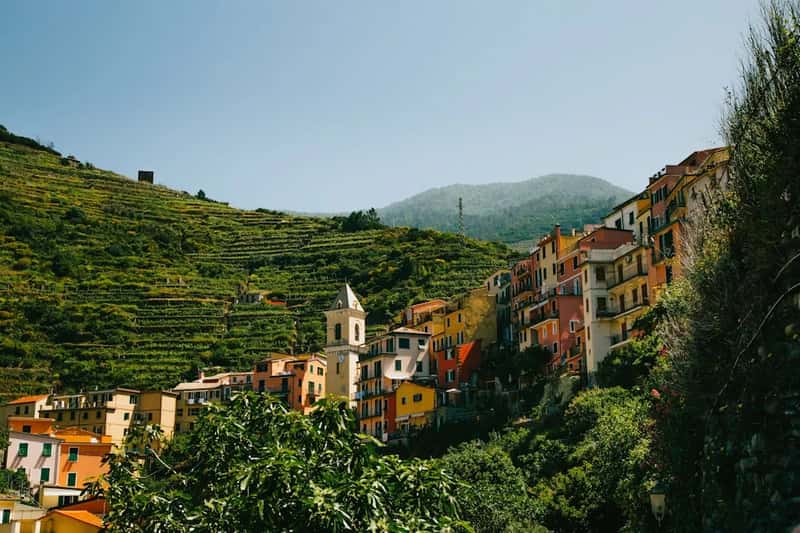
The colorful cliffside villages of Cinque Terre look made for beach sandals, but the hiking paths connecting them are steep, rocky and often slick. Local authorities got tired of rescuing injured tourists and decided a fine would send a clearer message than a warning sign. People caught wearing the wrong shoes on the trails could be fined up to €2,500.[6]
This isn’t a rule aimed at punishing fashion choices for its own sake. Flip flops are not considered proper footwear for hiking the hills behind these towns, and the practice has led to injuries along the Ligurian Riviera.[7] A pair of sturdy walking shoes costs far less than the penalty, and it keeps your ankles intact too.
4. Lighting a cigarette on a beach or in a park in France

France has long been associated with a relaxed attitude toward smoking, so many visitors are caught off guard by a rule that changed everything in the summer of 2025. A ban on smoking in certain public spaces including beaches, parks, bus shelters and public gardens came into effect in France, and the decree also banned smoking outside libraries, swimming pools and schools.[8]
The fines are not symbolic amounts either. Violators, including tourists, face a minimum fine of €90, rising to €135 if they don’t pay within 15 days, with a maximum penalty of €700, though the government allowed an initial grace period.[9] Café terraces remain exempt, so smokers can still light up there without worry.
5. Wearing high heels at ancient archaeological sites in Greece

It sounds like a strange rule for a country famous for stylish summer nights, but Greece has enforced this ban since 2009 for a very practical reason. High heeled shoes are prohibited at major sites such as the Acropolis and Epidaurus because they can damage ancient marble and stone surfaces.[10]
Enforcement is not just theoretical, and officials do stop visitors at entry points. Visitors who breach the rule may face fines of up to €900, and in some cases removal from the site.[10] Flat, grippy shoes are also simply safer on the uneven ancient stone underfoot.
6. Taking a dip in Venice’s canals
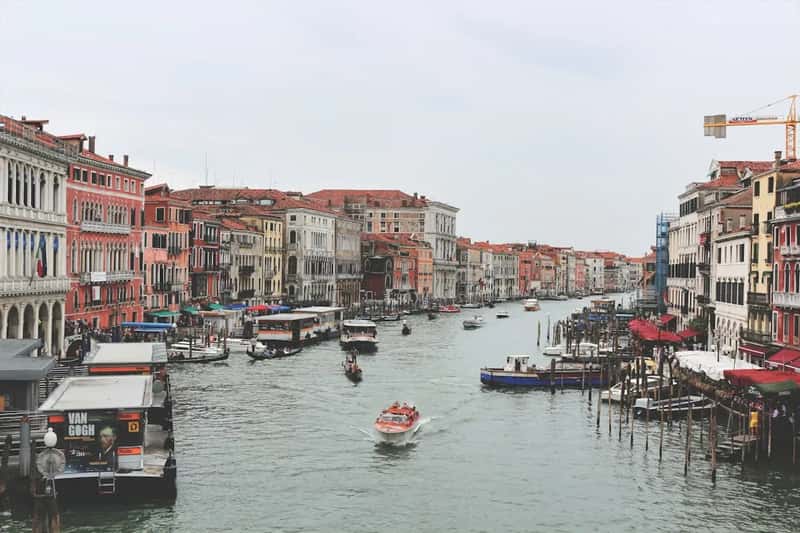
The canals might look inviting on a hot afternoon, especially after a few drinks, but swimming in them is treated as a serious offense rather than harmless fun. Fines can reach up to €500 plus a potential 48 hour expulsion from the city, since the canals are heavily polluted and dangerous with constant boat traffic.[4]
Beyond the legal risk, there’s a real safety issue that locals point to constantly. Boat traffic in the narrow waterways is dense and fast moving, and the water itself is far from clean. Anyone wanting a proper swim is better off heading to the Lido, where the rules and the water quality are both far more forgiving.
7. Feeding pigeons or seagulls in Venice’s public squares
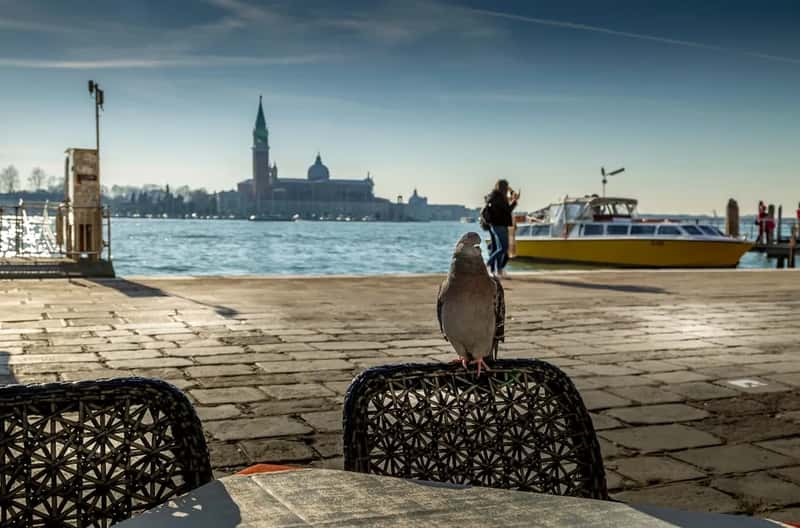
Piazza San Marco’s pigeons have been a tourist photo prop for generations, but tossing them bread crumbs is now firmly against the rules. Feeding pigeons or seagulls carries fines between 25 and 500 euros in Venice.[11]
The reasoning has less to do with sentiment and more to do with public health and property damage. Large flocks of birds erode stonework and leave a mess that the city has to clean constantly. It’s a small habit to break, but an expensive one to ignore.
8. Skipping Venice’s day tripper access fee
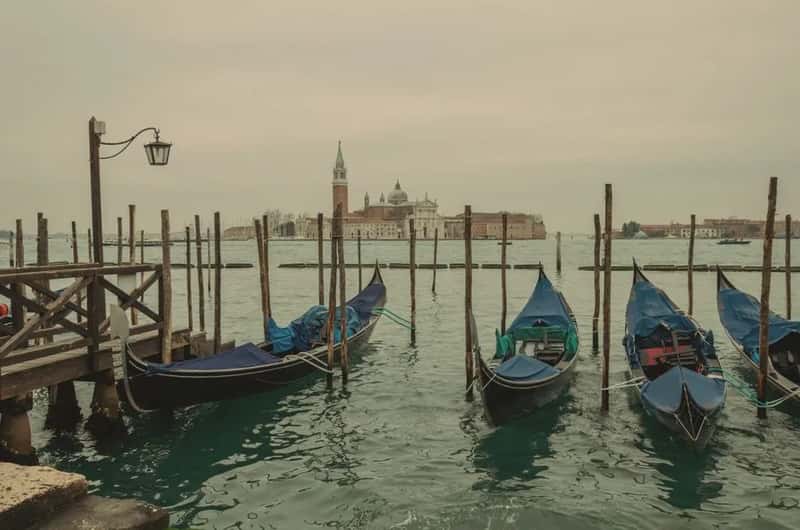
Since 2025, Venice has required visitors who aren’t staying overnight to register and pay a small fee on certain peak dates, and the scheme has only grown since then. Venice charges a mandatory entry fee for day trippers on 60 designated days from 2026, with the fee set at €5 if booked four or more days in advance and €10 for late bookings, applying only between 8:30am and 4:00pm.[4]
Arriving without a booking is not simply overlooked either. Visitors who are not staying overnight must pre book and pay a modest fee, and fines for non payment range from €50 to €300.[12] Checking the official calendar before a day trip is a five minute task that saves both money and hassle.
9. Drinking in the street outside licensed hours in the Balearic Islands

Spain’s party islands have spent the last couple of years reining in the kind of street drinking culture that once defined their summer nightlife. A national decree in the Balearic party zones now bans alcohol sales between 21:30 and 08:00, along with happy hours, pub crawls and party boats.[13]
Enforcement extends well beyond bars and clubs, since police also target individuals carrying open containers in public. Local authorities in towns like Hvar have taken similar steps, with fines running high for public drinking outside designated hours. Sticking to a bar terrace or a private balcony is the simplest way to avoid an unwanted conversation with local police.
10. Walking around in swimwear or underwear in Split’s old town

Croatia’s Dalmatian coast has its own version of the swimwear rule, and Split enforces it with particular attention in the historic center. In Split, walking around the historic city center in swimwear, or worse, underwear, is strictly forbidden, with fines up to €150.[14]
The old town’s narrow marble streets sit close enough to the waterfront that tourists often forget they’ve left the beach behind. Nearby Hvar has gone even further with its own penalties for both swimwear and public drinking, according to local tourist board figures. A quick change of clothes before wandering into Diocletian’s Palace is a small price to pay for avoiding the fine altogether.
Rules like these rarely make it into a typical packing list, yet they shape a trip just as much as flight times or hotel bookings. Most of them trace back to the same root cause, cities and coastlines simply weren’t built for the volume of visitors they now receive each summer. A little research before departure, and a change of shoes or clothes at the right moment, tends to be all it takes to stay on the right side of the law.