Holiday hosts often focus on recipes and presentation, yet one overlooked detail determines whether a buffet stays safe. Food must remain at or above 140°F once it leaves the stove or oven. This threshold keeps perishable dishes out of the temperature range where bacteria multiply quickly.
The Temperature That Matters Most
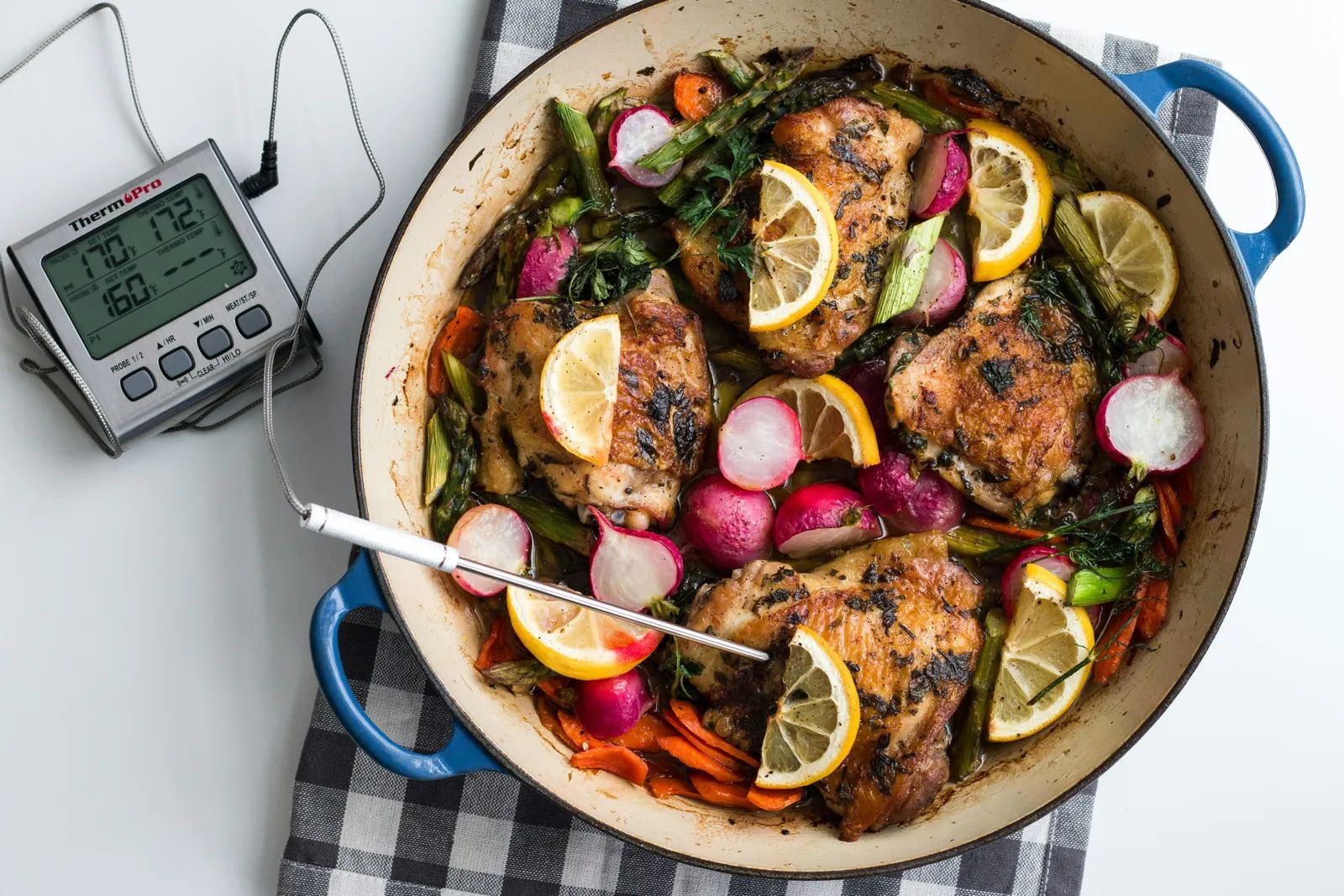
The 140°F mark refers to the actual temperature of the food, not an appliance setting. Experts emphasize checking each dish with a food thermometer rather than relying on a dial or guesswork. Ovens, slow cookers, and dense casseroles heat unevenly, so multiple readings help confirm safety throughout service. North Carolina Cooperative Extension notes that a preheated oven set between 200°F and 250°F works well for holding already-hot items for short periods. The goal stays the same across methods: prevent any drop below the safety line.
Practical Ways to Maintain Heat
Several reliable tools help hosts keep dishes hot without constant monitoring. A low oven, slow cooker on a warm setting, chafing dish with hot water underneath, or dedicated warming tray each serves the purpose when used correctly. FoodSafety.gov stresses that these appliances hold temperature rather than cook or reheat cold food. Move fully cooked items straight from the stove into the chosen warmer while they are still hot. Plug in slow cookers and check water levels in chafing dishes periodically. A preheated grill also appears on USDA guidance for outdoor gatherings when it maintains the required heat.
Transport, Timing, and Leftovers
Wrapping dishes in foil followed by heavy towels or placing them in insulated bags helps retain warmth during travel. Upon arrival, transfer food promptly to a warmer that holds 140°F or above and verify the temperature again. Perishable items left at room temperature should be discarded after two hours, or one hour if the setting exceeds 90°F. Refrigerate leftovers within that window and reheat them to 165°F before returning any portion to a buffet. Smaller platters rotated frequently reduce waste while respecting the time limit.
Putting It Into Practice
Plan the sequence of cooking so the longest items finish first and move directly into warmers. Cold sides can sit in ice baths to stay below 40°F. A single thermometer check at the start of service and again midway prevents most issues. Hosts who treat the 140°F guideline as a non-negotiable step create buffets that guests enjoy with confidence. The approach requires little extra effort yet delivers consistent results across Thanksgiving spreads, game-day spreads, and casual potlucks alike.