
Every generation travels a little differently, but the gap between Gen Z and Boomers has turned into something closer to a canyon. Where one generation grew up trusting a travel agent’s binder of brochures, the other grew up trusting a stranger’s fifteen second video. The result is a set of habits that feel completely normal to anyone under thirty and completely baffling to anyone who remembers rotary phones.
None of this is really about right or wrong. It is about two different worlds shaping two different instincts for what makes a trip worth taking. Here is a closer look at ten of the habits causing the most head scratching across the generational divide.
1. Planning entire trips from TikTok instead of guidebooks

For many Boomers, trip planning meant a library book, a travel agent, or at the very least a printed brochure from AAA. Gen Z skips all of that and heads straight to their phone. Skyscanner research in Canada found social media is the top source of travel inspiration for Gen Z, with TikTok leading at 52 percent, followed closely by YouTube and Instagram.[1]
It is not just passive scrolling either. Nearly 90 percent of Gen Z consumers are following at least one travel influencer on TikTok, and close to half say they trust travel recommendations made by influencers.[2] To a Boomer who once relied on a trusted agent’s expertise, taking cues from a twenty two year old with a ring light can look almost reckless. To Gen Z, it is simply how information travels now.
2. Treating solo travel as the default, not the backup plan

Older travelers often assume a solo trip means something went wrong, like a cancelled group plan or a breakup. For Gen Z, going alone is frequently the first choice, not the fallback. Data from United shows that 57 percent of Baby Boomers fly solo, compared to 65 percent of Millennials and 70 percent of Gen Z travelers.[3]
A separate Kantar study backs this up in more detail. Driven by their inclination to explore unique destinations, 48 percent of Gen Z international travelers report having visited multiple countries during their last trip, the highest among all generations, and they are also the generation most likely to embrace solo travel, with 20 percent reporting traveling alone on their last vacation.[4] For Boomers who spent decades coordinating trips around a spouse or a tour group, wandering a foreign city with nobody but a phone for company still seems like an odd way to spend a vacation.
3. Booking everything online and skipping the phone call entirely
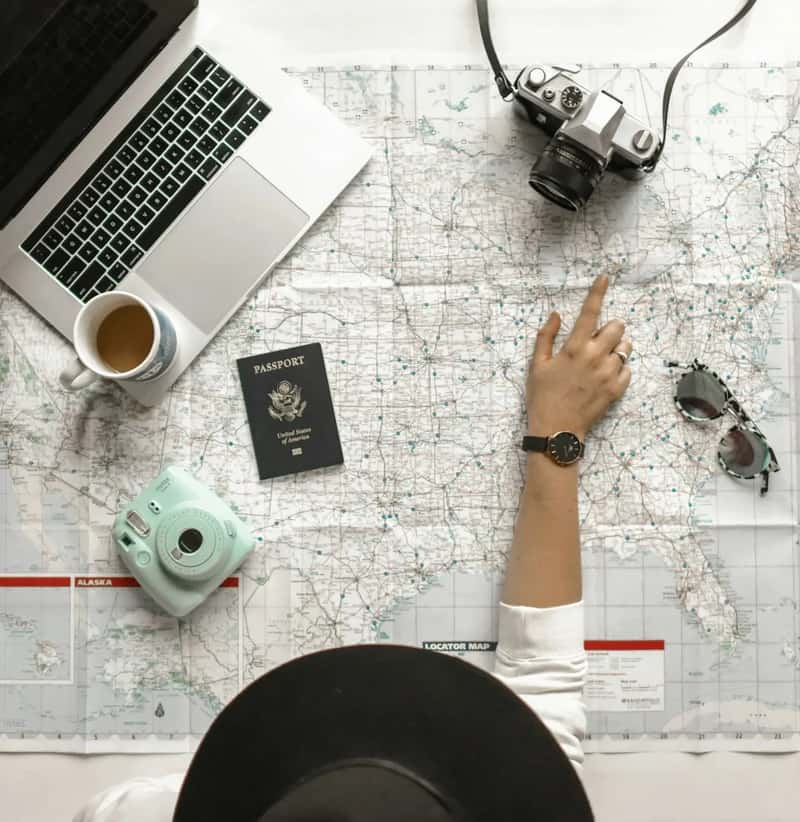
Ask a Boomer how they booked their last big trip and there is a decent chance a human being was involved somewhere in the process, whether that was an agent, an airline representative, or a hotel front desk. Gen Z tends to cut out that middle step almost entirely. Gen Z travelers prefer direct online channels for flight bookings.[2]
This extends to nearly every part of the trip, from lodging to activities to transportation. Sixty two percent of Gen Z use apps and digital platforms to find better deals.[5] To a generation raised on landlines, the idea of never once speaking to a person before boarding a flight can feel oddly impersonal, even if it saves time.
4. Paying for extra luggage but skipping travel insurance

Few habits confuse Boomers quite like this one. Many older travelers consider insurance non negotiable, a basic safety net for anything that might go wrong on the road. Gen Z, it turns out, has a very different set of priorities when it comes to spending extra at checkout.
Gen Z has a penchant for paying for the bag, not the insurance, adding baggage at above average rates of 13.2 percent, but buying travel protection at barely half the rate of Boomers, 11.7 percent versus 20.4 percent.[6] For a generation that grew up believing an extra pair of shoes matters more than a worst case scenario, that tradeoff makes perfect sense. For Boomers, skipping insurance to fit in another outfit borders on financial madness.
5. Chasing cities that go viral almost overnight

Boomers built their bucket lists around Paris, Rome, and London, cities that have topped travel wish lists for generations. Gen Z’s list looks a lot more volatile, shifting with whatever destination is currently trending online. Seoul was one of Gen Z’s biggest destinations of the summer, over indexing at 2.1 times compared to their overall share of bookings, while Tokyo followed close behind at 1.8 times and ranked as Gen Z’s top overseas destination overall by booking volume.[7]
The list of rising destinations tells a similar story of speed. Gen Z bookings to destinations like Lima and Rio de Janeiro grew by 116 percent and 92 percent year over year, respectively, alongside sharp increases to Phoenix, Madrid, and Barcelona.[7] A Boomer who spent years saving for one classic European tour can find this kind of destination hopping dizzying, especially when the appeal often traces back to a single viral clip rather than decades of cultural reputation.
6. Choosing sober, wellness focused trips over party tourism

The stereotype of a young traveler chasing all night parties does not really hold up anymore. Gen Z has quietly shifted the entire vibe of a typical trip. Gen Z has popularized dry holidays, trips where they do not consume alcohol, preferring a full night of sleep and daytime adventures over the party tourism that defined earlier generations.[5]
The payoff seems to matter to them just as much as the itinerary. Ninety three percent of Gen Z say travel improves their mental wellbeing, with 90 percent returning from a trip feeling less anxious and more positive than when they left.[5] For Boomers who associate a great trip with a lively night out, a group of twenty somethings choosing sparkling water and an early bedtime can look almost like a contradiction in terms.
7. Taking more trips, but shorter and cheaper ones

Boomers often built their travel around one significant trip a year, something worth saving for months in advance. Gen Z has flipped that model, favoring frequency over grandeur. Nearly 60 percent of Gen Z took two or more holidays in 2025, the highest of any generation, and are most likely to travel internationally.[2]
The spending pattern backs this up clearly. While Millennials spend nearly identical to the overall average traveler, Gen Z is far more frugal, spending about one third less, or roughly 820 dollars per trip, and taking shorter trips averaging 11.6 days compared to 12.4 days for Millennials.[6] To a generation that once viewed vacation as a rare and carefully planned event, squeezing in several shorter trips a year on a tighter budget can look like a strange way to travel, even if the total time away ends up similar.
8. Relying on ride hailing apps instead of renting a car or hailing a taxi
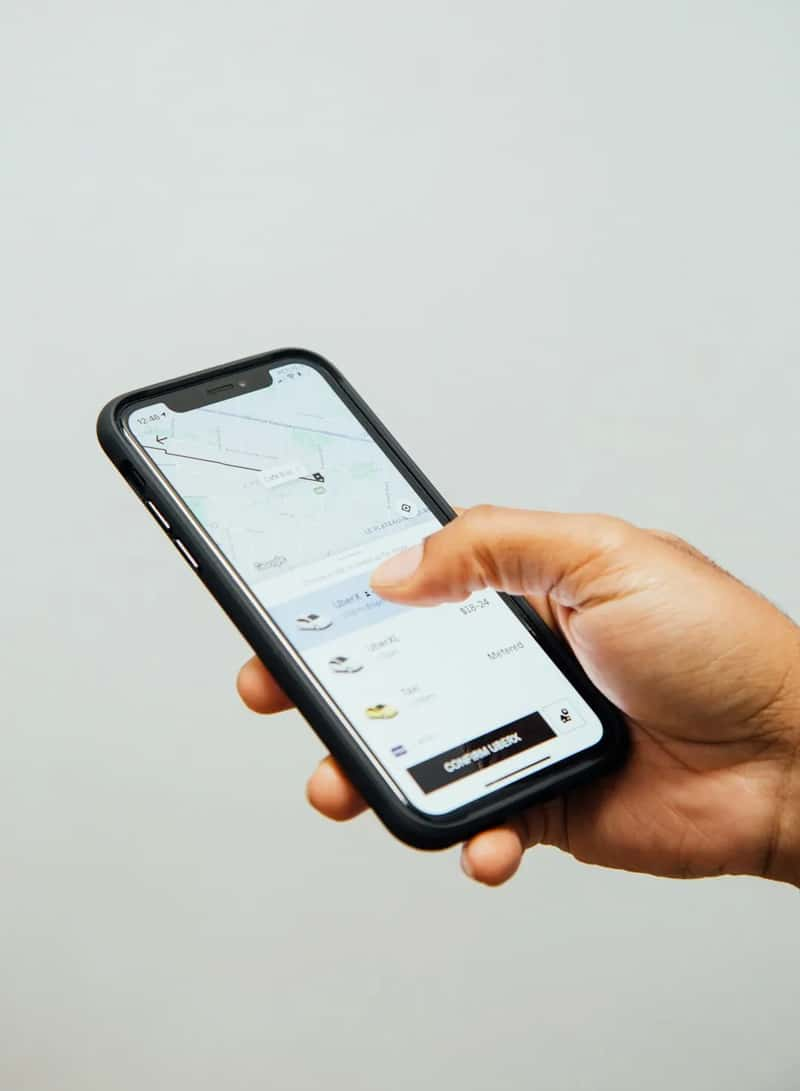
Renting a car at the airport used to be an automatic step for most travelers. Gen Z increasingly skips it altogether, preferring to summon a ride with a few taps. Booking transportation is the new normal, and Gen Z leads the pack as the generation that rides the most, with 74 percent of Gen Z consumers aged 18 to 29 across 30 countries using ride hailing services.[8]
The appeal seems less about cost and more about convenience. From getting to work or school every day to supporting evenings out, shopping trips, concerts, and other social activities, ride hailing has become their ultimate tool where flexibility matters more than fixed schedules.[8] For a Boomer who takes pride in navigating unfamiliar roads with a rental car and a paper map backup, handing that control over to an app and a stranger behind the wheel can feel unnecessarily risky.
9. Picking destinations based on sustainability credentials

Where a trip goes has always mattered, but Gen Z adds a layer that many older travelers never had to consider. Environmental impact now factors directly into the decision. Sixty nine percent of Gen Z respondents are most likely to travel to places that promote sustainable travel.[9]
This value shows up even when money is tight. While their budgets might be tight, their values are non negotiable, and they will stretch a limited amount to afford eco conscious stays, wild swims, and low impact adventures that align with their ideals.[5] For Boomers used to judging a destination mainly by its weather, sights, and price tag, weighing a hotel’s carbon footprint before booking a room can seem like an extra, almost unnecessary step.
10. Trusting influencer recommendations over traditional reviews or advice
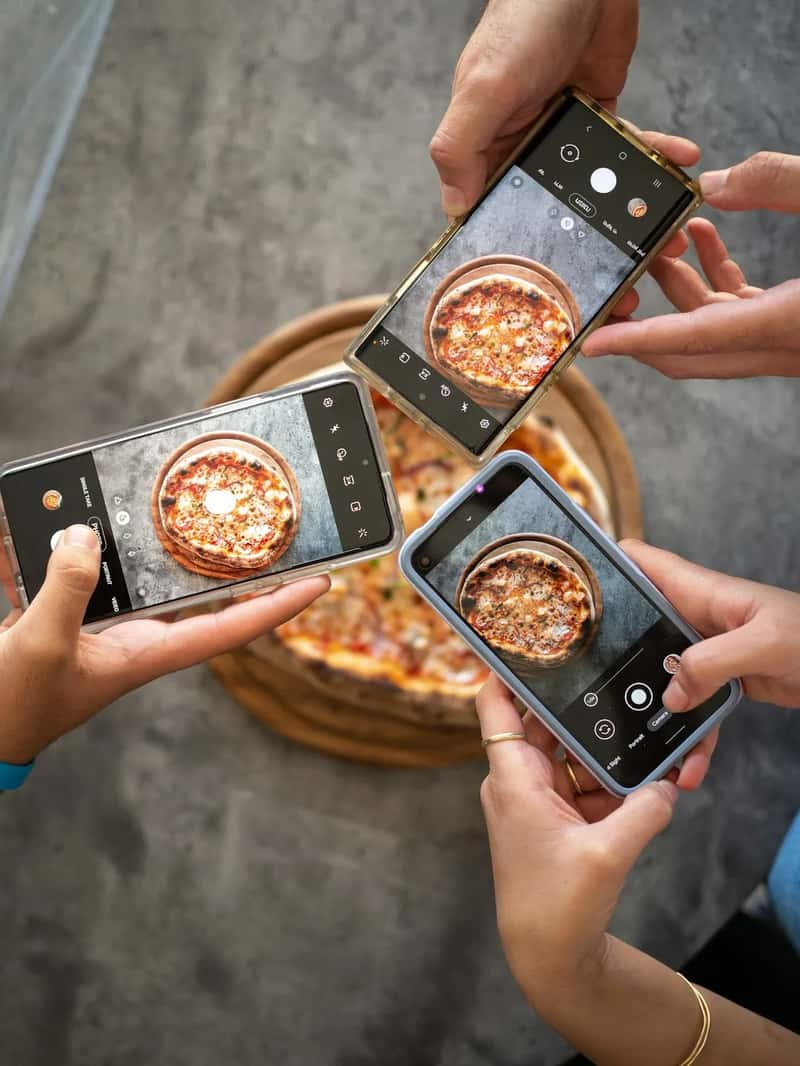
Boomers generally lean on personal networks, guidebooks, or professional agents when deciding where to eat or stay. Gen Z often bypasses all three in favor of a familiar face on a screen. While almost half of global respondents look to family and friend recommendations for food travel decisions, Millennials and Gen Z rely more heavily on social media, with more than 75 percent saying they are likely to seek out a food item that has gone viral during a trip.[10]
Sharing the experience afterward matters just as much as having it. Eighty two percent of Millennials and Gen Z surveyed say they are likely to do something completely out of the ordinary simply if it makes a good story.[10] For Boomers who trust a recommendation earned over years of friendship or a professional’s expertise, choosing a restaurant because it trended online for a week can feel like handing your vacation over to complete strangers.
Taken together, these habits point to a simple truth. Gen Z is not traveling worse than previous generations, just differently, shaped by different tools, different budgets, and a different relationship with sharing experiences in real time. Whether that looks bizarre or simply modern probably depends on which generation is doing the looking.