There’s something quietly brilliant about the way older generations used to travel. No app notifications, no frantic last-minute bookings, no ten-tab browser chaos. Just a suitcase that actually closed, a paper itinerary folded neatly in a breast pocket, and a kind of calm confidence that modern travelers often envy but rarely copy.
Honestly, a lot of what our grandparents did on trips wasn’t just nostalgic charm. It was genuinely smart. And as travel becomes more expensive, more crowded, and more stressful, some of those old-school habits are turning out to be more relevant than ever. So let’s dive in.
1. Packing Light and Only the Essentials
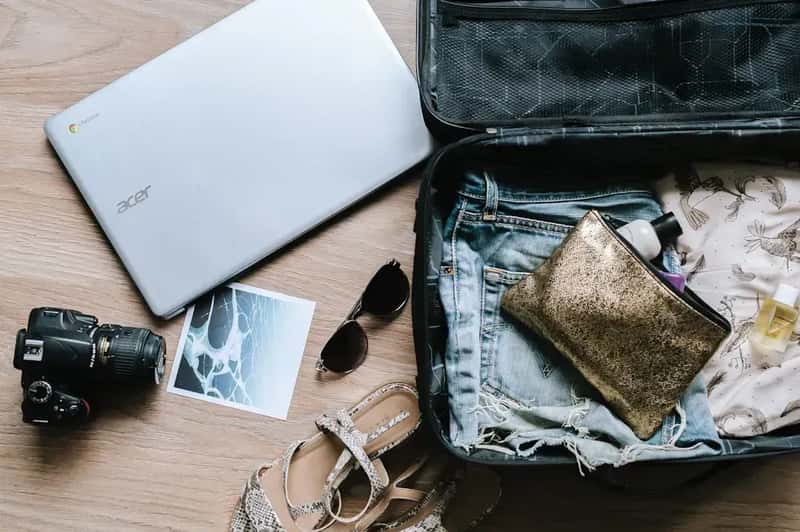
Our grandparents didn’t haul two oversized suitcases through cobblestone streets. They packed a single bag, chose clothes that mixed and matched, and left the rest at home. Traveling light has been growing increasingly popular for both practical and environmental reasons, and there are almost no benefits to doing it.
Extra baggage fees are no joke. Airlines charge a premium for overweight or additional luggage, which can quickly eat into your travel budget. Fewer items often translate into fewer or no checked bags, a strategy that saves a considerable amount of money over multiple trips. Think of it like going hiking: every unnecessary pound you carry slows you down and tires you out faster.
Less luggage makes you more mobile and flexible. You can use public transportation more easily, and you can get from place to place faster without worrying about heavy luggage. That freedom to move quickly and spontaneously is something no amount of extra shoes can replace.
Packing light forces you to prioritize and only bring what you truly need, making for a more intentional and streamlined experience. Grandparents just called it common sense.
2. Planning Ahead and Knowing the Itinerary
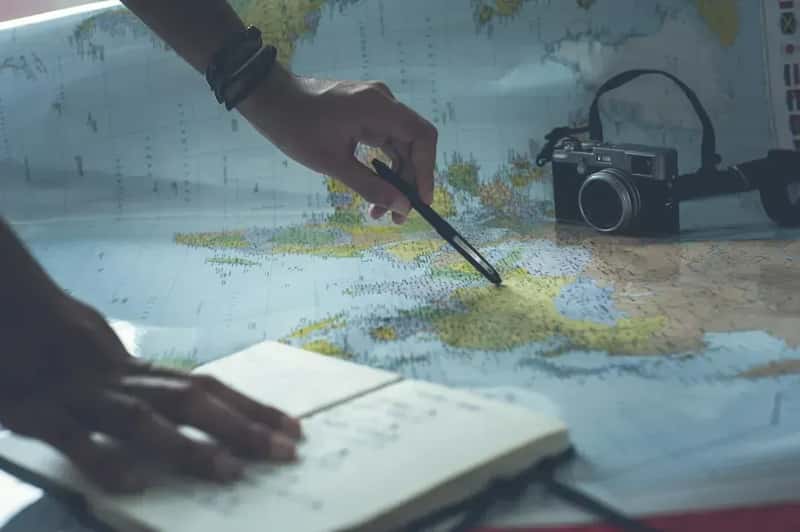
Before the trip even began, grandparents had a plan. They wrote things down, they knew where they were going, and they didn’t wing it at the airport gate. That old-fashioned habit of mapping out the journey turns out to have real psychological backing.
Planning and anticipating a trip can be almost as enjoyable as going on the trip itself. A 2014 Cornell University study found that the anticipation of an experience like a trip can increase a person’s happiness substantially, much more so than the anticipation of buying material goods. That’s a remarkable finding. The trip starts long before you board the plane.
Trip planning can give you a sense of comfort and reduced anxiety, for instance, knowing exactly how to get from the airport to the hotel upon arrival in a foreign country. That peace of mind, knowing the plan, is something generations before us took for granted. We’ve since lost it to spontaneity culture.
Planning regular vacations and preparing ahead can help sustain positive mental health effects, like reducing stress and increasing feelings of happiness and resilience. Grandma wasn’t just organized. She was ahead of her time.
3. Always Carrying Cash (and Local Currency)

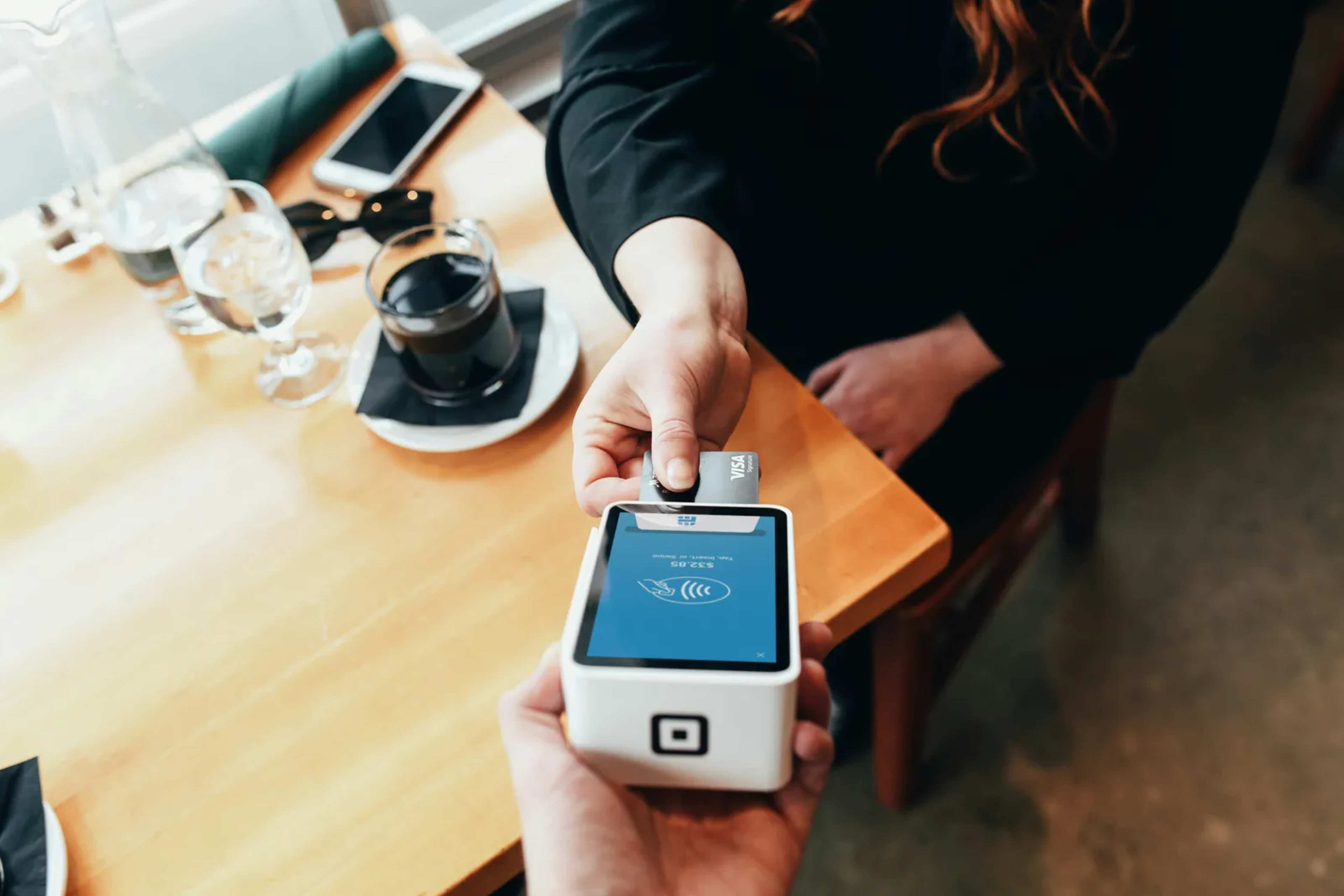
Walk into any village market in rural Italy or a bus station in Southeast Asia and you’ll quickly understand why grandparents always had local cash on hand. Cards fail. Networks go down. Vendors don’t always accept foreign cards. Cash just works.
Despite a general trend towards card payments when abroad, cash remains a significant part of the travel experience for older generations. Their preference is rooted in previous experiences and the comfort and familiarity that come with using cash. For many older travelers, exchanging currency is a habitual part of their travel routine.
Nine in ten UK travelers aged 65 and over used cash abroad in the last twelve months. That’s not stubbornness, that’s wisdom earned through decades of travel where things went wrong. There’s something to be said for a backup that requires no signal and never runs out of battery.
It’s hard to say for sure why so many younger travelers are abandoning this habit. Maybe it’s confidence in digital payment technology. But anyone who has had a card declined in a foreign country at midnight understands exactly why their grandparents always had a folded bill tucked somewhere safe.
4. Eating Like a Local

Grandparents didn’t go to Paris to eat a burger from a chain restaurant. They asked the hotel concierge, walked into whatever place looked busy with locals, and tried things they couldn’t pronounce. That curiosity turned out to be one of the most memorable parts of the trip.
Food and dining are an important part of the travel experience for older generations, with restaurants and culinary experiences being their top priority for the travel budget for nearly half, and the vast majority seeking out local and regional cuisine when traveling. This was never just about food. It was about connection.
Older generations prefer bed and breakfast options over all-inclusive holidays, perhaps because they are keen to go out and try local restaurants and other food places whilst on vacation. There’s a real philosophy in that. You can’t understand a place from inside a resort bubble.
Eating locally also supports small businesses and communities in ways that chain restaurants simply don’t. Our grandparents were accidentally practicing responsible tourism decades before it had a name.
5. Traveling with Fewer but More Meaningful Companions

There’s a reason older generations didn’t show up to every destination with a sprawling group of fifteen. Smaller travel groups meant smoother logistics, real conversations, and the flexibility to change plans without needing a committee vote.
The classic American road trip was the favorite travel style in 2024, followed by relaxing trips with no schedule and multigenerational trips. The trend toward meaningful, connected trips is picking up again. Partners lead the way as preferred travel companions, with nearly half choosing to travel with a partner.
Around two-thirds of baby boomers say they travel to visit family, compared to roughly half to just over half for younger generations. Those family connections, the real purpose behind so many trips, never go out of style. A trip with people you love is always going to beat a packed group tour.
The trend toward “home-away-from-home” travel is telling. This style of travel is popular with nearly one in five American travelers today. Grandparents have always understood that it’s not just where you go, it’s who you’re with.
6. Revisiting Favorite Destinations

Here’s something that might surprise you: going back to the same place isn’t boring. It’s actually a sign of a deeply experienced traveler. Grandparents often returned to places they loved, and every time they came back knowing just a little more, seeing a little deeper.
When it comes to holidays, older generations embrace the familiar. Mintel’s consumer research found that in 2024, almost half of US baby boomers plan to travel to a destination they had previously visited. That’s not a lack of imagination. That’s a refined appreciation for places that earned a second visit.
Think about how differently you experience a city the third time versus the first. The first time you’re overwhelmed. The second time you find your footing. The third time, you actually belong there for a moment. About a quarter of seniors aged 50 and above report changing their trips to avoid crowded destinations. Revisiting allows for a more relaxed, genuine experience without the tourist-scramble pressure.
Returning to a familiar place is the travel equivalent of rereading a great book. There’s always something new to discover when you’re not just rushing through.
7. Building in Slow, Unhurried Downtime
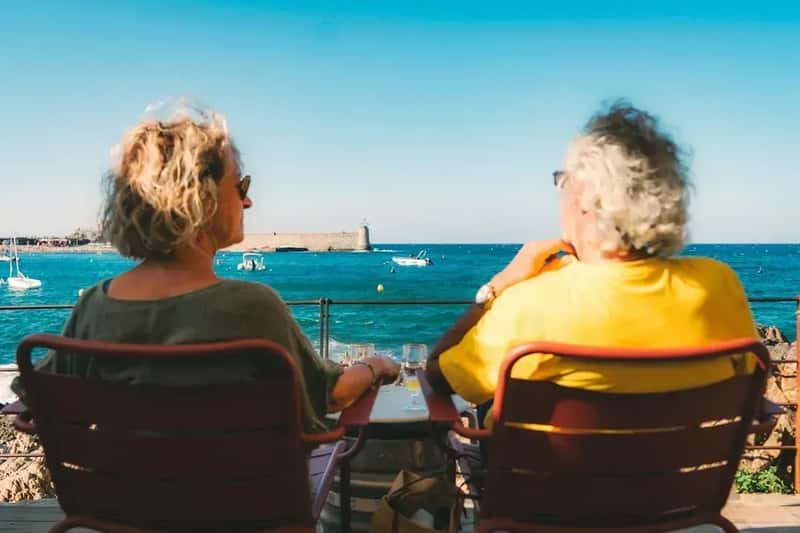
Modern travel culture glorifies doing everything, seeing everything, cramming fourteen cities into ten days. Grandparents looked at that kind of schedule and shook their heads. They stayed somewhere long enough to actually feel it.
Staying longer in fewer destinations is a key practice in slow travel, and a 2024 study found that slow travel reduces stress by thirty percent and deepens cultural connections. That is a substantial reduction. Rushing between stops is the fastest way to come home more tired than when you left.
Just under a third of those aged 45 to 54 and over 65 claimed that their main reason for going on holiday is to relax and not do much, with a quarter of those aged 55 to 64 also saying the same. There is absolutely nothing wrong with that. Slow travel isn’t lazy travel, it’s intentional travel.
A 2021 study published in Tourism Analysis found that participants who reported regularly traveling at least 75 miles away from home also reported being about seven percent happier than those who reported traveling very rarely or not at all. The data points to travel itself being the key, not the hectic pace of it.
8. Using a Travel Agent or Asking for Personal Recommendations
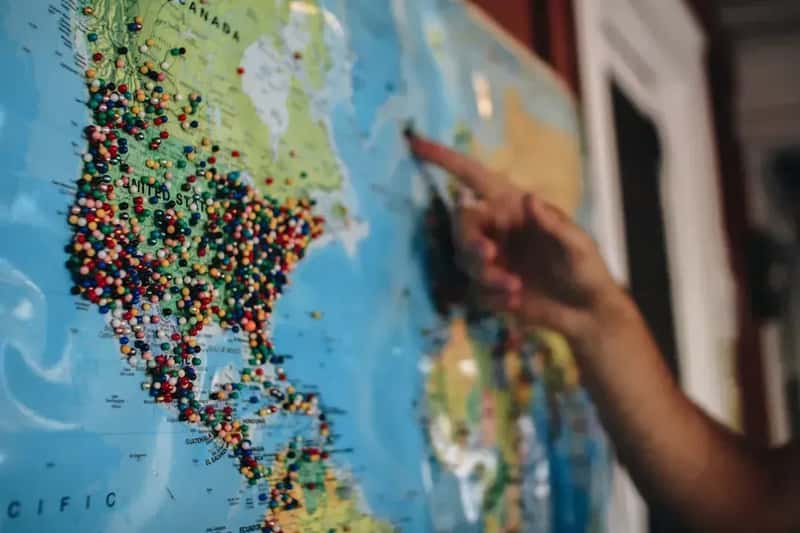
Long before review sites and travel influencers existed, grandparents walked into a travel agency, sat across from a real human being, and let someone with genuine expertise guide their trip. That kind of personal advice carries a weight that no algorithm can fully replicate.
People still use travel agents and with good reason. Now called travel advisors, they can help find the best deals, arrange complicated itineraries, and juggle large groups or family vacations. Sometimes the old way of doing things is old because it worked, not because it was replaced by something better.
According to a 2024 survey, roughly one in five of those aged 55 to 64 and nearly one in five of those over 65 still prefer visiting a travel agent in person to get recommendations before shopping around. The preference for human touch in travel persists, and honestly, it should.
Many older travelers recognize the benefit of technology but really appreciate the human factor of hospitality. They are more than twice as likely to say the human factor makes the travel experience rather than that technology helps reduce travel stress. There’s real wisdom in that distinction.
9. Always Getting Travel Insurance

This is the one grandparents were absolutely right about, and yet younger generations keep skipping it. The logic was simple: you’ve saved for this trip, don’t gamble with it. It is genuinely that straightforward.
According to the U.S. Travel Insurance Association, American travelers spent $5.56 billion on travel insurance in 2024, a 46% increase from 2019. The market is growing for a reason. The most common travel insurance claims are for unexpected trip cancellations and interruptions, while emergency medical expenses remain a top concern, especially for longer or riskier trips.
Travelers aged 50 and older held the largest share of the travel insurance market in 2024. That is not a coincidence. Experience teaches you what can go wrong. Meanwhile, millennials are the least likely to insure their 2026 trips, with nearly two-thirds traveling without any coverage. That’s a striking gap in risk awareness between generations.
A surge in medical insurance adoption reflects travelers’ heightened awareness of health risks when traveling abroad. Post-pandemic, travelers are no longer viewing medical coverage as optional; they’re treating it as essential protection. Grandparents already knew this decades ago.
10. Exploring the Destination on Foot and Embracing the Unplanned
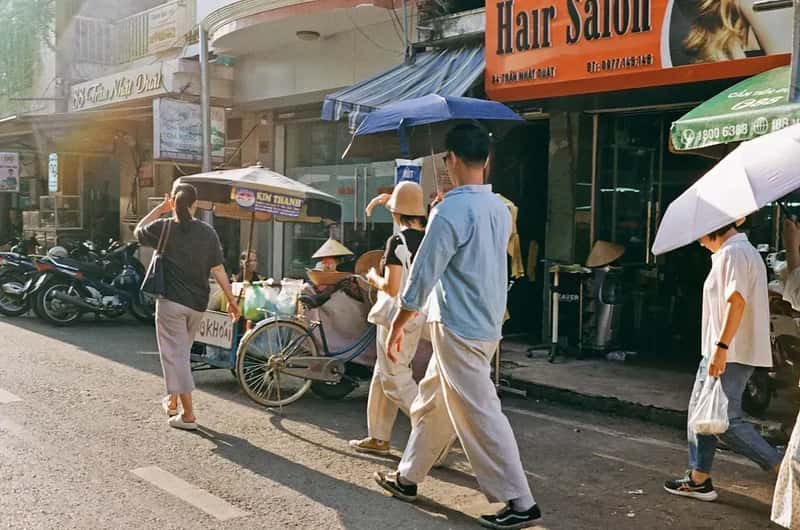
Some of the best travel stories come from getting slightly lost. Not dangerously lost, but that kind of wandering that takes you past a market nobody wrote about, a courtyard tucked behind an old church, a conversation with a shopkeeper that changes how you see the world. Grandparents understood this intuitively.
Something that all generations can agree on is that when you’re on holiday, you need to try and explore the location as much as possible. From immersing yourself in the local culture and sightseeing to just wandering about and seeing new things and places, you might as well make the most of being there.
A 2013 survey of 485 adults in the U.S. linked travel to enhanced empathy, attention, energy, and focus. Other research suggests that the act of adapting to foreign cultures may also facilitate creativity. Walking a city rather than riding through it is one of the simplest ways to make that happen. You notice more when your pace slows down.
Packing lightly and moving freely can help travelers feel more connected to their destination. Without the distraction of excessive belongings, they can focus more on the sights, sounds, and smells of the places they visit. Going on foot, with light luggage and an open mind, was never just a choice. It was a philosophy.
The Quiet Wisdom of Traveling Well
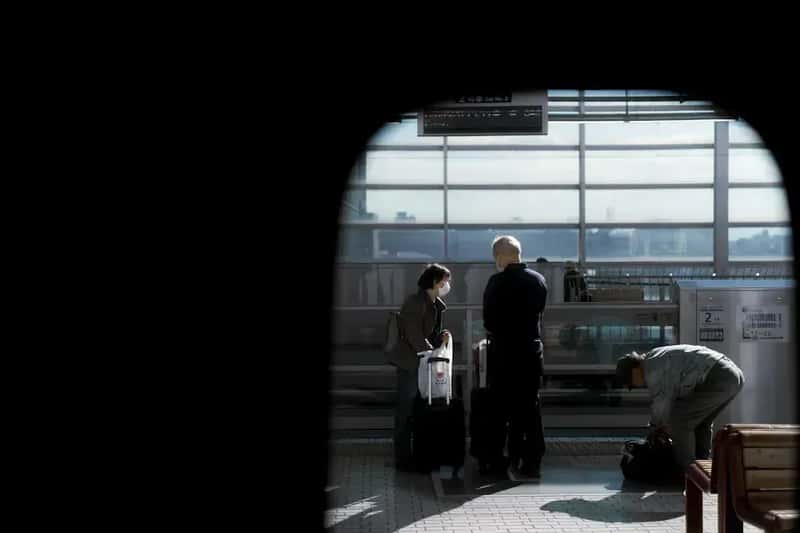
There’s a pattern in every single one of these habits. Patience. Intention. Respect for the journey itself, not just the destination photos. Grandparents didn’t have the apps, the hacks, or the travel influencers. What they had was experience, and they used it well.
In 2024, adults aged 50 and older took more trips than anticipated for the first time, the highest number in four years. Older adults anticipated taking an average of 3.6 trips but actually took 3.9 trips on average. They’re still out there. Still traveling, still doing it thoughtfully.
The habits explored in this article aren’t relics. They’re a masterclass in how to travel with less stress, more joy, and a genuine connection to the places you visit. You don’t need to abandon every modern convenience to travel better. You just need to borrow a few ideas from people who figured it out long before the internet told them how.
What travel habit from this list surprised you the most? Tell us in the comments.