Travel has a way of revealing small habits that go unnoticed in everyday life. Shared trips, in particular, tend to bring out contrasts that couples or friends rarely discuss out loud. Many of these differences aren’t about right or wrong, they’re just patterns that become obvious once you’re navigating airports, hotel rooms, and unfamiliar cities together.
1. Packing light versus packing “just in case”
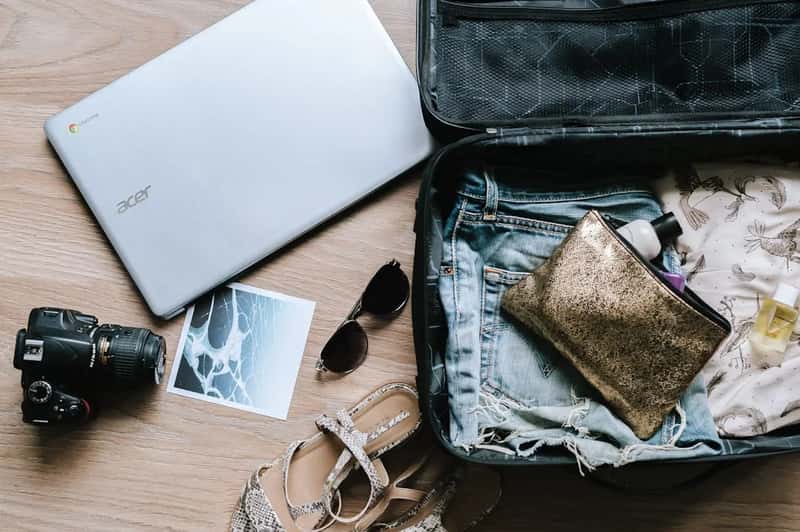
Women often notice early on how differently people approach a suitcase. Some travelers pack with precision, choosing versatile items that can be mixed and matched, while others toss in extra clothes, gadgets, or shoes “just in case” they’re needed. This difference becomes obvious the moment luggage needs to be lifted into an overhead bin or dragged up a set of stairs in an old European hotel.
The habit isn’t really about vanity or preparation, it’s about planning style. Overpacking tends to create small daily friction, from struggling with zippers to paying extra baggage fees, and women frequently pick up on this pattern faster than their travel companions do.
2. Checking documents multiple times
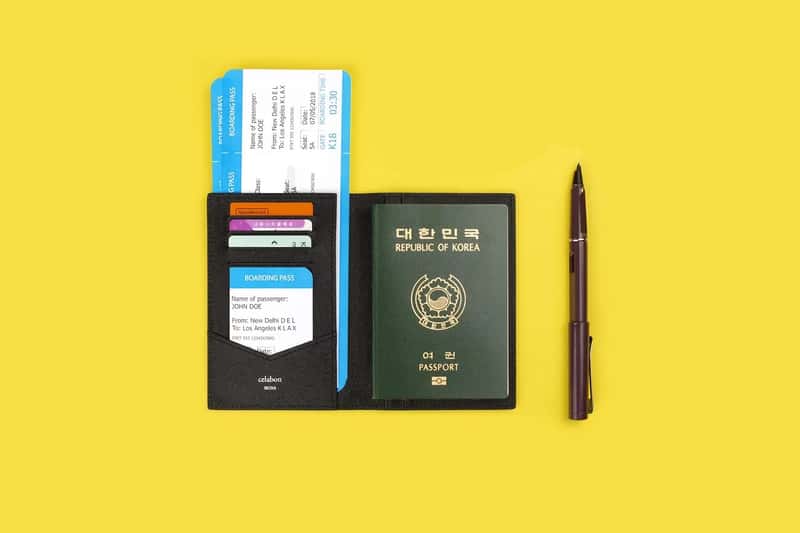
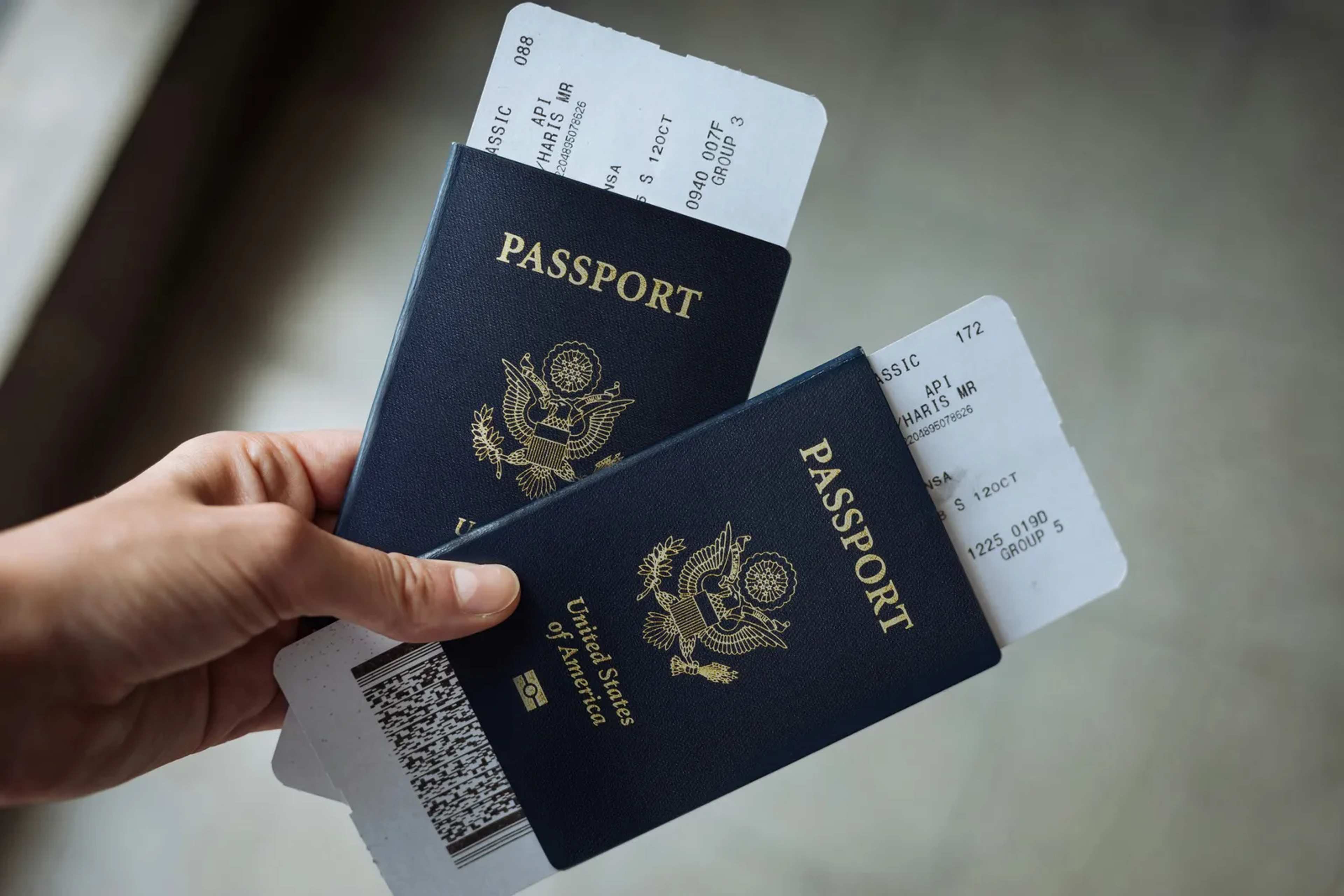
Passports, boarding passes, and hotel confirmations tend to get checked more than once by some travelers, while others glance at them a single time and assume everything is fine. This habit becomes especially noticeable at airport security or immigration counters, where a moment of doubt can cause real stress. Women often notice when a partner treats travel documents casually, especially in countries where entry requirements have grown stricter in recent years.
This has become more relevant since many countries introduced digital travel authorizations, such as the UK’s Electronic Travel Authorisation rolled out through 2024 and 2025, or the EU’s upcoming Entry/Exit System. A quick double check of documents is no longer just cautious, it’s practical given how often digital entry rules change.
3. Reading reviews before booking

Some travelers spend a good chunk of time reading reviews on platforms like Google, TripAdvisor, or Booking.com before confirming a hotel or restaurant. Others book based on a quick glance at photos or price alone. Women often pick up on this difference immediately, especially when a “great deal” turns out to have noise complaints or cleanliness issues buried in the reviews.
This habit has grown more important as travel prices have become less predictable. According to travel industry data reported through 2025, hotel rates in many global cities rose compared to pre-pandemic years, making it costlier to end up with a poor choice. A few extra minutes of research can prevent a disappointing stay.
4. Being aware of surroundings in unfamiliar places
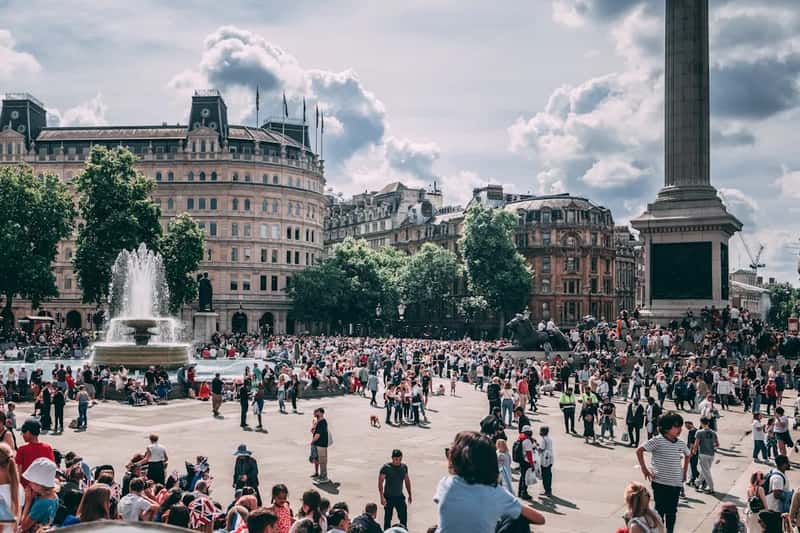
Situational awareness, like noticing exits, locking doors, or being cautious with belongings in crowded areas, is a habit that tends to differ noticeably between travel partners. Women, statistically more likely to consider personal safety while traveling, often notice when a companion walks ahead without checking on the group or leaves a bag unattended in a busy square. This isn’t about assuming danger everywhere, it’s about basic caution in unfamiliar environments.
Surveys on solo and group travel safety, including reports published by outlets like Condé Nast Traveler in recent years, consistently show that women rank personal security as a higher priority when choosing destinations or accommodations. This awareness often extends into shared trips as well, even when it isn’t verbalized.
5. Currency and budgeting habits

Some travelers track spending closely, converting prices mentally or checking exchange rates before big purchases. Others hand over a card without much thought, assuming it will sort itself out later. This gap becomes obvious quickly, especially in destinations where prices are quoted in unfamiliar currencies or where dynamic currency conversion fees can quietly inflate costs.
Financial habits abroad matter more than people expect. Currency conversion fees and poor exchange rates can add hidden costs to a trip, and travelers who monitor spending in real time tend to avoid these traps more easily than those who don’t.
6. Researching local customs and etiquette

Understanding tipping norms, dress codes, or basic greeting customs can make a noticeable difference in how a trip unfolds. Some travelers take time to learn these details in advance, while others wing it and hope for the best. Women often notice when a partner unintentionally causes an awkward moment, like tipping incorrectly in Japan or dressing inappropriately for a religious site.
Cultural etiquette missteps aren’t usually dramatic, but they add up. A traveler who’s done a little homework tends to move through unfamiliar places with less friction and fewer uncomfortable encounters with locals.
7. Communication with hotel staff and locals

Some people naturally strike up polite conversations with front desk staff, taxi drivers, or shop owners, asking questions or clarifying details. Others stay quiet, assuming things will work out without much interaction. This difference tends to surface quickly, especially when something goes wrong, like a booking mix up or a delayed flight.
Clear communication often leads to better outcomes, from room upgrades to smoother problem solving. Women frequently notice when a travel partner avoids necessary conversations, since those small interactions often shape how enjoyable or stressful a trip becomes.
8. Health and hygiene habits on the road

Simple habits like carrying hand sanitizer, staying hydrated, or being mindful of food safety in unfamiliar regions tend to vary widely between travelers. Some plan ahead for these basics, while others assume their body will adjust naturally to new environments. Women often notice when a companion skips precautions that could easily prevent travel related illness, especially in regions where water quality or food handling standards differ from home.
Global health guidance, including recommendations from the CDC’s Travelers’ Health resources updated regularly through 2025, continues to emphasize basic precautions like safe water choices and hand hygiene as key factors in preventing common travel illnesses. Ignoring these small habits can turn a good trip into an uncomfortable one fast.
9. Photo and memory habits

Some travelers document trips carefully, taking photos, saving tickets, or writing quick notes about experiences. Others barely take out their phone except to check maps or messages. This contrast becomes clear especially on multi-stop trips, where memories can blur together without some form of documentation.
This isn’t only about nostalgia. Photos and saved details often become useful later, whether for sharing experiences, resolving billing disputes, or simply remembering which restaurant had the good pasta in Rome versus Florence.
10. Adjusting plans when things go wrong
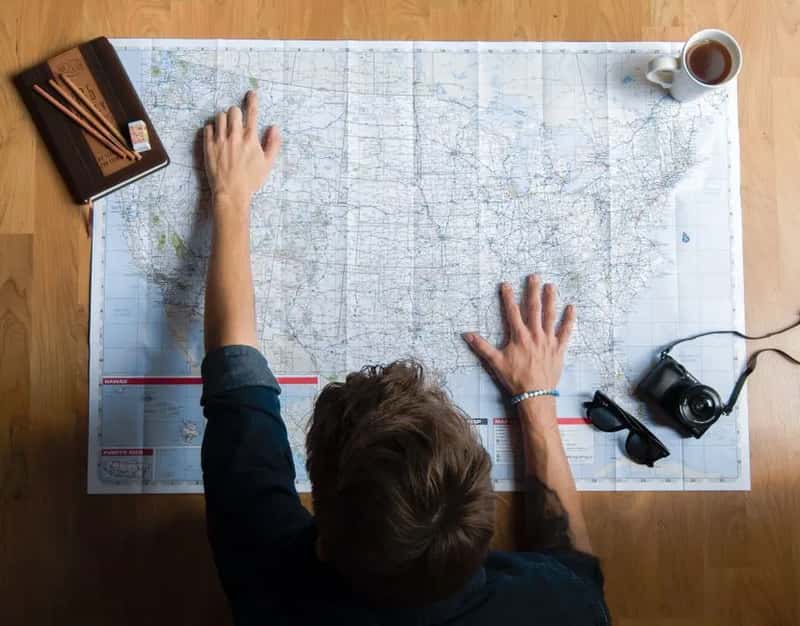
Flight delays, sudden weather changes, or fully booked restaurants are common travel disruptions. Some people adapt quickly, checking alternatives and adjusting plans within minutes, while others freeze or grow visibly frustrated. Women often notice how a partner handles these moments, since flexibility under pressure tends to shape the overall tone of a trip more than any itinerary detail.
Airlines and travel platforms have reported rising rates of schedule disruptions in recent years due to weather volatility and airspace congestion across parts of Europe and North America. Being able to pivot calmly when plans shift is becoming less of a bonus skill and more of a practical necessity for modern travel.
These ten habits rarely make headlines, but they shape the texture of a trip far more than most people realize. Recognizing them, whether in a travel partner or in yourself, can make future journeys smoother and a little more enjoyable for everyone involved.