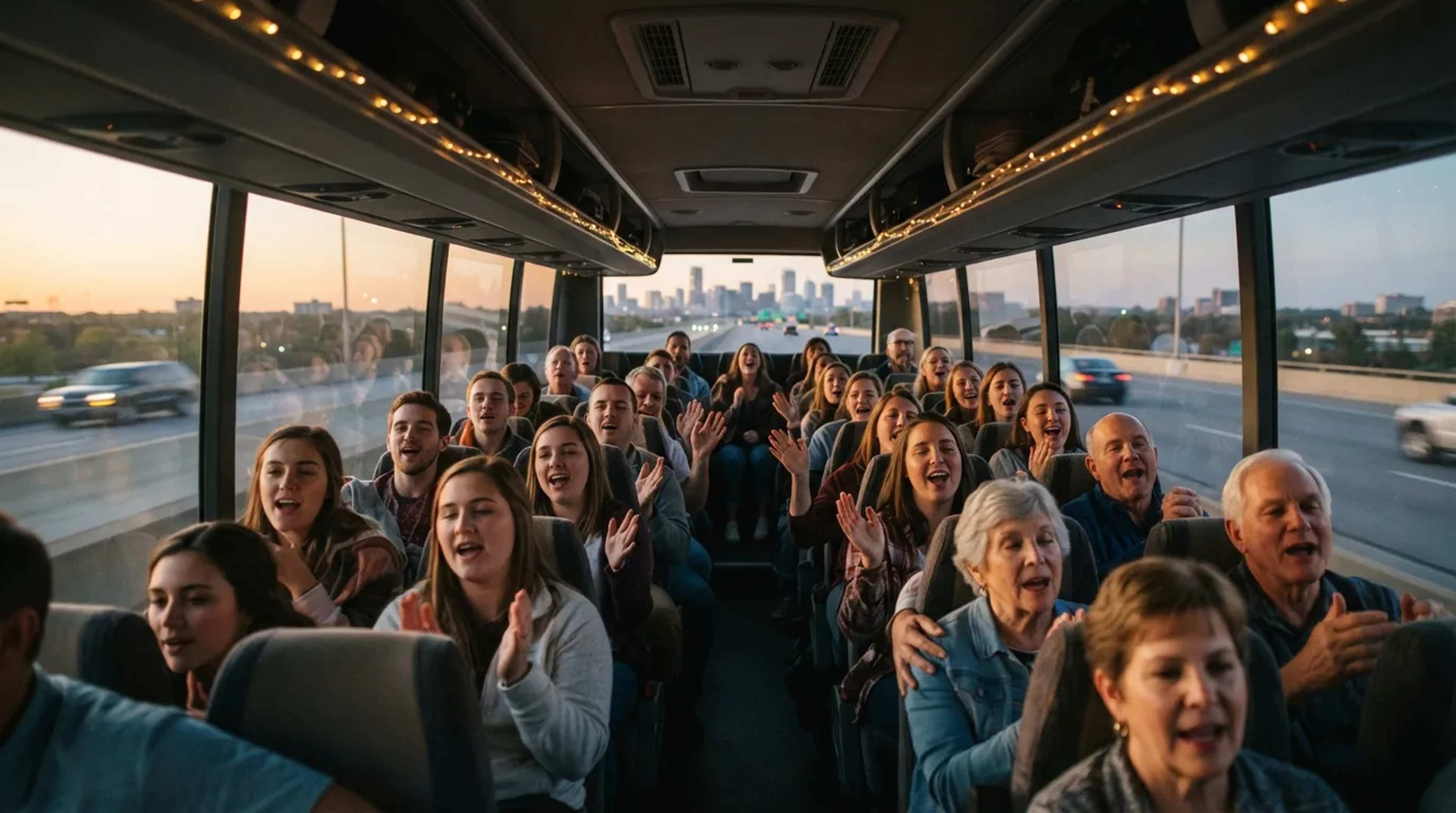
There was a time when heading to a national park meant fresh air, open trails, and the sound of silence broken only by birdsong. Honestly, that image hasn’t disappeared entirely, but for a growing number of America’s most beloved parks, it’s increasingly hard to find. The crowds are coming, and they are coming in record-breaking waves.
The National Park Service reported 331.9 million recreation visits in 2024, a two percent increase from 2023 and nearly one million more visits than the previous 2016 record. That’s not just a travel trend. That’s a transformation of what it means to experience the American outdoors. So before you pack your boots and load up the car, here’s a hard look at ten parks where the crowd problem is now impossible to ignore. Let’s dive in.
1. Great Smoky Mountains National Park, Tennessee and North Carolina
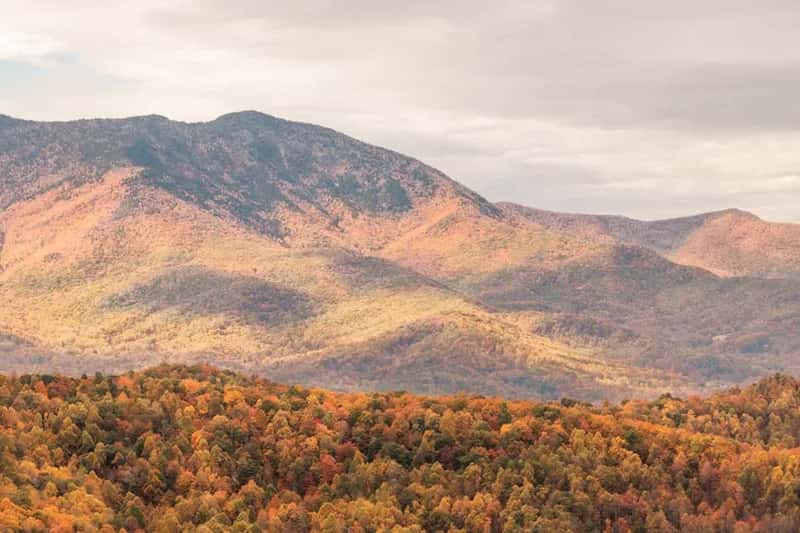
This one isn’t even a close call. Great Smoky Mountains National Park is by far the busiest national park in the country, attracting 12,191,834 visitors in 2024, almost 8 million more than the runner-up, Zion. Think about that for a second. The gap between first and second place is roughly the population of Virginia.
The Smokies see more people in a single month than many park units see in an entire year. Last October alone, 1.5 million people visited the park, following a million in September and another 1.5 million in August. The sheer volume isn’t just an inconvenience for hikers, it’s a maintenance nightmare.
According to the National Park Service’s latest infrastructure report, Great Smoky Mountains has $259 million in deferred maintenance and repairs, along with an estimated $22 million in annual routine maintenance. Popular spots like Cades Cove Loop Road are practically synonymous with traffic gridlock, and the experience of getting lost in the wilderness here feels more and more like a fantasy.
2. Zion National Park, Utah
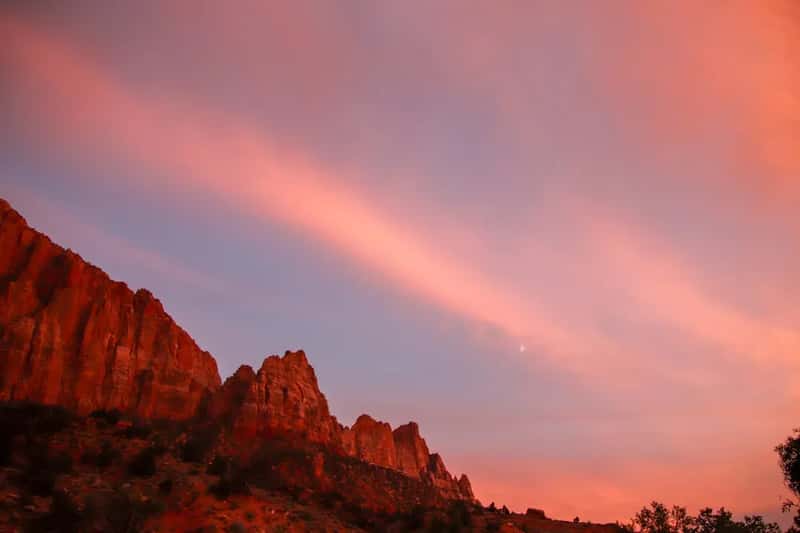
Zion National Park received 4.94 million visitors in 2024, and every single one of them seems to want the same thing: a hike to Angels Landing. The problem is that Zion is a relatively small park, and funneling that many people into narrow canyon corridors is a recipe for chaos.
Zion consistently has more people in it than almost every other national park, but it’s also a really small national park. All of those millions of people are hiking the same trails, driving the same roads, and catching the same shuttle buses. It is extremely difficult to find solitude in Zion.
Zion instituted a permit system for the iconic Angels Landing hike. As of 2022, all hikers who want to ascend Angels Landing must have a permit obtained via an online lottery. This is in effect year-round, because the trail was getting so overcrowded it became dangerous. Even with that system, the rest of the park still absorbs an enormous wave of foot traffic every single day.
3. Grand Canyon National Park, Arizona
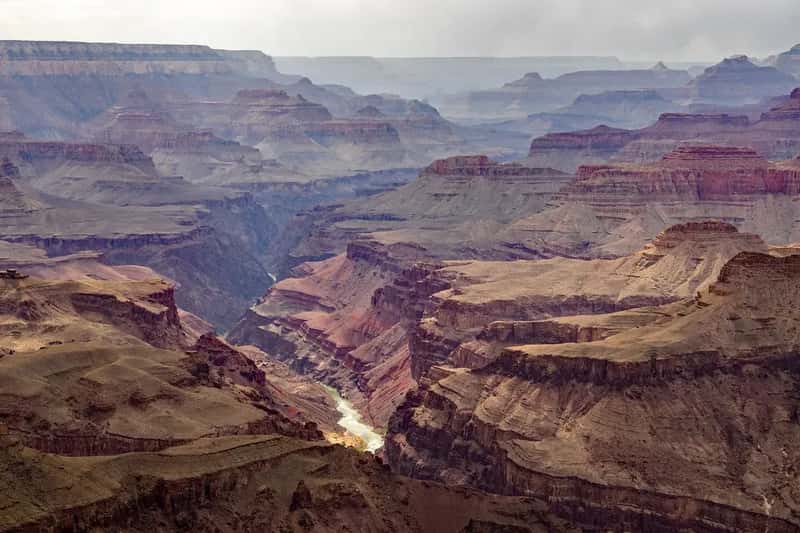
Grand Canyon National Park drew 4.91 million visitors in 2024, ranking third among all headliner national parks that year. The South Rim, which most visitors never leave, acts like a funnel, squeezing millions of people into a handful of viewpoints, restaurants, and parking lots.
Grand Canyon’s massive footprint of 1,201,647 acres dilutes its visitors into a moderate density score on a per-acre basis, but don’t let that fool you. That data represents the whole park. The experience at the rim, where nearly everyone actually goes, feels nothing like a low-density wilderness outing.
Popular parks dealt with traffic jams, packed parking lots, damaged trails, and hours-long waits just to get in. The Grand Canyon is a prime example of infrastructure bottlenecks at their worst. The rim viewpoints are shared by thousands of people at a time during peak season, making it feel less like communion with nature and more like a very scenic theme park.
4. Yellowstone National Park, Wyoming, Montana, and Idaho
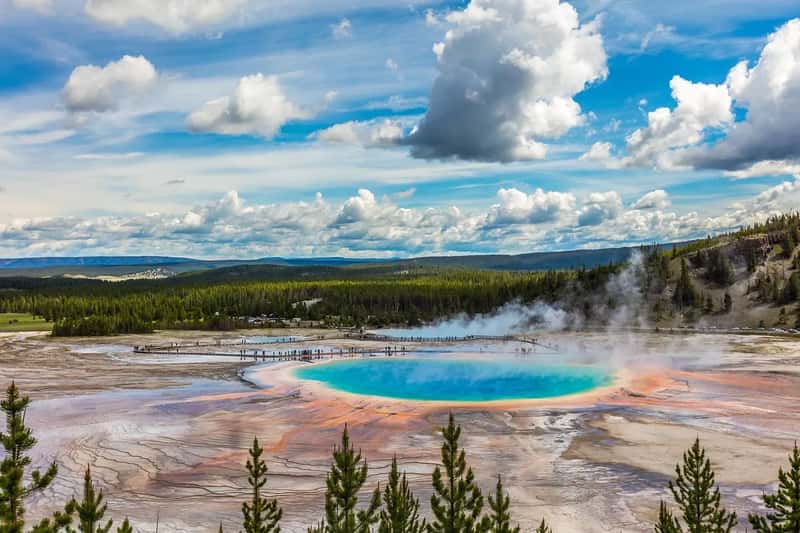
Yellowstone drew 4,744,353 visitors in 2024. Here’s the thing about Yellowstone that most people don’t appreciate until they’re stuck in a car for two hours: the park is massive, but most visitors never leave the road corridor. Think of it like a city where everyone crowds onto one main street while the rest of the metropolis sits empty.
Yellowstone’s visitors pack Old Faithful boardwalks and clog the Grand Loop Road in July. The bottleneck in that park is infrastructure, not raw land area. The crowds concentrate at developed viewpoints and road corridors.
In 2021, the park struggled with severe overcrowding as pandemic-weary Americans flocked to the nation’s outdoor spaces. Yellowstone received 4,860,537 recreation visits that year, making it the busiest year on record. July 2021 was the busiest month in the park’s history and the first time visits exceeded one million in a single calendar month. Numbers since then have remained enormous, and the pressure on park infrastructure has never fully eased.
5. Rocky Mountain National Park, Colorado
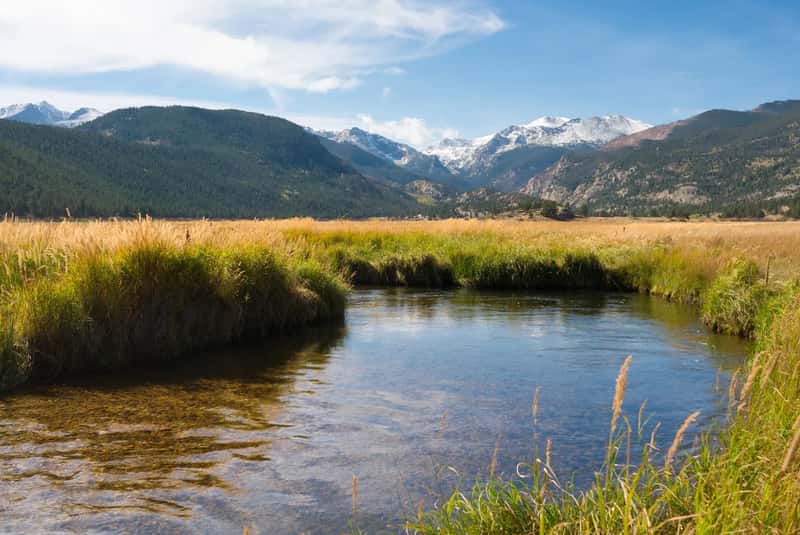
Rocky Mountain National Park drew 4.15 million visitors in 2024. Sitting just over an hour from Denver, it’s essentially the city’s backyard wilderness area. That proximity has turned it into one of the most congested parks in the system, especially along the Bear Lake Road Corridor where the most popular trailheads are clustered.
The record attendance for Rocky came in 2019 at over 4.6 million, and since then, park officials have enforced a peak-season timed-entry reservation system they say is needed to prevent overcrowding and resource damage. Even now, with reservations in place, the park feels relentlessly busy on summer weekends.
Rocky Mountain National Park is the exception among major parks that still keeps its reservation system in place into 2026. Rocky’s timed-entry period begins on the Friday before Memorial Day and runs into October. I think this is honestly the right call, though it does mean spontaneous visits are a thing of the past for this once-accessible mountain escape.
6. Yosemite National Park, California
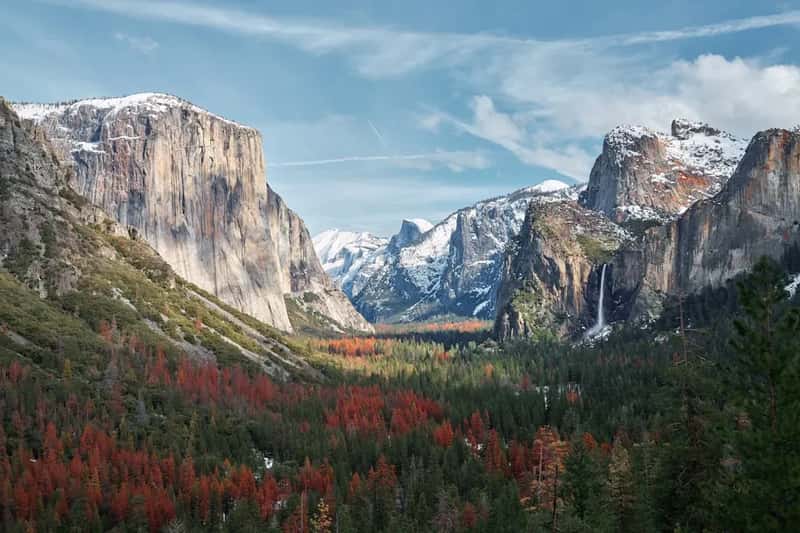
Yosemite National Park received 4.12 million visitors in 2024, and the number has been climbing. Yosemite officials reported that the park experienced one of its busiest summer seasons in years with visitation tracking seven percent ahead of 2024. The valley itself, which is where the famous granite cliffs, waterfalls, and meadows are concentrated, gets absolutely slammed during peak season.
After a summer of severe overcrowding, including overflowing parking lots and waits of up to four hours to enter the park, Yosemite officials announced they would bring back a policy requiring reservations for entry during peak periods. The park has played a back-and-forth game with reservation systems for years, adding them, removing them, then adding them back again after the crowds return with a vengeance.
Some of the most visited national parks have received an even bigger increase in visitation after COVID, leading to overcrowding and creating long waits to enter the park, congestion on hiking trails, and parking lots overflowing with cars and RVs. Yosemite is the poster child for this story. The iconic valley is beautiful, no question. Getting there and moving through it without stress is a different matter entirely.
7. Acadia National Park, Maine
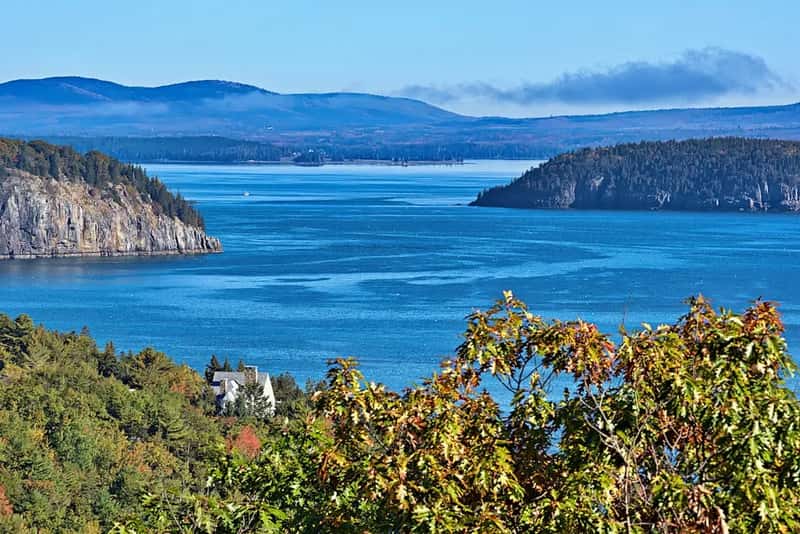
Acadia’s 49,075 acres on Mount Desert Island hosted 3,961,661 visitors in 2024. For context, that’s nearly four million people on a relatively small island in coastal Maine. The math alone should make you nervous before planning a summer trip.
August is the worst month. The park implemented a timed-entry reservation system for Cadillac Summit Road starting in 2021, which has helped somewhat, but parking lots on the Park Loop Road still fill by 9 a.m. in July and August. Arriving at nine in the morning and already finding yourself locked out of a parking spot is a very specific kind of frustration that Acadia visitors know all too well.
Acadia now draws over four million visits a year, a roughly 60 percent surge over ten years, causing severe congestion at popular spots. The park’s compact geography and insane scenery are a double-edged sword. Everything is gorgeous, accessible, and absolutely packed with people who figured out the same thing you did.
8. Glacier National Park, Montana
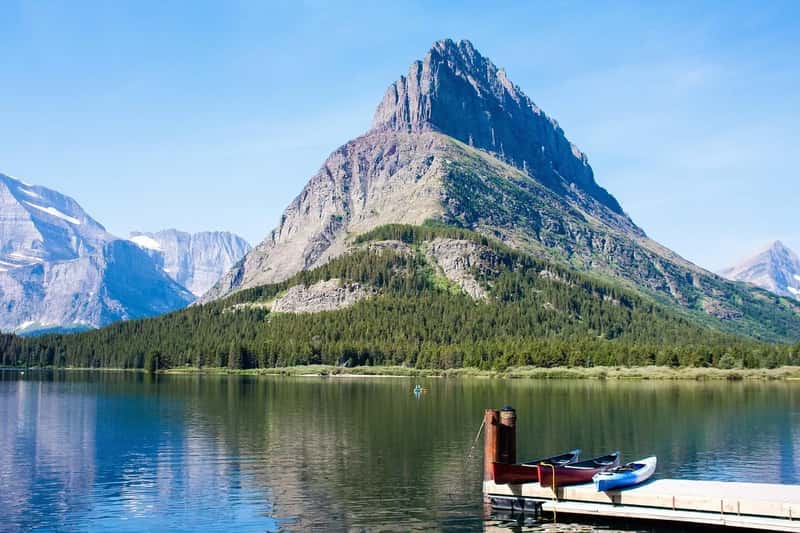
Just over three million visitors came to Glacier Park in 2024, a 9.5 percent jump from 2023 and the fourth time in a decade it welcomed three times as many people as inhabit all of Montana year-round. For a park famous for remote mountain wilderness, those numbers land hard.
The dramatic mountain peaks of Glacier National Park draw in millions of people per year. Because of all the snow this area receives, the main visiting season is short, so those millions of people are all primarily visiting during just two months of the year. Come with a plan, or be prepared to circle parking lots for a very long time.
Access to some areas may be closed as parking lots fill up daily, especially between 10 a.m. and 2 p.m. Construction at Many Glacier’s Swiftcurrent area will also significantly reduce parking in that valley. Glacier is one of those parks where the scenery feels genuinely otherworldly. Unfortunately, getting a piece of it requires the planning skills of a logistics professional.
9. Bryce Canyon National Park, Utah
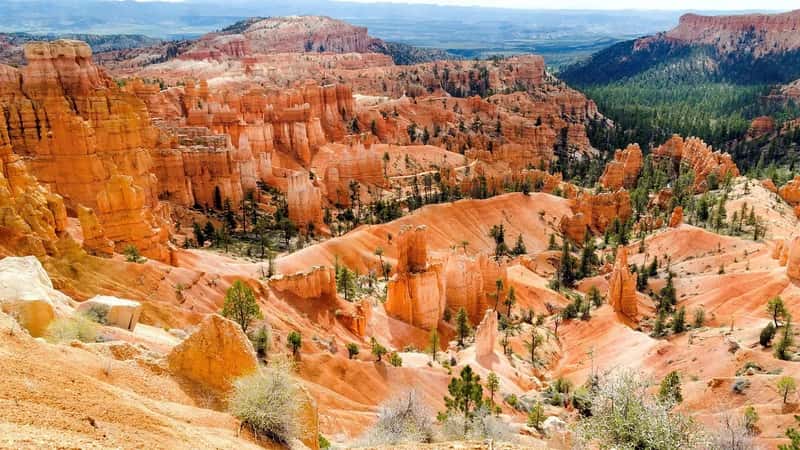
At 35,835 acres, Bryce is the second-smallest park in Utah’s “Mighty Five.” It drew nearly 2.5 million visitors in 2024. Peak visitation shifted from summer to September. The park draws most visitors to Sunrise, Sunset, and Inspiration Points. Those three viewpoints, packed shoulder to shoulder with tourists, tell you everything you need to know about how intense the pressure has become.
The density numbers here are striking. Bryce Canyon recorded 10.2 visitors per acre in its peak month of September, making it one of the most densely visited parks in the entire system relative to its size. Imagine a park about the size of a modest county trying to absorb nearly the same traffic as a major metropolitan attraction.
The hoodoos and amphitheaters are genuinely unlike anything else on Earth. I get why everyone wants to see them. Still, the sheer concentration of people at the rim viewpoints during peak season transforms what should be a meditative experience into something that feels closer to a crowded observation deck. The park operates a shuttle system to help manage vehicle congestion, but the foot traffic at the main overlooks remains relentless.
10. Indiana Dunes National Park, Indiana
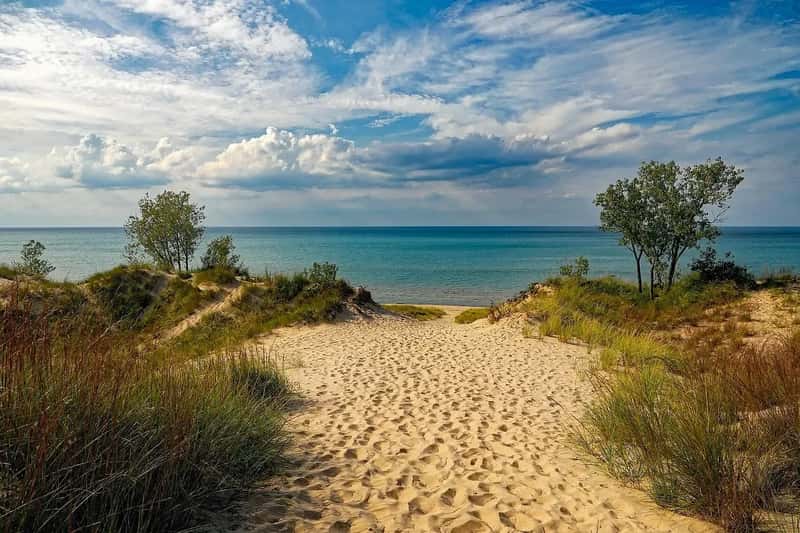
This one surprises a lot of people, and honestly, it surprised me too. The newest entry in the national park system, redesignated from a national lakeshore in 2019, has grown from 1,756,079 visitors in 2019 to 2,705,209 in 2024, a 54 percent increase. At just 16,000 acres along Lake Michigan’s southern shore, it’s the fastest-accelerating overcrowding story in the system.
Indiana Dunes at plus 54 percent is the most operationally significant surge in the national park system. The “national park” designation, combined with proximity to Chicago, has reshaped this park’s visitor profile entirely. A name change created an entirely new demand pattern, almost overnight.
Indiana Dunes is the clearest warning signal in the system. A park that was relatively quiet as a “national lakeshore” saw its attendance double within five years of redesignation. The NPS didn’t double its budget or staff. The 15 miles of Lake Michigan shoreline now absorb a visitor load comparable to Yosemite’s, on a fraction of the acreage. This is what happens when infrastructure and visitor demand grow at completely different speeds. The park is beautiful, accessible, and unprepared for what it has become.
The Bigger Picture: A System Under Pressure
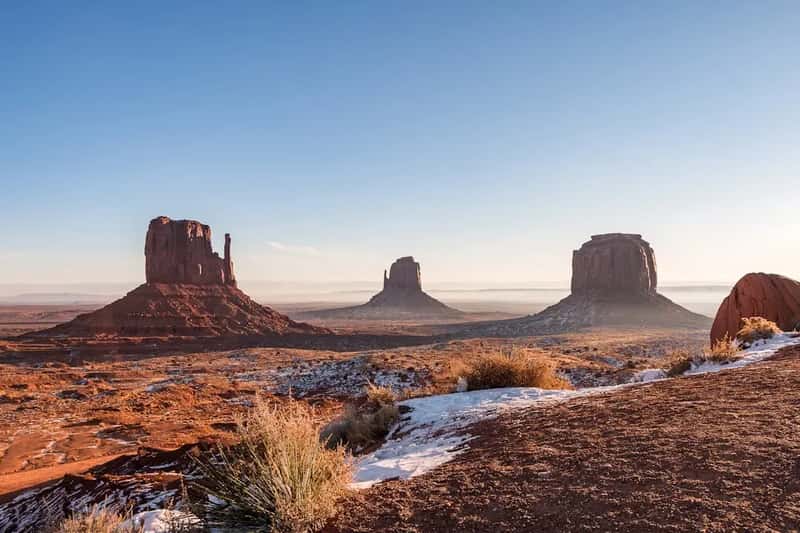
Ensuring visitors have enjoyable experiences is becoming increasingly challenging in the most popular parks. There are more than 400 park units in the National Park System encompassing over 85 million acres, but visitation trends among the individual parks greatly vary enormously. The irony is profound. The parks most worthy of protection are the ones being loved the hardest.
For the last ten years, visitation in the national parks has steadily been growing. Contrary to popular thought, this is not due to COVID. The national parks were a travel hotspot even before 2020. Social media, bucket-list culture, and remote work flexibility have sent millions of people to the same handful of iconic landscapes simultaneously.
Many travelers visit during the peak summer tourism season, with June and July being the most popular months, but 55 percent of parks still recorded above-average visitation numbers during the slower periods as well. Travelers spread out geographically too, with 28 parks setting new visitation records in 2024. The crowding problem is no longer just a summer issue. It has become year-round. The national parks belong to everyone, which is exactly what makes protecting them for future generations so difficult. What would you do differently to fix it?