America is full of charming small towns with friendly faces and picturesque Main Streets. But not every dot on the map deserves a postcard. Some places have locals who’ll tell you straight up: don’t bother stopping here. Maybe it’s economic decline that’s left the town feeling hollow. Perhaps safety concerns have residents looking over their shoulders. Or it could just be that there’s absolutely nothing to do except watch tumbleweeds roll by.
These aren’t just random picks based on statistics alone. These are towns where actual residents have spoken up, admitting their hometowns might not be worth your travel time. Let’s be real, it takes something special for people to openly discourage visitors from coming to where they live. So what makes these ten towns earn such a dubious reputation? Let’s dive in.
Gary, Indiana
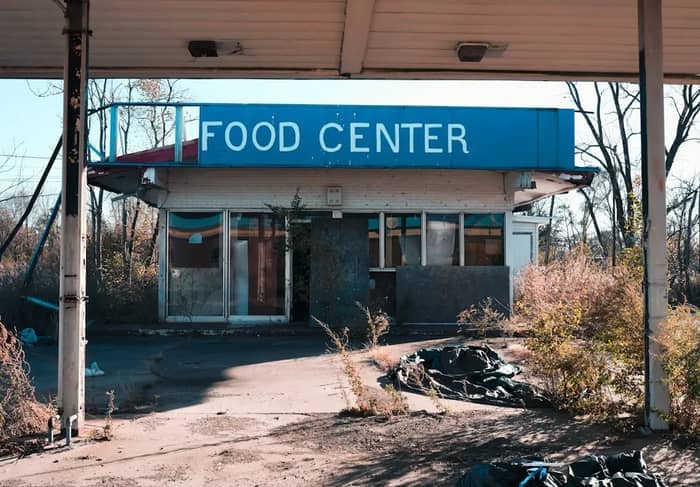
Once a booming steel town, Gary has become synonymous with urban decay. The population has plummeted from over 170,000 in the 1960s to fewer than 70,000 today. Abandoned buildings dominate entire neighborhoods, creating an eerie ghost town atmosphere that unnerves even longtime residents.
Crime rates remain stubbornly high, with violent crime occurring at rates well above the national average. Many residents advise against stopping for gas after dark. The economic opportunities that once drew workers from across the country have largely evaporated, leaving behind struggling communities and limited prospects.
Even locals admit there’s little reason to visit unless you have family ties. The lakefront could be beautiful, but it’s largely undeveloped and inaccessible. What was once America’s promise of industrial prosperity now serves as a cautionary tale of what happens when a single industry collapses.
Cairo, Illinois
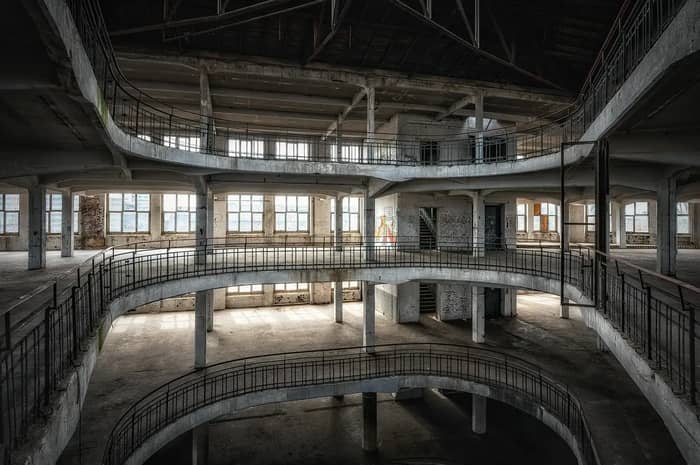
Sitting at the confluence of the Mississippi and Ohio Rivers, Cairo should be thriving. Instead, it’s dying. The population has dropped by more than 80 percent since its peak, leaving behind a skeleton of its former self. Buildings crumble on nearly every block, and basic services have become increasingly scarce.
Racial tensions have plagued this town for decades, creating deep divisions that never fully healed. Many residents describe a palpable sense of hopelessness that permeates daily life. The few remaining businesses struggle to stay afloat as younger generations flee for opportunities elsewhere.
Locals often joke darkly that the most exciting thing to do in Cairo is leave it. The historic downtown sits largely abandoned. Even the town’s strategic river location couldn’t save it from becoming one of the most depressed places in the Midwest.
Warm Springs, Montana

This tiny town gained notoriety for housing Montana State Hospital, a psychiatric facility with a disturbing history. The hospital dominated the local economy for over a century, but its presence cast a long shadow over the community. Many residents grew up hearing unsettling stories about the institution and its patients.
The town itself offers virtually nothing for visitors or residents. There’s barely any commercial activity, and the isolation can feel suffocating. Winters are brutal, and the sense of being cut off from the rest of civilization weighs heavily on those who live here.
Residents frequently describe feeling trapped by circumstances rather than choosing to stay. The hospital closed its doors in 2022, leaving the town’s future even more uncertain. What little identity Warm Springs had was tied to that institution, and now there’s almost nothing left to anchor the community.
Centralia, Pennsylvania

An underground coal fire has been burning beneath Centralia since 1962. The fire shows no signs of stopping and could burn for another 250 years. Steam and toxic gases occasionally seep through cracks in the ground, creating an apocalyptic landscape that seems ripped from a horror film.
The government evacuated most residents decades ago through eminent domain. Only a handful of stubborn holdouts remain, living among abandoned streets and crumbling foundations. The famous graffiti highway, once a tourist attraction, was recently covered with dirt to discourage visitors from trespassing.
Even the few remaining residents acknowledge the town is effectively dead. The air quality concerns, unstable ground, and complete lack of services make it genuinely dangerous. Yet some folks refuse to leave the only home they’ve ever known, despite officials repeatedly warning them about the risks.
Villas, New Jersey

Nestled between Cape May and Wildwood, Villas somehow manages to miss all the charm of its neighbors. It’s primarily known for high crime rates that shock visitors expecting typical Jersey Shore vibes. Residents often complain about feeling unsafe in their own neighborhoods, especially after sunset.
The town lacks the tourist infrastructure of nearby communities, offering little in terms of entertainment or dining. What economic activity exists tends to be transient, tied to seasonal shore traffic that mostly bypasses Villas entirely. Many buildings show signs of neglect, and there’s a general sense of municipal abandonment.
Locals frequently warn newcomers to look elsewhere for Shore living. The property values reflect this sentiment, remaining depressed compared to surrounding areas. It’s hard to say for sure, but many believe the town peaked decades ago and has been sliding backward ever since.
Niagara Falls, New York
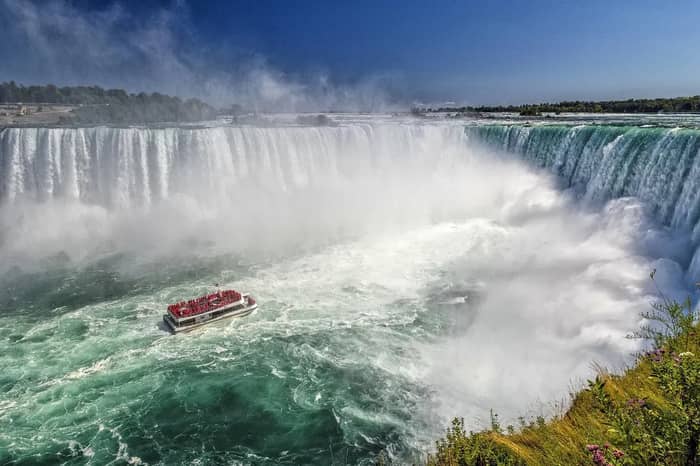
Yes, the falls themselves are magnificent. But the city that shares its name is another story entirely. Once you step away from the immediate tourist bubble, you’ll find widespread poverty and urban blight. The contrast between the natural wonder and the struggling city couldn’t be starker.
Residents often describe feeling like their town exists solely to extract money from tourists before shuttling them back to Canada. The crime rates are concerning, and many neighborhoods feel unsafe. Economic opportunities remain limited despite the millions of visitors who pass through annually.
Even people who live there admit the city feels exploitative and rundown. The tourist areas are maintained, but venture a few blocks in any direction, and you’ll see the real Niagara Falls. It’s a city that seems to have given up on itself, content to coast on its world-famous neighbor while offering little else of substance.
Texarkana, Arkansas

Split awkwardly between Arkansas and Texas, Texarkana struggles with an identity crisis that affects everything from governance to community cohesion. The dual-state situation creates bureaucratic nightmares and prevents coordinated development efforts. Residents often feel caught between two states that don’t fully claim them.
Crime rates have crept upward in recent years, making locals increasingly nervous. The town lacks the economic vitality of other regional centers, with limited job prospects pushing educated young people elsewhere. What remains feels stagnant and stuck in time.
Many residents openly question why anyone would choose to visit or relocate here. The novelty of standing in two states simultaneously wears thin quickly. Beyond that photo opportunity, there’s precious little to hold anyone’s interest for long.
Lake Havasu City, Arizona
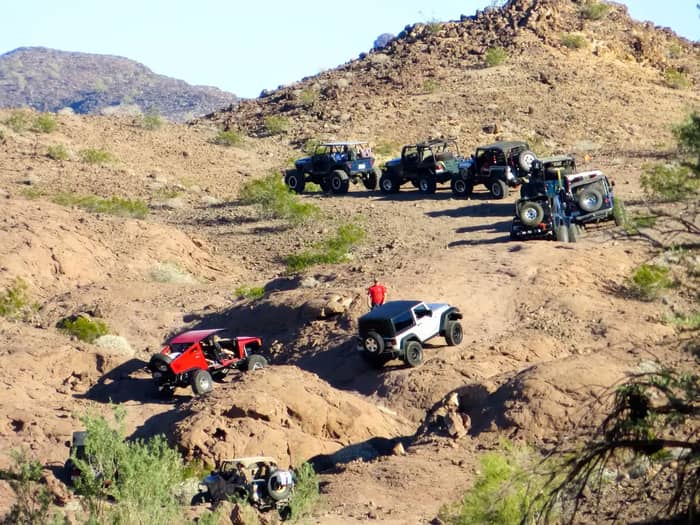
Famous for the relocated London Bridge, Lake Havasu City attracts spring breakers and tourists seeking desert heat. But residents paint a different picture of daily life here. The town transforms into a party zone during peak season, making it nearly unbearable for those trying to live normal lives.
Temperatures regularly exceed 120 degrees in summer, turning the town into a literal oven. The healthcare facilities are limited, and cultural amenities are virtually nonexistent. The economy revolves almost entirely around tourism, creating boom-bust cycles that leave residents struggling.
Locals often describe feeling like prisoners in their own town during busy seasons. The transient nature of the population prevents community bonds from forming. Many residents count down the days until they can afford to leave this desert outpost behind.
Brownsville, Texas

Sitting at the southernmost tip of Texas, Brownsville grapples with poverty rates that consistently rank among the nation’s highest. More than one in four residents lives below the poverty line, creating visible signs of economic struggle throughout the city. The border location brings its own set of challenges and tensions.
Educational outcomes lag behind state averages, and the job market offers limited opportunities for advancement. Many residents feel trapped by circumstances, unable to relocate despite wanting better prospects. The infrastructure shows its age, with roads and public facilities in varying states of disrepair.
Even locals acknowledge that Brownsville requires a certain mindset to tolerate. The heat, poverty, and limited options wear people down over time. The sense of being forgotten at the edge of the country permeates conversations with longtime residents.
Camden, New Jersey

Camden’s reputation precedes it, and unfortunately, most of what you’ve heard is true. This former industrial powerhouse has experienced decades of decline, leaving behind concentrated poverty and persistent crime. The city has consistently ranked among America’s most dangerous, with violence rates that shock even seasoned residents.
Abandoned buildings outnumber occupied ones in many neighborhoods. The tax base has eroded to the point where basic city services struggle to function properly. Despite various revitalization attempts and government interventions, progress remains frustratingly slow and limited to small pockets.
Residents often describe living in Camden as a daily challenge requiring constant vigilance. The few bright spots, like the waterfront development, feel disconnected from the rest of the city’s reality. Most people who grew up here dream of the day they can finally leave and never look back.
These ten towns represent America’s forgotten corners, places where hope has grown thin, and residents themselves admit there’s not much worth seeing. Economic collapse, persistent crime, environmental disasters, or simple geographic misfortune have left these communities shadows of what they once were or could have been. While every town has its defenders and loyal residents who refuse to give up, these places face challenges so significant that even locals often advise outsiders to keep driving. Sometimes the most honest travel advice comes from those who know a place best, and when residents themselves suggest avoiding their hometown, that’s worth taking seriously. What surprised you most about these struggling American towns?