
The idea of living abroad on a modest budget used to feel like a dream reserved for retirees with generous pensions or backpackers willing to rough it out. That picture has changed significantly. In 2026, many countries either have English as their official language or boast a population with very high English proficiency, making them ideal for English-speaking expatriates. That combination of accessibility and affordability has opened the door to a much wider range of people, from remote workers and young professionals to families quietly reassessing their cost of living.
Asian countries dominated the affordability rankings for expats, with five out of the top 10 most affordable destinations being from Southeast Asia: Vietnam, Thailand, Indonesia, the Philippines, and Malaysia. Europe also offers compelling choices, particularly in the south and east. The eleven countries below all clear a practical threshold: a single person can live comfortably, not just survive, for under $1,500 a month, and English is spoken widely enough to navigate daily life without a language barrier holding you back.
1. Vietnam

For the fifth consecutive year, Vietnam was ranked the most affordable country in the world for expats, coming in first out of 46 destinations when it comes to personal finances, according to the 2025 Expat Insider study by InterNations. You can choose Hanoi for history and tradition, Ho Chi Minh City for a fast-paced, startup-driven scene, or Da Nang for laid-back beach living popular with expats and backpackers alike. English is widely taught in schools and used in business and tourism hubs throughout the country.
Housing costs in cities like Ho Chi Minh City and Hanoi average between $250 and $400 per month, while street food is cheap and abundant, costing less than $2 per meal. In Vietnam, roughly nine in ten expat survey respondents were pleased with the general cost of living, and nearly nine in ten said their disposable household income was about or more than enough to lead a comfortable life. That level of financial satisfaction is rare anywhere in the world.
2. Malaysia
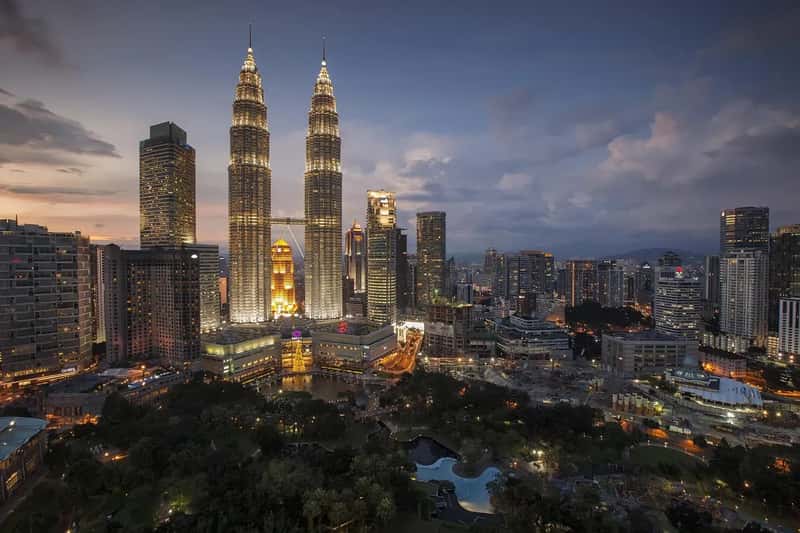
Malaysia is one of the cheapest places to live in the world, offering expats a comfortable life full of modern amenities available at low costs, with English widely spoken especially in urban areas and among younger generations. The country is particularly well suited for families and retirees who want modern, first-world infrastructure, especially in Kuala Lumpur and Penang, combined with a low cost of living, and the “Malaysia My Second Home” program is attractive for long-term residents.
Kuala Lumpur offers affordable rentals in the range of $400 to $700 per month and low transportation costs, making it an attractive base. Malaysia’s private clinics charge around $10 to $30 per consultation, with expat insurance plans starting at $50 monthly. The infrastructure here is genuinely modern, which matters when you’re planning to stay long term rather than just pass through.
3. Portugal

The EF English Proficiency Index ranks Portugal sixth most English-proficient among 116 countries, proving that English is a widely spoken language in the country, especially in urban areas like Lisbon and Porto. Expats mostly prefer Portugal for its low cost of living and high quality of life, where there is a strong balance between work and personal life. It’s a country that manages to feel both cosmopolitan and relaxed at the same time.
A single person’s average monthly expenses are around $1,200, including rent in smaller cities like Braga. In Lisbon, rents are higher at €500 to €700 for a shared flat, while smaller towns come in at €350 to €450, with total monthly costs usually around €1,200 to €1,400. Retirees can apply for the D7 Visa with a minimum income requirement of €870 per month.
4. Thailand

Thailand is a popular destination for retirees and digital nomads due to its low cost of living, warm climate, and well-established expat communities. Local people are generally friendly, and many of them enjoy speaking and practicing English. Tourism has made English a practical everyday language in cities like Bangkok, Chiang Mai, Phuket, and Pattaya, where expat communities are well established.
Cities like Chiang Mai and Bangkok offer vibrant lifestyles with average monthly living costs of around $800. In Hua Hin, studio apartments in well-equipped complexes can be rented for under $400 a month, one-bedroom furnished apartments for around $550, and two-bedroom villas for about $700. Thailand is renowned for medical tourism and boasts world-class hospitals, with basic health insurance plans available for around $60 to $80 monthly.
5. The Philippines

The Philippines stands out as one of the most affordable English-speaking countries to live in, making it increasingly appealing for budget-minded expats, remote workers, and retirees, and as a former US territory, English is widely spoken in everyday life. The Philippines has high English proficiency, making it an ideal destination for English speakers, and the cost of living is very low.
The Philippines comes in at around $900 per month for a comfortable lifestyle, placing it firmly among the most affordable options in Southeast Asia. Many long-stay foreigners base themselves around hubs like Cebu, Dumaguete, or parts of Metro Manila, depending on whether they prioritize beaches, community, or big-city access, and $1,500 can stretch further when you live slightly outside the most in-demand zones. The warm welcome extended to English-speaking foreigners here is genuine, and the social scene is easy to enter.
6. Colombia
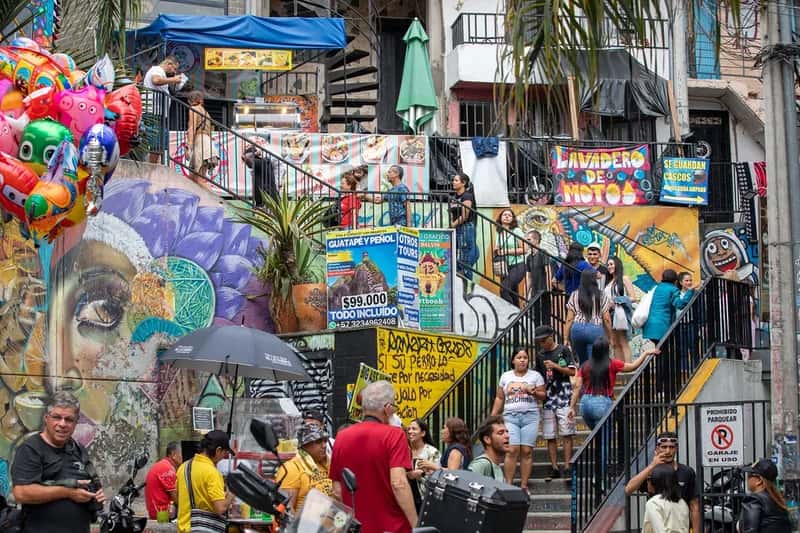
Colombia offers a vibrant culture and a relatively low cost of living, with cities like Medellín popular among expats and digital nomads, and English spoken in many business and tourist circles, making it accessible for foreigners. The vast majority of expat survey respondents in Colombia said their disposable income was enough to live comfortably, and no expat in the country flagged cost of living as a major concern before moving.
Colombia has seen its monthly estimated costs rise to around $1,000, partly due to peso strength and a significant minimum wage increase. Even so, that figure leaves substantial room within a $1,500 budget. Medellín in particular has built a reputation as one of the most forward-thinking cities in Latin America, with strong infrastructure, a mild year-round climate, and a growing international community that runs entirely on English in many professional settings.
7. Greece

Greece offers affordable housing, Mediterranean living, and healthcare options at a fraction of the cost compared to Western Europe. The cost of living is especially low in rural areas and on the islands, and Athens and Thessaloniki serve as major urban centers with international schools. English proficiency is notably high among Greeks under forty, and in tourist-heavy areas and larger cities, you can navigate almost everything in English.
Living costs in Greece vary depending on whether you are in Athens or on an island, with rent for a shared flat in Athens around €400 to €600, and eating out being affordable with fresh food and traditional taverna meals often under €12. Expats working in hospitality and customer service can usually cover their expenses with €1,000 to €1,300 a month. For those who want a European base without the European price tag, Greece remains one of the more compelling arguments.
8. Mexico
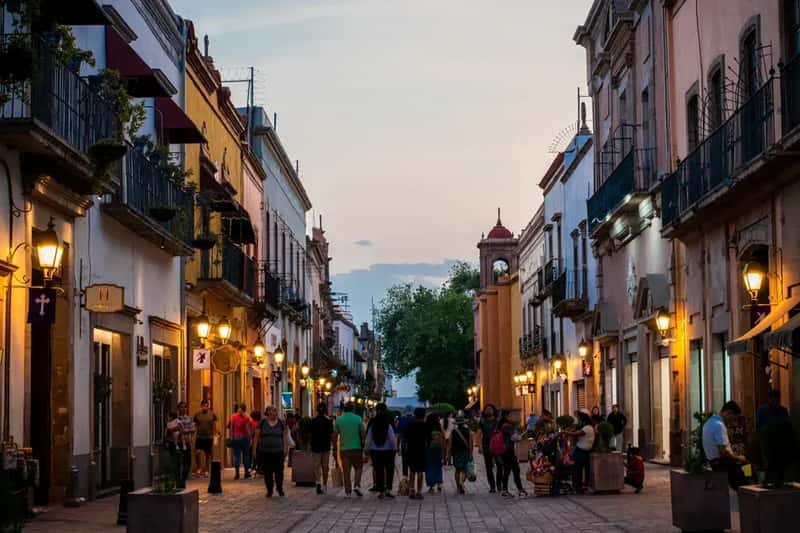
Mexico is a popular choice for expats due to its proximity to the United States, warm climate, and lower cost of living, with English widely spoken in tourist areas and expat communities. Mexico ranks among the most affordable places to live in the world, placing second in the Expat City Ranking 2024 at the Best Countries for Living Abroad.
While a one-bedroom apartment in Madrid or Barcelona ranges upward of $1,000, affordable expat-friendly Mexican cities such as Valencia, Alicante, Sevilla, and Granada offer rent from $700 to $900 per month. Cities like Oaxaca, Mérida, and Puerto Vallarta have emerged as major expat hubs, each offering a different pace and personality. Mexico received one of the lowest expat expenditure scores among all countries analyzed, with a one-way public transport ticket averaging just 46 pence, and a meal for two at a mid-range restaurant coming in around £30.
9. Cyprus
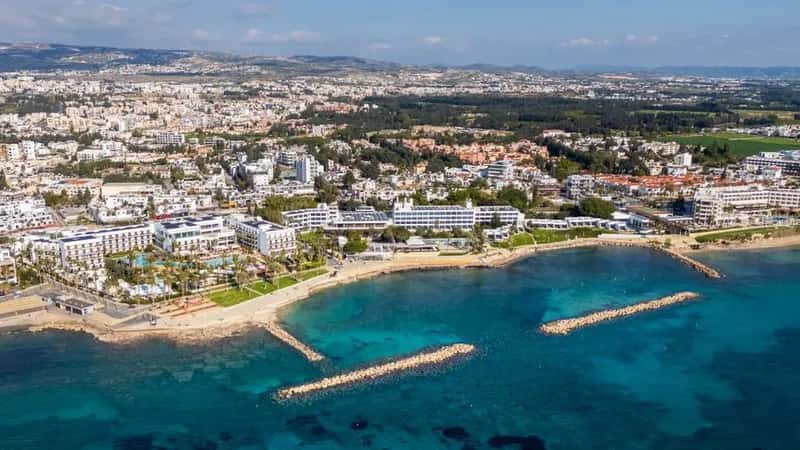
One of the first things people notice about Cyprus is that English is widely spoken everywhere, from cities like Larnaca and Paphos to smaller towns and villages, with its colonial history meaning that even older generations often understand some English, and for younger people it’s practically a second language, so there is no real language barrier for expats.
Living costs in Cyprus are surprisingly affordable away from the more upscale areas of Limassol, with a cozy one-bedroom apartment in Paphos or Larnaca available for €400 to €500 per month, and a two-bedroom for around €600. Cyprus is also recognized as one of the best English-speaking countries to live in for 2026, offering strong English access, high safety scores, and clear residency pathways. The Mediterranean climate and EU membership make it a particularly practical choice for long-term relocation.
10. Belize
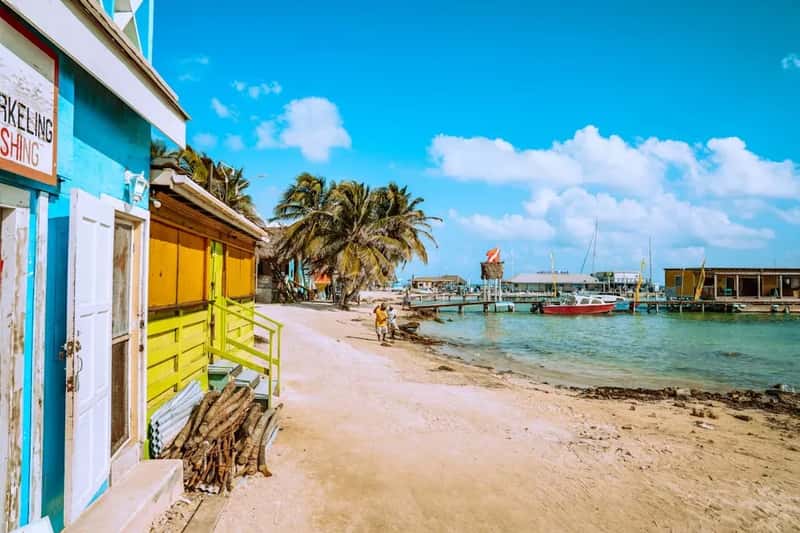
Belize stands out in the Caribbean as an English-speaking country offering the Qualified Retired Persons Program. It’s the only country in Central America where English is the official language, which removes the most common friction point for expats right from the start. The landscape is striking, with jungle, Caribbean coastline, and ancient Mayan ruins all within reach of most towns.
Expat budgets in Belize generally range from around $1,200 to $1,500 per month for a comfortable lifestyle outside of tourist-heavy zones like San Pedro on Ambergris Caye. The Caribbean is home to several native English-speaking countries that offer a tropical lifestyle at a lower cost than many Western nations. Belize is a slower-paced option compared to Latin American capitals, which is exactly what draws many of its long-term expat residents in the first place.
11. Hungary

Hungary is one of the most affordable European countries with a high quality of life, with Budapest being a popular expat destination, and the country offers a “White Card” for digital nomads and a “Guest Investor Visa” for those looking to invest in property. Hungary demonstrates strong English capabilities, with English proficiency scores placing it competitively among Eastern European nations.
The cost of living in Hungary is roughly forty-three percent lower than in the UK and about forty-seven percent lower than in the US, and the country is situated in central Europe, offering easy access to both European and Asian destinations. Hungary also has a universal healthcare system that is free for many citizens, and private healthcare is much less expensive than in most other European countries. Budapest in particular offers a quality of life that feels decidedly European, with beautiful architecture, rich café culture, and a growing international tech scene that runs largely in English.
What ties these eleven countries together isn’t just a shared price point. It’s a practical reality: you can arrive, communicate, work, socialize, and build a life without the constant friction of a language barrier. Whether you’re drawn to the beach towns of Southeast Asia, the cafés of Southern Europe, or the jungle-fringed coast of Central America, the common thread is that your budget will go further here than it ever would at home. The only real question is which trade-offs suit your life best.