
Sit down at a restaurant in São Paulo and you’ll likely struggle to finish what lands on your plate. Cross the Atlantic to Paris and you might find yourself still hungry after what counts as a full meal there. Portion size is one of those travel surprises that nobody warns you about adequately. It’s not just about cuisine or taste – it’s a deeply cultural habit, shaped by economics, history, and social norms around eating.
What’s fascinating is that the gap between the world’s biggest and smallest eaters isn’t always where you’d expect it. Studies have found that Americans and Australians eat the largest portions, while portions in Asia and Europe tend to be less bulky. Yet Brazil, Germany, and a few other places quietly rival the United States in sheer plate volume. The contrast is striking, and it tells you something real about how culture shapes appetite.
1. United States – The Gold Standard of Oversized Eating

The average restaurant entrée in the U.S. is more than double the portion size recommended by nutritionists. From bottomless fries to enormous sodas, the culture leans toward value equaling volume. This philosophy has become so ingrained that Americans often judge a restaurant’s worth by how full they leave.
The average fast food restaurant meal is four times larger than it was in the 1950s. Even at home, portions have crept upward, with larger plates and serving bowls making oversized meals seem entirely normal. It’s a slow creep that has redefined what “enough” means for an entire nation.
2. Brazil – Even Bigger Than the U.S. in Some Categories

For soda, the mean portion size is significantly larger in Brazil than in both France and the USA. For ice cream, too, Brazil comes out ahead – significantly larger portions than the USA, which in turn is larger than France. When it comes to some foods, Brazil actually overtakes its American counterpart in sheer quantity served.
Combining portion sizes across categories, and using France as the baseline, Brazilian sizes run about twenty-one percent larger, while American sizes run about thirteen percent larger. That gap is more than a rounding error. In Brazilian restaurants, generous portions are a point of pride and a mark of hospitality.
3. Germany – Schnitzel Proportions That Put Others to Shame

One glance at a German schnitzel compared to the same dish served elsewhere makes the difference obvious. While the notion of thin, tenderized, breaded and fried meat is not exclusive to Germany or Austria, the recipe was popularized in the region, and the German version simply dwarfs those from other countries. It’s not unusual for a single German schnitzel to hang off the edge of the plate.
The German schnitzel is also typically the only version not served with vegetables, which goes against Germany’s own recommended daily serving of 400 grams of produce. Germans also consume notably larger portions of stews, lasagne, and pizza compared to their neighbors. Hearty eating is simply embedded in the country’s dining culture.
4. Australia – Generous Plates Down Under

Research consistently places Americans and Australians at the top of the global portion-size rankings. Australian pub meals and café brunches are well known among travelers for their sheer abundance – a full breakfast in Sydney tends to come stacked rather than just plated. The cultural norm leans toward leaving the table satisfied rather than merely not hungry.
In fast food comparisons, Australia comes in as one of the larger markets globally, typically landing well above Asian and European counterparts in standard serving weights. The country’s food culture blends British generosity with American-influenced supersizing, and the result is a dining experience that surprises first-time visitors.
5. Argentina – Meat-Centric Abundance

Argentina’s relationship with beef is the stuff of culinary legend. A classic asado – the traditional Argentine barbecue – involves multiple cuts of meat served in generous waves, often enough to feed a small crowd from a single grill session. Portions at steakhouses in Buenos Aires regularly exceed what most European diners would consider a full meal for two.
Regional differences in portion size consumption are well documented globally, and Latin American countries including Argentina consistently rank among those where large portions function as a cultural symbol. The idea of serving less as a sign of quality rather than stinginess has simply not taken root the way it has in parts of Europe. There’s genuine pride in abundance.
6. Mexico – Family-Style and Heaping
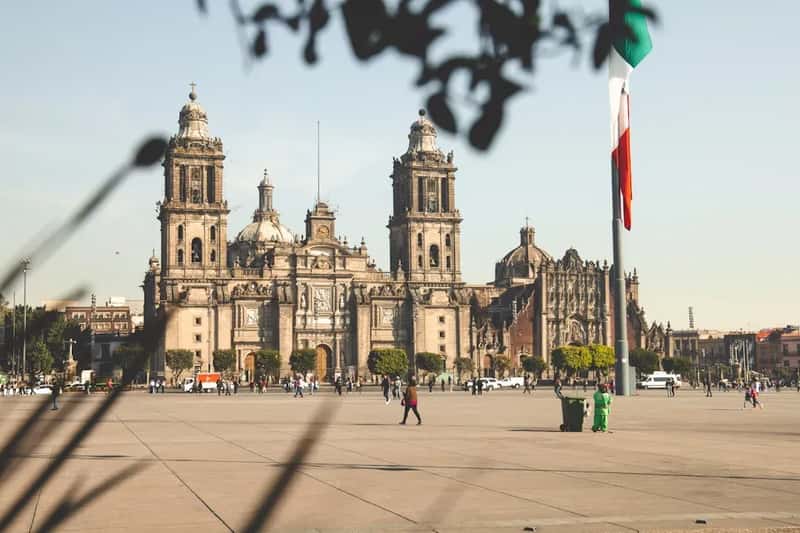
In Mexico, food is often shared family-style, which can encourage larger total servings across the table. A typical spread of tacos, rice, beans, and sides adds up quickly, even if individual items stay relatively modest. The cumulative volume of a full traditional Mexican meal is not small by any stretch.
It’s worth noting the distinction between traditional Mexican cooking and what gets labeled “Mexican food” abroad. Dishes typically include lean proteins, legumes, fresh vegetables, and corn-based tortillas, but tacos in their original form are often much smaller than their Americanized versions. Still, when eaten as a full spread with multiple courses and shared dishes, total food volume per person climbs considerably.
7. Canada – American Neighbor, American Portions

Canada shares more than just a border with the United States when it comes to food culture. Restaurant portions across Canadian cities trend large, with generous starter baskets of bread, entrees that dwarf European equivalents, and desserts that could reasonably be split two ways. Chain restaurant culture has deeply embedded itself in everyday Canadian dining.
On average, Western countries eat more calories daily, with Belgium, the United States, and Ireland taking the lead – and Canada slots comfortably into that Western bloc in terms of overall dietary intake. The concept of a modest plate at a sit-down restaurant is not particularly common outside of specific fine-dining contexts in major cities.
8. Belgium – Calorie Leader of Continental Europe

Austria had the highest average dietary consumption per capita according to FAO data, with the US close behind, reflecting just how high European calorie averages can run in certain countries. Belgium, meanwhile, sits among the top calorie consumers in Western Europe. It’s famous for decadent cheeses, mussels, waffles, and chocolate, and frites – the beloved Belgian fries – are served in generous paper cones that function more as a full snack than a side.
Belgian restaurants tend toward hearty, filling cooking where portions reflect the country’s love of comfort food done properly. A bowl of moules-frites is not a light dish, and nobody expects it to be. The cultural expectation is that leaving the table genuinely full is the whole point of going out to eat.
9. Poland – Eastern European Generosity
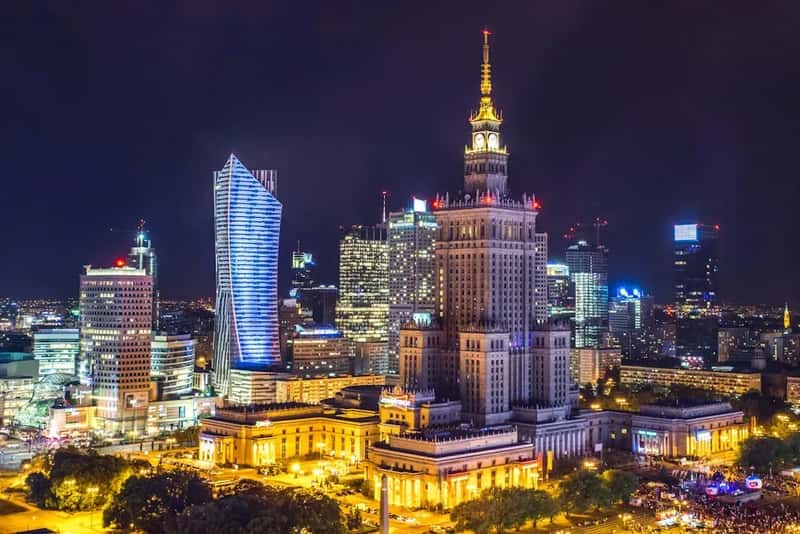
Polish cuisine is built on the logic of sustaining people through long winters and physical labor, and that philosophy shows up plainly on the plate. Bigos, pierogies, roasted pork knuckle, and stuffed cabbage rolls are all rich, calorie-dense dishes that tend to arrive in very generous quantities. A traditional Polish lunch can be a genuinely daunting sight for the uninitiated.
Restaurant portions across Poland, particularly outside the major tourist areas of Warsaw and Kraków, remain notably large and competitively priced. The value-for-money ethos that partly drives American oversizing appears in Poland in its own form: big plates signal value, respect for the guest, and cooking confidence. Leaving food on your plate can feel almost awkward in some settings.
10. South Korea – Banchan Adds Up Fast

South Korea might seem like an unlikely entry on the “enormous portions” side of this list, given how tightly calibrated Korean food culture appears. The key is in the banchan – the array of small side dishes that accompany every Korean meal. While each individual bowl is small, the sheer number of them means total food volume per sitting is genuinely substantial.
Korean BBQ restaurants in particular are known for an almost relentless stream of food: grilled meats, rice, egg dishes, soups, and multiple rounds of sides. A global survey of food consumers across 24 countries found notable regional differences in portion size behavior, and South Korea sits in an interesting middle ground where individual servings appear modest but overall meal volume is high. It’s a different kind of abundance – distributed rather than stacked.
11. Russia – Soup Before Soup, Then the Main Course

Russian meal structure traditionally involves multiple courses: a starter, then a soup course, then a main, often followed by tea and something sweet. Even in everyday home cooking, the expectation is that a meal be comprehensive and filling. Russian soups like shchi or solyanka arrive in large deep bowls, and the main course that follows is not a small one.
In Soviet-era canteen culture, feeding people thoroughly was a practical and ideological concern, and those habits never fully disappeared from the national palate. Portions at traditional Russian restaurants tend toward the substantial, and the idea of a light lunch being a complete meal is not widely embraced outside of modern urban cafés targeting younger crowds.
1. France – Small Plates, Maximum Satisfaction

France is famous for rich, flavorful food, yet the average French person remains relatively slim. One reason is that while the French enjoy indulgent foods, they do so in moderation. Meals are structured, social, and often smaller than their American counterparts. The French model is not deprivation – it’s precision.
Portions in France are not only physically smaller, but they’re consumed more slowly, often across multiple courses. Snacking is less common, and eating on the go is rare. Research confirms that both personal and estimated portion sizes are smallest in France, and French estimates of country-level portions align closely with personal habits – reflecting stronger cultural norms around appropriate eating behavior.
2. Japan – Intentional Smallness

In Japan, meals tend to be smaller but highly intentional. Traditional Japanese cuisine is built around multiple small dishes, each offering a different texture, flavor, or nutritional value. There’s a strong cultural focus on balance, variety, and presentation. A typical meal might include grilled fish, miso soup, rice, pickled vegetables, and green tea, each served in modest portions.
Portion control in Japan isn’t viewed as a restrictive practice but as part of a mindful lifestyle. Eating slowly, savoring flavors, and stopping before feeling overly full are standard habits that promote better digestion and satiety. In Japan, the term “American size” is used specifically to refer to how much bigger things are in the U.S. – which says something plain and telling about how the Japanese view their own eating norms.
3. India – The Thali Model of Modest Abundance

Indian cuisine varies widely by region, but a traditional Indian thali offers a masterclass in portion control. A typical thali might include rice, chapatis, lentils, vegetables, yogurt, pickles, and a small dessert – each item served in modest amounts and designed to complement the others, creating a complete, satisfying meal without overloading on any one thing.
Spices play a big role in Indian cooking, adding flavor and satisfaction without extra fat or sugar. Meals are typically eaten seated, with attention and care, reinforcing a mindful relationship with food. The diversity across India’s regions means portions vary, but the structural logic of the thali keeps individual servings deliberately measured.
4. China – Sharing Culture, Calibrated Portions

Traditional Chinese dining revolves around shared dishes placed in the center of the table, with each person taking small amounts rather than receiving a single large individual plate. The etiquette is to take small portions from communal plates and allow everyone to enjoy the variety, which naturally limits individual consumption in a way that Western plating styles simply don’t.
Like the traditional Mediterranean diet, the traditional Asian diet is built on a base of healthy whole grains, leafy green vegetables, soybeans, small amounts of fish and meat, and bountiful spices and herbs. Urban fast food culture has nudged portions upward in Chinese cities, but traditional home cooking remains calibrated and restrained in its quantities.
5. Spain – Tapas Over Tonnage

Spain’s famous tapas culture is built entirely around the idea that small is satisfying. A proper tapas crawl involves many tiny plates across several bars – each portion deliberately petite, designed to be enjoyed quickly before moving on. The total quantity consumed over an evening might not be small, but no single dish overwhelms.
The Mediterranean diet, significantly followed by the Spanish population, reflects cultural differences in how food is approached and valued. Formal sit-down meals in Spain also tend to pace themselves across time rather than volume, with each course modest by Northern European or American standards. The philosophy is more about duration than density.
6. Vietnam – Light, Fresh, and Precisely Portioned

Vietnamese cuisine is structurally light. A bowl of pho, while satisfying, is built on broth with modest quantities of noodles and meat. Bánh mì sandwiches are small by Western standards. Fresh spring rolls are more herbs and vegetables than anything else. The cooking tradition prioritizes freshness, balance, and clean flavors over sheer volume.
Vietnamese cuisine is defined by its nuanced use of fish sauce, aromatics, and the careful balance of cooked and barely cooked foods. Individual portions across Vietnamese meals tend toward the trim, and communal dining naturally limits how much any one person consumes at a sitting. It’s one of the few food cultures where finishing your meal comfortably full feels like the design intention.
7. Italy – Portion Discipline Inside a Rich Food Culture

Italy surprises many visitors. The country is synonymous with pasta, pizza, and indulgent cooking, yet authentic Italian portions are notably more restrained than the Americanized versions of those dishes most people encounter abroad. A proper Italian pasta course is a primo – a first course – served in a shallow bowl with far less food than a typical American entrée.
The structure of an Italian meal distributes food across multiple small courses rather than front-loading everything onto one plate. Antipasto, primo, secondo, contorno, and dolce are each modest individually. Across cultures, countries that emphasize smaller portions, balanced meals, home cooking, and mindful eating tend to have better health outcomes, even when their diets include carbs, fats, and sweets. Italy fits that pattern more closely than its reputation might suggest.
8. Thailand – Street Food in Small Doses

Thai street food is some of the most exciting in the world, and one of its defining features is that individual portions stay small. A single skewer of satay, a palm-sized portion of pad see ew, a cup of tom yum – none of these are large servings. The idea is to eat frequently and broadly rather than to load up on any single dish.
Thai dining culture values variety over volume. A meal typically involves several small dishes shared across the table, with rice as the filler and accompanying dishes functioning more as flavor than as the primary source of fullness. The freshness and intensity of Thai flavors also mean that a little goes a long way in terms of satisfaction.
9. Ethiopia – Communal Eating with Built-In Moderation

Ethiopian dining centers on injera – a large, spongy flatbread that serves as both the plate and the utensil. Stews, lentils, and vegetables are placed on top of the injera and shared from a single communal platter. Food is placed in the center and people take from it in small portions as they eat, which is a structural feature that naturally moderates individual consumption.
The social rules around Ethiopian communal eating also shape how much each person takes. Grabbing large amounts from the shared platter is considered poor form. The result is a meal that can be deeply flavorful and filling while keeping individual portions genuinely modest. It’s perhaps the clearest example in the world of a cultural format where the table itself limits excess.
Portion size, it turns out, is as much about manners, social structure, and national identity as it is about hunger. A plate of food tells you something real about where you are in the world – whether generosity is measured in quantity or quality, whether the table is a place to fill up or to linger. Neither approach is simply right or wrong, but the gap between the two ends of this spectrum is wider than most people realize until they experience it firsthand.