Every summer, the same handful of parks show up in every headline. Zion fills its shuttle lots before sunrise, Arches turns away cars once the parking runs out, and the Grand Canyon’s rim trails start to feel more like a subway platform than a wilderness experience. Yet the National Park System includes 63 designated parks, and a good number of them see so few visitors each year that you could spend days there without crossing paths with another hiker.
These are not lesser parks. Some protect landscapes just as dramatic as their famous cousins, only without the crowds, the reservation systems, or the traffic jams. What follows is a look at eleven parks where solitude is still the default setting, based on the most recent visitation figures released by the National Park Service.
1. Kobuk Valley National Park, Alaska
Kobuk Valley sits twenty five miles north of the Arctic Circle, and it might be the strangest landscape in the entire park system. The Great Kobuk Sand Dunes are the largest active sand dunes in the Arctic, covering 25 square miles. Surface temperatures on the dunes can climb well past what you’d expect this far north, creating a genuine desert pocket surrounded by boreal forest and tundra.
The park recorded just 7,786 visitors in 2025, making it one of the quietest spots in the entire system. There are no roads or trails leading in, so most people arrive by bush plane or boat along the Kobuk River. Twice a year the reward for that effort is extraordinary, as the Western Arctic caribou herd, one of the largest land mammal migrations on earth, moves in a population of several hundred thousand animals across the valley.
2. Gates of the Arctic National Park and Preserve, Alaska
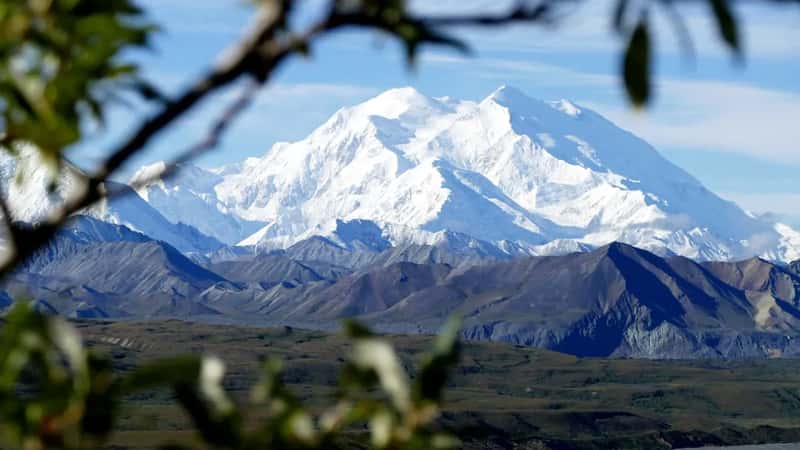
If Kobuk Valley feels remote, Gates of the Arctic pushes further still. It welcomed only 14,923 visitors in 2025, a fraction of what a single busy afternoon looks like at Zion. There are no marked trails, no visitor infrastructure to speak of, and no cell coverage once you’re inside its boundaries.
What you do get is a vast, undeveloped wilderness that many consider the last truly wild corner of the country. This massive expanse is a true wilderness experience, and the park and preserve has six designated Wild Rivers. Travel here means self-sufficiency in the fullest sense, since rescue, if needed, is measured in hours or days rather than minutes.
3. Lake Clark National Park and Preserve, Alaska
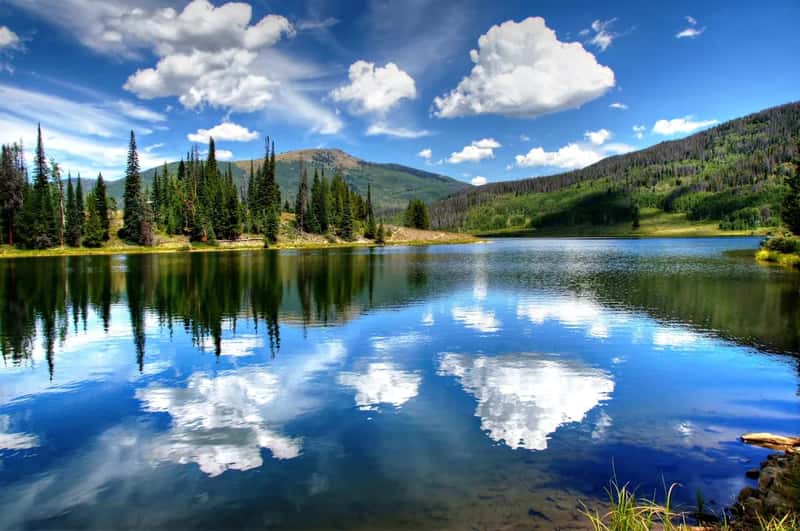
Lake Clark sits across Cook Inlet from Anchorage, close enough to reach by small plane yet distant enough that it drew only 19,778 visitors in 2025. The park is a patchwork of jagged volcanic peaks, turquoise glacial lakes, and salmon streams that feed one of the healthiest brown bear populations in Alaska. Two active volcanoes, Redoubt and Iliamna, rise along its western edge and occasionally remind visitors that this landscape is still very much alive.
Access is entirely by floatplane, since no roads connect the park to the outside world. Visitors typically base themselves at small lodges along the lakeshore, using the water as both scenery and highway. Bear viewing here rivals anything found in the more famous parks further south, minus the platforms crowded with photographers.
4. Isle Royale National Park, Michigan

Isle Royale is an island wilderness stranded in the middle of Lake Superior, and it closes entirely every winter, which alone limits its visitor numbers. Isle Royale National Park in Michigan was among the least visited national parks in 2024, and the pattern continued into 2025 with just 29,091 visitors recorded that year. Reaching it requires a ferry or seaplane ride, which naturally filters out casual day trippers.
The island is famous among ecologists for its decades long study of wolves and moose, one of the longest running predator prey research projects in the world. Hikers can spend a week crossing the island on foot without seeing another car, road, or town. For anyone craving genuine backcountry solitude within driving distance of the Midwest, it is hard to beat.
5. Katmai National Park and Preserve, Alaska
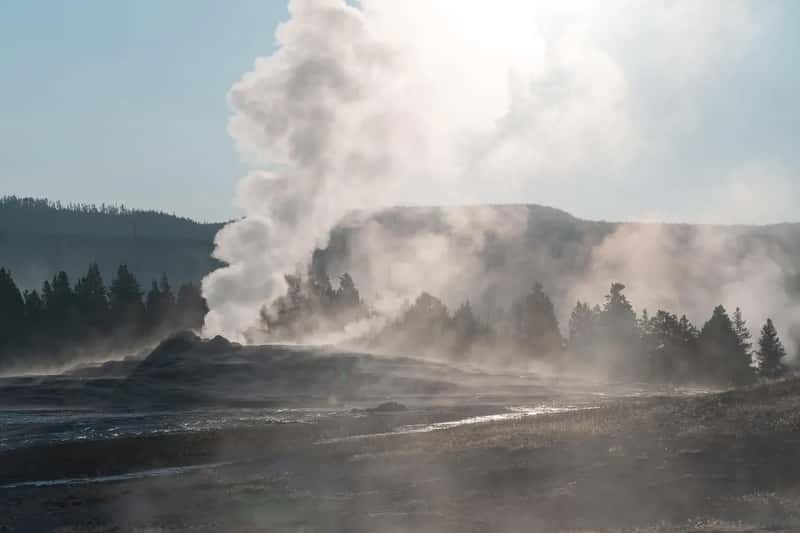
Katmai is best known for its brown bears gathering at Brooks Falls each summer to catch salmon leaping upstream, a scene that has become an internet sensation through live bear cams. Despite that online fame, actual foot traffic stayed modest, with 34,479 visitors in 2025. The park also protects the Valley of Ten Thousand Smokes, a volcanic landscape formed after a massive 1912 eruption reshaped the region.
Most visitors fly in from King Salmon or Anchorage rather than drive, since there are no connecting roads. Beyond the bear viewing platforms, the park’s interior remains largely untouched, with glacial rivers and tundra stretching for miles. It is a place where the wildlife draws the headlines, but the surrounding wilderness deserves just as much attention.
6. National Park of American Samoa
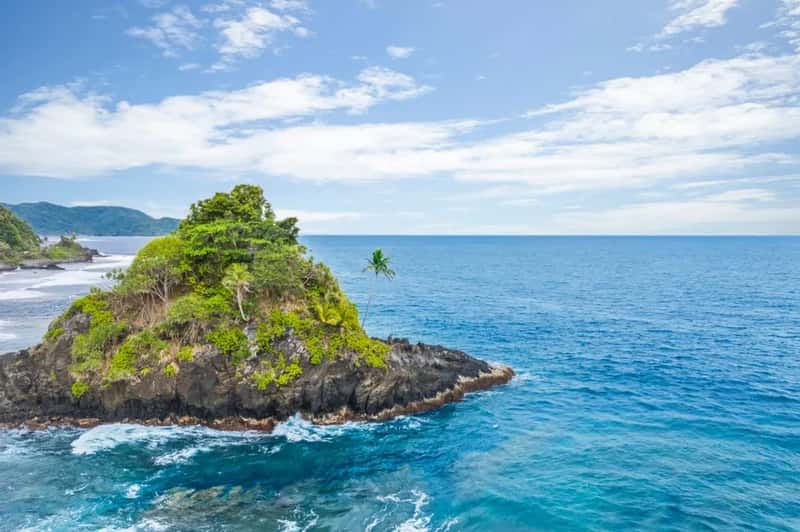
This is the only U.S. national park south of the equator, spread across volcanic islands in the South Pacific roughly midway between Hawaii and New Zealand. It saw 43,258 visitors in 2025, though its long term average sits closer to about 12,000 visitors each year, making it one of the least visited parks in the U.S. Unlike most parks, the land is leased from local Samoan villages rather than owned outright by the federal government, keeping traditional culture woven directly into the park experience.
Underwater, the appeal is just as striking. The coral reefs in and around the park are home to over 975 species of colorful fish and more than 250 coral species. Visitors can hike through rainforest one morning and snorkel over pristine reef the next, all without another tour group in sight.
7. North Cascades National Park, Washington
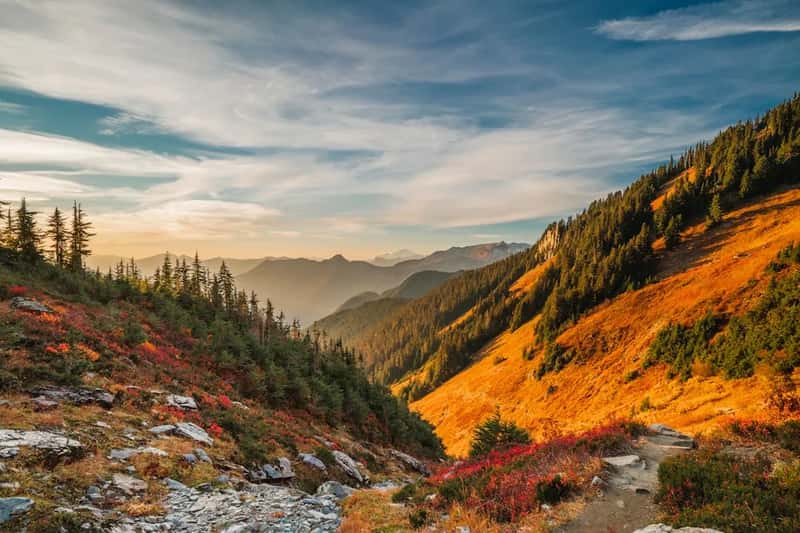
Just a few hours from Seattle, North Cascades feels like a different planet compared to its glacier free surroundings. The park logged 46,925 visitors in 2025, a modest number for a park so close to a major metro area. Part of the reason is limited road access, since only one highway crosses the park and much of the terrain is reachable only on foot.
The landscape more than justifies the effort required to reach it. Peaks crowned by more than 300 glaciers tower over this alpine landscape that sees a fraction of the visitors of Washington’s other national parks, Mount Rainier and Olympic. Jagged spires, alpine lakes, and old growth forest make this one of the most rugged landscapes in the lower 48, and it rarely feels crowded even in peak summer.
8. Dry Tortugas National Park, Florida

Seventy miles west of Key West, Dry Tortugas is a cluster of small islands reachable only by boat or seaplane, which naturally caps how many people can visit on any given day. The park recorded 89,355 visitors in 2025, modest compared to Florida’s mainland parks. Its centerpiece is Fort Jefferson, a massive nineteenth century brick fortress that dominates Garden Key and now serves as a striking backdrop for snorkelers exploring the surrounding reef.
The waters here are some of the clearest in the Florida Keys, teeming with coral, tropical fish, and the occasional sea turtle. Because there’s no bridge or causeway, day trip numbers stay naturally limited to what a single ferry and a handful of charter boats can carry. Overnight camping is available for those willing to bring their own supplies and skip modern conveniences entirely.
9. Wrangell-St. Elias National Park and Preserve, Alaska
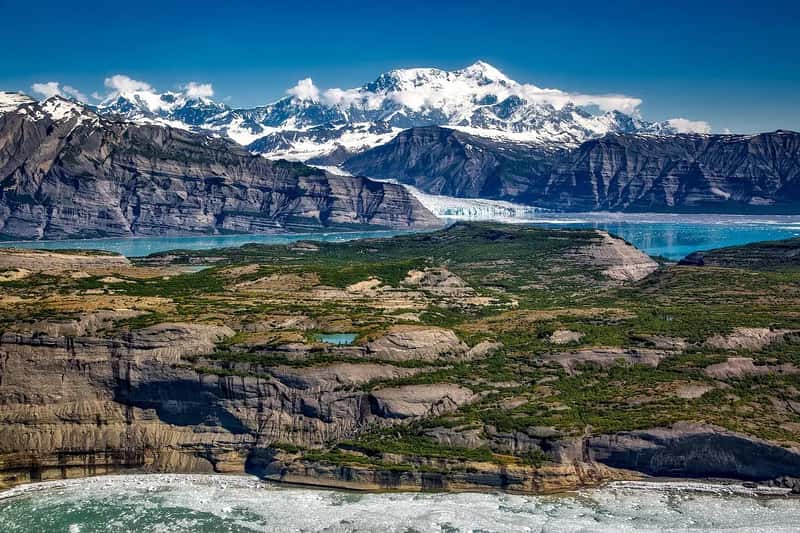
Wrangell-St. Elias is the largest national park in the United States, larger than several East Coast states combined, yet it drew only 108,840 visitors in 2025. Massive glaciers, some of the tallest peaks in North America, and abandoned copper mining ruins from the early twentieth century all sit within its boundaries. The scale here is almost impossible to grasp until you’re standing at the edge of a glacier that stretches further than the eye can follow.
Unlike some Alaska parks, a gravel road does reach partway into Wrangell-St. Elias, leading to the old mining town of Kennecott. From there, trails branch out toward glaciers and alpine terrain that most visitors never see because they stop at the more accessible overlooks. Backcountry permits are simple to obtain, and rangers note that most of the park sees essentially no foot traffic at all in a given year.
10. Great Basin National Park, Nevada
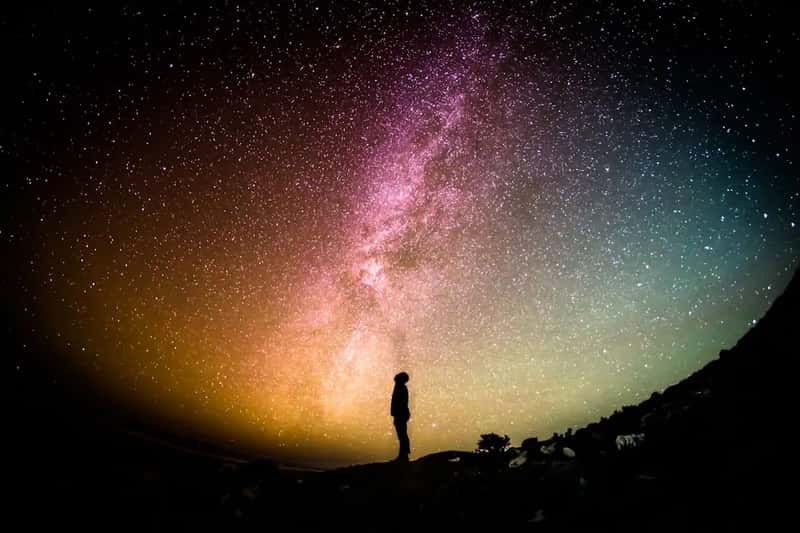
Tucked along U.S. Route 50, often called the loneliest road in America, Great Basin protects a surprising mix of high desert, ancient forest, and underground caves. Among its notable features, the park contains the 13,063 foot summit of Wheeler Peak, Nevada’s last remaining glacier, a large collection of caves, and groves of Great Basin bristlecone pines that can live upwards of 5,000 years. Visitation reached 161,210 in 2025, higher than the Alaska parks on this list but still a fraction of what nearby Utah parks see each year.
The park’s real claim to fame might be overhead rather than underfoot. Another remarkable aspect of the park can be experienced by looking up, since it is one of the darkest places in the United States and ideal for observing the night sky. On a clear moonless night, the Milky Way arcs overhead in a way that’s simply not visible from most populated parts of the country anymore.
11. Congaree National Park, South Carolina
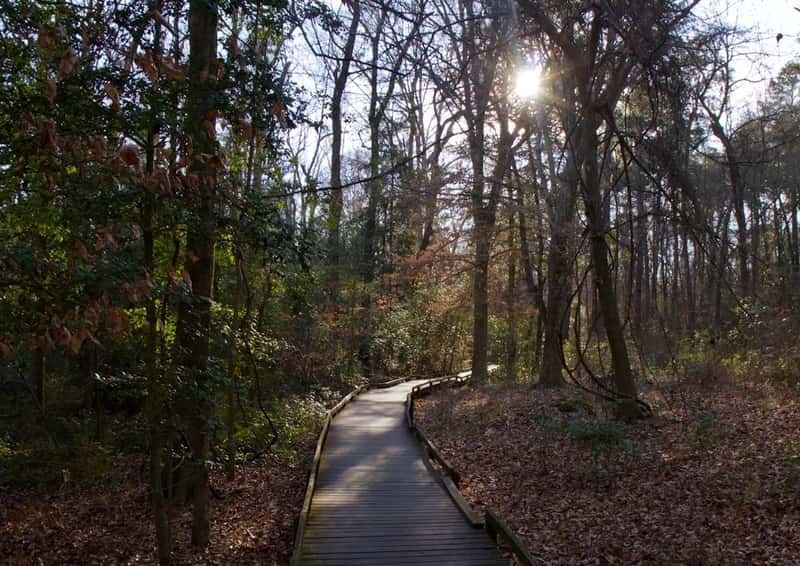
Congaree protects one of the last significant tracts of old growth bottomland hardwood forest left in the United States, a landscape that once stretched across much of the southeastern floodplain before logging cleared most of it. The champion trees here, some of the tallest of their species anywhere in the country, form a canopy that towers well above typical eastern forests. A raised boardwalk trail lets visitors walk through this environment without disturbing the fragile floodplain soil below.
Despite sitting just outside Columbia, South Carolina, the park remains far less known than the mountain parks that dominate most travelers’ itineraries. Paddling the Cedar Creek water trail by canoe or kayak reveals a quieter side of the park, with cypress knees rising from dark water and owls calling from the canopy. For a few weeks each late spring, synchronous fireflies put on a display here that draws a small but devoted crowd, though nothing close to the reservation systems now required at more famous firefly viewing sites out west.
Taken together, these eleven parks make a simple point: solitude in the American wilderness hasn’t disappeared, it’s just moved to places that require a little more planning to reach. Some demand a bush plane and a satellite phone, others just a willingness to skip the interstate exits everyone else takes. Either way, the reward is the same kind of quiet that used to define the entire national park idea before it became a bucket list item for millions of people at once.