Traveling abroad usually means adjusting to new customs, but table manners are where a lot of visitors get caught off guard. What feels harmless back home, like snapping a quick photo of dinner or asking for extra sauce, can land very differently once you’re sitting in a family run trattoria in Rome or a quiet izakaya in Osaka. Locals rarely say anything out loud, but the side glances and slightly cooler service tell their own story.
The tricky part is that most of these habits aren’t rude by intention. They’re just imported instincts from a different dining culture, applied in the wrong place. Here’s a closer look at eleven behaviors that tourists tend to shrug off, but that locals in various countries quietly find irritating.
1. Asking for ketchup or extra sauces in Italy

Italian cooking relies on balance, and chefs treat sauce as a finishing touch rather than a flooding agent. Requesting ketchup with pasta or asking for more sauce on the side is often seen as a small insult to the dish, since it suggests the seasoning wasn’t done correctly in the first place. Many restaurants in Rome or Florence simply don’t stock ketchup, and asking for it can draw a puzzled look from waitstaff.
This isn’t about being precious over food. Italian recipes are typically built around a specific ratio of pasta to sauce, and altering that ratio changes the dish the chef intended to serve. Locals see this request as a sign the diner isn’t really tasting what’s in front of them, which can feel dismissive of the effort that went into the plate.
2. Tipping heavily in Japan

In the United States, a generous tip signals appreciation, but in Japan it can create genuine confusion or even mild offense. Service is considered part of the price already, and leaving cash on the table is sometimes viewed as suggesting the staff need extra incentive to do their job well. Many servers will politely chase down a customer to return money left behind, which can turn into an awkward scene for both sides.
This custom extends beyond restaurants into taxis, hotels, and salons throughout the country. Tourists who insist on tipping despite pushback aren’t seen as rude exactly, just unaware of a system where quality service is baked into professional pride rather than tied to extra payment. The safer move is a sincere thank you rather than reaching for a wallet.
3. Splitting the bill item by item in France
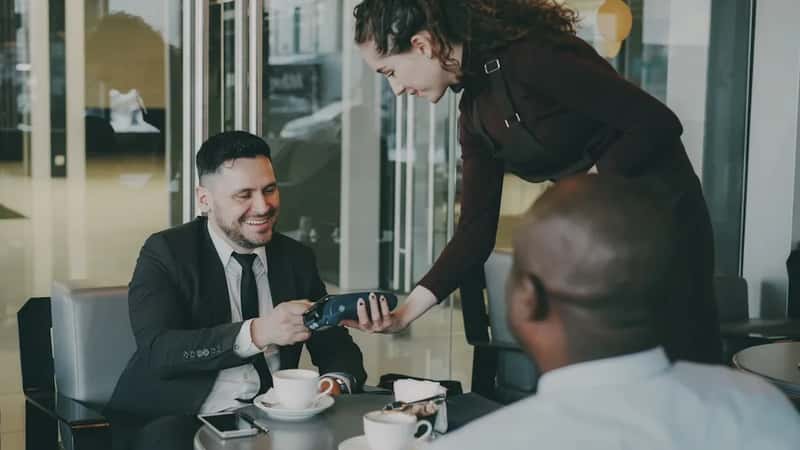
Group dinners in France tend to follow an unspoken rule that the bill gets divided evenly, or one person covers it and gets reciprocated another time. Tourists who ask servers to itemize every course per diner, tracking who ordered the extra glass of wine or the side salad, can slow down service and frustrate staff during busy periods. French restaurant culture treats a shared meal as a collective experience, not a transaction to be audited.
Waitstaff in Paris and other cities are often not equipped, logistically or culturally, to split checks five or six ways with precision. It’s common for one card to be used for the whole table, with friends settling up later through a bank transfer or cash. Locals view the itemized approach as importing an efficiency mindset into a moment that’s supposed to be relaxed.
4. Loud conversations in Nordic restaurants
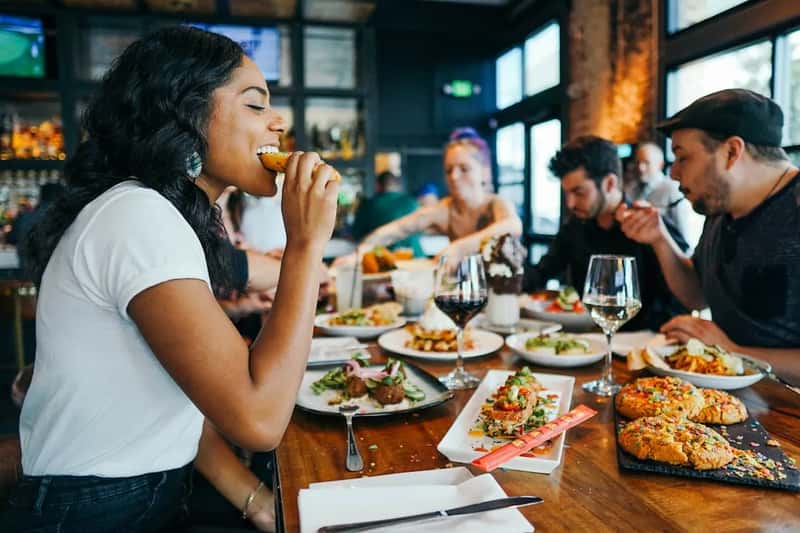
Restaurants in countries like Sweden, Norway, and Finland tend to have a hushed, almost library like atmosphere, even in busy city centers. Tourists accustomed to lively, chatter filled dining rooms sometimes don’t register that their normal speaking volume is drawing attention. Locals rarely confront strangers directly, but a raised voice at one table can visibly shift the mood of an entire restaurant.
This isn’t a formal rule so much as a cultural norm around personal space and restraint in public settings. Scandinavian dining etiquette generally favors quieter exchanges, and restaurants are often designed with fewer soft furnishings that would otherwise absorb sound, making loud talk carry further than expected. Travelers who dial down their volume tend to blend in far more comfortably.
5. Requesting substitutions in traditional Spanish tapas bars
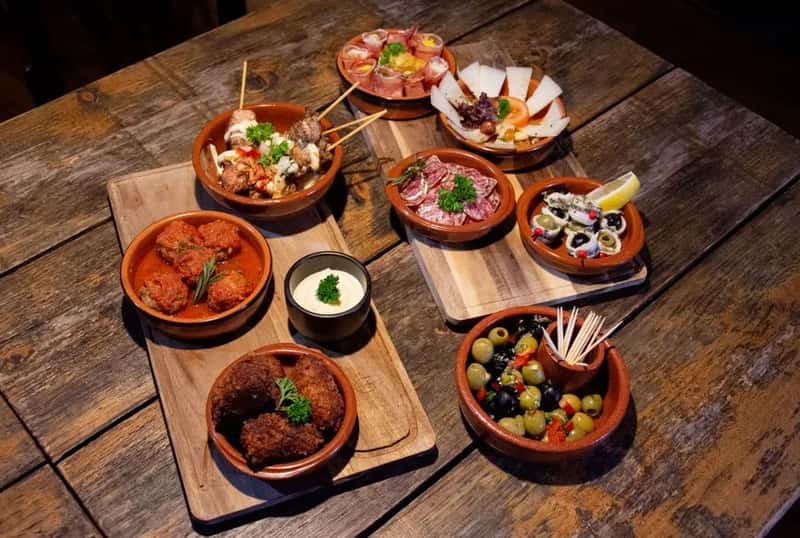
Ordering tapas in Spain typically means accepting the dish as the kitchen prepares it, since many of these small plates are built around a fixed regional recipe passed down for generations. Asking to swap out an ingredient, hold the anchovies, or add cheese to a dish that traditionally has none can come across as missing the point of tapas culture. Bartenders and cooks in traditional bars, especially in cities like Seville or San Sebastian, often see substitutions as an unnecessary complication in a fast paced, high volume service style.
Tapas bars are usually designed for speed and rotation, with small kitchens producing set dishes rather than customized orders. A request to modify a classic like patatas bravas or croquetas can create a bottleneck that affects everyone else waiting at the bar. Locals view the dish as something to be experienced as intended, not tailored to personal preference.
6. Photographing every dish in fine dining settings
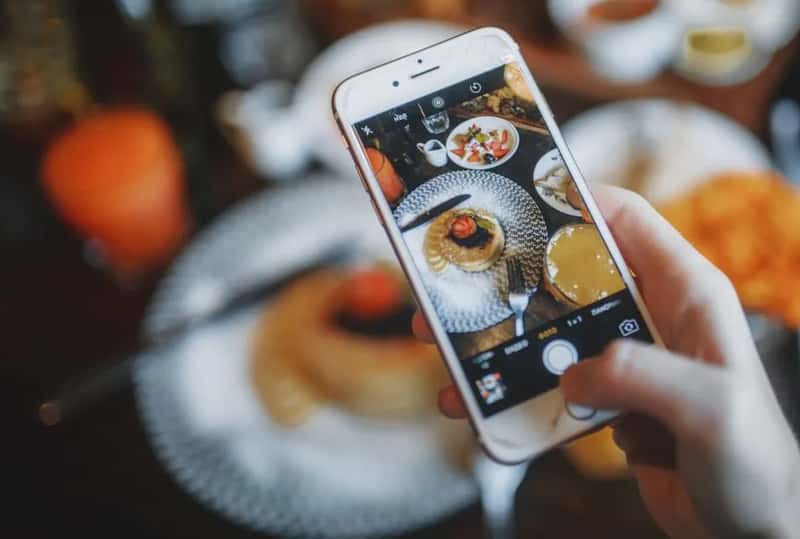
Taking a quick picture of a beautifully plated meal has become second nature for many travelers, but in upscale restaurants across countries like France, Japan, and Italy, extended photo sessions can disrupt the flow of service. Chefs plate dishes with specific temperatures and textures in mind, and a long delay for the perfect shot means the food arrives at the table already cooling or wilting. Servers in high end establishments sometimes wait for a signal before clearing or serving the next course, and prolonged photography throws that timing off.
Fine dining venues, particularly those with tasting menus, are often built around a carefully paced rhythm that photography interrupts. A single quick shot rarely bothers anyone, but staging multiple angles, using flash, or standing up for a better view tends to draw quiet frustration from both staff and neighboring diners. The dish is meant to be eaten while it’s at its best, not treated as a static prop.
7. Ordering cappuccino after a meal in Italy
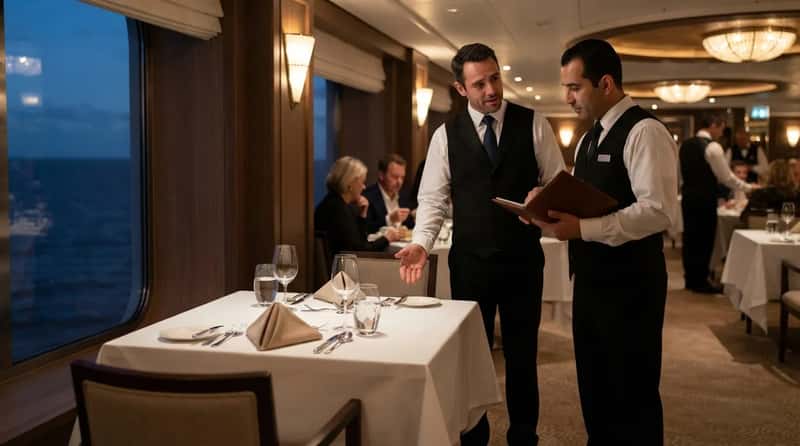
Cappuccino is considered a breakfast drink in Italy, and ordering one after lunch or dinner is one of the more well known etiquette missteps among tourists. The reasoning ties back to digestion, since Italians generally believe milk based drinks are heavy on the stomach and better suited to the start of the day rather than the end of a meal. Baristas will usually still make the drink if asked, but it’s a request that marks someone instantly as a visitor rather than a local.
Espresso or a simple digestivo like limoncello is the more typical choice after eating, especially in the evening. This isn’t strictly enforced anywhere, and no one will refuse service over it, but locals do notice the request and often view it as a small giveaway that a diner hasn’t picked up on local rhythms yet.
8. Sending food back over minor complaints in Germany
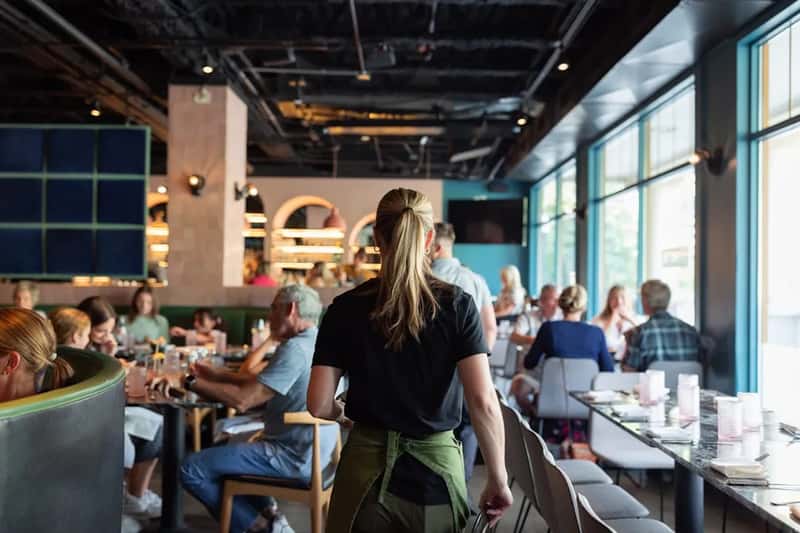
German dining culture tends to value directness, but sending a dish back to the kitchen over a small issue, like a steak being slightly more done than requested, is viewed differently than in some other countries. Locals are more likely to eat around a minor flaw or simply mention it briefly to the server without expecting a full remake. Tourists who insist on a complete redo for small inconsistencies can come across as overly demanding in restaurants that pride themselves on consistency and precision already.
This isn’t about German restaurants being resistant to feedback, since staff will generally correct genuine errors without hesitation. The friction comes from repeated small complaints that feel excessive relative to the actual problem. A polite, brief comment about seasoning or temperature tends to get a better reception than an outright refusal to eat the dish.
9. Asking for ice in drinks across much of Europe

Travelers from the United States are often surprised at how little ice appears in European drinks by default, and asking for extra can sometimes prompt a raised eyebrow rather than a simple yes. In many European countries, drinks are served at cooler, not cold, temperatures, partly due to long standing habits around not diluting flavor and partly due to historical differences in refrigeration infrastructure. Bartenders in countries like France, Italy, and Germany will typically comply, but the request marks the diner as an outsider almost instantly.
The cultural logic here ties into how Europeans generally view drinks as meant to be sipped slowly rather than gulped down quickly while cold. A large glass filled mostly with ice cubes can look, to many locals, like the establishment is skimping on the actual beverage. It’s a minor habit, but one that consistently surprises American tourists more than almost any other dining norm abroad.
10. Rushing through a meal in France or Italy
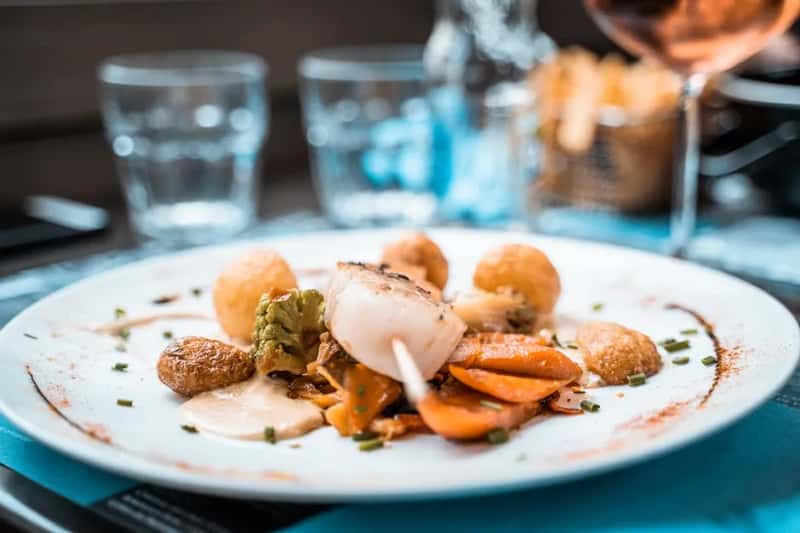
Meals in France and Italy are frequently treated as extended social events rather than quick refueling stops, and tourists who try to eat and leave within thirty or forty minutes can unintentionally clash with that pacing. Servers in these countries often space out courses deliberately, treating the gap between plates as part of the experience rather than a delay to be rushed. Asking repeatedly for the check or visibly hurrying staff during a sit down dinner tends to read as impatience with a tradition that values lingering over food.
This slower rhythm is especially noticeable at dinner, which in cities like Paris or Rome can stretch well past two hours without anyone at the table finding that unusual. Locals aren’t trying to be inefficient, they’re simply treating the meal as the main event of the evening rather than a task to complete. Visitors who plan extra time for dinner tend to enjoy the experience more and avoid unintentionally signaling frustration to the staff.
11. Skipping greetings before ordering in many Asian and European countries
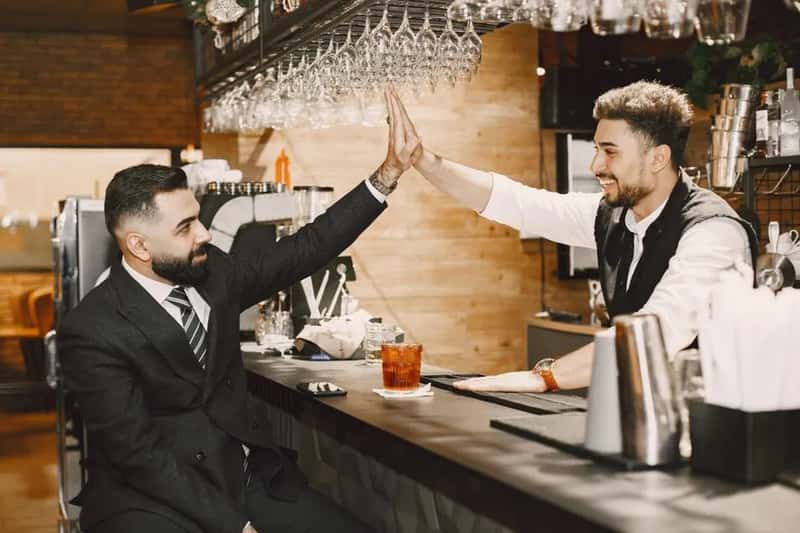
In countries ranging from Japan to Poland to Turkey, walking up to a counter or table and immediately launching into an order without any greeting is considered somewhat abrupt. A simple hello or good afternoon before stating what you’d like is often expected as a basic courtesy, and skipping it can come across as transactional or even a little cold. This habit is especially noticeable in smaller, family run establishments where the staff and owners often know most of their regular customers personally.
Tourists accustomed to fast, efficient service in large chain restaurants sometimes carry that same directness into settings where a warmer exchange is the norm. The greeting doesn’t need to be elaborate, often just a word or two, but its absence is noticed more than most visitors realize. Locals tend to read the missing greeting as a sign of rushing rather than rudeness, but it still shapes the tone of the interaction that follows.
Small gestures like these rarely ruin a trip, but they do shape how warmly a visitor is received at the table. Paying attention to local rhythms, whether that means slowing down over dinner or skipping the ketchup, tends to open doors that a rushed, home country mindset keeps closed.