Portugal has a way of looking simpler from the outside than it actually is. The photos show tiled facades and Atlantic light, and the stories from friends who moved make it sound like a smooth transition from one life to a gentler one. What those stories tend to skip are the small, grinding realities that only show up once you’re actually signing a lease, opening a bank account, or sitting in a government waiting room for the third time in a month.
None of this means the move isn’t worth it. It just means the version of Portugal you plan for on paper and the version you actually live in for the first year rarely match up perfectly. Here are the eleven things that would have saved me a fair amount of stress, confusion, and a few unnecessary trips to government offices.
1. The bureaucracy is slower and more layered than anyone warns you about

Every visa route into Portugal, whether it’s the D7 for passive income or the D8 for remote work, runs through a paperwork chain that involves multiple agencies, apostilled documents, and strict timing windows. Criminal record certificates typically need to be issued within roughly the last ninety days, and depending on your home country they often require apostille certification or consular legalization before Portugal will even look at them.
The process from gathering documents to actually holding a residence card can realistically run 3 to 6 months, and costs approximately €260 in direct government fees, plus private health insurance and document translation expenses. Consulate processing alone can take 60 to 90 days, and then there’s a separate wait for the in-country appointment with AIMA, the immigration agency that replaced the old SEF. Budget for delays as a rule, not an exception.
2. The visa you think you need might not be the right one

The D7 gets the most attention online, largely because it’s marketed as a retirement visa, but it’s really a passive income visa. It’s a residency visa designed for non-EU nationals who earn a stable income from outside the country, qualifying through passive income such as rental income, pensions, dividends, or royalties. If your income comes from active freelance work or a remote job, that’s a different category entirely.
Since the introduction of the digital nomad visa, Portuguese law strictly reserves the D7 for truly passive sources, and if your income is derived from active remote work or freelancing, the D8 visa is the appropriate path. Mixing these up wastes months. I’d have saved myself a consultation fee if I’d understood that distinction before applying anywhere.
3. The famous tax break most people move for no longer exists for newcomers

A huge share of the online chatter about Portugal still references the Non-Habitual Resident program, or NHR, as if it’s still open. It closed to most new applicants after a transitional deadline in early 2025, and the NHR Portugal tax regime is no longer available as the transitional phase after the regime’s official discontinuation has ended, though it was still possible to apply before the 31 March 2025 cut-off under specific requirements.
What replaced it, called IFICI or informally “NHR 2.0,” is narrower and not built for retirees at all. It excludes retirees and passive-income holders from the benefits it offers, so if your income in Portugal would come primarily from a pension or from foreign investments rather than a qualifying professional activity, you would be taxed under standard progressive rates, not under IFICI. If your move was ever partly justified by tax savings, run the actual numbers under the current rules before you commit.
4. Rent has gone up faster than most people’s mental image of Portugal

The idea of Portugal as a bargain destination lingers from a decade ago, but the rental market has shifted considerably since then. Rent has kept climbing, and in December 2025, rent prices in Portugal averaged about €16.4 per square meter, so a typical 80 square meter apartment would cost around €1,312 per month.
Lisbon sits well above that national figure. In the Lisbon metropolitan area, average rents sat around €19.6 per square meter, making an 80 square meter flat roughly €1,568 per month. Smaller cities inland offer real relief, but if your plan was built around Lisbon rents from a few years back, it’s worth updating that spreadsheet.
5. Buying property is a different game than it looks in listings
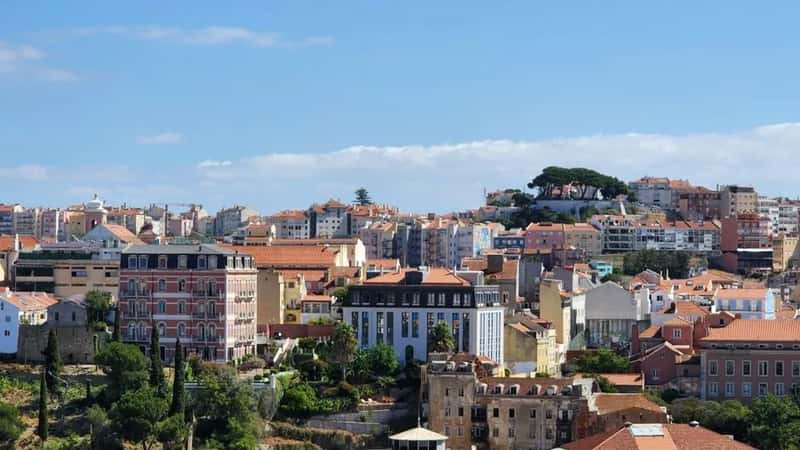
Property prices have moved even more sharply than rents. Portugal has some of the most overvalued house prices in the EU at the moment, with house prices doubling in only fifteen years, making the property market more precarious and expensive than ever. Lisbon and the coastal hotspots carry a real premium over the interior.
The regional spread is dramatic. The Lisbon metropolitan area tops the table at roughly €4,239 per square meter, while the Centro region is the most affordable at around €1,716 per square meter. If you’re set on a coastal lifestyle, factor that premium in early rather than discovering it mid-search.
6. Daily living costs are lower than home, but not dramatically so anymore

Portugal still compares favorably to the US and UK on paper. The cost of living, including rent, in Portugal is 30.7% lower than in the United States, while rent prices alone are 36.7% lower in Portugal than in the US. That’s a real gap, and it’s part of why the country remains appealing.
But the gap has narrowed compared to the “insanely cheap” reputation some expats built years ago. A single person spends about €666 per month on everyday costs such as food, local transport, gym and small extras, while a family of four spends around €2,410 per month, again excluding rent. Add housing to those figures and the total budget looks a lot closer to a modest Western European city than a discount destination.
7. Healthcare is genuinely good, but the public system has real wait times

The public system, the SNS, is a legitimate asset once you’re a resident. Once you become a legal resident and get your SNS user number, medical care becomes highly affordable. Co-pays for public care are modest, usually just a handful of euros for a standard appointment.
Even so, most expats end up paying for private coverage anyway. Most expats opt for private insurance to avoid long wait times and to see English-speaking doctors more easily. Basic private plans are inexpensive by American standards, often starting as low as €10 to €25 per month for young adults, but it’s an added line item most newcomers forget to budget for.
8. The path to citizenship just got a lot longer

For years, five years of legal residency was the benchmark most people planned around when they thought about eventually becoming Portuguese. That’s changed. Following a legislative revision that extended the general citizenship eligibility period from 5 years to 10 years for most applicants (7 years for EU and CPLP nationals), the reapproved law was signed by the President on May 3, 2026, and came into force on May 19.
This matters if long-term citizenship, not just residency, was part of your reasoning for moving. Portugal’s center-right government, influenced by the far-right party after Chega’s success in the election, decided to double the duration of the usual residency for citizenship from five to ten years for most foreigners. It doesn’t change your day-to-day life, but it reshapes the long game considerably.
9. There’s genuine friction between locals and incoming expats now
The warm welcome narrative isn’t the whole picture anymore, particularly around housing. Reuters mentions that thousands of citizens staged protests all across the country in September 2024 owing to growing prices and rental costs. Rising rents and property prices have made housing scarcity a genuine political flashpoint, not just background noise.
The tension is specifically tied to how visible and concentrated foreign arrivals have become in certain neighborhoods. The Guardian notes that in 2025, there formed the feeling that foreigners making good money abroad, enjoying former tax breaks, and concentrating in English-speaking areas became signs of an increasingly polarised society. It’s worth being aware of, both out of basic courtesy and because it shapes local politics that eventually affect visa and tax policy too.
10. Where you land matters more than the country-level averages suggest

Portugal isn’t one uniform cost or culture, and treating it that way leads to bad budgeting. Lisbon, Porto, and the Algarve carry very different price tags from the interior towns and northern cities. Braga and Coimbra offer significantly lower housing costs, 30 to 40% less than Lisbon, while providing excellent universities, healthcare, and cultural amenities.
The interior is quietly gaining traction for exactly this reason. Interest in Tomar and the surrounding region is growing, while Caldas da Rainha has suddenly become the capital of the Silver Coast, attracting many new residents. If Lisbon’s price tag is what’s giving you pause, it’s worth widening the map before giving up on the whole idea.
11. Older Portuguese homes often lack the heating and insulation you’d expect
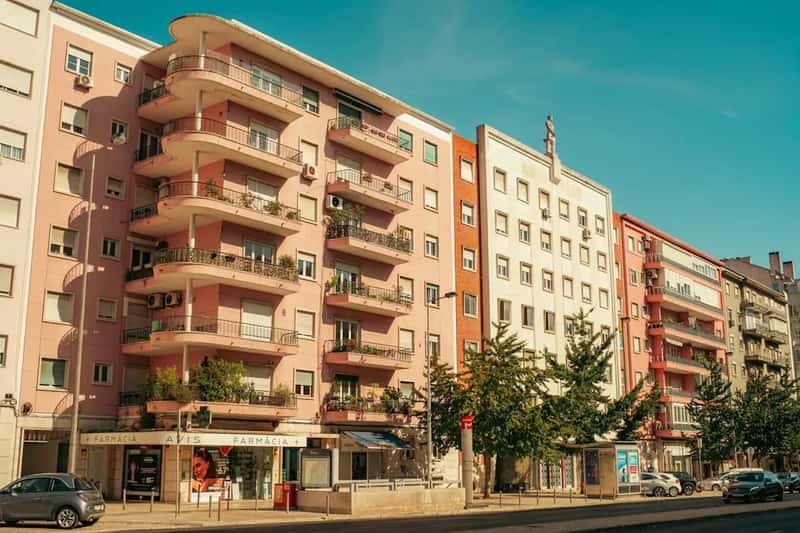
This one caught me off guard more than anything financial. Many charming, older Portuguese apartments and houses simply weren’t built with central heating in mind, and many traditional Portuguese buildings lack proper central heating and insulation. Winters in Portugal are mild by northern European standards, but indoors, in a stone or tiled house with single-pane windows, it can feel colder than the outdoor temperature suggests.
It’s a fixable problem, but it’s rarely disclosed upfront during a viewing. Space heaters, better window seals, and sometimes a full insulation retrofit end up being unplanned costs for anyone who assumed “mild climate” meant “warm house.” Ask directly about heating before signing anything, especially if you’re moving from a country with proper central heating as the default.