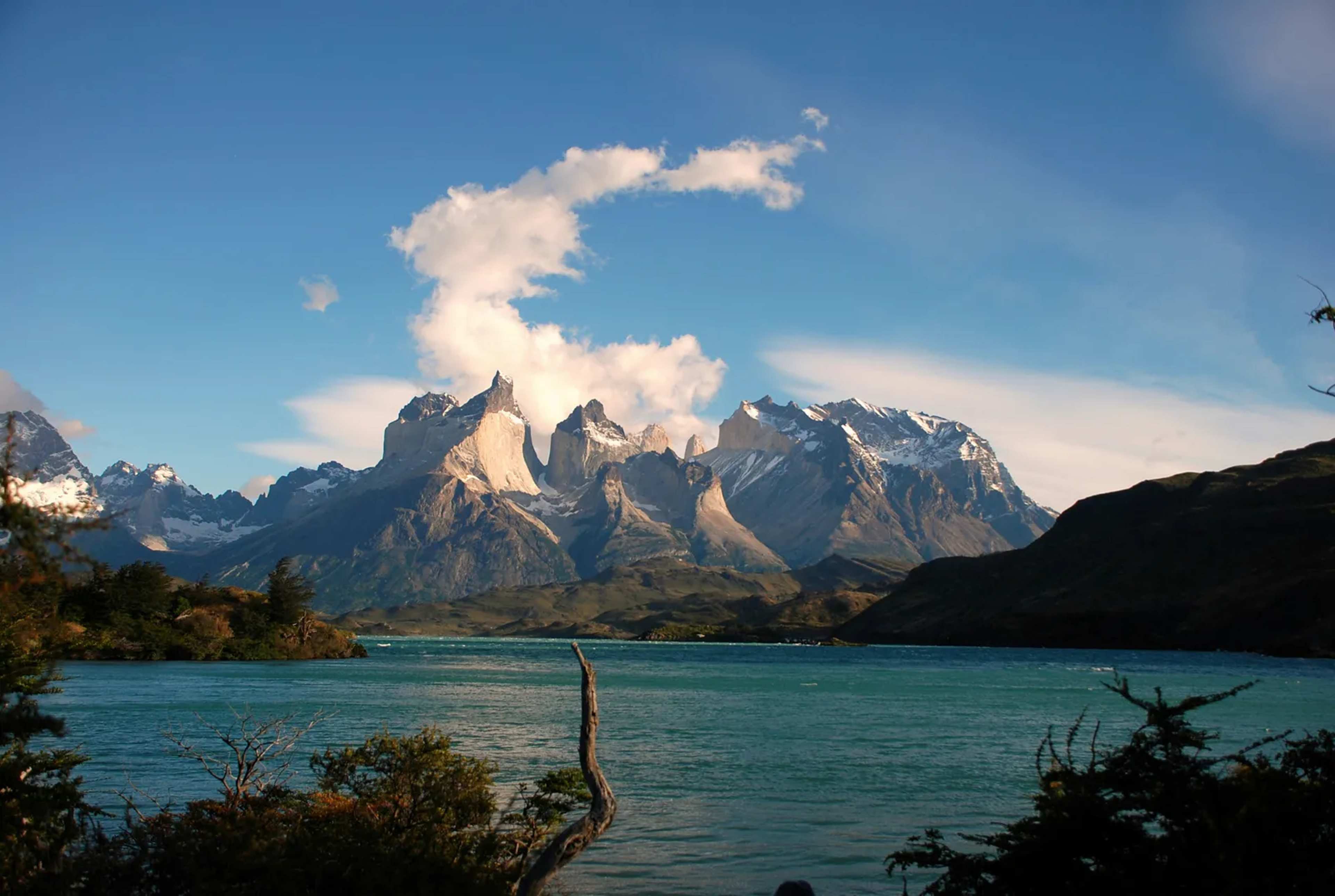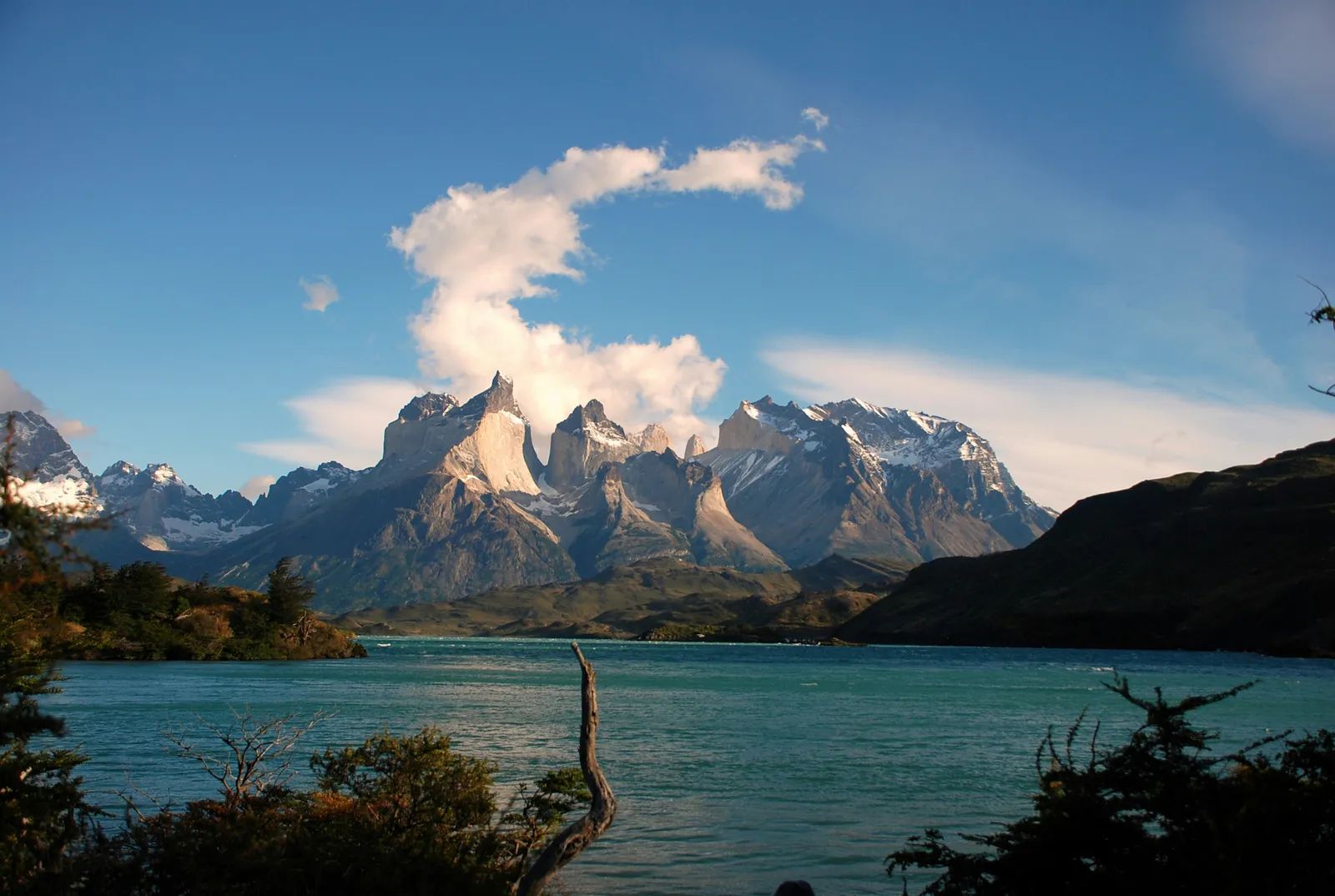
Patagonia often evokes images of isolation and endless emptiness for outsiders. For Mariano Gonzalez Roglich, the region represents home, a place of personal roots and ongoing conservation work. His reflections, shared through a PBS Nature blog post, highlight how lived experience reshapes that distant view.
Roots Along the Rio Negro and Beyond
Gonzalez Roglich grew up along the coast of the Rio Negro River in northern Patagonia, Argentina. Glaciers in the Andes feed the river, turning arid steppe into a productive corridor across hundreds of kilometers. Family ties extended further south to Jacobacci, a small town where sheep farmers navigate harsh winters, heavy snow, and occasional conflicts with pumas and foxes. Vacations often split between those family visits and the Andes to the west. These early encounters with varied landscapes fostered a habit of close observation. Hiking trips revealed both the scale of the environment and opportunities to improve human relationships with local species and ecosystems.
From Academic Training to International Conservation
Studies in ecology, conservation, and environmental sciences provided the intellectual framework for understanding these dynamics. Undergraduate work took place at La Pampa National University, followed by graduate programs at the University of Florida and Duke. The emphasis throughout was on collaboration across disciplines and sectors. Early professional roles included support for Conservation International projects across Asia, Africa, and South America. Efforts focused on assessing grassland degradation, forest loss, and reservoir changes as steps toward regenerative land practices. Work in Peru examined how regenerative farming among coffee growers could aid carbon sequestration and biodiversity in high-value areas.
Returning Home Amid Global Shifts
The COVID-19 pandemic underscored how neglect of nature in one area can ripple worldwide. It also reinforced the value of natural spaces for physical and mental well-being. Gonzalez Roglich left the United States to serve as Country Director for the Wildlife Conservation Society in Argentina, returning to Patagonia after WCS had maintained a presence there for six decades. Land degradation has intensified in some areas, with extractive industries and energy infrastructure expanding into previously remote zones. Emerging diseases have added pressure, including a 2023 avian influenza outbreak that caused high mortality among southern elephant seals. Yet long-term monitoring, including aerial and drone surveys in Península Valdés, helps track population responses.
Recovery, Coexistence, and Shared Values
Recovery stories stand out alongside the pressures. Populations of guanacos, pumas, and foxes on land have rebounded in places, as have southern right whales, elephant seals, and sea lions at sea. These gains illustrate nature’s resilience when supported by deliberate action. WCS Argentina centers its approach on coexistence. This includes balancing artisanal fishing with resource use, managing whale-watching tourism around sensitive species, supporting fiber production that accounts for carnivores, and aligning energy development with surrounding ecosystems. Different people assign value to nature in varied ways, from intrinsic rights of all life forms to benefits for current and future generations.
Connecting With Nature Wherever It Exists
Gonzalez Roglich notes that protecting nature ultimately requires listening and finding common ground rather than imposing one set of values. In uncertain times marked by polarization and rapid technological change, the need for nature remains constant. Patagonia served as his personal entry point to that understanding. For those without a similar gateway, he suggests seeking out the nearest accessible green space. Simple acts of walking, listening, and observing can build the same connection that has sustained his work.