

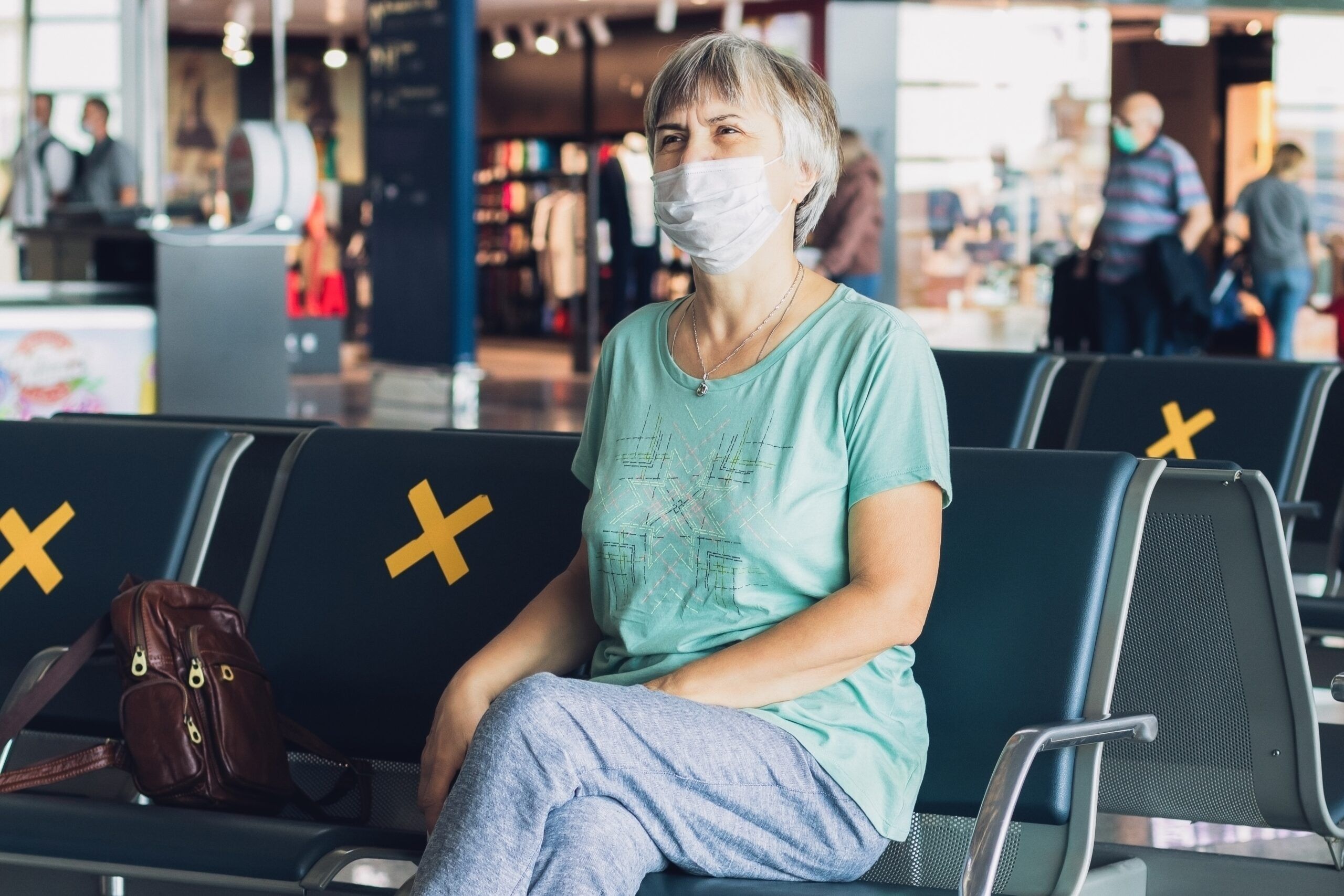
There’s a particular kind of vacation photo that shows up in family group chats more often once a parent crosses seventy. Nobody comments on it directly, but the pattern is there if you look closely. Adult children notice small shifts in how their aging parents travel, yet most of them keep those observations to themselves out of respect or a quiet hope that nothing is really changing.
These shifts aren’t dramatic. They’re subtle behavioral adjustments that come from decades of travel experience mixed with the practical realities of an aging body. Understanding them helps families travel together more comfortably, without turning every trip into an unspoken negotiation.
1. They start booking aisle seats near the bathroom without explanation

Seating preferences shift quietly once someone enters their seventies, and the change is almost always tied to bladder health and mobility rather than comfort alone. Aging kidneys and weakening pelvic floor muscles increase the frequency of bathroom trips, a well documented aspect of normal aging according to geriatric health researchers. Parents rarely announce this reasoning to their kids; they simply request the aisle seat or ask the travel agent for something “near the front.”
Adult children often notice the pattern across multiple trips before saying anything. They see the seat map requests, the extra legroom bookings, or the insistence on short flights over long-haul ones. Most keep quiet, sensing that pointing it out would embarrass a parent who is simply adapting sensibly to their body’s needs.
2. They pack a far more detailed medication kit than they used to

Older travelers increasingly carry organized pill cases, printed medication lists, and copies of prescriptions, a habit encouraged by organizations like the CDC for travelers managing chronic conditions. This isn’t paranoia; it’s practical risk management for people who may be juggling blood pressure medication, cholesterol drugs, or diabetes management while away from their regular pharmacy and doctor. Many parents also start carrying a small note with emergency contacts and allergy information tucked into a passport sleeve.
Children spot the shift when they help pack or go through security together. The rolling medicine bag that used to be a single bottle now looks more like a small pharmacy. It’s rarely discussed openly, but it reflects a parent quietly taking their own health seriously in a new way.
3. They choose slower-paced itineraries without saying it’s because of energy levels

Many people in their seventies begin favoring destinations with fewer transfers, longer stays in one place, and built-in rest days, a trend travel agencies have reported increasingly among older clients booking multi-generational or leisure trips. The reasoning is rarely stated outright as fatigue; instead it gets framed as “we just want to relax more this time.” Cruise lines and tour companies have responded to this shift by offering more port-intensive itineraries with fewer overnight excursions specifically marketed to older travelers.
Adult children who have traveled with their parents for decades often notice the pacing change first. The parent who once insisted on seeing five cities in a week now prefers two, with plenty of downtime between. Nobody frames it as a limitation, and children generally let the framing stand.
4. They research medical facilities near their destination before booking

A quiet but meaningful behavioral shift involves checking hospital locations or urgent care options near a vacation destination, a habit supported by travel insurance providers who note rising interest in health-related trip planning among travelers over sixty five. This isn’t anxiety; it’s informed caution from people who understand their own medical history better than anyone else. Many opt into travel insurance policies specifically covering medical evacuation, something younger travelers rarely consider necessary.
Children sometimes stumble upon this research when helping with trip logistics or reviewing insurance paperwork together. It can feel like a small, sobering reminder of aging, though it’s really just responsible planning. The topic tends to pass without direct acknowledgment from either side.
5. They start requesting wheelchair assistance at airports “just in case”
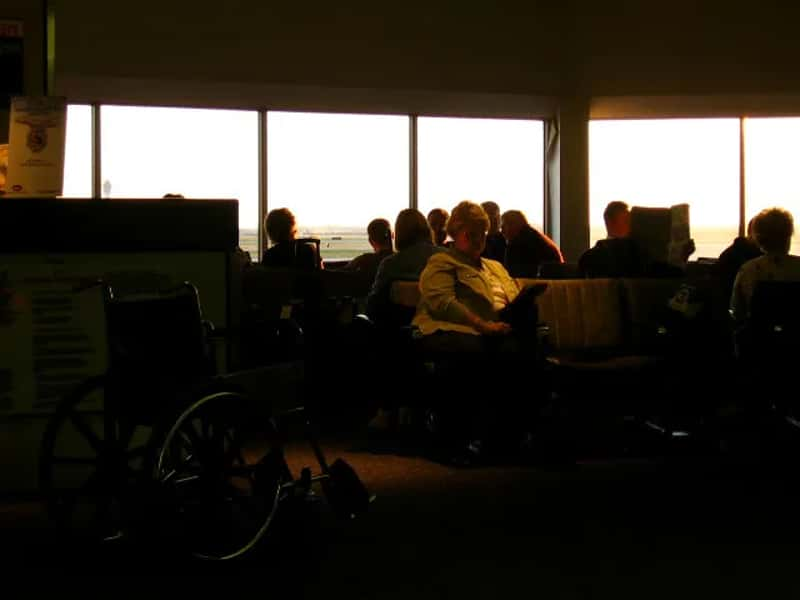
Airport wheelchair and mobility assistance requests among travelers over seventy have risen steadily, reflecting both longer airport walking distances and a practical acknowledgment of joint pain or reduced stamina. The Transportation Security Administration and major airlines have expanded accessibility services partly in response to this demographic shift. Parents often frame the request as being about saving time rather than admitting to physical limitation, even when the real motivation is fatigue or arthritis.
Adult children who travel alongside their parents notice this request appear for the first time and rarely disappear afterward. It can be an emotional moment quietly processed rather than discussed, since bringing it up might feel like calling attention to something a parent would rather not name directly.
6. They bring their own pillow, cushion, or supportive travel gear

Comfort accessories become a fixture in luggage once someone reaches their seventies, particularly items addressing back pain, neck support, or joint pressure during long sits. Physical therapists commonly recommend supportive travel pillows and portable cushions for older adults managing arthritis or spinal degeneration, both common conditions in later life. What used to be an afterthought item becomes a non-negotiable packing priority.
Children notice the growing collection of gear in the suitcase, sometimes joking about it lightly, though the underlying reason rarely gets full acknowledgment. It’s a quiet form of self-care that reflects decades of learning what actually works for one’s own body. The joke stays surface-level; the real reason usually goes unspoken.
7. They avoid overnight flights and long layovers whenever possible

Sleep disruption becomes harder to recover from with age, and many travelers over seventy actively steer their bookings toward daytime flights with minimal layover time. Circadian rhythm research shows older adults generally experience more difficulty adjusting to time zone shifts and irregular sleep schedules than younger travelers. This preference often gets framed simply as “we don’t like red-eye flights,” without further explanation.
Adult children booking group trips sometimes notice their parents quietly steering the conversation toward more convenient flight times, even if it costs more. It’s rarely stated as an age-related need, just a stated preference that goes unquestioned in family planning conversations.
8. They start choosing destinations with better healthcare infrastructure

Preference for well-developed countries or regions with reliable medical care over more remote or adventurous destinations often increases quietly after seventy. This isn’t about losing a sense of adventure; it’s a pragmatic recalibration based on decades of experience and awareness of personal health needs. Travel industry data has shown older travelers gravitating toward established tourism infrastructure in places like Western Europe, Japan, and North America rather than developing regions with limited medical access.
Children sometimes notice a parent who once backpacked through remote areas now prefers well-trodden, comfortable routes. The shift in destination choice speaks volumes, though it’s almost never explained in terms of health considerations directly.
9. They keep emergency contact information more visible and updated

Many people over seventy start keeping printed emergency contact cards in wallets, phone lock screens, or luggage tags, a precaution encouraged by senior travel safety guidelines from organizations like AARP. This reflects a quiet acknowledgment of vulnerability that most parents don’t discuss openly with their children. The information often includes not just family contacts but also details about existing medical conditions or allergies.
Adult children sometimes discover these cards accidentally, tucked into a passport or wallet during a shared trip. It can be a small, private moment of realizing a parent has been thinking ahead in ways they haven’t mentioned. The card gets put back, and the conversation rarely happens.
10. They start traveling with a companion more consistently

Solo travel among people over seventy has declined somewhat compared to earlier decades of their life, with many opting instead to travel with a spouse, sibling, friend, or organized tour group. This shift often relates to both safety considerations and the social benefits of shared experience, something gerontology researchers link to improved emotional wellbeing in older adults. Tour companies catering specifically to seniors have expanded significantly, offering group trips designed with built-in social interaction and lighter physical demands.
Children may notice a parent who once traveled alone confidently now prefers group tours or trips with a friend. The change gets framed as wanting company rather than needing support, even when both factors likely play a role.
11. They quietly simplify their financial and travel documentation before departing

A notable number of travelers over seventy begin leaving detailed instructions with family members before a trip, including copies of passports, insurance details, and even simple estate paperwork. Elder law attorneys and financial planners often note this behavior as part of broader end-of-life planning that accelerates gradually with age, though it’s rarely framed that way by the person doing it. It gets described instead as “just being organized,” a phrase that undersells the deeper thoughtfulness behind it.
Adult children sometimes stumble across these documents while helping with trip prep, feeling a mix of gratitude and quiet unease. It’s one of the clearest signs of a parent thinking ahead, yet it’s almost never discussed directly between generations. The paperwork gets filed away, and life goes on as if nothing significant happened.
These small, quiet adjustments rarely get named out loud in most families. They exist in the space between generations, noticed but not discussed, understood but not acknowledged. That unspoken awareness, in its own way, is its own form of care.