Most travelers treat the in-room safe like a small fortress, a place where anything valuable can disappear until checkout. That confidence is understandable, but it is not always earned. Between mechanical quirks, staff master codes, and legal fine print most guests never read, the hotel safe has real limits worth knowing before you trust it with something you cannot afford to lose.
1. Your passport, if you do not need it that day
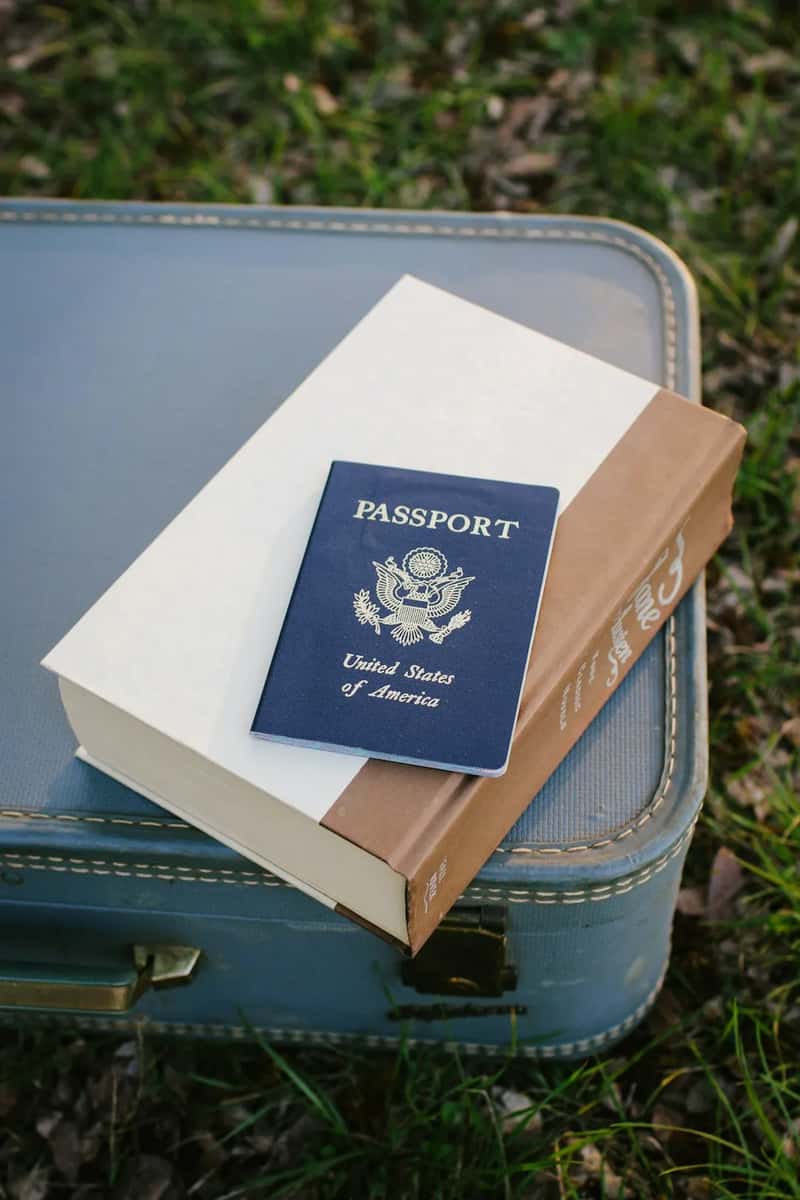
It feels responsible to lock away a passport the moment you check in, but that habit can backfire if you need identification unexpectedly, whether for a tour operator, a currency exchange, or a police checkpoint in some countries. Many frequent travelers instead keep a photocopy or digital scan on their phone and carry the original in a slim pouch under clothing.
Hotel safes are also not fireproof or waterproof in most budget and mid-range properties, meaning a burst pipe or electrical fire could damage the one document that gets you home. If your passport does stay in the safe, at least photograph the identification page and visa stamps first so you have a backup if anything goes wrong.
2. Large amounts of cash

Safes are convenient, but they are not bank vaults, and the legal protection behind them is thinner than most guests assume. States have modified common law by enacting statutes that limit a hotel’s liability, and although amounts vary from state to state, liability ordinarily is limited to a specific figure typically ranging anywhere from 250 to 2,000 dollars.
In some states the number is far lower for items in a safe than travelers expect. In Massachusetts, innkeepers are only liable for losses involving clothing, luggage, and money, and are not responsible for items valued over 300 dollars unless the loss involves these specific items. Carrying only what you need for the day and splitting the rest between a bank card and a small emergency stash elsewhere in your luggage is the safer habit.
3. Fine jewelry and family heirlooms
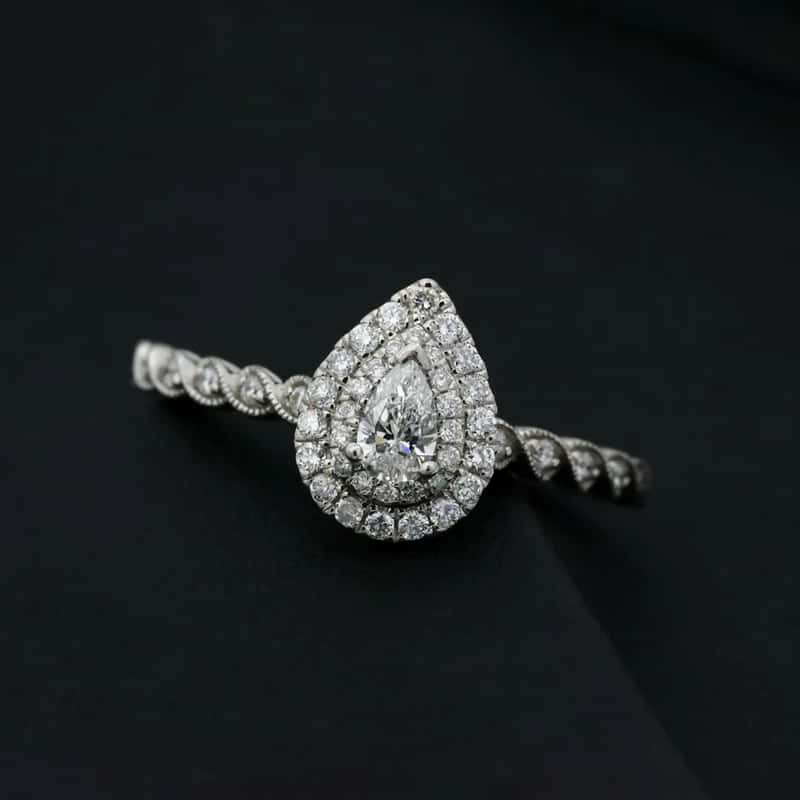
A cocktail ring or a grandmother’s brooch feels safest tucked away, yet jewelry is exactly the category where hotel liability law gets strict. New York statutes generally limit hotel liability to 500 dollars for clothing and most other property in rooms, and no more than 1,500 dollars for valuables in a safe or safe deposit box.
That gap between what a piece is worth and what a hotel will actually reimburse can be enormous, especially for anything with sentimental or antique value. Wearing the jewelry, storing it in a hotel’s front desk safe deposit box with written value disclosure, or simply leaving it at home before the trip are all better options than the in-room unit.
4. Prescription medications you need daily
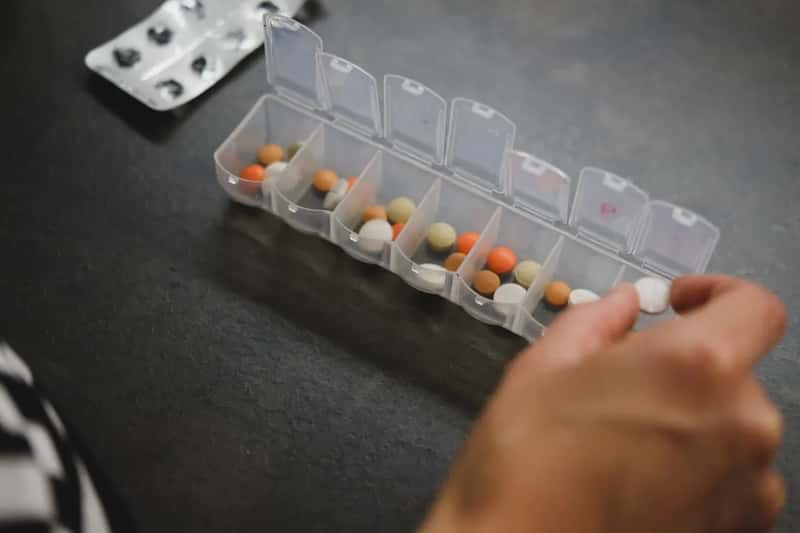
It sounds practical to lock up medication so it is not lost during a busy sightseeing day, but forgetting the safe’s code, or forgetting the safe entirely after a long flight, has left travelers without insulin, heart medication, or anxiety prescriptions at inconvenient moments. Medications belong in a bag you control directly, ideally one that stays with you rather than in the room at all.
Some safes also sit in direct sunlight near a window or above a mini fridge that runs warm, both of which can degrade medication that needs stable temperatures. If a drug requires refrigeration, the in-room minibar fridge, not the safe, is the appropriate spot, and staff can usually confirm it is safe to use for that purpose.
5. Firearms or ammunition
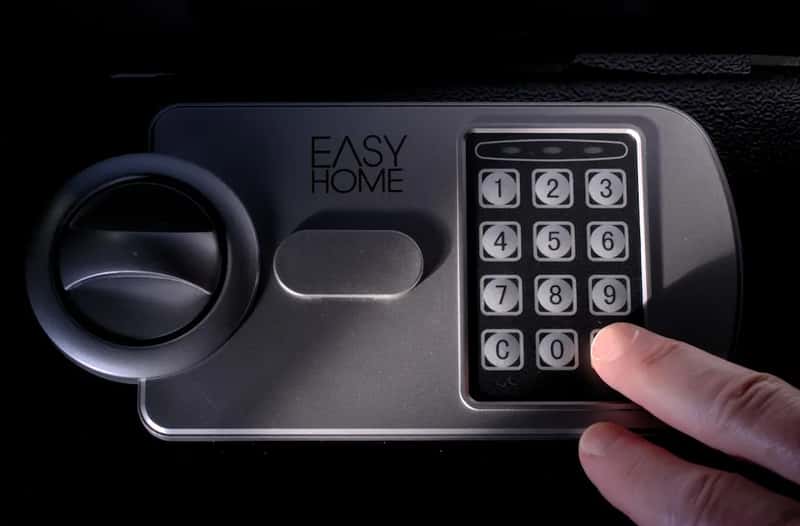
Very few hotel safes are built or rated for weapons storage, and most properties explicitly prohibit firearms in guest rooms regardless of what local law allows a traveler to carry. Even where possession is legal, an electronic safe with a reset code known to housekeeping supervisors is not adequate security for something that dangerous if it ends up in the wrong hands.
Hunters and competitive shooters traveling with firearms typically need to declare them at check-in, use hotel security’s locked storage where available, or transport them according to a very specific chain of custody, not an in-room box shared with jewelry and passports. It is worth calling ahead, since policies vary widely between chains and even between individual properties within the same brand.
6. The only copy of important travel documents
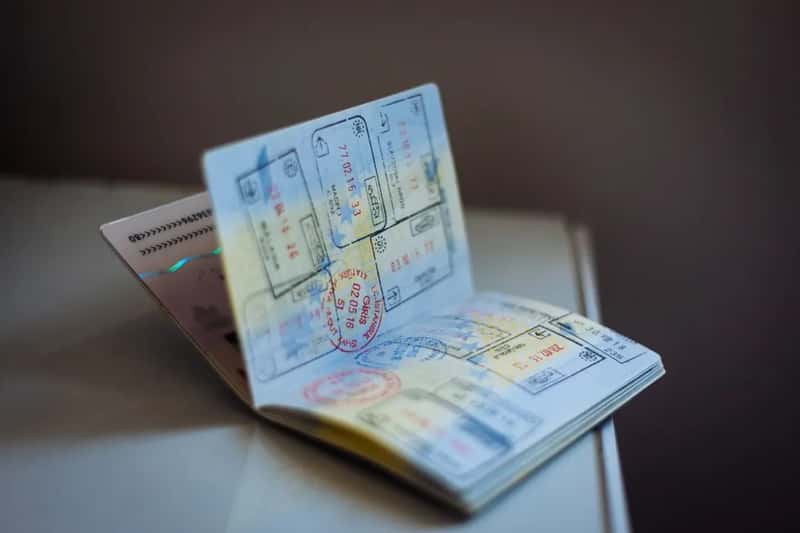
Boarding passes, insurance paperwork, rental car vouchers, and visa approval letters often exist only as a single printed sheet, and once that sheet goes into the safe, it is easy to forget until the exact moment it is needed at an airport counter. A jammed keypad or a dead backup battery, both known failure points in older electronic safes, can turn a five minute checkout into a stressful scramble.
Scanning or photographing every document before the trip, then storing copies in cloud storage and on the phone itself, removes the single point of failure entirely. The physical safe can still hold the originals if that feels reassuring, but it should never be the only place those documents exist.
7. External hard drives with your only data copy
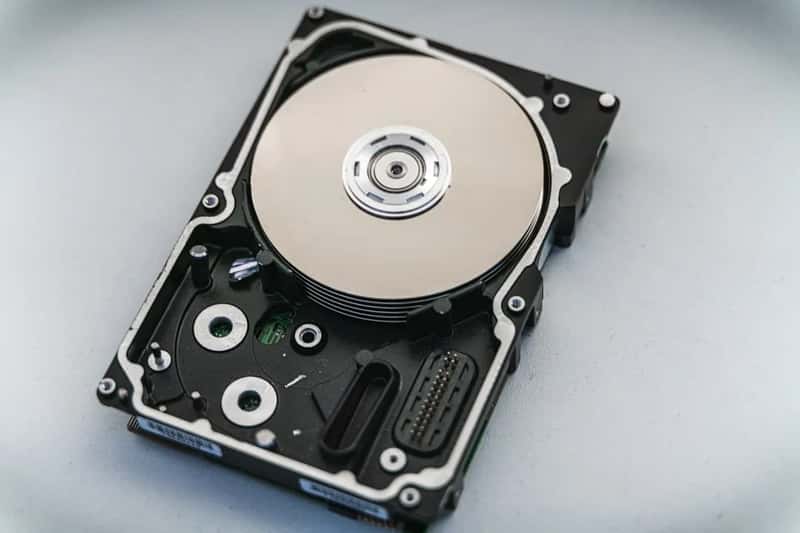
Photographers, remote workers, and anyone shooting video on a trip sometimes stash a backup hard drive in the safe for peace of mind, but that only works if it is truly a backup and not the sole copy. Safes generate heat from their own electronics, sit in warm rooms, and occasionally get knocked around during cleaning, none of which is kind to a spinning hard drive.
A better approach is the classic rule photographers already use for memory cards: at least two copies in two different physical locations, ideally one of them uploaded somewhere off site before you even leave for the day. The safe can be one of those locations, but it should never be the last line of defense for irreplaceable files.
8. Every credit and debit card you own
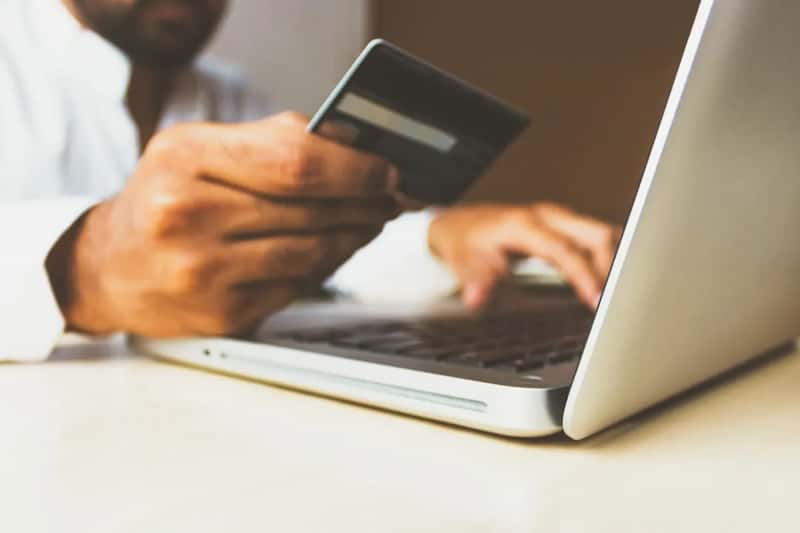
It feels tidy to consolidate all your cards in one place, but locking every single card in the safe means a lost key or forgotten code leaves you with zero access to money anywhere in the city. Splitting cards between what you carry, what stays in a hotel room drawer, and what actually goes in the safe creates a buffer if one method fails.
This also matters for fraud response. If a card in your wallet gets skimmed at a restaurant, having a second card locked away means you are not stranded while waiting for a replacement, which can take several days even with expedited shipping from most major banks.
9. Perishable or temperature sensitive items
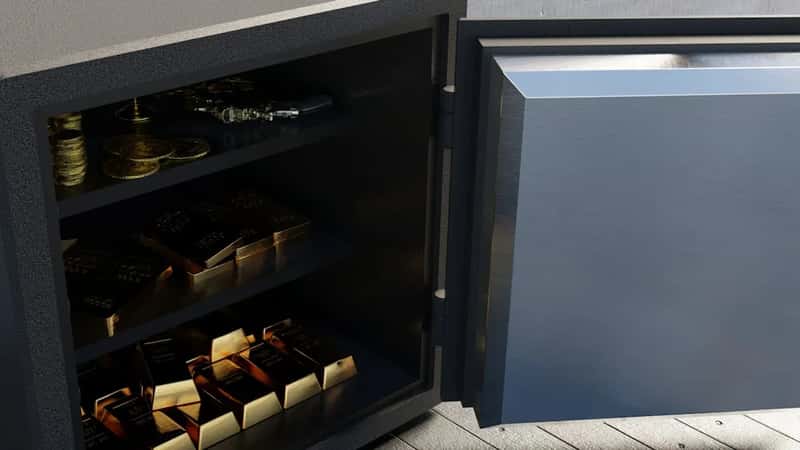
Some travelers use the safe as an impromptu pantry for snacks, specialty ingredients bought at a local market, or gifts meant for people back home, not realizing the interior can run warmer than the room itself due to the lock mechanism and motor. Chocolate, cheese, and anything with a wax seal have shown up melted or spoiled after a day locked inside a small metal box.
If an item needs to stay cool, the minibar fridge or an insulated bag with ice from the ice machine will do a far better job. The safe is built for security, not climate control, and treating it otherwise usually ends in a small, sticky disappointment.
10. Expensive electronics without proof of ownership
A drone, a high end camera body, or a gaming laptop can easily exceed the liability cap a hotel is legally required to honor if something goes missing. If a guest’s money or jewelry is lost from the hotel’s safety deposit box, the innkeeper is liable for up to 1,000 dollars in many states, a figure that barely covers a mid-range lens, let alone an entire camera kit.
Travelers carrying gear worth more than that should photograph serial numbers, keep purchase receipts accessible, and check whether their homeowner’s or renter’s insurance extends coverage while traveling. Some credit cards also offer purchase protection or travel insurance riders that cover electronics, which is worth confirming before relying on the hotel safe as the primary safeguard.
11. Sentimental items with no dollar value on paper
A pressed flower from a wedding, a child’s drawing, a parent’s handwritten letter: these things carry weight that no insurance claim or hotel liability statute will ever recognize. Locking something irreplaceable in a box controlled by a keypad code shared with staff, or a battery that could simply die, is a risk many travelers do not think through until it is too late.
If an item cannot be replaced at any price, it probably should not have left home in the first place, and if it must travel, keeping it on your person is safer than trusting a lock built primarily to deter casual theft, not accidents or mechanical failure. Under modern law, hotels are not automatically liable for all lost or damaged guest property, and no claim payout can undo the loss of something that was never really about money to begin with.
None of this means hotel safes are useless. They deter opportunistic theft, they are far better than leaving valuables out on a dresser, and for the right category of item, a passport not needed that day, a secondary card, spare cash beyond daily spending, they do exactly what they are meant to do. The mistake is treating the safe as a single solution for every valuable a traveler carries, when the smarter approach spreads risk across a few different places and keeps the truly irreplaceable things close at hand instead.