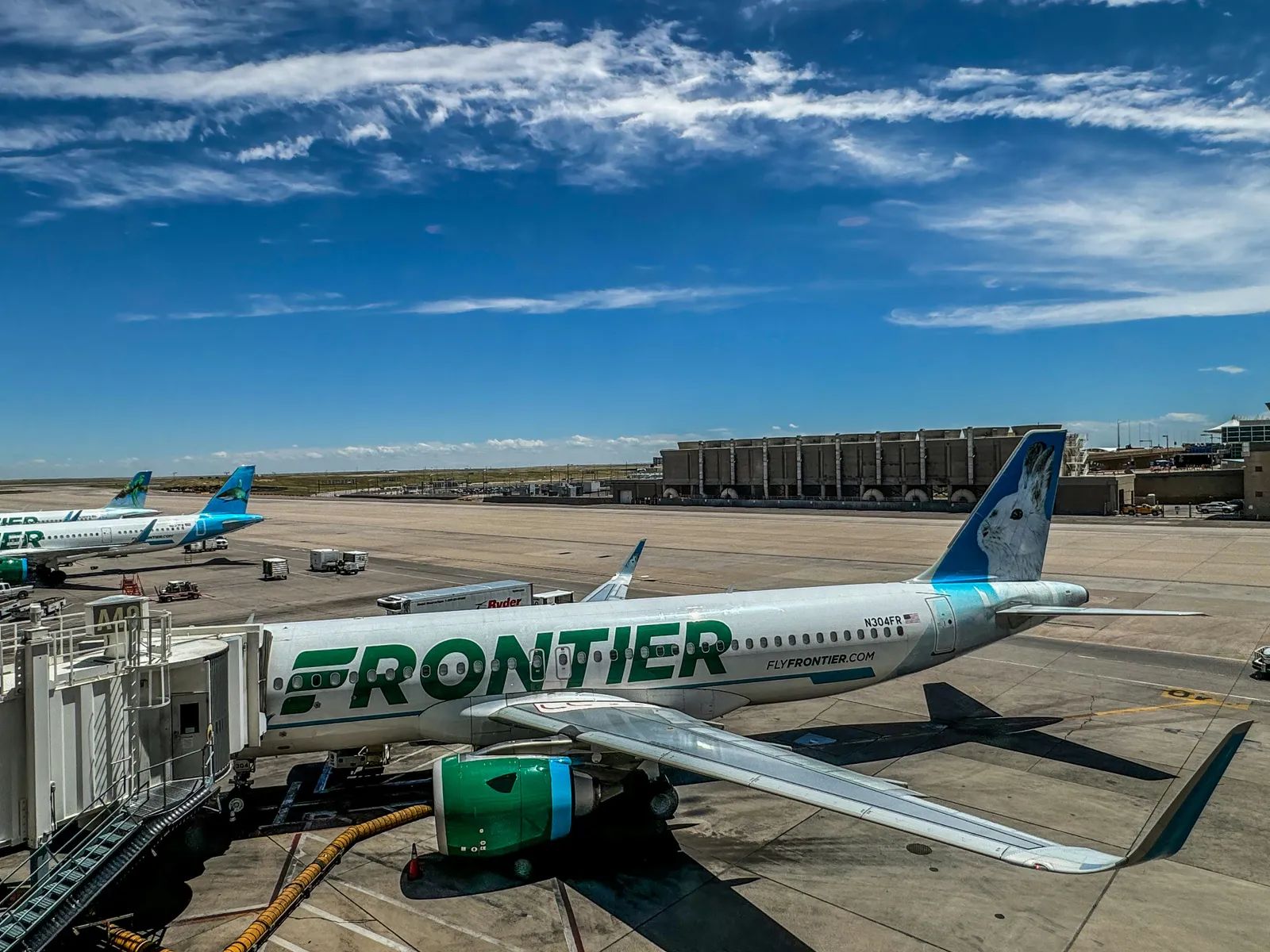
Frontier Airlines continues to test how far an ultra-low-cost carrier can stretch toward a premium feel without abandoning its core model. Travelers now face a clear choice between the bare-bones Basic fare and higher bundles that add bags, seats and flexibility, all redeemable with miles. The Business Bundle sits at the top and typically requires more than double the miles of a Basic award.
The Bundles and What They Deliver
Frontier offers four main options when booking with miles. The Basic fare covers only a personal item, with everything else charged separately and later boarding groups for most passengers. The Economy Bundle adds a carry-on, a standard seat and change flexibility. The Premium Bundle builds on that with extra-legroom seating and earlier boarding. The Business Bundle tops the list by including two checked bags, an UpFront Plus seat at the front of the plane and either an empty middle seat or a larger configuration once new aircraft enter service. Award prices start at 5,000 miles for Basic and rise to 13,000 miles for Business, plus minimal taxes and fees. These minimums apply only at the time of the original booking and can vary by route and demand.
Practical Effects of Choosing Basic
A traveler who booked a Basic award from St. Louis to Denver paid just 5,000 miles plus taxes. The low cost came with clear limits: only a personal item fit under the seat, and seat assignment came later in the process. Boarding occurred in a middle group, yet the flight itself ran on time with no major issues. For short trips this approach works, but it quickly becomes impractical once luggage needs grow beyond a single small bag. Most passengers on longer journeys or with work requirements end up paying extra for carry-ons or checked bags anyway.
How the Business Bundle Changes the Experience
On a separate short flight from Denver to Kansas City, the same traveler used the Business Bundle. Seat selection happened at booking, producing an UpFront Plus spot with an empty adjacent seat. Group 1 boarding followed preboarding, and the allowance covered a full carry-on plus two checked bags up to 50 pounds each. No meals or drinks come with any bundle, so purchases remain necessary on board. The aircraft still used the standard 3-3 layout during the test, as newer 2-2 seating had not yet arrived. The added space and baggage ease stood out most for anyone carrying more than a day or two of clothing.
Who Benefits and When
The extra 8,000 miles required for Business over Basic represents a steep jump for many short domestic routes. Travelers who need checked bags or value front-of-plane space may find the cost justified, while others see little return on a quick flight with minimal luggage. The Economy Bundle often lands in the middle ground by solving the carry-on problem and adding flexibility for only 2,000 extra miles. Route length, baggage needs and personal tolerance for restrictions ultimately determine the right pick for each trip. Frontier’s approach shows that convenience and space can be purchased, yet the airline remains a low-cost operation at its core.