Most travelers walk up to a customs booth thinking a passport and a polite nod are all that matter. In reality, border officers are trained to notice dozens of small behavioral cues long before they ever check a stamp or scan a barcode. Some of these habits feel harmless to the person doing them, yet they can turn a routine thirty-second interaction into an unplanned trip to a secondary screening room.
None of this is about breaking the law. It is about the tiny, repeatable patterns that officers see hundreds of times a day and quietly file away as red flags. Here are twelve of the most common ones, and why they tend to land so badly.
1. Cracking jokes about bombs or weapons
It sounds like harmless small talk to the traveler saying it, but officers hear some version of the same joke on a near constant basis. Nothing kills the mood at a customs booth faster than a security joke gone wrong, and officers hear some version of this joke constantly, and it never lands the way the traveler thinks it will. Federal guidance is direct about this exact scenario.
Federal guidance is blunt: travelers should stay calm and polite, and give clear, truthful answers instead of jokes or misleading statements. A quip meant to break tension usually does the opposite, since officers cannot tell instantly whether it is humor or an actual threat disclosure. That uncertainty alone is often enough to trigger extra questions.
2. Telling a slightly different story each time

Small inconsistencies between what is said out loud and what is written on a form are one of the fastest ways to escalate an interaction. Telling a slightly different story each time is the single fastest way to land in a small back room with no windows, since any answer that contradicts a previous one or contradicts the paperwork counts as an inconsistency, and officers cross-reference everything.
This is not about lying on purpose. Plenty of travelers simply misremember a date or phrase their trip purpose loosely, not realizing that officers are comparing every word against the visa type and declaration form in front of them. A mismatch that would seem trivial anywhere else becomes a genuine point of friction here.
3. Forgetting or refusing to declare items

Duty-free bags, food, and gifts brought back from a trip abroad are frequent sources of friction, mostly because travelers assume small purchases do not need mentioning. This mistake is oddly common, and officers see it constantly. Even something as ordinary as a bottle of wine or a box of pastries can trigger a longer conversation if it was not mentioned upfront.
Holiday travel makes this worse, since gift wrapping itself can slow things down. If traveling with gifts, or sending them through international mail, travelers are advised to consider leaving them unwrapped, since officers may need to open them to take a look inside. A wrapped present that has to be torn open in front of a line of waiting passengers rarely improves anyone’s mood.
4. Being vague about where you’re staying or how long you’ll be there
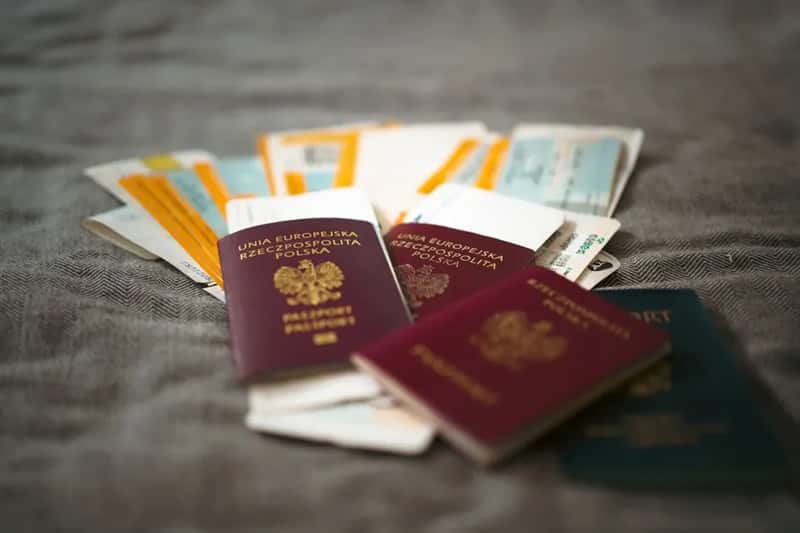
Vague answers about lodging or trip length read as a lack of a plan, and that reading is not flattering. Saying “I’m not sure how long I’m staying” suggests a traveler has no plan, and when someone appears undecided, it raises concern about possible overstays or unauthorized work. Officers are not trying to trap anyone; they simply need something concrete to work with.
The fix is almost embarrassingly simple. Even flexible travel plans need a precise exit date, so if unsure, travelers should provide a reasonable return date that aligns with visa requirements, and a booked return flight can be helpful. The same logic applies to accommodation: even if booking later or staying with a friend, picking a hotel name or writing down an address helps, since agents need to see that a traveler has a place to go.
5. Visibly panicking, even when there’s nothing to hide
Nervousness is normal after a long flight, but there is a difference between ordinary fatigue and something that reads as situational anxiety. Visible sweating, trembling hands, cracked voices, or an inability to make eye contact all register as flags, because officers are watching for the shift from ordinary travel fatigue to situation-specific anxiety.
Most people carry a mild sense of unease through any checkpoint, and officers factor that in. Most people are mildly on edge at customs, but conspicuously anxious behavior is what gets a second look. Ironically, the harder someone tries to look calm, the more that forced composure can stand out.
6. Oversharing personal details
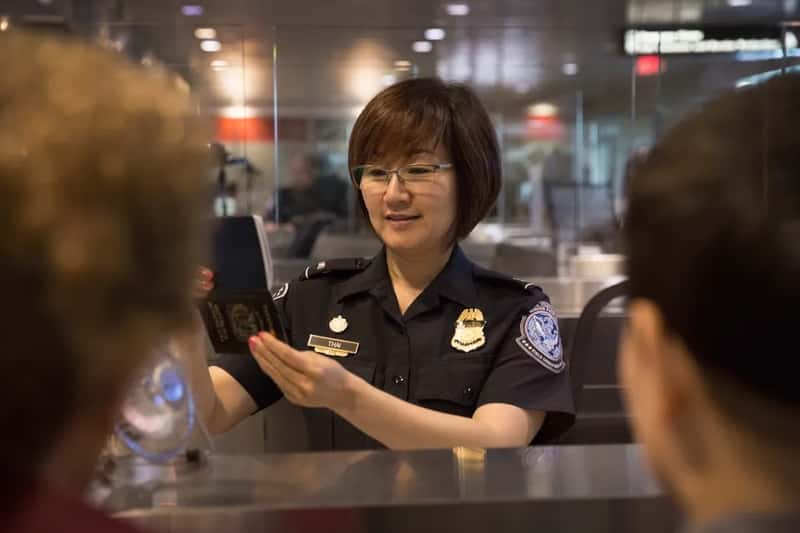
Border desks are not the place for a life story, yet travelers frequently treat the booth like a chatty check-in counter. Rambling about a divorce, a job loss, or unrelated family drama does not build rapport with an officer, it just adds noise to an interaction that is supposed to be quick and factual. Every extra detail is one more thing an officer has to mentally sort and, if it contradicts anything else said, one more inconsistency to catch.
The border environment is famously unsentimental about this kind of small talk. Border desks are famously humor-free zones, and the same tends to be true of unsolicited personal history. Short, direct, and consistent answers move a line forward far faster than a friendly monologue.
7. Challenging or arguing with every question
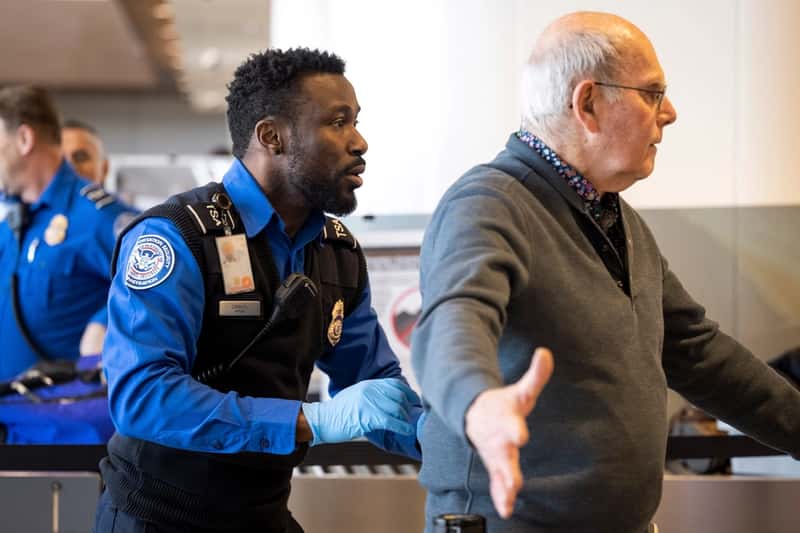
There is a meaningful difference between asking for clarification and treating every question as an accusation. If a traveler challenges every question or hesitates repeatedly, agents may escalate to bag searches or longer interviews, and even travelers doing nothing wrong sometimes end up in secondary screening simply for appearing difficult or overly defensive.
Politeness costs nothing here, and it tends to pay off. Travelers are allowed to ask something like “can you help me understand why you need that information,” and asking politely can ease the interaction, but confrontational phrasing should be avoided. Officers are simply doing a job with a script; treating that script as a personal insult rarely speeds anything up.
8. Keeping hats, sunglasses, or a phone out at the booth

Small physical habits carry more weight at a border crossing than most people expect. Land border guidance is explicit about this exact issue. Travelers are encouraged to prepare for the inspection process before arriving at the booth by having documents in hand and removing hats and sunglasses before entering the inspection area.
Facial recognition and identity checks are now a standard part of many crossings, which makes obscured faces an even bigger friction point than in the past. Facial biometrics are part of the process, and travelers should be prepared to have their photo taken during the enhanced inspections process, known as Simplified Arrival, which verifies identity through a secure, touchless facial biometrics process. A phone held up or a hat pulled low simply makes that verification step slower for everyone in line.
9. Showing up without documents ready
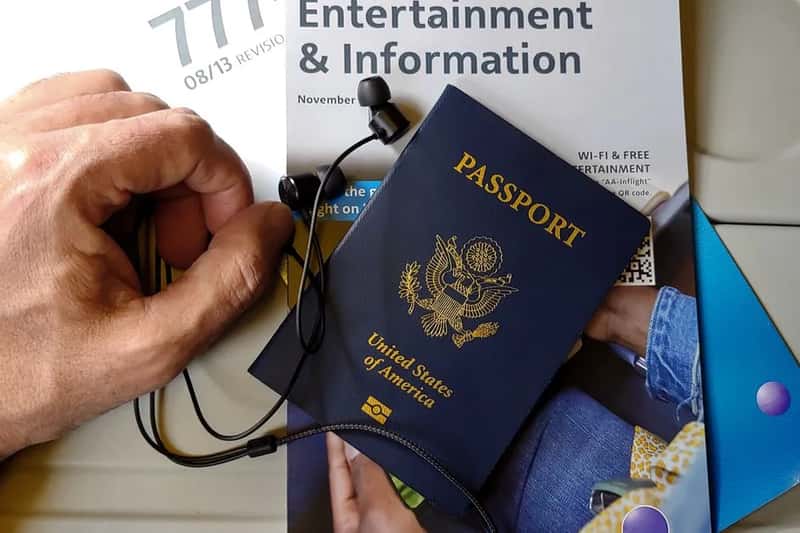
Fumbling through a bag or a phone case for a passport while an officer waits is one of the most avoidable slowdowns in the entire process. Travelers should utilize the appropriate travel document, whether that is a passport, a U.S. visa, a Lawful Permanent Resident Card, a U.S. Passport Card, or an Enhanced Driver’s License.
Confidence and readiness genuinely register with officers, and the opposite does too. Agents notice confidence and clarity, and having an address, itinerary, and documents ready goes a long way. A traveler who has everything staged before reaching the booth simply looks less like a problem to be solved.
10. Admitting someone else packed your bag
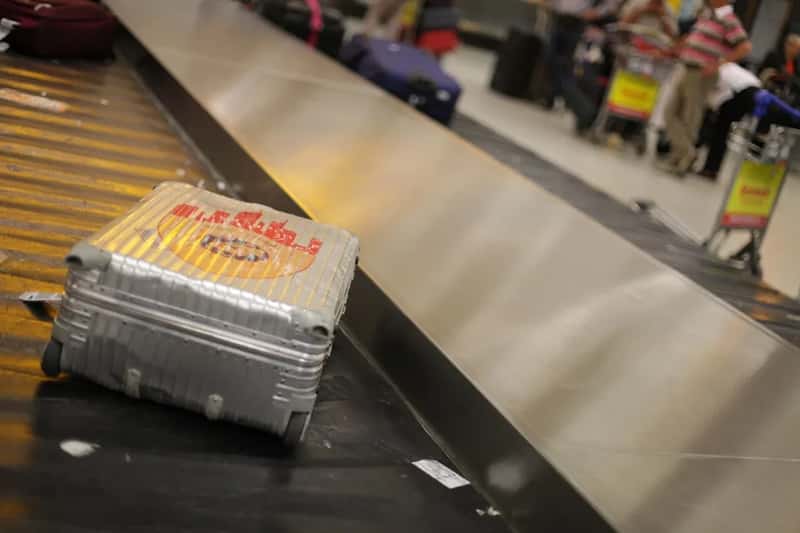
This one sounds like an innocent, even helpful, thing to mention. It is not. A sentence like “I packed most of my bag, but…” has triggered many inspections over the years, because the moment someone admits they didn’t fully pack their own bag, agents have reason to suspect they’re carrying something illegal, knowingly or not.
This concern is not paranoia on the officer’s part. Smuggling networks often rely on individuals carrying bags that have been packed by others, which means even a completely innocent favor for a relative can read as a genuine risk indicator. The safest habit is simply packing your own luggage whenever possible, and being ready to explain clearly if you did not.
11. Complaining about wait times or rushing the officer
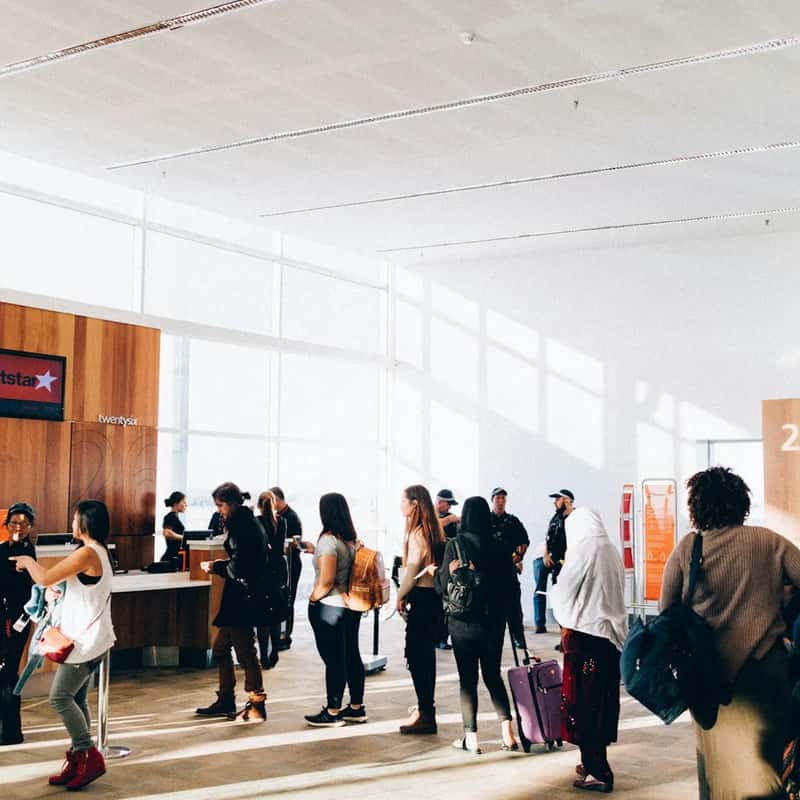
Long lines are frustrating, especially during holidays or peak travel seasons, but visibly rushing an officer rarely shortens the wait. Agencies on both sides of the border openly acknowledge that congestion is a real and recurring problem. CBP’s Office of Field Operations has reminded travelers to be prepared and to anticipate possible delays during busy holiday travel periods.
The volume these agencies process daily puts the wait in some perspective. Between January 1 and October 31, 2025, the CBSA welcomed more than 70 million travellers while also intercepting over 30,790 kg of illegal drugs and 13,500 weapons and firearms. Impatience directed at the person behind the counter does not move that queue any faster, and it tends to invite closer, slower scrutiny instead.
12. Resisting the biometric photo or fingerprint step
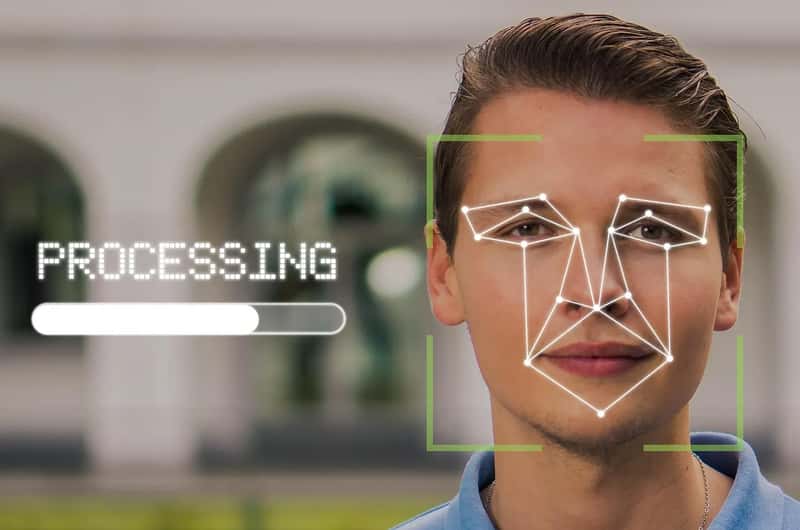
Sighing, complaining, or hesitating during the photo or fingerprint step is a habit that has become more noticeable as biometric checks have expanded. As of new regulations announced in 2025, the officer may take your photograph and compare it to a database gallery of your previous immigration photographs. Refusing or dragging out that step, even out of simple discomfort with being photographed, adds friction to a process designed to be fast.
The accuracy of the system is part of why officers rely on it so heavily now. Known as Simplified Arrival, the facial biometrics process further secures and streamlines travel into the United States, and the biometric facial comparison only takes a few seconds while being more than 98 percent accurate. A traveler who cooperates quickly with this single step, even if unenthusiastically, is almost always through the line faster than one who treats it as a battle.
None of these twelve habits are illegal, and most travelers who do them are not hiding anything at all. They simply read, from behind the glass of a customs booth, as small signals worth a second look. Understanding why border officers react the way they do does not guarantee a faster crossing, but it does make the whole process a little less mysterious, and a little less stressful, the next time a passport gets handed over.