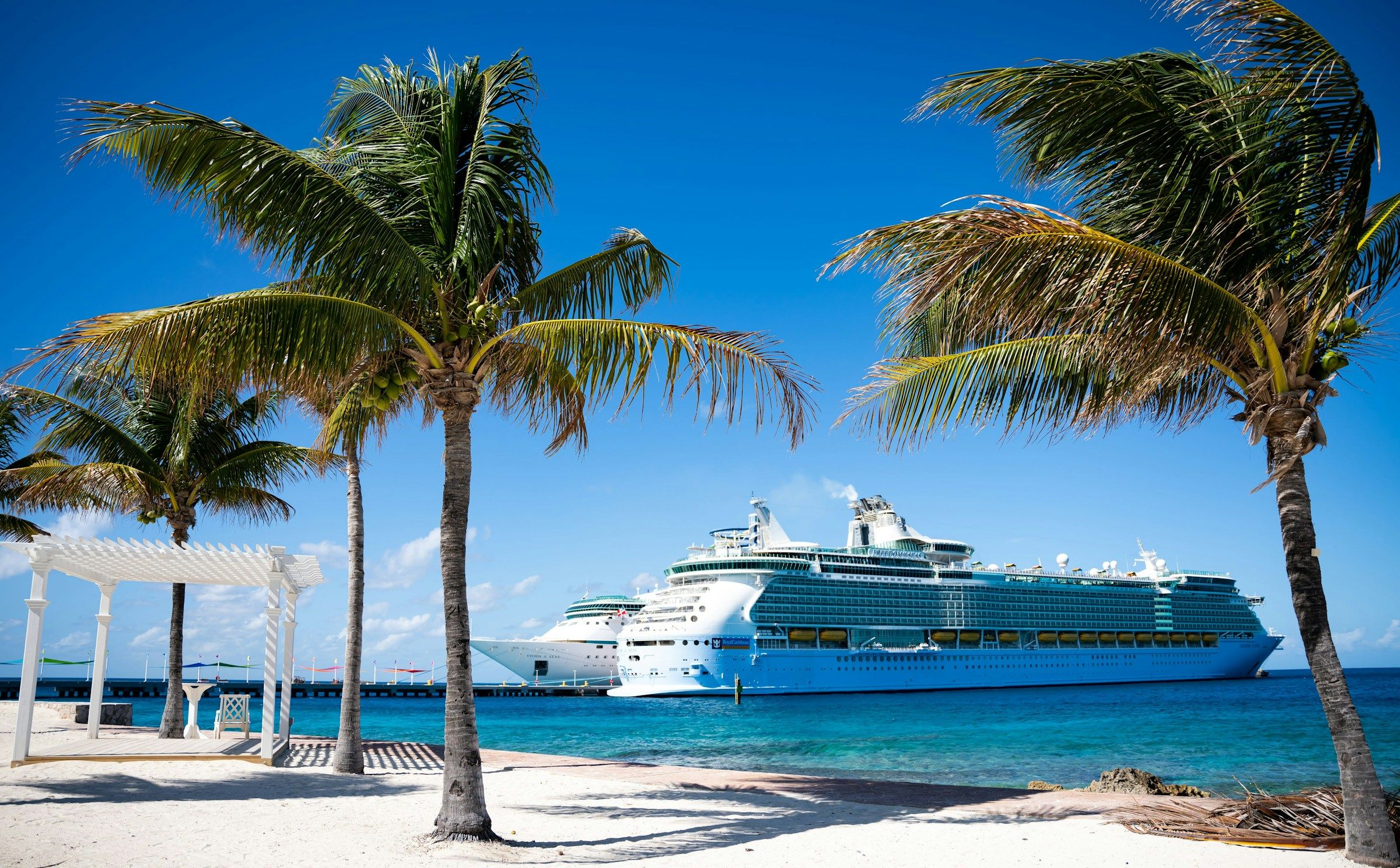
Walk through any cruise terminal on a Saturday morning and you’ll spot them right away. While first-timers hover near the entrance clutching printed itineraries and asking staff where to go, the veteran cruisers glide through with their phones out, boarding passes loaded, and bags already handed off. There’s no frantic energy about them, just a quiet, practiced rhythm.
That calm doesn’t come from luck or some secret terminal shortcut. It comes from a set of small habits repeated so many times they’ve become automatic, the kind of routines nobody bothers to explain because they’ve simply stopped noticing they’re doing them. Here’s what those habits actually look like once you break them down.
1. They finish online check-in weeks in advance

Veteran cruisers never leave check-in for the last minute. Check-in usually begins 30 days before your sailing date and ends 48 hours prior to departure, and you can use the cruise line’s mobile app or website to check in during that period using your booking number and name.[1] Getting it done early means fewer surprises later.
Some lines push this even further. Virgin Voyages recommends completing check-in at least two weeks before you sail so the team has time to check everything before you arrive.[2] Waiting until the week of departure just adds unnecessary risk to a process that’s supposed to be simple.
2. They lock in a hotel the night before, not the morning of
Unless the terminal is a short drive from home, seasoned cruisers rarely try to fly in and board the same day. Unless you live close to the cruise terminal, it’s best not to wait until embarkation day to arrive, so plan to show up in your embarkation city at least a day ahead of time and book a pre-cruise hotel, especially if you’re flying to your boarding destination.[1] It’s a small extra cost that removes a huge amount of risk.
Flying in early allows time to rebook if your flight is delayed or canceled.[1] Missing the ship because of a canceled flight is a far more expensive problem than one extra night in a hotel ever will be.
3. They respect their assigned arrival window

Most major lines now assign a specific arrival slot through their app, and veterans treat it as a real appointment rather than a suggestion. On Royal Caribbean, for instance, guests are told to plan their arrival and boarding around the time they selected in the app, and all guests must be fully checked in and onboard no later than 90 minutes prior to port operations closing or they won’t be permitted to sail.[3] MSC is even stricter about the early side of the window.
If you arrive before your dedicated check-in slot opens you may be asked to wait outside the terminal building, and if you arrive after your slot closes you may be denied embarkation entirely.[4] Showing up “whenever” simply isn’t how experienced cruisers operate anymore.
4. They keep boarding documents in one dedicated folder
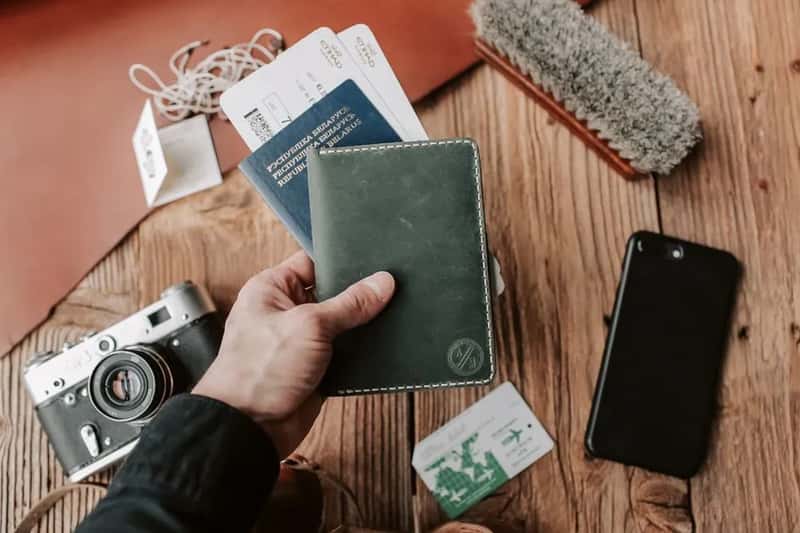
Nothing slows a line down faster than someone digging through a phone for a screenshot that won’t load or a passport buried at the bottom of a suitcase. Veteran travelers keep everything, passport, boarding pass, and any required visa paperwork, in one folder or app screen that never gets buried in checked luggage.
Different lines have different requirements, and knowing which format applies before leaving home saves real time at the pier. Some cruise lines prefer a printed pass while others rely entirely on the app, so checking ahead removes the guesswork the moment you reach the counter.
5. They hand bags to the porter and walk away

New cruisers often hesitate at the curb, unsure whether to drag their suitcases inside themselves or let a porter take them. Veterans don’t think twice. Handing bags off at curbside and tipping the porter a few dollars per bag is standard practice, and it means walking into the terminal empty-handed instead of wrestling luggage through crowded hallways.
Lugging full suitcases through security lines and elevators is exhausting and slows down everyone else in the process too. Letting the porter system do its job is one of the simplest ways to start a cruise feeling relaxed instead of frazzled.
6. They tag their luggage the night before, not at the curb
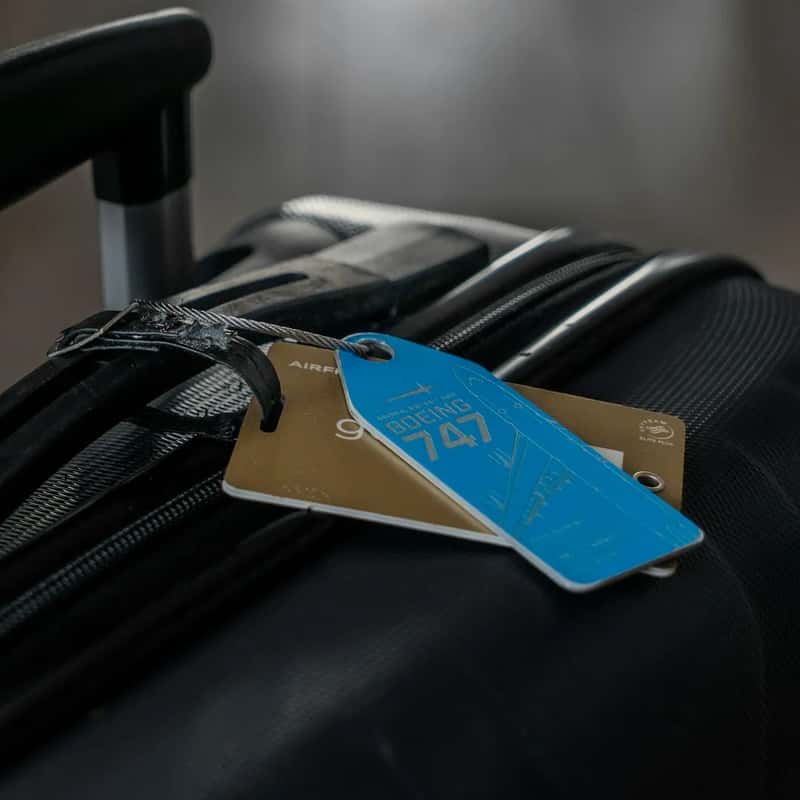
Attaching luggage tags at the curb while a taxi idles and a porter waits is one of the more stressful moments new cruisers create for themselves. Veterans print and attach their tags the night before, in the quiet of a hotel room, and slide them into protective covers so the tags survive handling. When they arrive the next morning, the handoff takes seconds.
This isn’t just about convenience. Tags that fall off or tear during transit can send a bag to a sorting area instead of directly to the stateroom, and that can mean waiting until well into the evening to see it again. A little prep the night before removes that risk almost entirely.
7. They pack a “first few hours” bag separate from their carry-on
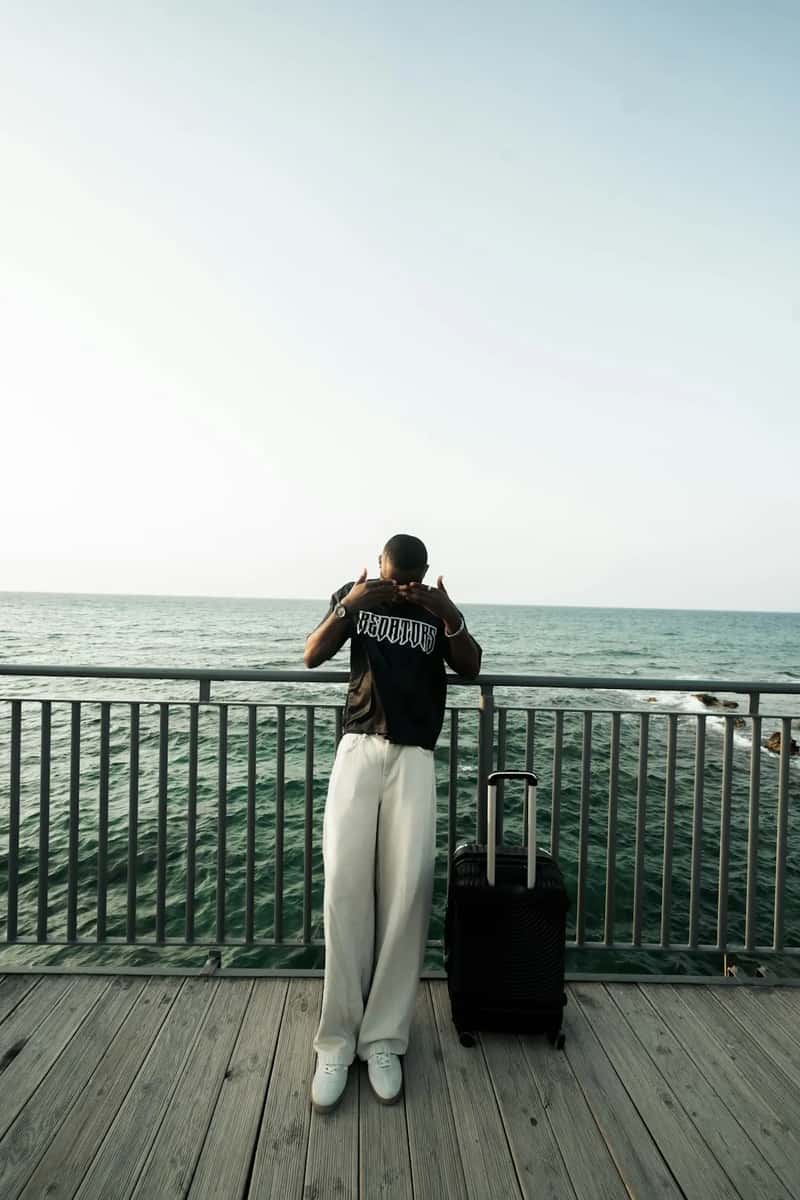
Checked luggage doesn’t magically appear in the cabin the moment you step aboard. Since staterooms and full bags often aren’t ready until mid-afternoon, veteran cruisers pack a small bag with a swimsuit, sunscreen, medication, and a change of clothes so they can head to the pool or grab lunch without waiting around. It’s a habit that turns a few hours of downtime into actual vacation time.
The logic is straightforward once you’ve experienced the alternative once. Waiting anxiously by the cabin door for bags that won’t show up for hours is a poor way to start a week at sea, so seasoned travelers plan around that gap instead of ignoring it.
8. They skip the buffet and find the quieter option

Boarding day lunch is one of the most predictable bottlenecks on any cruise. Crew members often direct new arrivals straight to the buffet, but the reality is that this area tends to be jammed with luggage and long lines rather than offering a relaxing meal. Veterans know there’s almost always a better alternative.
Some cruise lines actually open a sit-down restaurant on embarkation day, offering better food and shorter waits than most passengers realize exists.
On certain ships, there are specific go-to spots regulars head for instead. On Carnival ships, experienced cruisers go straight to Guy Fieri’s poolside Guy’s Burger Joint, while Royal Caribbean fans make a beeline to the Park Cafe for Kummelweck roast beef sandwiches, an embarkation day tradition of its own.[5] Knowing these small shortcuts in advance turns a chaotic first meal into something genuinely enjoyable.
9. They get the muster drill out of the way early
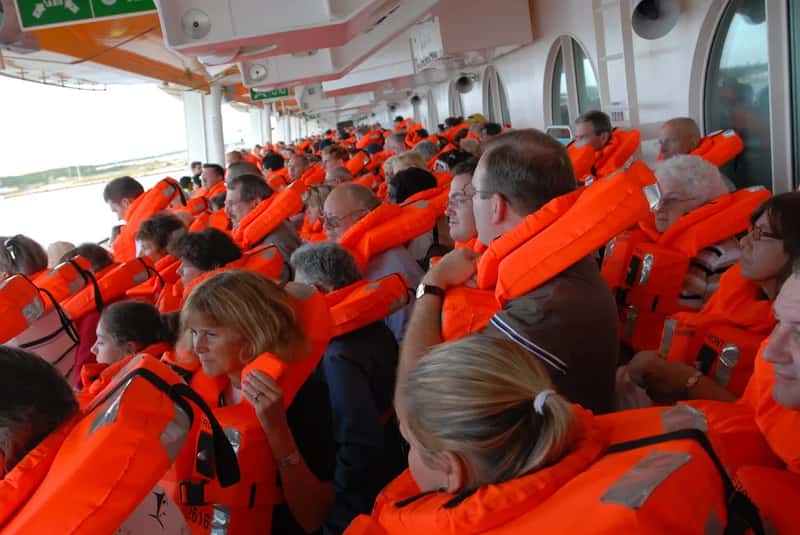
Nobody loves a safety briefing, but veteran cruisers don’t put it off. One thing that’s compulsory on embarkation day before the ship sails is a muster drill, which is quick and easy.[6] Getting it done as soon as it’s offered means the rest of the afternoon is free to actually enjoy.
It isn’t optional no matter how experienced you are. There’s no getting out of this, since it’s for the safety of everyone onboard and it’s required by maritime law.[6] Treating it as a quick box to check, rather than an inconvenience to dread, is simply the smarter approach.
10. They set up their onboard account and check the gratuity policy first

Almost every modern cruise runs on a cashless system from the moment guests step aboard, with purchases linked directly to the stateroom card. Veterans make a point of confirming that account is set up correctly before making a single purchase, since a mistake made on day one can quietly follow a traveler for the entire week.
Gratuities are the detail most first-timers overlook. Some lines add them automatically to the onboard account while others allow adjustments, and knowing which policy applies before charges start piling up makes it far easier to catch an error while it’s still small rather than arguing over a final bill on the last night.
11. They download the app and screenshot the deck plan before losing signal
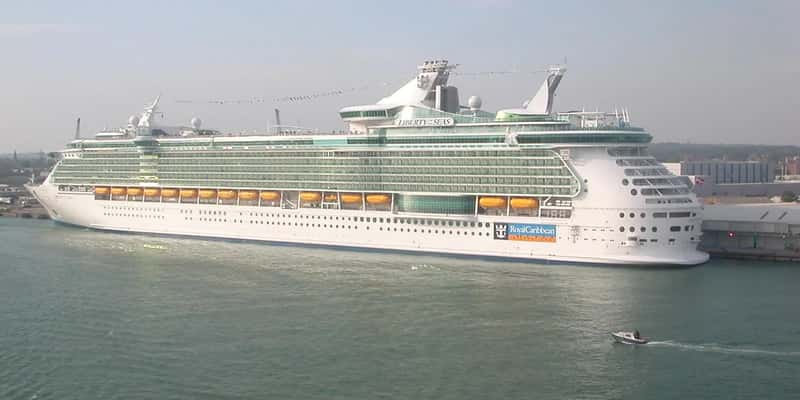
Cell service can get spotty the moment a ship pulls away from a busy terminal, so relying on live internet access to find your way around is a rookie mistake. Once onboard, the app replaces the traditional paper daily schedule, giving real-time access to activities, dining hours, entertainment, and deck plans, but veterans still grab a screenshot as a backup before wifi gets crowded.[1] It’s a small habit that avoids a lot of unnecessary wandering.
This also matters because international waters change the rules on phone plans entirely. Putting a phone on airplane mode before the ship sails away from the embarkation port is a genuinely practical habit, since cell phone plans usually aren’t applicable in international waters and the charges can be enormous.[7] Veterans handle this before sailaway, not after an unexpected bill shows up.
12. They stay calm instead of racing to book everything at once
First-time cruisers sometimes spiral the moment they step aboard, rushing to reserve specialty dining, spa slots, and excursions all at once out of a rising sense of missing out. Veteran cruisers know that pace isn’t necessary. Don’t panic on embarkation day is genuinely good advice, since first-timers sometimes get into a spin the minute they board, racing around trying to book things with a rising sense of FOMO, when staying calm works just as well.[6]
There are no rules requiring anything to happen the second you step on board; the vacation starts as soon as you’re there.[6] Some experienced travelers head straight for the pool while their cabin gets ready, others take a slow walk from the top deck to the bottom just to get oriented. Either way, the point is the same: embarkation day rewards patience far more than it rewards speed.
None of these habits are complicated or expensive. They’re just small adjustments, made once and repeated every trip, that quietly remove the friction most first-time cruisers assume is unavoidable. Pick up even half of them and boarding day starts to feel less like an obstacle course and more like the beginning of the vacation it’s supposed to be.