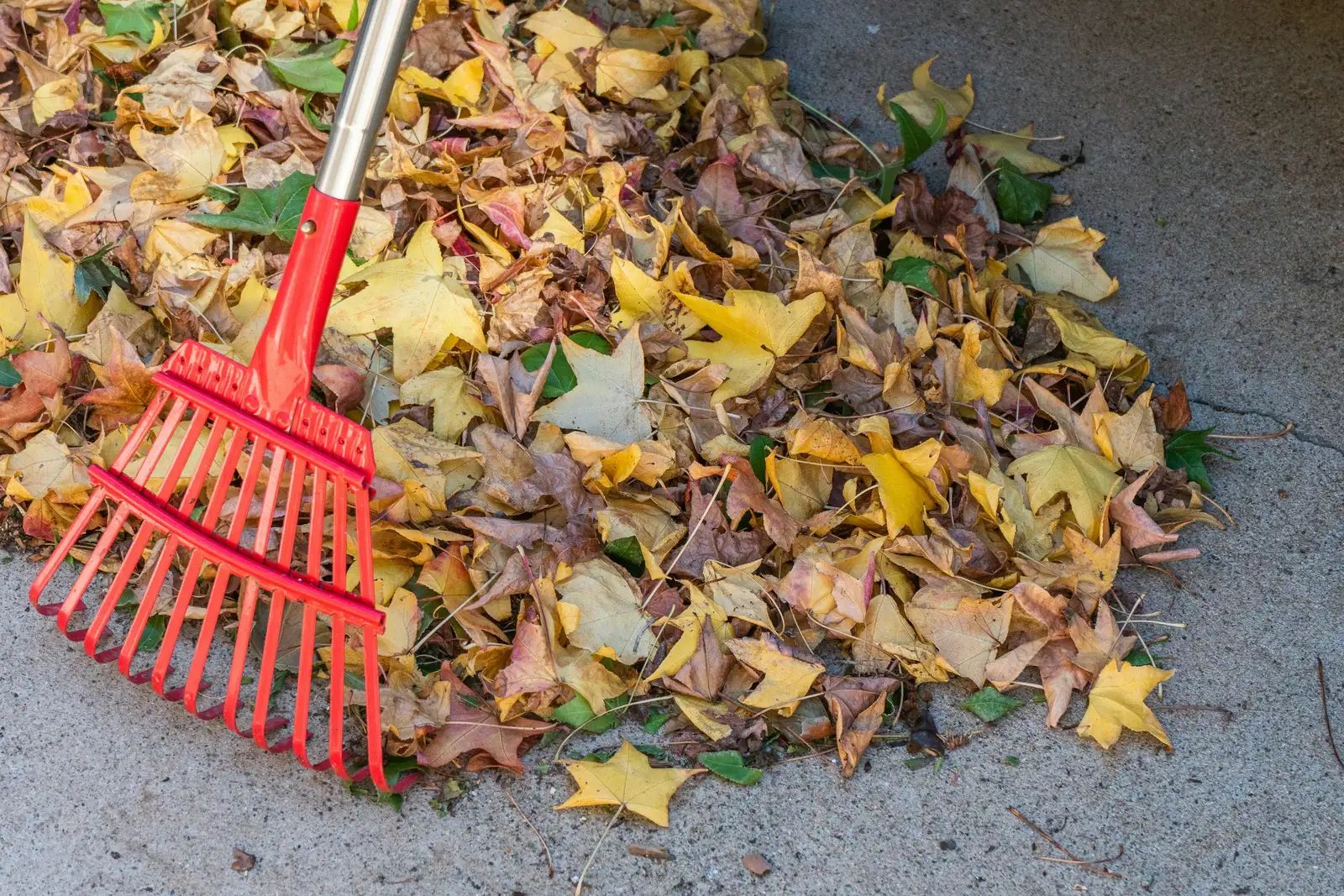
In neighborhoods across the country this November, the annual leaf cleanup often feels like an obligation. Yet research from university extensions and wildlife groups shows that clearing every last leaf is not always required. The real decision comes down to yard size, leaf condition, and what matters most to each homeowner. A rake works well in many cases, while a blower offers speed on larger properties, but both tools come with trade-offs that deserve a closer look. ([1])
The Practical Choice Between Tools
For small yards or tight spaces around plants, a rake remains the simpler option. It costs little, makes almost no noise, and handles wet leaves more reliably than most blowers. Larger properties with open areas often favor a blower because it moves piles faster and reduces physical effort over long distances.
Still, neither tool is risk-free for the body. Raking involves repetitive motions that can strain the lower back, while heavier blowers sometimes encourage poor posture during use. Hearing protection becomes essential with any blower that reaches 85 decibels or higher, a level some models exceed according to testing data.
Why a Spotless Lawn May Not Be Ideal
University extension programs in several states recommend mulching thin layers of leaves directly into the turf rather than removing them all. Mowing when roughly an inch of leaves covers the grass allows the mower to chop and return nutrients to the soil without smothering the lawn. Waiting for a thick blanket can block sunlight and raise disease risks, so regular passes work better than one big cleanup.
Wildlife benefits when leaves stay whole in garden beds and along fence lines. Shredded leaves provide less shelter for overwintering insects and other creatures that rely on intact litter for cover. Moving whole leaves to these protected spots supports local species without extra work.
Noise, Emissions, and Local Rules
Leaf blower noise varies widely by model. The quietest units stay below 65 decibels at the operator’s ear, while louder ones exceed 85 and require ear protection even for short use. Gas models add exhaust emissions during operation, though battery versions eliminate that direct output while running.
Many communities limit blower use by hour or type. Washington, DC, for example, bans gas-powered units with fines up to $500. Checking local codes and HOA guidelines before starting prevents conflicts with neighbors.
Putting It All Together in Your Yard
Start by mulching thin leaf layers on the lawn with a mower. Rake or blow the rest into piles only where needed, then move those leaves to beds or a compost area. Keep material out of storm drains, since leaves contribute phosphorus to urban runoff when washed away by rain.
Work on dry, mild days when possible and spread the effort across several sessions. Match the method to your yard’s size and your own physical limits, and always follow any town collection rules for curbside piles.
The result is a yard that stays functional without unnecessary labor. Homeowners who follow these balanced steps often find the season feels less like a chore and more like a manageable part of autumn routines.